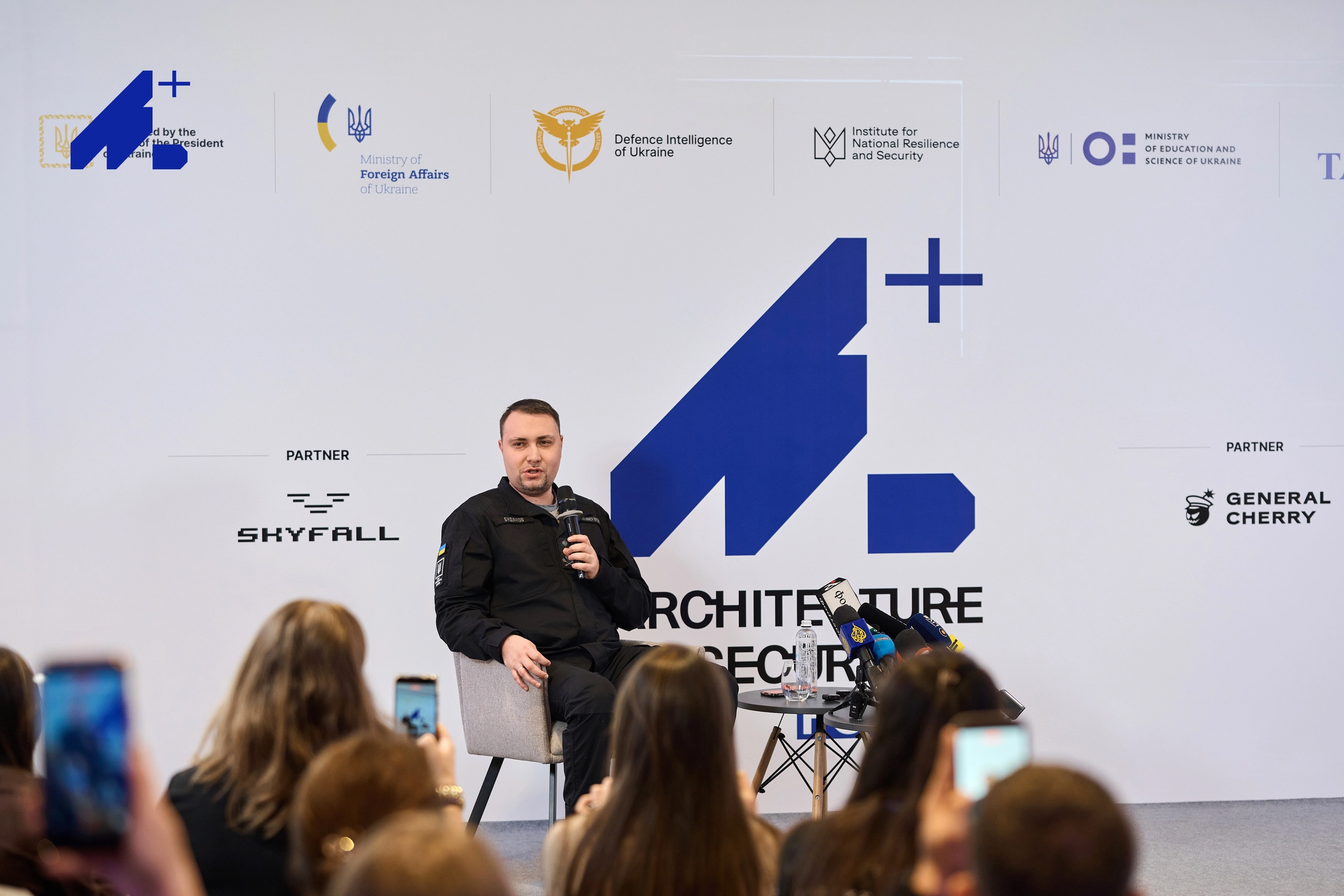
The Kremlin fears growing threats to the stability of President Vladimir Putin’s political system more than economic decline or sanctions pressure, head of Ukraine’s Presidential Office Kyrylo Budanov said.
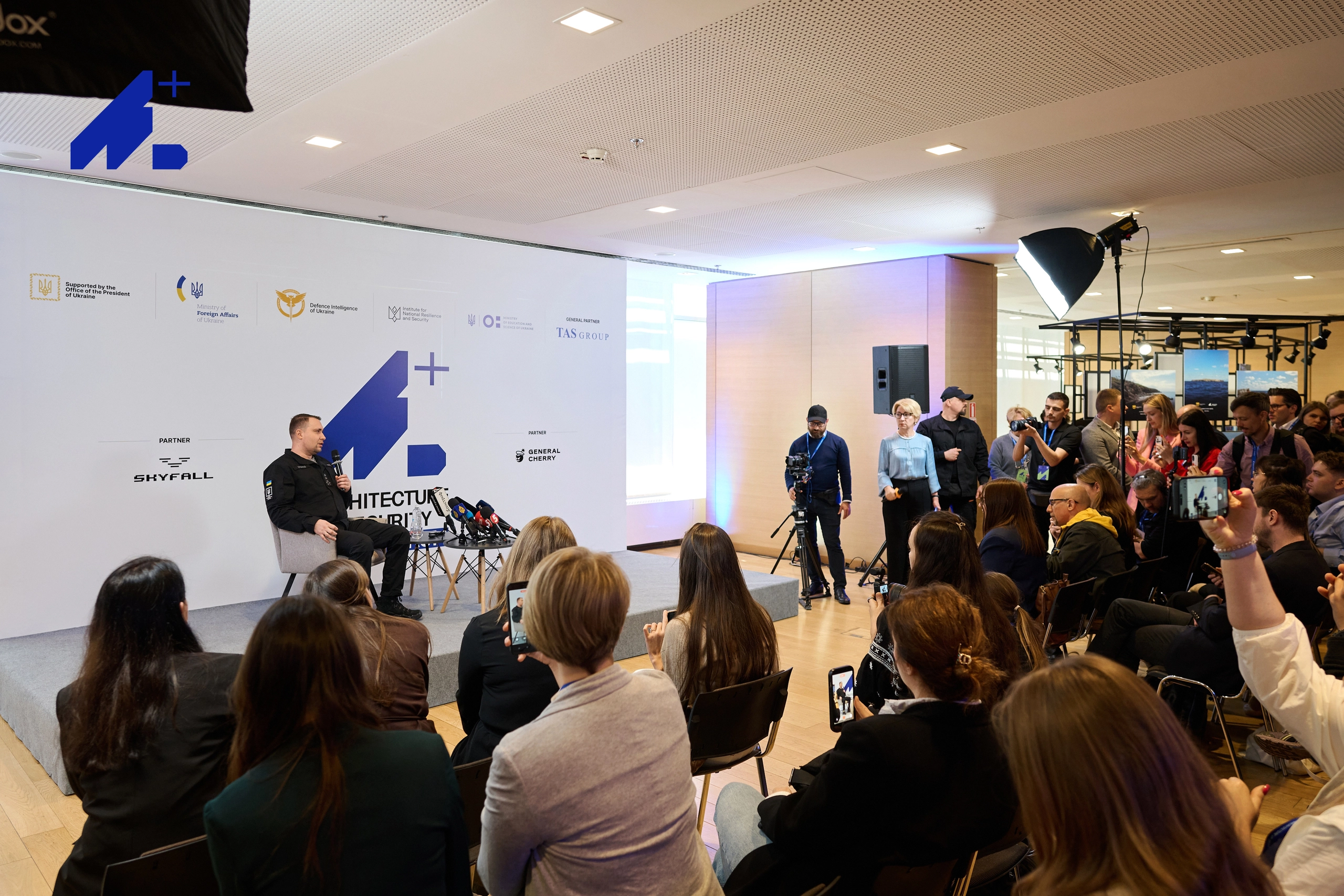
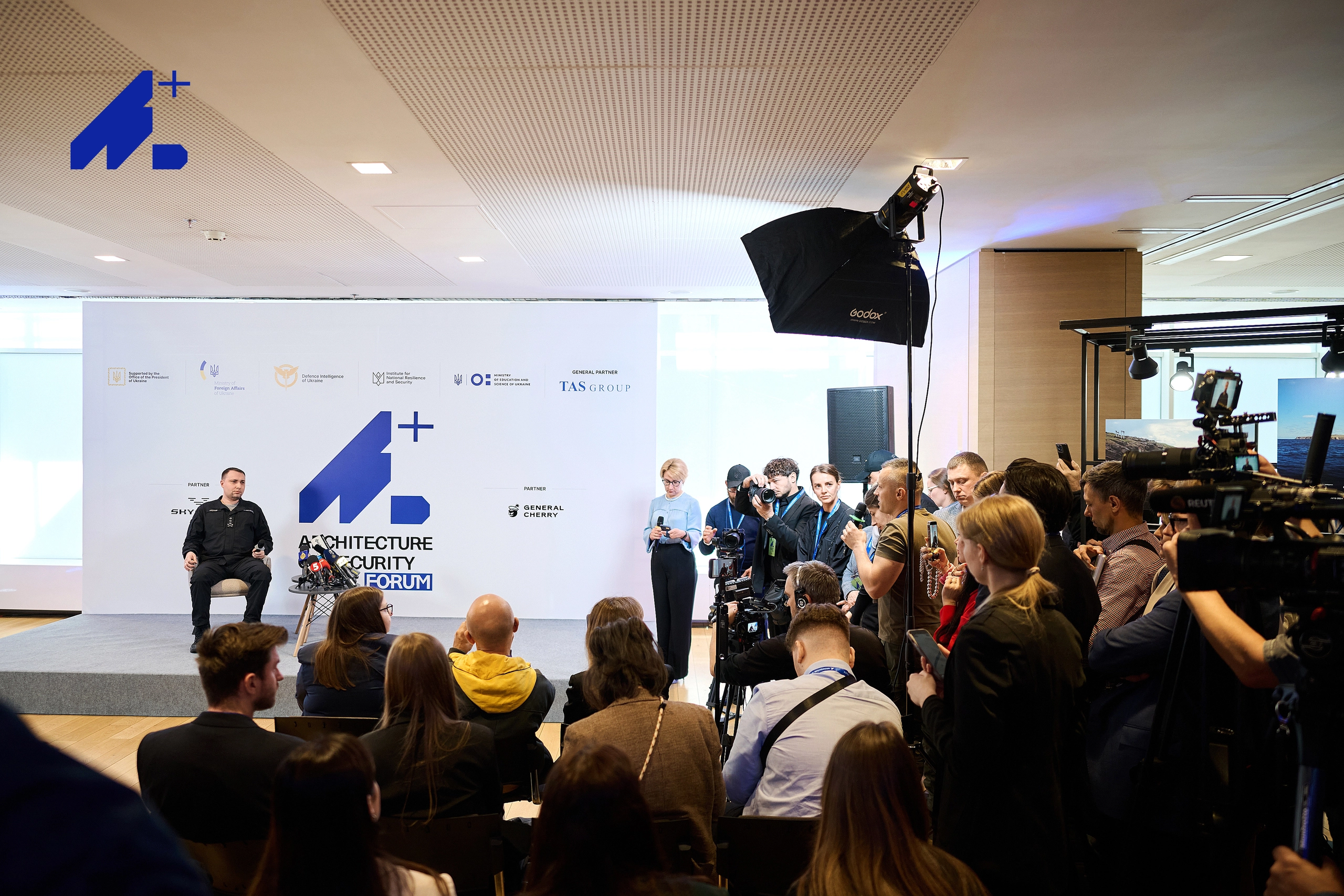
Speaking at the Security Architecture Forum in Kyiv on Monday, attended by Kyiv Post, Budanov – who previously served as chief of Ukraine’s Military Intelligence (HUR) – also argued the Kremlin’s concerns could create limited openings for future talks.
JOIN US ON TELEGRAM
Follow our coverage of the war on the @Kyivpost_official.
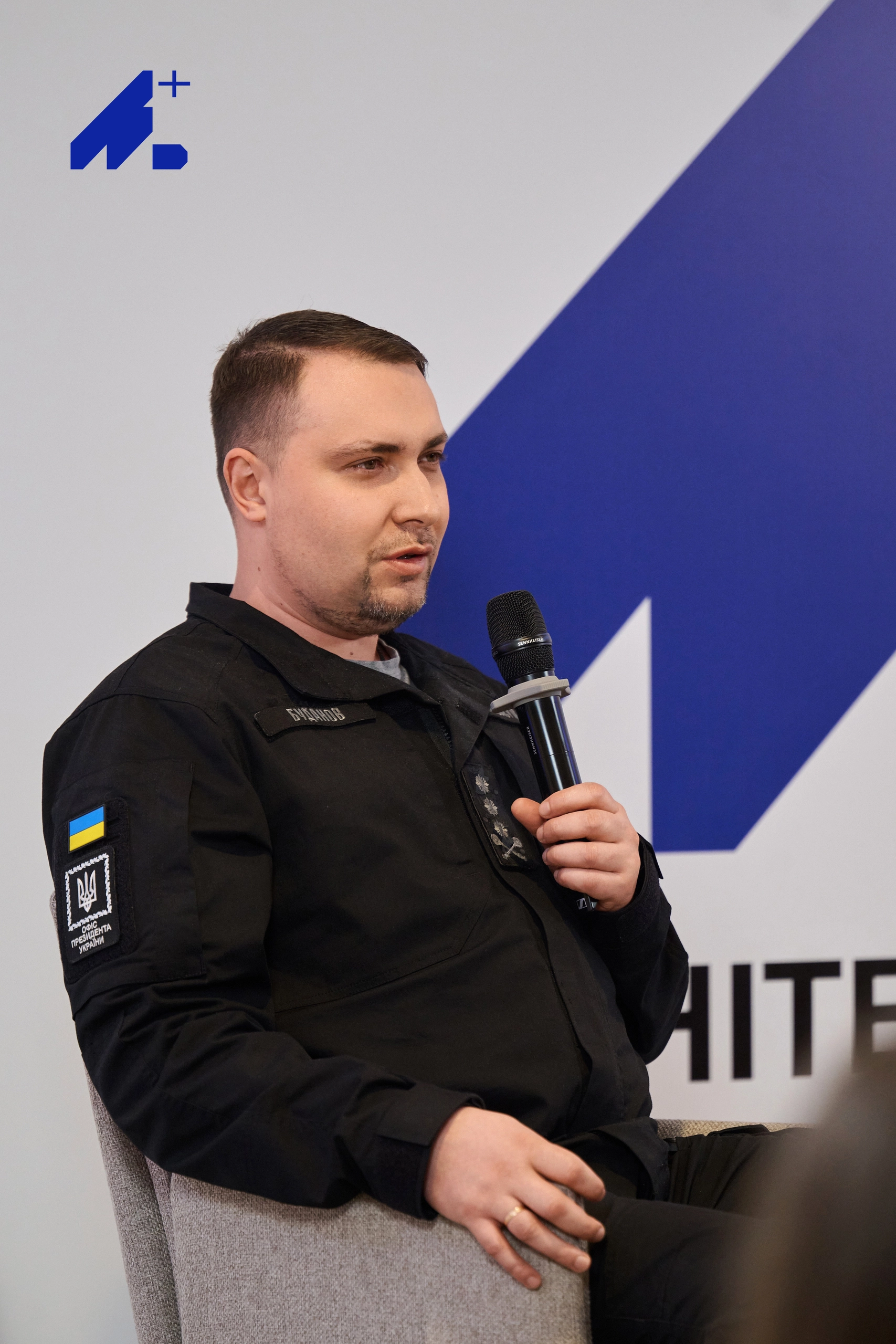
The discussion with Budanov was moderated by Pulitzer Prize-winning historian and journalist Anne Applebaum, who joined the forum as a featured speaker.
While dismissing suggestions that Russia is facing imminent collapse, Budanov said the most significant pressure on Moscow is emerging from within Russian society itself as the consequences of the war become increasingly visible to ordinary citizens.
“The serious argument is the change in mood within society,” Budanov said. “People see that something is not going according to plan when the war arrives on Russian territory.”
Zelensky: Russia Shifts Donetsk Capture Deadlines – Now at 15 Attempts
His comments come as Ukraine has increasingly extended the reach of its drone campaign deep into Russia, targeting military facilities, defense-industrial sites, and strategic infrastructure hundreds of kilometers from the border.
According to Budanov, these attacks have produced an effect that economic indicators alone cannot achieve.
“People definitely see it and definitely feel it,” he said.
Budanov cautioned against underestimating Russia’s leadership, arguing that many Western observers and Ukrainians alike often simplify the Kremlin’s decision-making process.
“It is convenient for all of us to say that they are crazy people,” Budanov said. “That is not always the case. There are quite serious and intelligent people there who can analyze everything that is happening.”
Those officials, he argued, increasingly recognize that Russia faces long-term decline if current trends continue.
“They clearly see the perspective — regression and decline everywhere,” Budanov said.
While Russia may be able to absorb economic difficulties for years, Budanov suggested that the Kremlin is more concerned that those pressures could eventually undermine the durability of the political system Putin constructed over more than a quarter-century in power.
“This is already a threat to the stability of the system,” Budanov said.
“That is what they fear. Everything else, economic decline and similar problems, they will survive.”
Budanov’s assessment appeared to underpin his cautiously optimistic remarks about potential diplomatic movement.
Asked whether Russia genuinely wants peace, he said he remained skeptical but noted that recent developments may have created what he described as “some half-prospects” for progress.
“As for whether Russia wants peace, I don’t know. I don’t think it wants it very much,” Budanov said. “But if the question is whether it will be ready for certain actions in the near future, I think some prospects have now appeared.”
“Without security guarantees, there will be no future.”
He said that any future settlement would require active participation from Kyiv’s allies, arguing that Moscow’s demands extend far beyond issues directly involving Kyiv.
“We need the involvement of our Western partners no less than the Russians do,” he said.
“The Russians want many things from our Western partners. Many questions are not directed at Ukraine but at them.”
At the same time, Budanov warned European governments against approaching Moscow without a unified position amid reports of a divided stance from Europe.
Recalling previous diplomatic efforts by individual European officials, he described situations in which their Russian counterparts simply asked what position Europe itself was bringing to the table.
“There is no need to repeat that,” he said.
Where does Ukraine stand in peace talks?
Budanov identified ending active combat operations as Ukraine’s primary strategic objective but stressed that security guarantees remain the indispensable foundation of any future agreement.
“Without security guarantees, there will be no future,” he said.
Budanov also dismissed speculation that Putin could voluntarily leave power after more than 27 years at the center of Russia’s political system.
“I do not believe he will simply leave,” Budanov said. “After building a stable system for 27 years, why would he?”
Instead, he argued that Putin would seek to preserve the existing structure for as long as possible. Budanov said the Russian leader remains deeply concerned about his personal security, echoing alleged European intelligence reports that Putin is bracing for a coup attempt.
“The fact that he worries about his life is definitely true,” he said. “Many things are exaggerated, but ultimately people of his type live in a world of such fears.”
Budanov’s take on modern warfare, European security
Beyond Russia, Budanov devoted much of his remarks to the future of European security, arguing that the war in Ukraine has fundamentally changed the nature of warfare itself.
He described the current battlefield as a “transparent front,” where modern surveillance technologies make it nearly impossible to conceal troop movements or military activity.
“This is not a war of mobility,” Budanov said. “This is not a war where one side can simply gain territory.”
The lessons of Ukraine’s battlefield, he predicted, will shape military doctrine worldwide long after the war ends.
“Everyone in the world will study and analyze this,” he said. “Everyone will have to find solutions for how to operate on a so-called transparent front.”
“An alliance cannot be serious if every decision must be adopted unanimously by many countries at the same time.”
His sharpest criticism, however, was reserved for existing international security structures.
Budanov argued that alliances requiring unanimous approval among large numbers of member states face inherent limitations during moments of crisis.
“An alliance cannot be serious if every decision must be adopted unanimously by many countries at the same time,” he said.
“People will always be in different places. At a critical moment, they will never all appear in the same place.”
He warned that attempts to preserve pre-war assumptions about collective security risk creating institutions that appear reliable in theory but fail when tested in reality.
“We may create a false structure,” Budanov said. “We will believe everything will work, and then when the real test comes, it will turn out that nobody can make a decision.”
The head of Ukraine’s Presidential Office also said countries should take a realistic view of the changes brought about by Russia’s invasion.
“Other countries need, first of all, to grow up,” he said. “They need to start looking at the world realistically.”
You can also highlight the text and press Ctrl + Enter