The EU is racing to finalize its 21st package of sanctions against Russia as Moscow intensifies threats toward Europe and continues its war against Ukraine, according to Politico.
The package is set to further target Russia’s oil revenues, financial sector and sanctions-evasion networks.
JOIN US ON TELEGRAM
Follow our coverage of the war on the @Kyivpost_official.
The measures were published on Tuesday and are expected to be presented to the European Commission next week.
According to three diplomats and EU officials cited by Politico, Brussels is doubling down on economic pressure rather than pursuing new diplomatic initiatives with Moscow.
The discussions come despite calls from some European leaders to appoint a special envoy for potential peace negotiations with Russia.
One EU official told Politico that policymakers believe Ukraine could be in a stronger position after the summer, arguing that appointing a special envoy now could undermine efforts to pressure Russia at a moment when battlefield dynamics may be shifting in Kyiv’s favor.
Oil cap and shadow fleet in focus
A central element of the proposed package is a plan to preserve the current price cap on Russian oil exports.
The existing cap is due to expire this summer and could automatically rise if no action is taken. EU countries are reportedly seeking to lock in the current ceiling to prevent Russia from benefiting from higher global oil prices.
Diplomats told Politico that a full embargo on Russian oil remains unlikely, as does a proposed ban on maritime services connected to Russian energy exports.
Zelensky: Russia Shifts Donetsk Capture Deadlines – Now at 15 Attempts
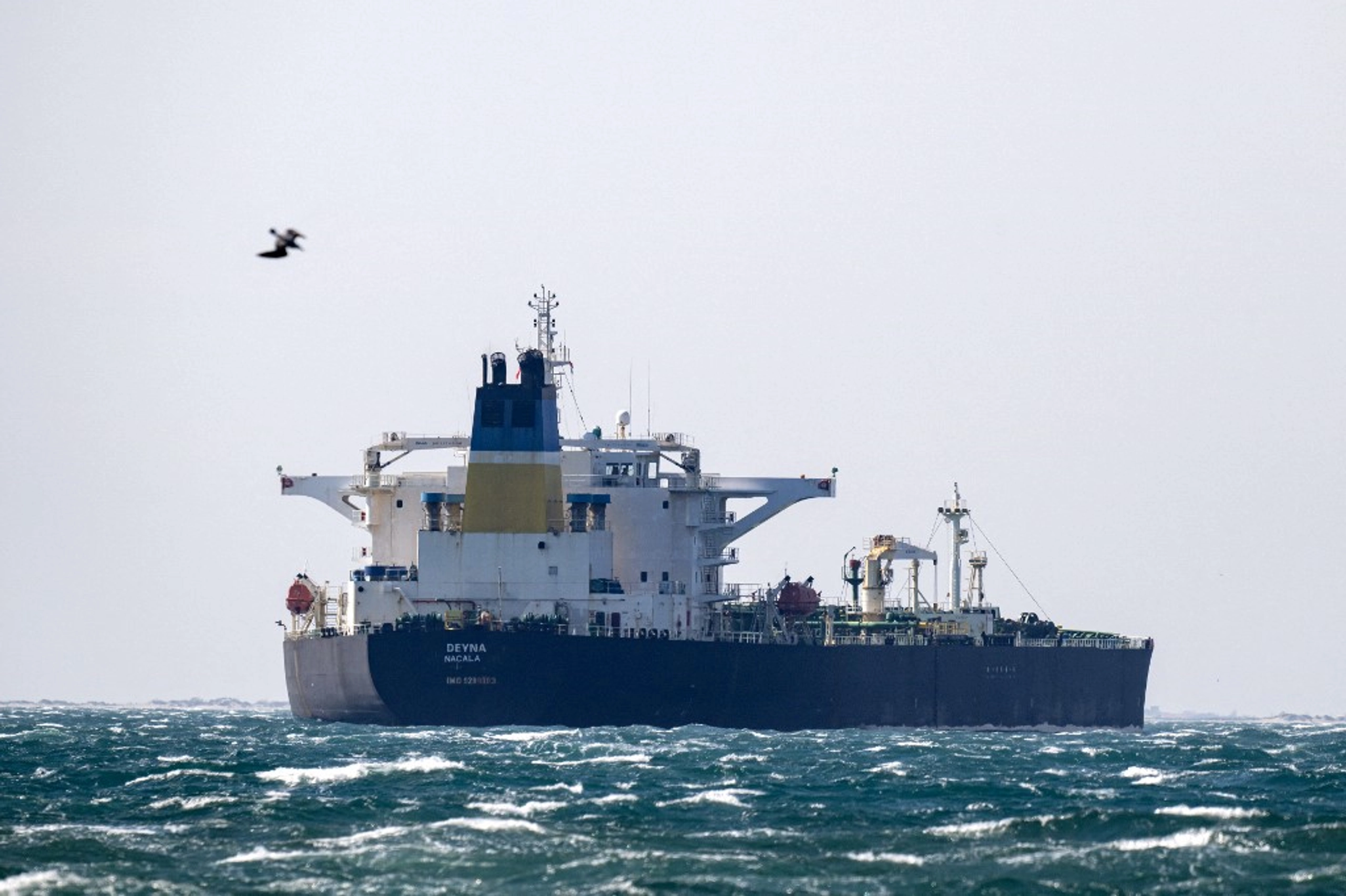
The package is also expected to include additional sanctions on Russian energy giants such as Lukoil and Rosneft, as well as new restrictions targeting vessels linked to Russia’s so-called shadow fleet and the companies supporting its operations.
The shadow fleet has become a key tool for Moscow to circumvent Western sanctions and continue exporting oil to international markets.
Possible sanctions on Patriarch Kirill
Among the individuals reportedly under consideration for sanctions is Patriarch Kirill of Moscow, head of the Russian Orthodox Church and a longtime ally of Russian President Vladimir Putin.
Previous attempts to sanction Kirill were blocked by Hungary during earlier rounds of EU negotiations.
Ukraine has also urged Brussels to expand restrictions on entities connected to Russia’s broader sanctions-evasion ecosystem.
Speaking to Politico, Ukraine’s ambassador to the EU, Vsevolod Chentsov, said Kyiv expects additional sanctions against shadow fleet vessels and associated networks.
“It’s time to address the issue of Rosatom,” Chentsov added, referring to Russia’s state nuclear energy corporation, which Kyiv has repeatedly described as an extension of the Kremlin’s war machine.
The latest discussions suggest that Brussels intends to maintain its sanctions-first approach toward Moscow, even as diplomatic efforts to end the war remain stalled.
EU’s previous sanctions package
The EU adopted its 20th sanctions package against Russia in late April.
The European Commission added 120 individuals and entities to its sanctions lists, introducing expanded restrictions targeting Russia’s energy sector, financial system, military-industrial complex, trade networks, and propaganda apparatus.
A key focus was energy, with 36 new listings covering oil exploration, extraction, refining, and transport. The EU also expanded its crackdown on Russia’s shadow fleet, adding 46 vessels and bringing the total sanctioned ships to 632.
For the first time, the EU sanctioned a third-country port – the Karimun oil terminal in Indonesia – alongside Russian ports Murmansk and Tuapse, over their role in bypassing the oil price cap.
The EU also imposed transaction bans on 20 more Russian banks, bringing the total to 70, and extended restrictions to institutions in Azerbaijan, Kyrgyzstan, and Laos accused of facilitating sanctions evasion. The package also introduced a sector-wide crypto ban targeting Russian digital asset providers.
Sanctions further targeted 58 companies linked to Russia’s military-industrial complex, as well as suppliers in third countries, including Belarus, China, Kazakhstan, Turkey, Uzbekistan, and the UAE.
For the first time, the EU activated its anti-circumvention mechanism, adding 60 entities accused of enabling sanctions evasion or supporting Russia’s war effort.
The package also further aligned sanctions against Belarus in response to its continued support for Russia’s war of aggression.
You can also highlight the text and press Ctrl + Enter