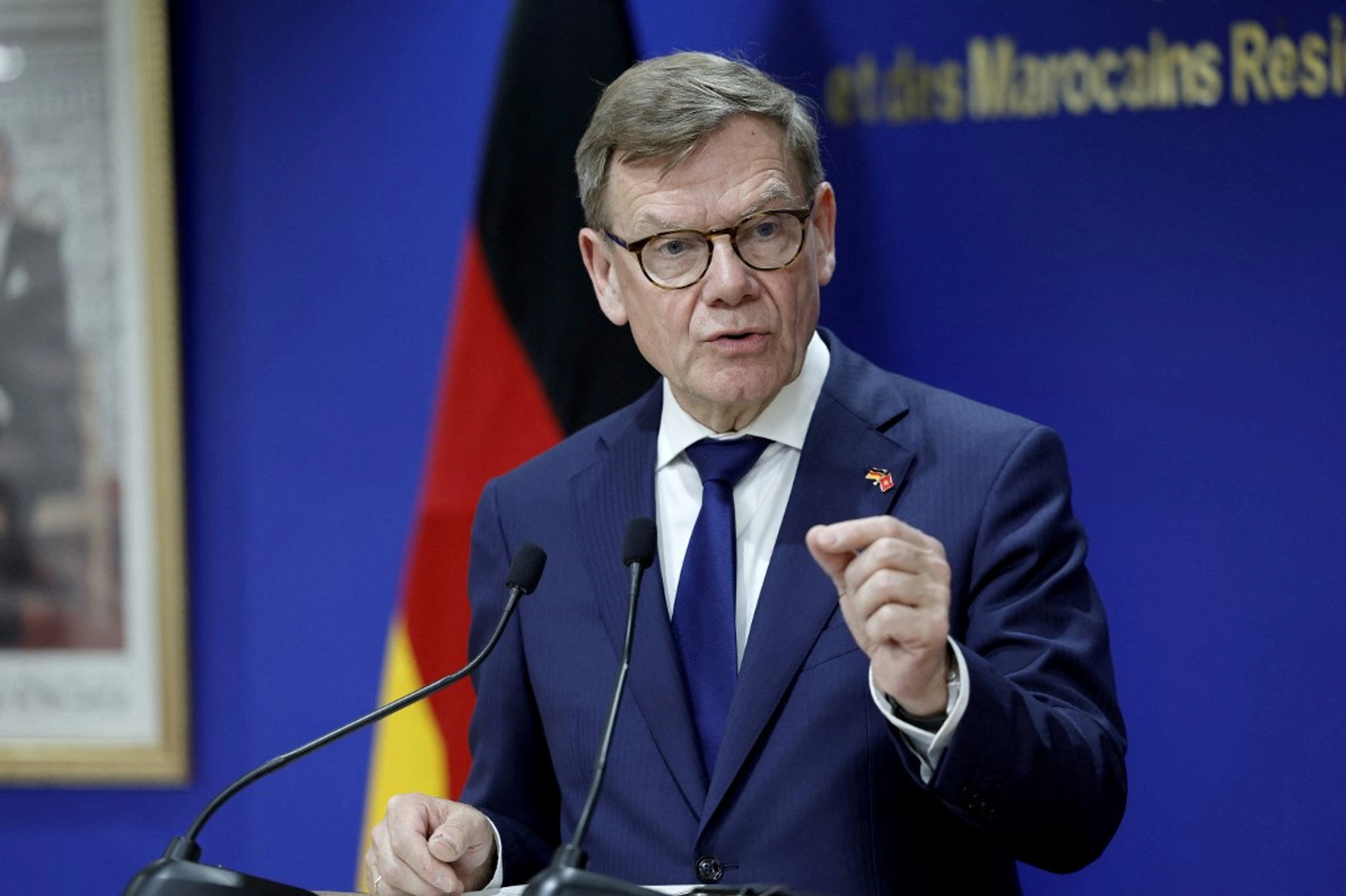
Germany has blamed Russia for helping derail its bid for a rotating seat on the UN Security Council after Berlin lost an election for one of the body’s non-permanent positions.
According to the BBC on Thursday, German Foreign Minister Johann Wadephul described the result as a “bitter defeat” after Wednesday’s vote, in which Austria and Portugal secured the two seats allocated to the Western European and Others Group.
JOIN US ON TELEGRAM
Follow our coverage of the war on the @Kyivpost_official.
“There is our firm support for Ukraine, the fact that Russia does not want such a voice at the Security Council,” Wadephul said.
He added that it was “no secret” that Moscow had sought to turn member states against Germany’s candidacy.
Russia has not publicly responded to the allegation.
The German outlet Berliner Zeitung said this marks the first time the country has not been elected to the council since its reunification in 1990.
Support for Ukraine, Israel may have affected the vote
Wadephul said Germany’s positions on several international issues may have contributed to the outcome.
“We have always taken a clear stance on certain issues, and these are positions that not all member states share,” he said.
Germany has officially aligned itself with Israel in the latest Gaza war and supported Kyiv in its defense against the Russian invasion, being one of the largest donors by providing materiel and financial support that includes arms deliveries and joint arms production.
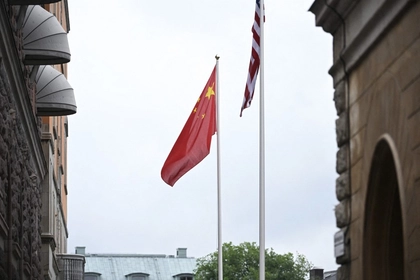
China Urges Ukraine, Russia to Resume Peace Talks
The UN Security Council consists of five permanent members – China, France, Russia, the UK and the US – and 10 elected members serving two-year terms.
The council is the only UN body empowered to adopt legally binding resolutions, including sanctions and authorizations for the use of force.
“The fact that Germany must always assume a special responsibility for Israel in the Middle East conflict may also have cost votes,” Wadephul added.
Germany received 104 votes in the election, compared with 134 for Portugal and 131 for Austria.
Wadephul thus suggested that Germany’s relatively late decision to enter the race may have weakened its campaign.
Setback for Merz
The result is being viewed as a diplomatic setback for German Chancellor Friedrich Merz, who has pledged to strengthen Germany’s international influence since taking office.
Opposition politicians in Germany have argued that the failed bid undermines Merz’s efforts to project stronger leadership on the global stage.
Merz downplayed the loss and congratulated Austria and Portugal on their election.
“This result does not alter the tasks we face at the UN,” he said. “Germany remains a reliable pillar of the multilateral system.”
In addition to Austria and Portugal, Kyrgyzstan, Trinidad and Tobago, and Zimbabwe were elected to serve on the Security Council beginning next year.
Kyrgyzstan, a former Soviet state in Central Asia, also won a seat at the council for the first time.
You can also highlight the text and press Ctrl + Enter
OPINION: The New Line Kyiv Quietly Built Into NATO
EU Investigates von der Leyen Over Zelensky Chat