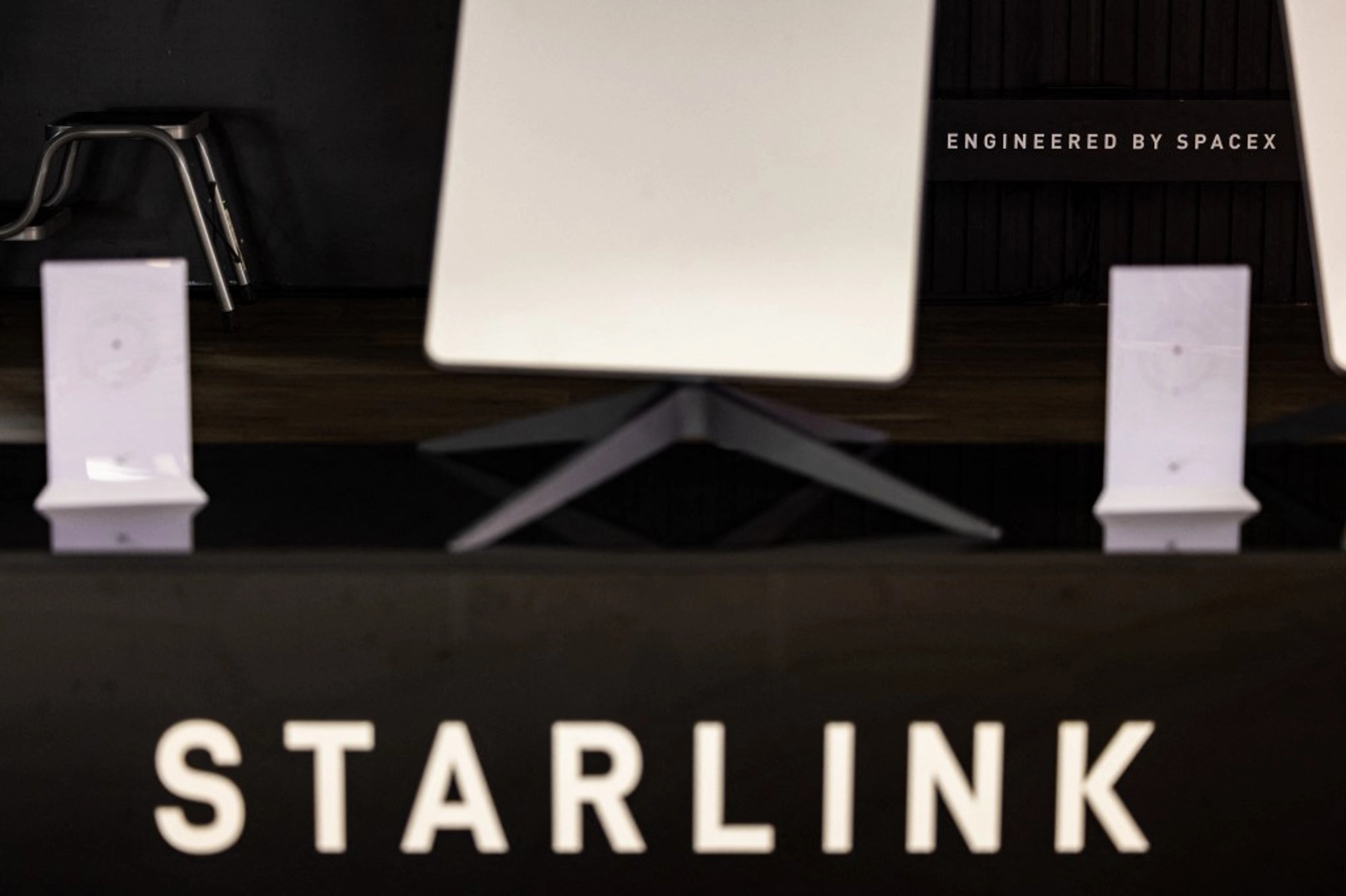
Russia confirmed it will launch its own satellite internet service commercially by 2027, pushing forward a project that has been in development for years and took on a new urgency after SpaceX shut down Starlink access for Russian military uses earlier this year.
The plans were announced by the CEO of Iks Holding, Alexei Shelobkov, at the St. Petersburg Economic Forum on Friday.
JOIN US ON TELEGRAM
Follow our coverage of the war on the @Kyivpost_official.
“The good news is that it is already being created. Satellites are already being launched,” Shelobkov said, adding “in the coming weeks, we will begin testing.”
The announcement is framed as the most recent sign of Moscow’s urgency to build its own connectivity infrastructure, as SpaceX’s Starlink becomes an increasingly decisive factor in Russia’s war on Ukraine.
“The Russians lost their ability to control the field,” a Ukrainian drone operator told BBC in the previous months, after SpaceX CEO Elon Musk cut off Starlink access from Russian forces. Not having access to Starlink halted Russian capacity for offence by half, according to the same report.
Bureau 1440, a part of Iks Holding, has launched the first 16 Rassvet satellites from the Plesetsk Cosmodrome in March, marking a transition from experimental testing to early operational rollout.
By comparison, SpaceX currently has over 10,000 satellites in orbit, and space analysts say Rassvet would need at least 250 satellites before it could function as a reliable communication system.

Ukraine Hits Targets 1,300 km Inside Russia, Striking Ufa Oil Refinery and Penza Missile-Linked Plant
Ukrainian drones that have conducted the most successful attacks on Russian refineries in recent months, have been linked to the ability of the latest generation of AI-powered drones to connect to the Starlink network, which is resilient to jamming.
Currently, Starlink is banned in Russia, with the use of its equipment subjected to fines.
Other alternatives to Starlink
Although there are alternatives, their performance mostly falls short.
In Europe and the US, companies such as Eutelsat, OneWeb, Amazon Leo and Viasat offer competing satellite communication services, but Starlink’s large low-Earth-orbit constellation enables lower latency and a more extensive global coverage than most current competitors.
For example, Amazon Leo has deployed more than 300 satellites in higher orbits, which generally improves coverage but increases latency.
By contrast, Starlink has deployed over 7,800 low-Earth-orbit satellites as of 2026, enabling lower latency and broader network capacity.
You can also highlight the text and press Ctrl + Enter

Russia Hit by 660-Drone Overnight Barrage Targeting Moscow, Crimea and Key Military Sites