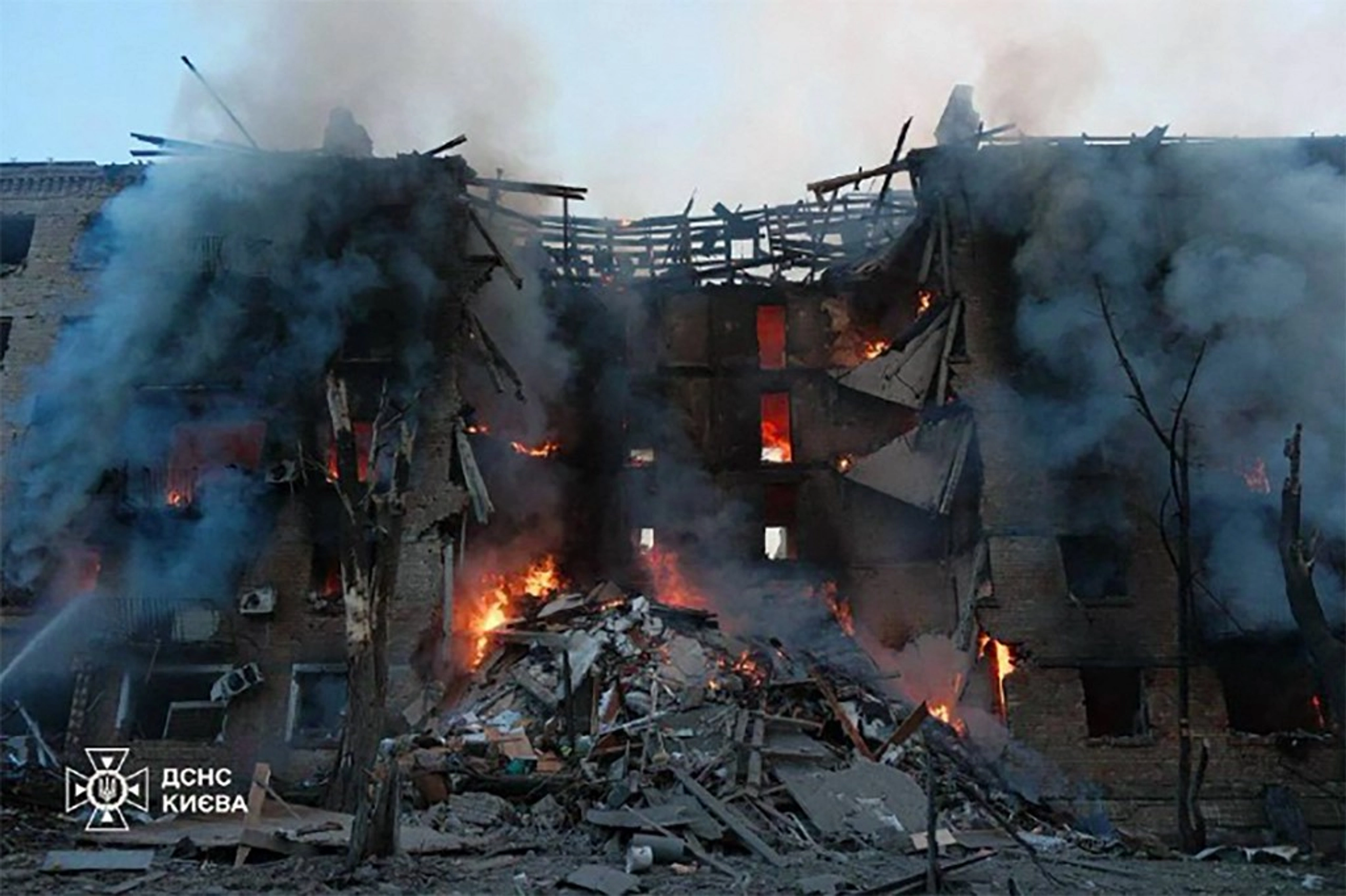
Civilian casualties in Ukraine rose in May and are expected to exceed April’s toll, a senior UN official said, warning that the war is becoming increasingly deadly for civilians as fighting intensifies.
According to remarks delivered by UN Under-Secretary-General for Political and Peacebuilding Affairs Rosemary DiCarlo at a UN Security Council meeting on Monday, preliminary data suggests the number of civilian casualties recorded in May surpassed those documented in April.
JOIN US ON TELEGRAM
Follow our coverage of the war on the @Kyivpost_official.
“There are no signs of a slowdown,” DiCarlo said.
DiCarlo said the war is now claiming more civilian lives than at any point since Russia launched its full-scale invasion of Ukraine in February 2022.
“With each subsequent year of the war, more civilians are being killed than in the previous one,” she said. “It is evident to all that the conflict is intensifying.”
The UN official said Russia continues to carry out long-range missile and drone strikes across Ukraine, with some of the largest aerial attacks occurring in recent months, fueling concerns of further escalation.
May saw some of the heaviest bombardments on Ukraine since the start of the war.
Between May 13 and 14, Russia launched over 1,500 drones and 56 missiles in a 24-hour period, marking its largest bombardment to date. Subsequent strikes often involved more than 600 drones and around 60 missiles in a single wave.
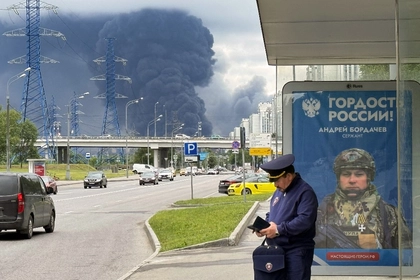
Ukrainian Missile Campaign Now Reaches Across Half of Russia
In early June, Ukrainian intelligence warned that Russia is capable of launching up to 100 ballistic missiles per month without affecting its stockpiles.
More than 15,800 civilian deaths confirmed
According to the Office of the United Nations High Commissioner for Human Rights (OHCHR), 15,850 civilians, including 791 children, have been killed in Ukraine since 2022.
Another 44,809 people, including 2,752 children, have been injured, though the actual figures are likely significantly higher, the UN said.
“The United Nations strongly condemns all attacks against civilians and civilian infrastructure, wherever they occur,” DiCarlo said. “Such attacks are prohibited under international law and must cease immediately.”
UN raises concerns over Zaporizhzhia nuclear plant
DiCarlo also highlighted ongoing risks surrounding the Zaporizhzhia Nuclear Power Plant (ZNPP), Europe’s largest nuclear facility, which remains under Russian occupation.
She said the International Atomic Energy Agency (IAEA) was informed on June 4 that the nearby ZNPP, which supplies electricity to the nuclear facility, had come under a significant attack.
On the same day, the IAEA confirmed that off-site electrical power was restored to the ZNPP, concluding a dangerous 15-hour blackout. During the prolonged outage – one of the longest since the full-scale war began – the facility relied entirely on emergency diesel generators to maintain the critical cooling systems of its six shutdown reactors.
Although power has been restored, DiCarlo warned the line remains vulnerable.
The UN reiterated that any prolonged loss of external power could significantly increase the risk of a nuclear accident and called for an end to all military activity around the plant.
You can also highlight the text and press Ctrl + Enter