How has Russian propaganda evolved over the years?
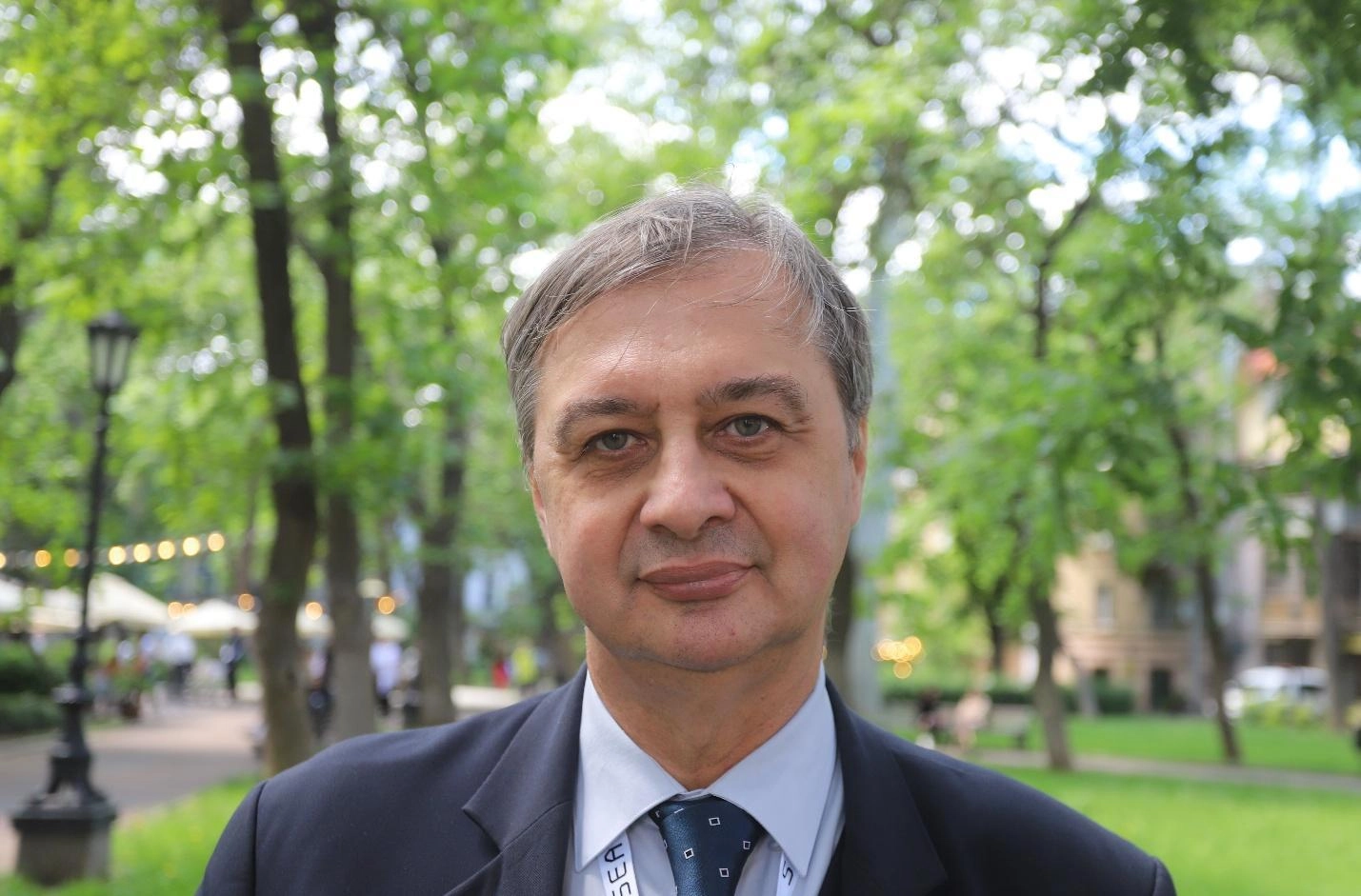
Professor Dr. Iulian Chifu is a Romanian scholar and former adviser to the Romanian president who has spent years studying Russian propaganda, its methods and strategies. He analyzes how it targets not only Ukrainians, Moldovans, and representatives of other nations that broke free from the Soviet Union in 1991, but also other European countries.
JOIN US ON TELEGRAM
Follow our coverage of the war on the @Kyivpost_official.
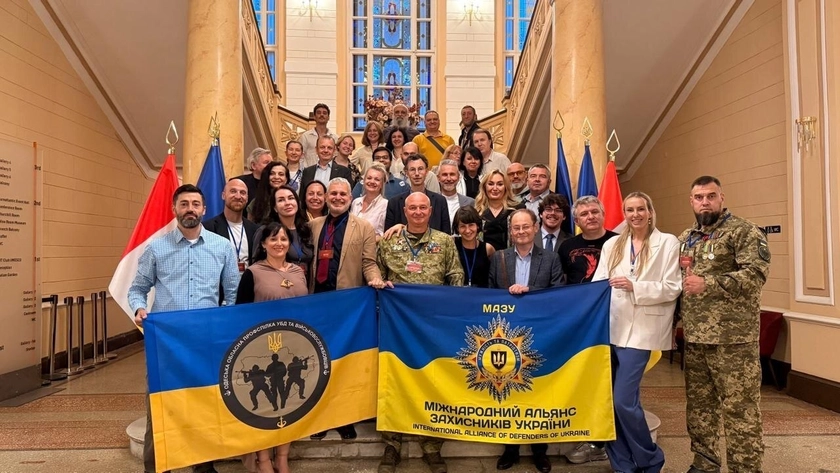
In May 2026, in Odesa, together with his Ukrainian and Moldovan colleagues, Vira Konstantynova and Elena Marzac, he published the book “Cognitive Informational Warfare in Ukraine, Moldova, Romania,” dedicated to Russian propaganda’s actions and methods in these countries and its interference in the lives of their societies.
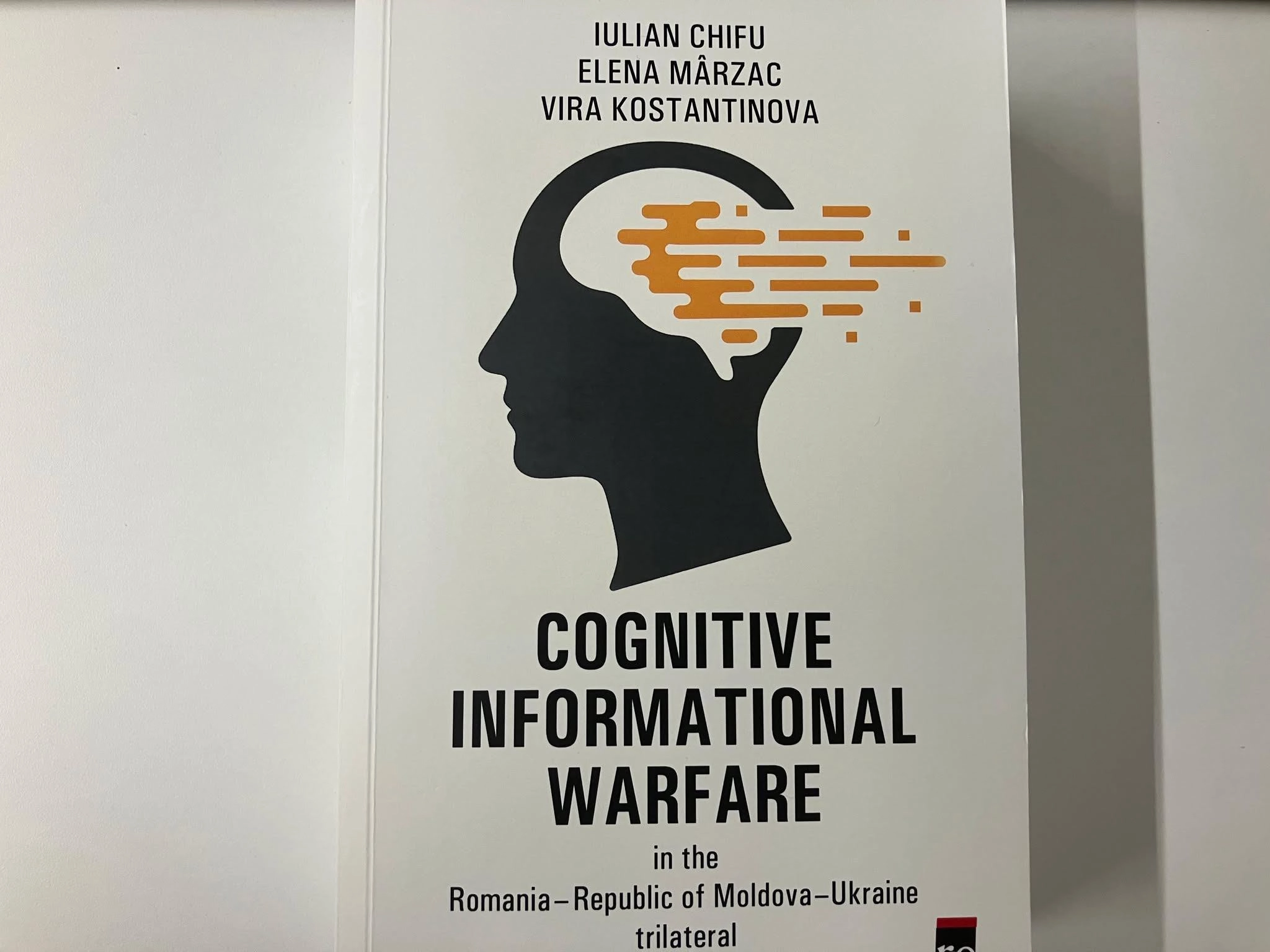
In the book, Chifu and his colleagues emphasize that Russian propaganda has long ceased to be merely a tool of agitation but has become a full-fledged weapon that targets entire societies and aims to undermine democratic institutions, stability, and people’s confidence in themselves.
Russia Disguises Fuel Trucks as Milk Tankers to Reach Crimea
Kyiv Post: What can you tell us about it in Romania and Moldova? What are the main features of Russian propaganda that Westerners, especially in the English-speaking world, should understand?
Professor Dr. Iulian Chifu: It’s not only propaganda anymore. We are looking at the first generation of cognitive informational warfare.
This goes far beyond traditional propaganda. What we know is that it works to erode and break societal cohesion. It does this through fragmentation and polarization within society, using the capabilities and means available to achieve these goals.
Once again, it’s not only about the old forms of propaganda, active measures, “dezinformatsiya,” and so on. It is far more sophisticated. It includes psychological operations and false narratives.
For instance, information warfare directly targets individuals in order to change their decisions, corrupt their knowledge, and manipulate their references and perceptions.
What can our Western partners and allies learn from this?
I think that at this point they have already learned a great deal of what we knew.
Unfortunately, they began to react very late. Originally, information warfare was considered marginal and not particularly important.
However, it proved to be a force multiplier. It turned out to be far more significant when it comes to mobilization and the capacity to defend citizens, territory, and democratic institutions.
They are completely attacking our societies, and that makes all the difference.
Why is this so dangerous for democratic societies?
It’s dangerous because democratic societies cherish precisely the values that are being targeted.
We are the ones who value freedom of expression. We are the ones who protect the right to assemble, protest, and participate in public life.
These freedoms are being used as vulnerabilities by democratic societies’ adversaries.
For this purpose, Russia has developed instruments that exploit vulnerabilities rooted in the very principles democratic societies are committed to defending.
They abuse these principles, liberties, and human rights in order to place individuals in a position where they support Russia’s aims and objectives.
Please tell us more about what you call the mirror effect. When you blame somebody else for what you yourself are doing. Why does it work for Russia, for example, when it accuses Ukraine of bombing cities while Russia is actually bombing them?
Well, I don’t think it’s fair to say that it works for those who are directly involved.
It doesn’t work very well either for the perpetrator or for the victim, because both sides know what is actually happening.
“At some point, people become confused. They don't know what to think or what to believe.”
However, it can work on third parties. It can work on people who are far removed from the conflict and less interested in the details.
But where do these kinds of labels and narratives play a role?
What they are actually doing is turning the mirror upside down. They project onto their enemy, onto the victim, exactly what they themselves are doing.
They claim that the situation has been created by the victim for its own advantage. Or, if it’s not possible to completely reverse the story, they create confusion.
When you introduce numerous narratives, alternative explanations, and subtle variations between them, it becomes much more difficult for people to make sense of reality.
For the average citizen, this can become overwhelming. At some point, people become confused. They don’t know what to think or what to believe.
This is also part of cognitive informational warfare.
Some people in Ukraine say that the main goal of Russian propaganda is to create an atmosphere of nihilism – the feeling that everybody lies, everybody spreads propaganda, and nobody can be trusted. A sense of frustration.
When you have a population that does not have strong beliefs, does not believe in itself, does not believe in its community, and lacks confidence in its identity, then such tactics can be effective.
People may not know who they are or what their identity is.
So it doesn’t work?
For people who have strong convictions, who know who they are, understand their identity, and know their history, it is very difficult to turn things upside down.
For less educated groups within society, for those who have fewer resources and fewer arguments to rely on, these tactics may have an influence and an impact.
You can also highlight the text and press Ctrl + Enter