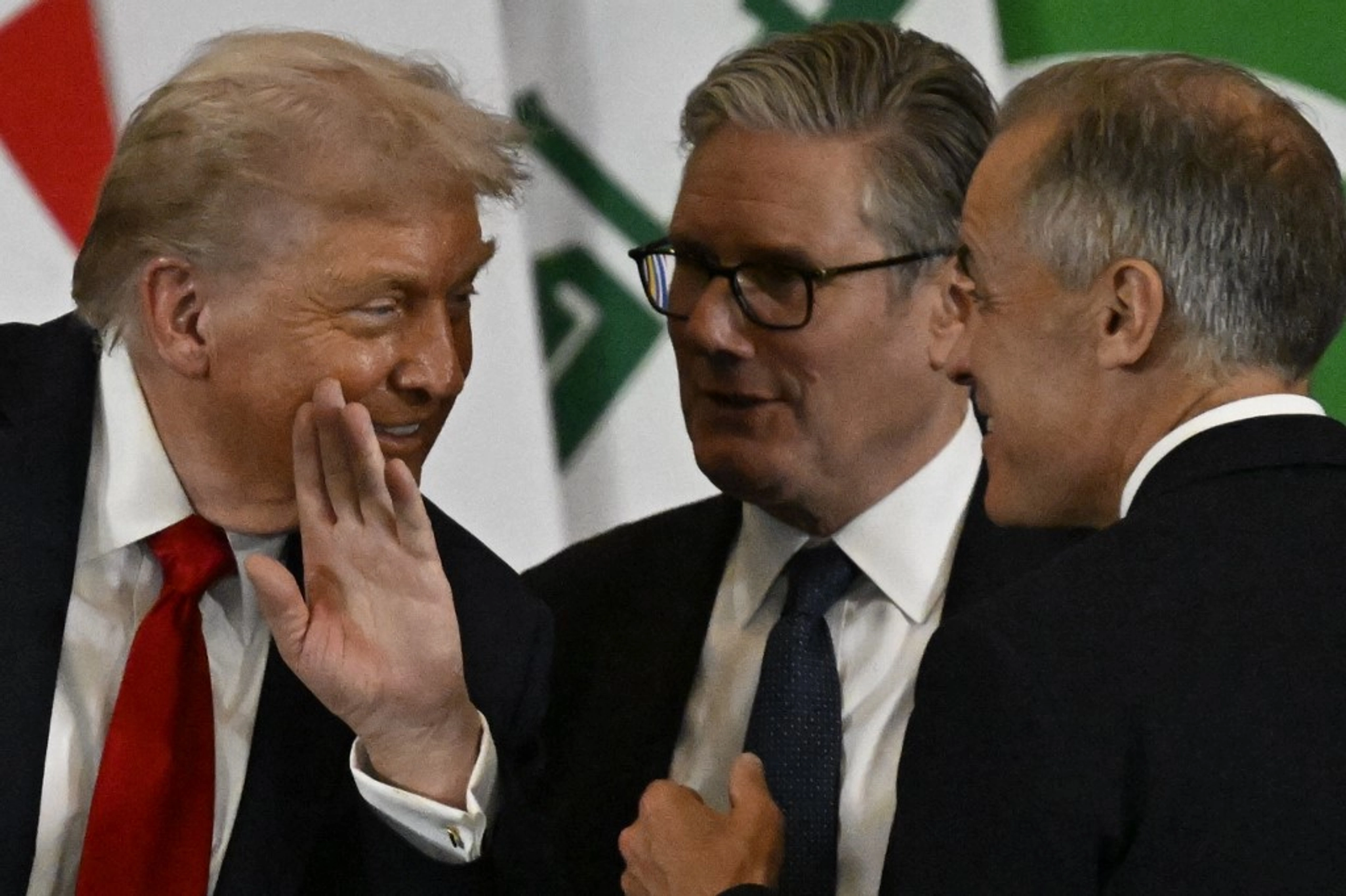
The Group of Seven (G7) summit in Evian-les-Bains, France, is poised to host discussions on the future of the war in Ukraine.
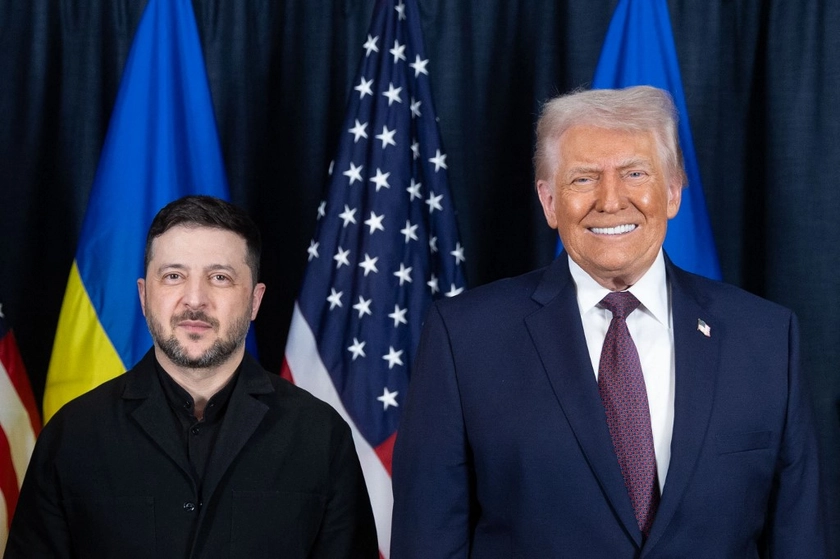
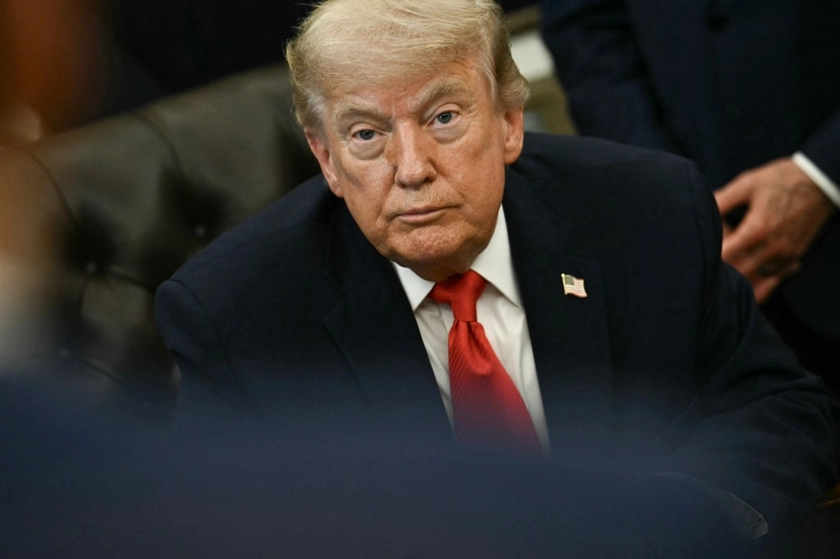
Gathering from June 15 to 17, world leaders will focus on a new diplomatic push, bringing both US President Donald Trump and President Volodymyr Zelensky to the table to deliberate the framework for potential peace negotiations with Russia, Suspilne reported.
JOIN US ON TELEGRAM
Follow our coverage of the war on the @Kyivpost_official.
The ‘five-point’ framework and a new diplomatic window
European leaders believe that the battlefield dynamics and macroeconomic pressures have shifted, creating an opening for diplomacy.
“Today, Ukraine is in a new position of strength. Russia cannot win militarily, and its economy is struggling,” a German government source explained. “Therefore, for the first time, a window of opportunity for diplomacy may be slowly opening.”
During a recent meeting in London, the E3 nations (UK, France and Germany) worked alongside President Zelensky to formulate a five-point basic plan for war settlement.
While the details of the five points remain classified, background reports indicate the European proposal hinges on an immediate ceasefire along the current front lines and long-term security guarantees for Ukraine backed by a multinational force.
European leaders are intent on securing Trump’s backing for these points, believing a unified US-European front could significantly increase pressure on Moscow to enter genuine negotiations as early as next month.
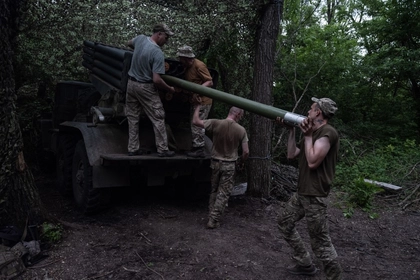
Despite strikes on Ukraine, Russian advances slow, analysts say
Who speaks for Europe?
While the most realistic format for future peace talks is currently outlined as “Ukraine, Russia, the US, and Europe,” structural disagreements remain. German sources indicated that evaluating “how close Europe and the US are” is a top priority, but the most complex issue is deciding who will hold the mandate to speak on behalf of the European continent.
Diplomats stress that the European delegation must balance two competing needs the negotiating format cannot be too large or convoluted, requiring a streamlined group of representatives, as well as any decisions made must be closely coordinated with and approved by Ukraine, the US, and the broader bloc of European partners.
Due to these unresolved logistical and political hurdles, sources caution that a definitive, finalized agreement on the new peace initiative is unlikely to be reached between the G7 nations and Ukraine during the Evian summit itself.
Zelensky’s strategic push for guarantees
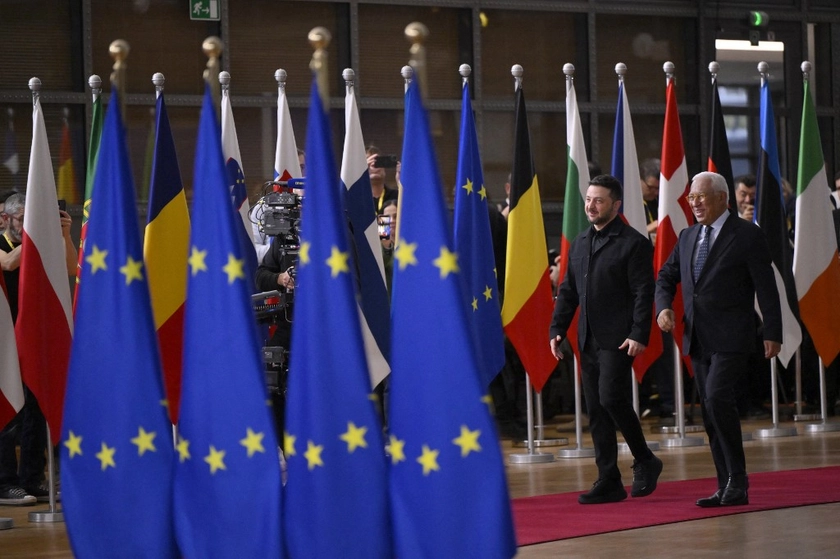
President Zelensky is scheduled to join the G7 leaders on Tuesday morning, June 16, for a dedicated session on Ukraine. French President Emmanuel Macron emphasized that Zelensky’s participation is vital to “restore the rapprochement of positions in the G7” at a time when Western unity has shown signs of strain.
Ahead of the summit, Zelensky has actively stepped up his diplomatic engagements. He recently held a “very substantive” coordination call with Macron and engaged in high-level discussions with US presidential envoys Steve Witkoff and Jared Kushner.
By engaging both European and American leadership, Kyiv is attempting to ensure that any potential ceasefire framework does not compromise its sovereignty or its demand for ironclad security guarantees.
You can also highlight the text and press Ctrl + Enter