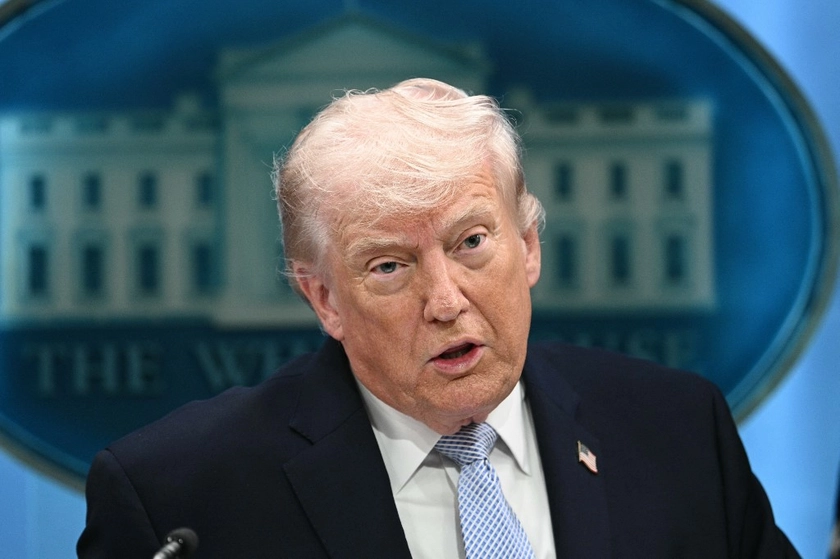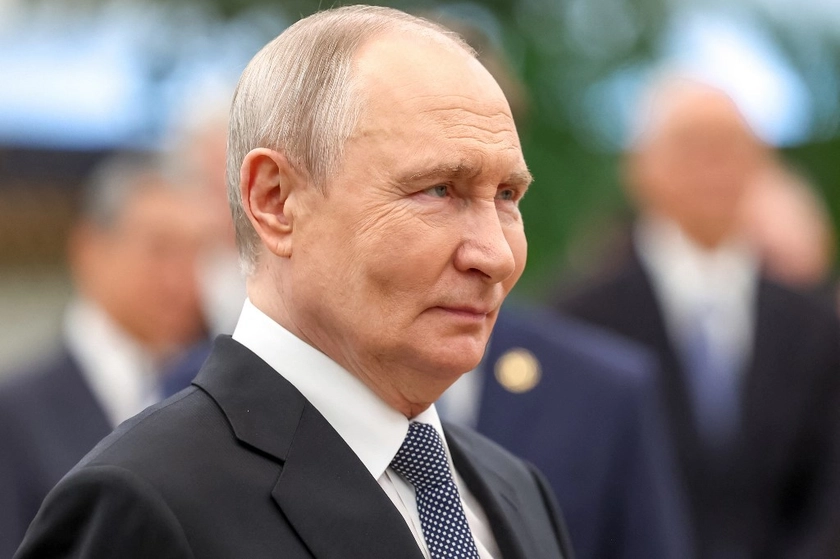
European leaders will seek to convince US President Donald Trump to support a new diplomatic effort aimed at restarting peace negotiations between Ukraine and Russia during next week’s G7 summit, according to a Bloomberg report.
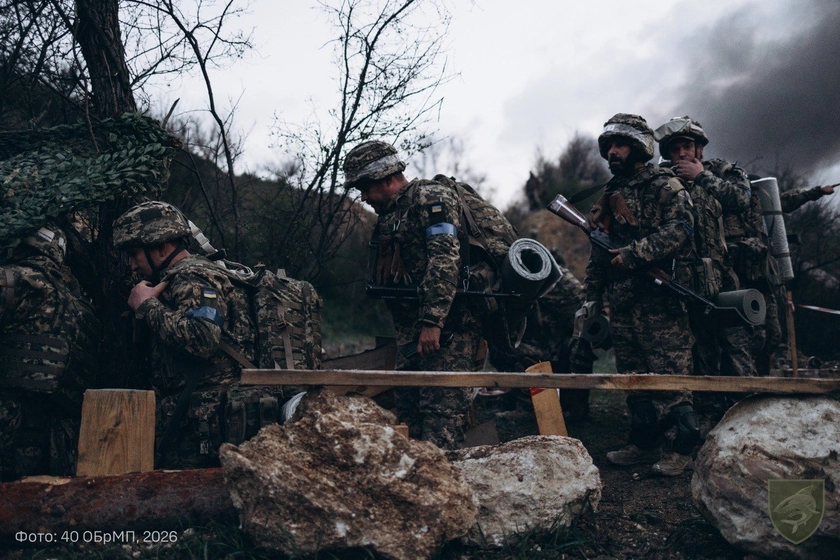
Bloomberg on Thursday, citing people familiar with the discussions, reported that Britain, France and Germany believe the momentum of the war has shifted in Ukraine’s favor.
JOIN US ON TELEGRAM
Follow our coverage of the war on the @Kyivpost_official.
Thus, creating an opening for a new round of talks that would move beyond proposals discussed during Trump’s summit with Russian President Vladimir Putin in Alaska last year.
The three countries, often referred to as the E3, are reportedly seeking Trump’s backing for a proposal that would begin with an immediate ceasefire along the current front line and include security guarantees for Ukraine supported by a multinational force.
Europe seeks larger role in negotiations
The proposal was outlined in a joint statement issued by the leaders of Britain, France, Germany and President Volodymyr Zelensky following talks in London on Sunday.
According to Bloomberg, European leaders believe securing Trump’s support could increase pressure on Moscow to enter negotiations and potentially pave the way for talks as early as next month.
The initiative comes as US-led diplomatic efforts have largely stalled while Washington focuses increasing attention on the conflict involving Iran.
Officials cited by Bloomberg said the E3 countries also see an opportunity for Europe to play a more influential role in shaping future negotiations.
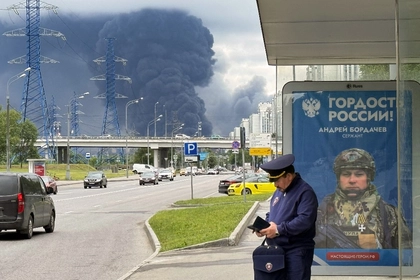
Ukrainian Missile Campaign Now Reaches Across Half of Russia
Russia remains opposed to key proposals
In the past, Putin has rejected calls for an immediate ceasefire, arguing that a pause in fighting would allow Ukraine to regroup and strengthen its military.
He has also opposed the deployment of European troops to Ukraine as part of any future security arrangement.
Moscow continues to insist that Ukraine surrender territory in the Donetsk region claimed by Russia, a condition Kyiv has repeatedly rejected.
Last week, Putin criticized European leaders’ attempts to mediate the conflict, arguing they were openly aligned with Ukraine.
The Kremlin leader also dismissed Zelensky’s proposal for direct talks, describing an open letter from the Ukrainian president as “rude” and unsuitable for arranging a personal meeting.
New sanctions under discussion
As part of broader efforts to pressure Moscow, Britain and the EU are reportedly preparing additional sanctions measures that could be introduced in the coming weeks.
European officials are also seeking to avoid a repeat of last winter, when Russian strikes on energy infrastructure left millions of Ukrainians facing prolonged power and heating outages.
Speaking in Helsinki on Wednesday, Finnish President Alexander Stubb said Ukraine currently holds a stronger position than many observers recognize.
“Ukraine’s in a position of strength now militarily, politically, and economically,” Stubb said. “It’s high time for Europe to reach out to Putin.”
Stubb added that European countries need to coordinate closely and present a unified approach led by major powers including France, Germany and the UK.
You can also highlight the text and press Ctrl + Enter