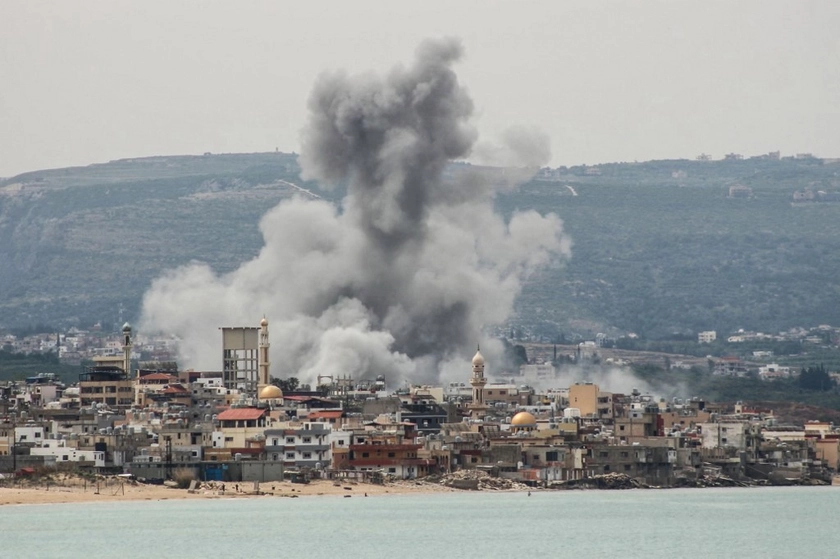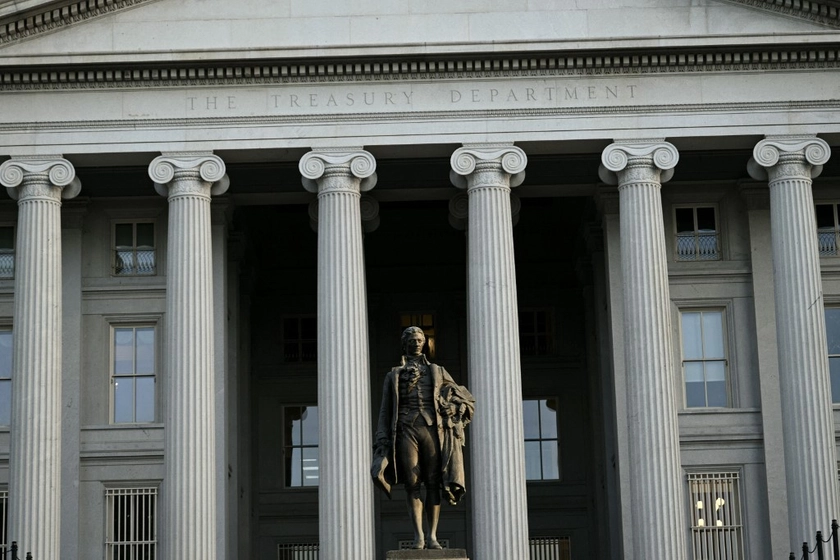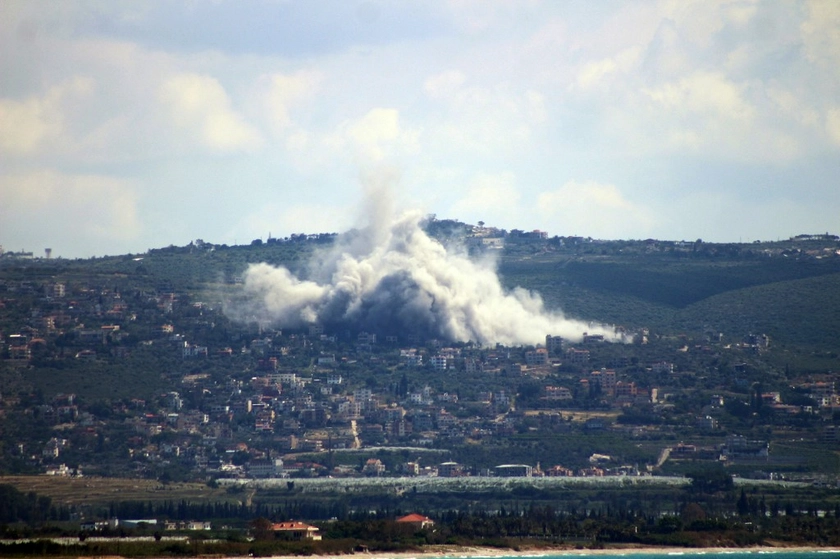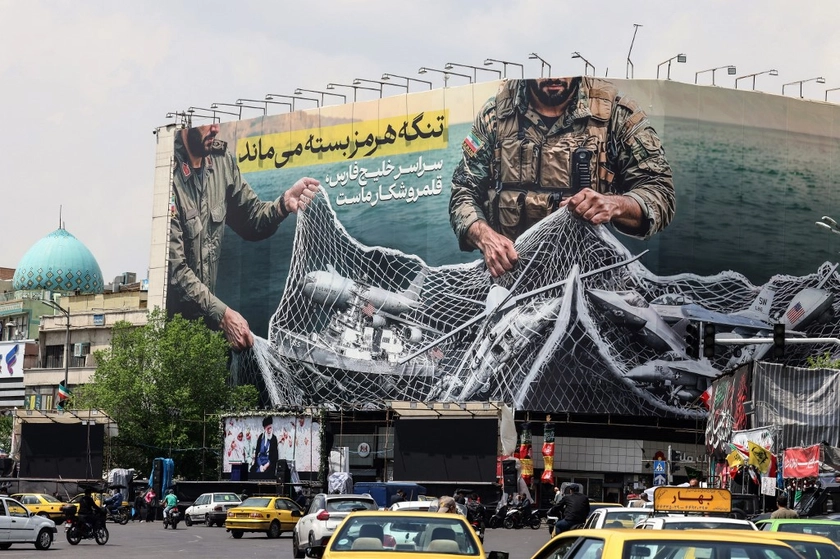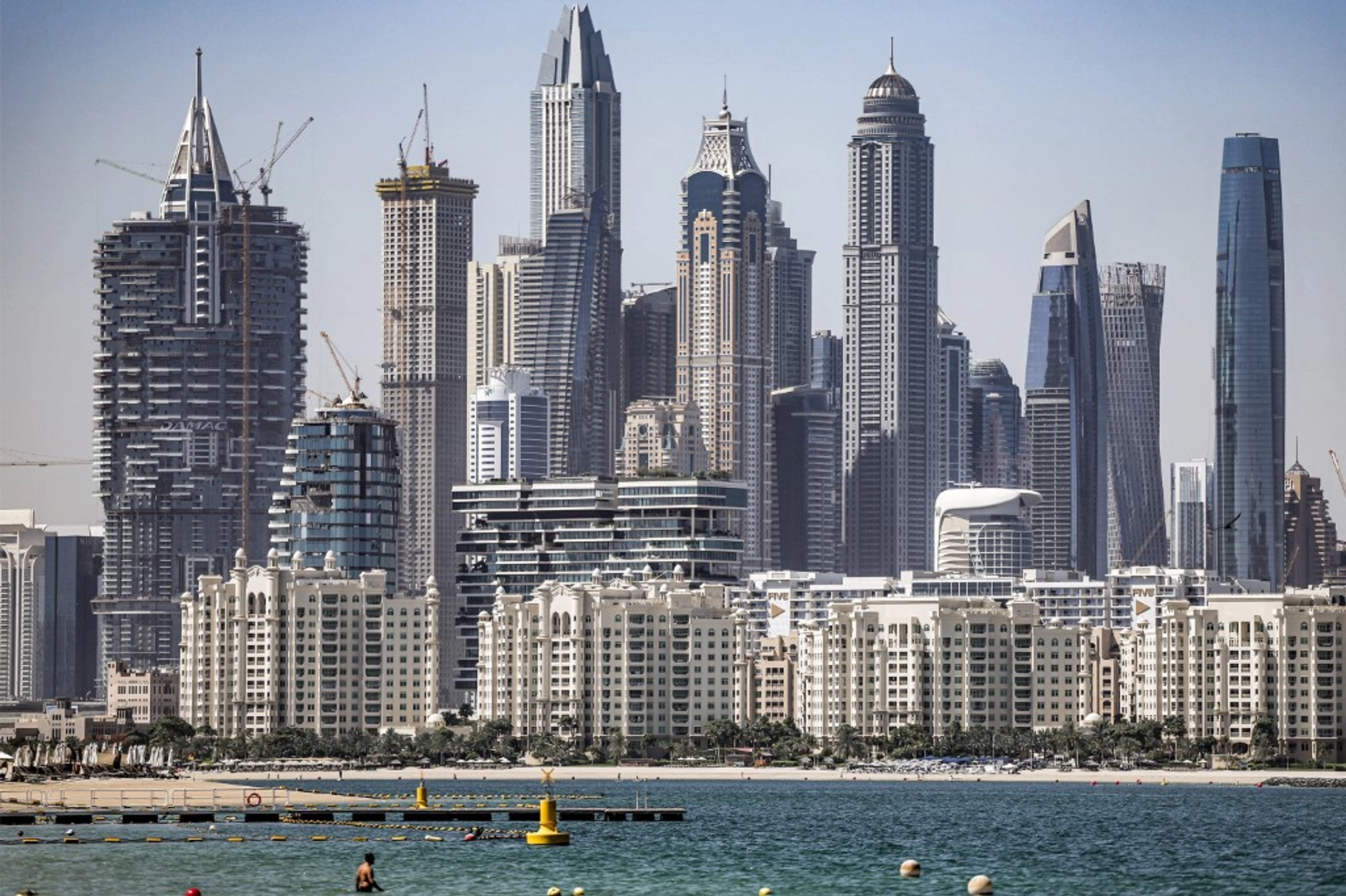
The United Arab Emirates (UAE) is prepared to release billions of dollars to Iran in a sweeping financial maneuver intended to defuse intense geopolitical volatility across the Middle East and safeguard global energy shipping lanes, Reuters reported.
A multi-billion dollar security premium
Abu Dhabi has agreed to a framework that could unblock between $10 billion and $20 billion for Tehran. Sources close to the matter reveal that the initiative is already active, with upwards of $3 billion reportedly transferred to Iranian channels.
JOIN US ON TELEGRAM
Follow our coverage of the war on the @Kyivpost_official.
The cash injection is strategically timed to coincide with the highly sensitive, final phases of broader bilateral negotiations between the US and Iran to bring an end to their months-long conflict. The arrangement focuses on unfreezing massive tranches of Iranian oil revenues that have been locked up in foreign banking institutions under the weight of primary US sanctions.
While the exact mechanics of the transfer remain classified, officials could not definitively clarify whether the funds originate directly from Emirati state coffers, frozen Iranian accounts within the UAE banking system, or alternative international accounts.
The underlying transaction functions as a direct security trade-off. In exchange for the financial windfall, Tehran is expected to permanently cease its ongoing ballistic missile and one-way drone attacks directed at Emirati territory and infrastructure. Responding to the disclosures, Abu Dhabi released an official statement reaffirming that its contemporary foreign policy remains rigidly focused on regional de-escalation, the reduction of operational tensions, and the active preservation of regional peace.
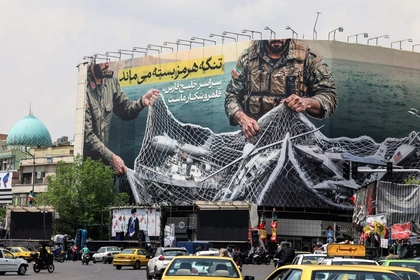
US and Iran Trade Strikes, Accuse Each Other of Ceasefire Violations
The face-saving diplomatic equation
Diplomatic observers note that the complex financial architecture of this deal provides an elegant, face-saving exit strategy for all three major stakeholders involved in the broader peace process.
Iran can publicly frame the multi-billion dollar influx as a mandatory extraction of wartime reparations and compensation for economic damages inflicted by Western policies.
The Trump administration can confidently assert to domestic voters and lawmakers that Washington did not authorize any direct taxpayer payouts or concessions to Tehran to achieve a ceasefire. The Emirates can purchase a binding non-aggression guarantee from Iran, neutralizing a direct threat to their domestic infrastructure and commercial centers.
Securing the Strait of Hormuz
A fundamental pillar undergirding the asset release is the guarantee of unhindered transit through the Strait of Hormuz – the world’s crucial maritime bottleneck for global energy markets.
The necessity of a diplomatic breakthrough in the waterway was underscored just hours prior to the financial disclosure, when US Central Command (CENTCOM) confirmed that US naval assets had to forcefully intercept a swarm of Iranian one-way attack drones deliberately targeting commercial merchant ships transiting the chokepoint.
The drone raid functioned as a sharp, kinetic enforcement of declarations made by Iranian Foreign Minister Abbas Araghchi, who asserted that Tehran and Oman hold absolute, exclusive sovereign control over the Strait, explicitly ruling out any future US or Western-led maritime policing frameworks.
The maritime violence and subsequent financial negotiations highlight the immense friction shadowing President Donald Trump’s recent public declarations. Trump recently told a telerally audience that Washington had successfully “ended the war” via a “very strong memorandum of understanding” that barred Iran from achieving nuclear weapons capabilities.
Iranian Foreign Ministry spokesperson Esmail Baghaei swiftly dismissed the White House narrative as premature “speculation,” noting that a final treaty text had not been ratified by Iran’s strategic leadership.
While the US military maintains its naval blockade on Iranian oil hubs like Kharg Island as leverage, the UAE’s multi-billion dollar financial intervention appears designed to bridge the gap between Trump’s diplomatic ambitions and Iran’s rigid security demands, creating a financial corridor to transition a volatile wartime truce into a lasting regional settlement.
You can also highlight the text and press Ctrl + Enter