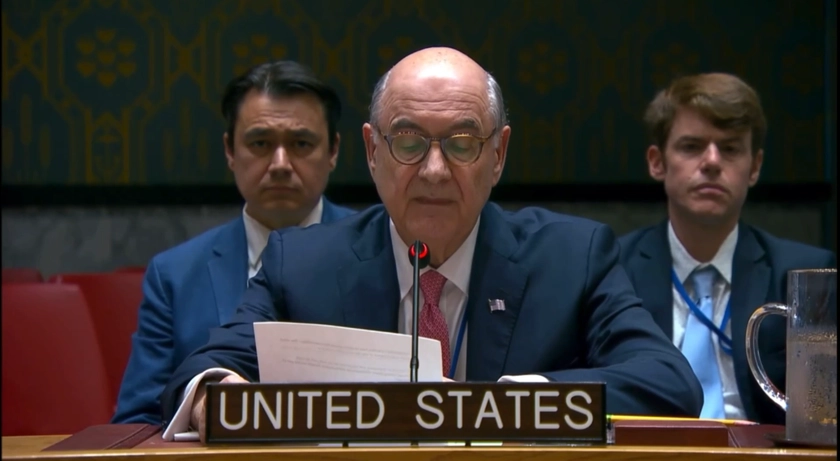
Israel has agreed to withdraw its military forces from two designated areas in southern Lebanon and transfer control of the sites to the Lebanese Armed Forces.
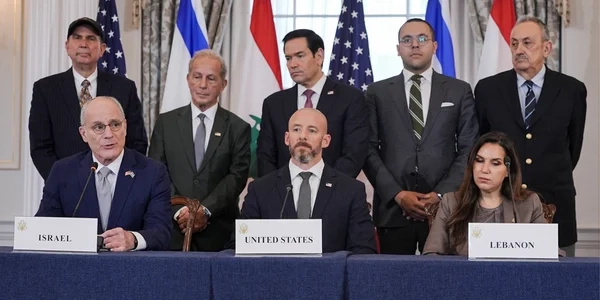
The withdrawal is part of a new trilateral agreement signed by Israel, Lebanon, and the US following four days of negotiations in Washington, CNN reported.
JOIN US ON TELEGRAM
Follow our coverage of the war on the @Kyivpost_official.
Israeli Prime Minister Benjamin Netanyahu announced the development late Friday, stating that the Israel Defense Forces (IDF) will pull back from one area located north of the Litani River and a second area to the south.
In a pre-recorded video address, Netanyahu characterized the withdrawal as a tactical adjustment, noting that the IDF is leaving sites it “does not need.” However, he also described the trilateral deal as a significant victory that allows Israeli forces to maintain their presence in the majority of the occupied territory in southern Lebanon until the Hezbollah militant group is disarmed.
“This is also a major blow to Iran,” Netanyahu stated. “Iran is trying to force us into a withdrawal from southern Lebanon by force. In effect, Israel, Lebanon, and the US are telling them: this is none of your business.”
A step toward broader peace
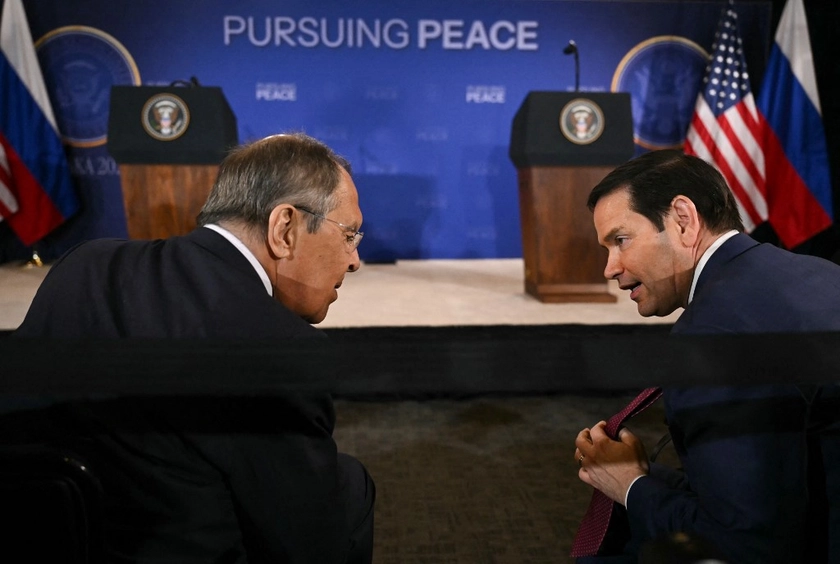
The negotiations, hosted by the US State Department, represent a push by the Trump administration to forge a broader, lasting peace agreement between Israel and Lebanon – two nations that have never maintained formal diplomatic relations.
US Officially Sides With Ukraine, Macron Says
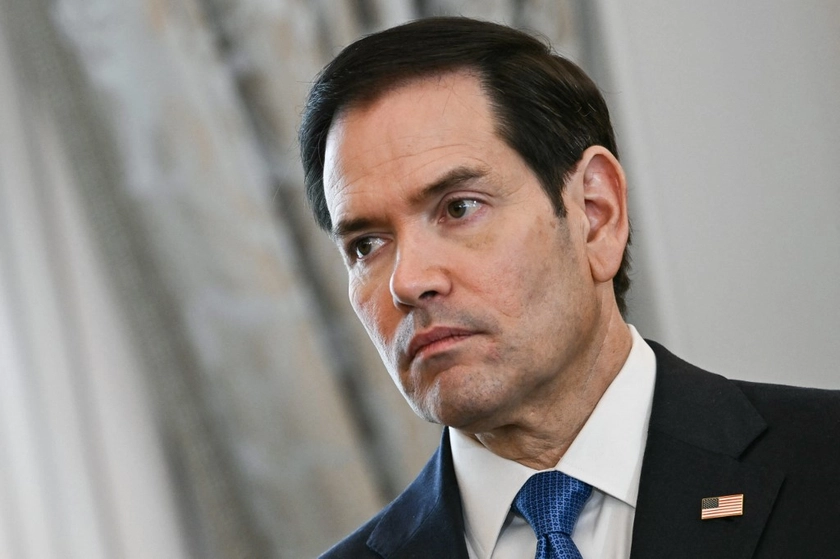
US Secretary of State Marco Rubio presided over the signing ceremony, emphasizing the historic nature of the accord while acknowledging the challenges ahead.
“Today is the ‘beginning of the beginning’,” Rubio said. “There’s a lot of work ahead. We don’t, in any way, underestimate the difficulty of the task ahead. But we understand the importance of it, how vital it is. The people of Lebanon and Israel deserve to live in peace and security, but have long suffered from conflict.”
Lebanon’s Ambassador to the US, Nada Hamadeh Moawad, lauded the agreement, calling it the “first step on the road to restoring Lebanese sovereignty and territorial integrity.”
Lebanese President Joseph Aoun also issued a statement thanking the US administration for its mediation. Aoun stated the deal would enable the Lebanese people to return to fully liberated land under the exclusive sovereignty of the Lebanese state, an apparent reference to the influence of Iran and Hezbollah.
The deployment of the Lebanese Armed Forces into the vacated areas will serve as a pilot program tied to the recently negotiated ceasefire between Israel and Lebanon.
Domestic and regional opposition
The agreement has drawn condemnation from Hezbollah, the Iran-backed militant group that holds significant political and military power in Lebanon.
Hassan Fadlallah, a Hezbollah representative in the Lebanese parliament, publicly rejected the direct negotiations with Israel. Speaking to the pro-Hezbollah Al-Mayadeen news network, Fadlallah demanded that the Lebanese government retract the agreements, declaring, “Whoever shakes hands with the enemy is a criminal like them.”
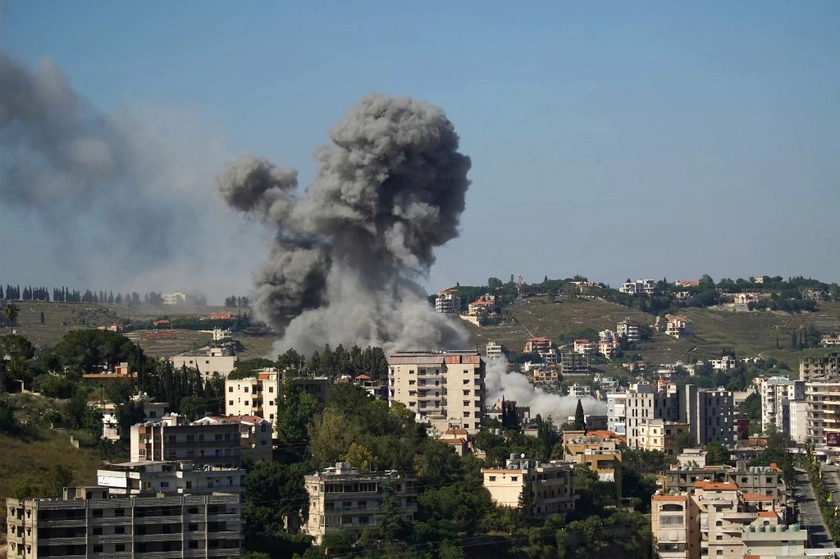
The diplomatic breakthrough follows a period of intense regional volatility. Last week, a preliminary ceasefire agreement between the US and Iran aimed at halting the multi-front Middle East conflict was tested by renewed Israeli strikes in Lebanon.
Despite the sporadic violence and the temporary postponement of follow-up talks in Switzerland, US mediators have continued to press for localized agreements to de-escalate the immediate border conflict between Israel and Lebanon.
You can also highlight the text and press Ctrl + Enter

Iran Announces Closure of Strait of Hormuz