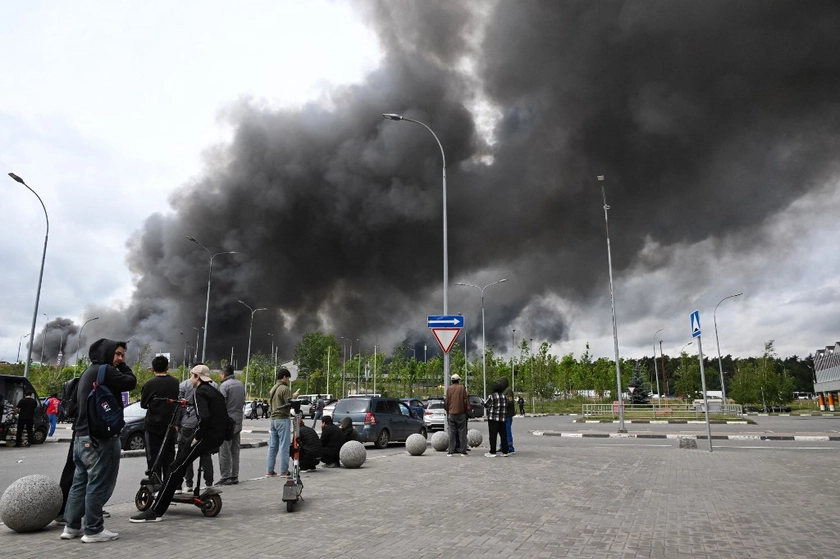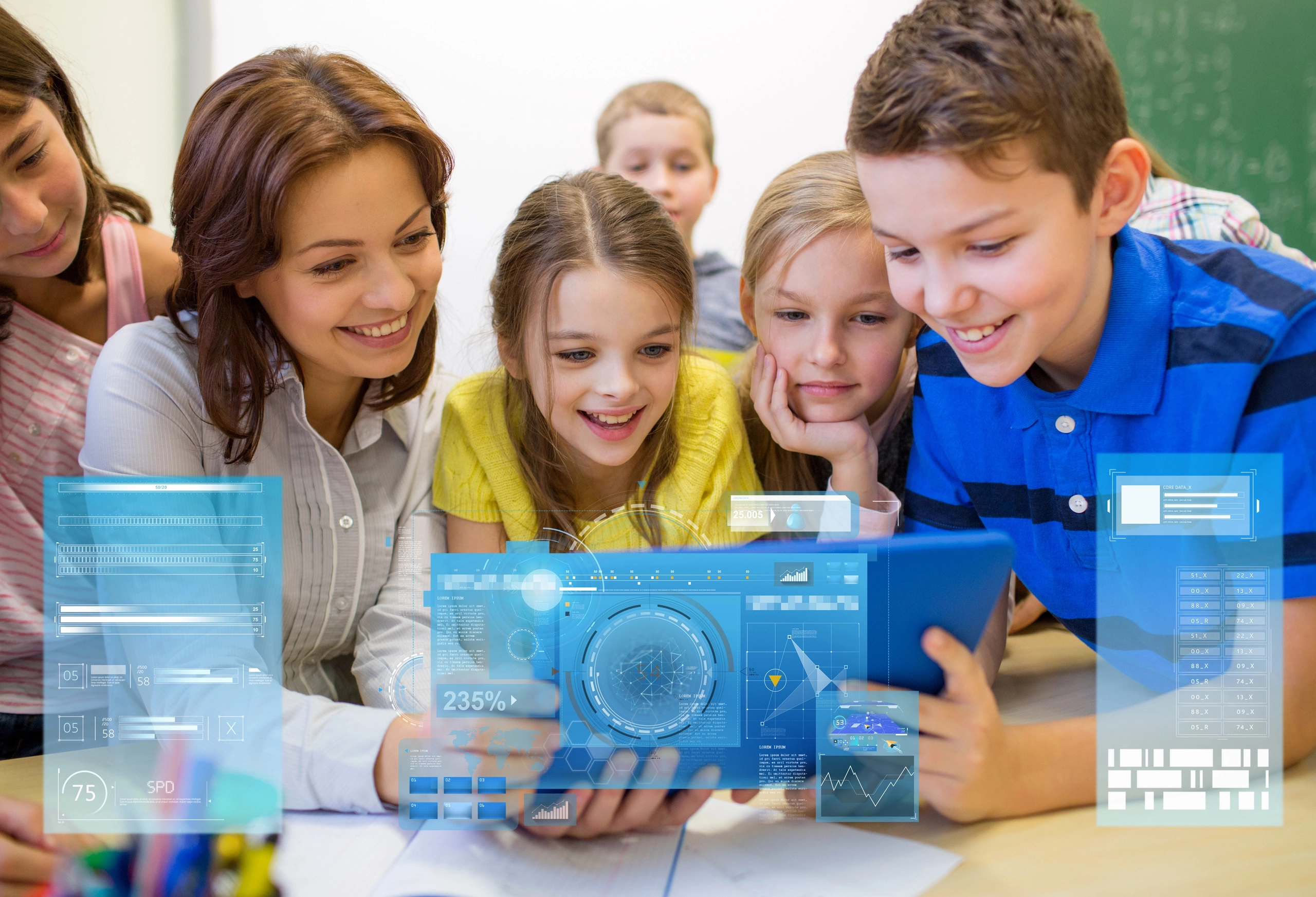
Just as Ukrainian businesses shifted to digital rails under ultra-harsh conditions, the domestic education system is successfully integrating tools that make the learning process mobile. Online education in Ukraine has long ceased to be a temporary “forced measure” or a palliative makeshift from the pandemic era. It is a complex, flexible ecosystem that ensures the continuity of learning during shelling, air raids, and blackouts.
Within the Multi-Year Resilience Programme (MYRP), digitalization has become one of the primary tools for overcoming learning loss and maintaining a connection to the Ukrainian context for hundreds of thousands of schoolchildren.
JOIN US ON TELEGRAM
Follow our coverage of the war on the @Kyivpost_official.
How many children in Ukraine are studying in person and remotely: the realities of wartime
As of May 1, 2026, according to the Ministry of Education and Science (MoES) of Ukraine, the total number of students in institutions of general secondary education in Ukraine stands at 3,582,340. The breakdown by format clearly demonstrates how vital the digital infrastructure has become for maintaining the educational process and addressing learning gaps:
- In-person learning (standard mode): 2,338,924 students;
- Blended learning: 555,892 students;
- Remote (distance) learning: 285,162 students.
In addition, over 300,000 Ukrainian children remain abroad (Ministry statistics indicate the exact figure is 315,441). For them, as well as for school-aged children in temporarily occupied territories, online learning remains the only bridge to the Ukrainian educational space. Consequently, the digital tools used in Ukraine’s education system serve an important social function. Naturally, the way these tools are used varies considerably depending on the age of the children.
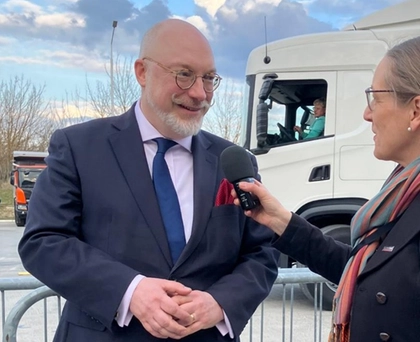
‘It Takes a Long Time to Build a Railway, So Truck Transport Became Very Important’ – Scania Ukraine CEO
For children in primary school (ages 6–8), the main challenge is adapting to structured learning under stressful conditions. Younger students cannot maintain focus on a screen for extended periods, meaning learning needs to be interactive and play-based.
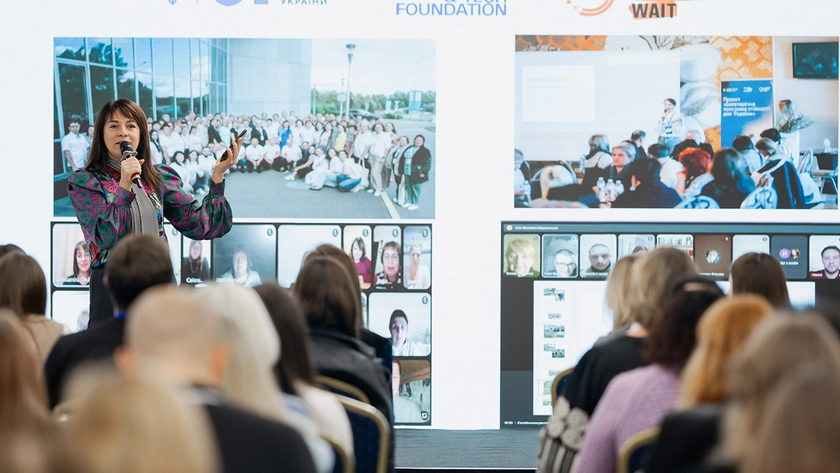
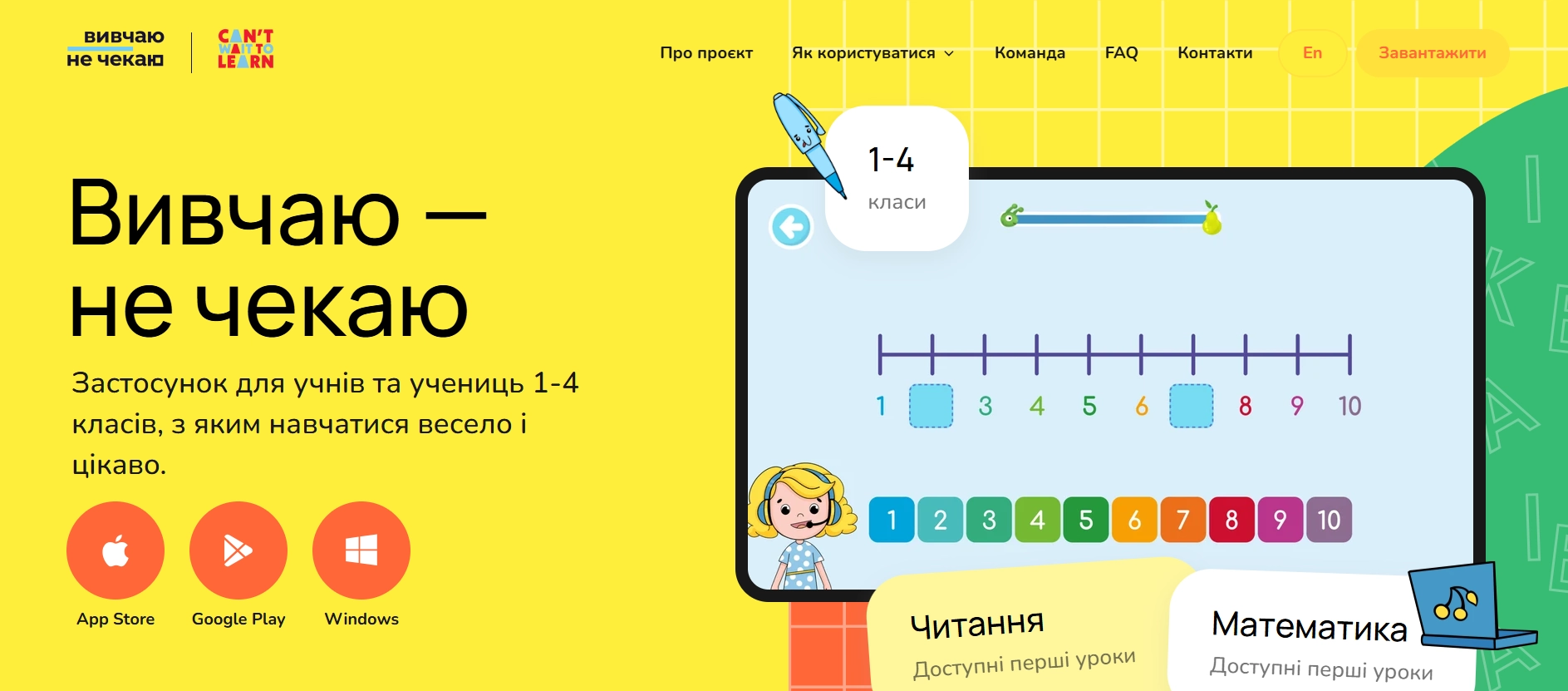
One effective solution developed under the MYRP framework is the mobile application “I’m learning – not waiting” («Вивчаю не чекаю»), created by the “Osvitoria” («Освіторія») non-governmental union in partnership with War Child, which is currently transferring its ownership rights to Ukraine. The app is designed to teach children Ukrainian language, literature, and mathematics. The app allows children to learn through engaging educational video lessons, while interactive mini-games help reinforce what they have learned.
All topics and exercises follow the curriculum approved by the Ministry of Education and Science and were developed by Ukrainian teachers and education specialists. Its main advantage is that content can be downloaded in advance. Under the MYRP program, primary school teachers in frontline regions received training to promote the app’s utilization and to instruct educators on how to apply it during lessons, for homework, and over school holidays.
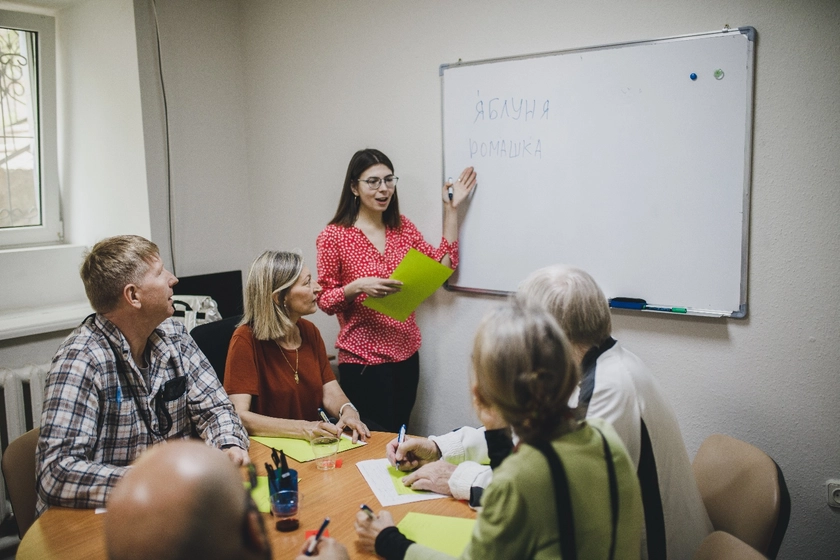
For middle and high school students, the All-Ukrainian School Online (“Всеукраїнська школа онлайн – AUSO“) has become a unique part of Ukraine’s educational infrastructure. Each short lesson (7–12 minutes) is the result of an entire team’s effort, adapted for children with special educational needs and aligned with standardized testing requirements. Modern educational videos reflect the way teenagers consume media: it is fast-paced, brief, and clearly structured.
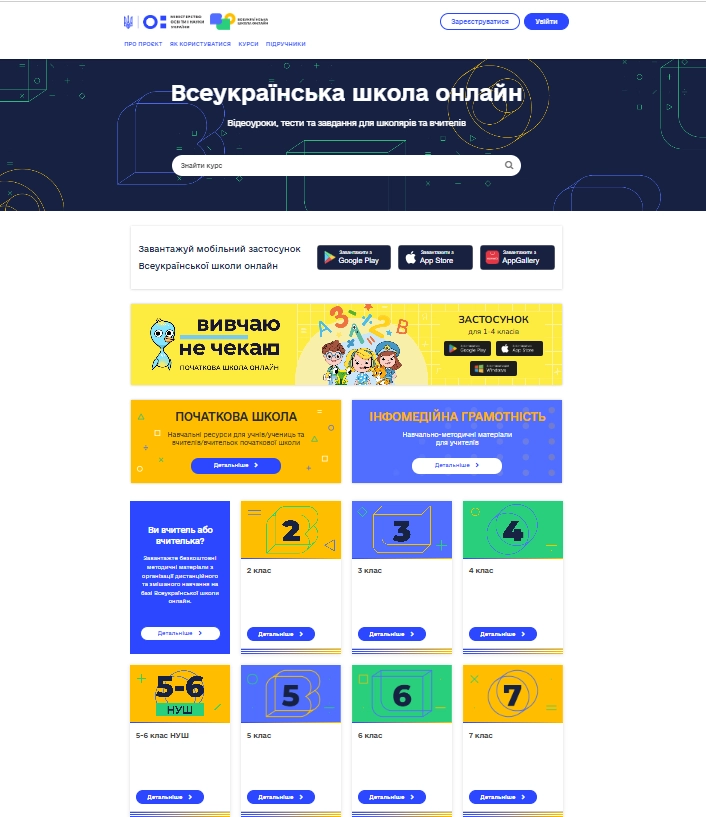
As noted by Olha Demyanko , project implementation manager at the PU “Osvitoria”, gamification, interactive training, and professional video lessons are the key to making online learning engaging for children who are exhausted by the war. However, she also emphasizes:
“Education should not turn into an endless stream of TikTok-style videos. But it must understand children’s media habits. A modern educational video must be short, visually clean, fast-paced, without redundant introductions, and with a clear structure: problem — explanation — example — task — check.”
Closing learning gaps through tutoring: the experience of “Teach for Ukraine”
Learning loss is one of the most severe consequences of the war for Ukrainian children. This issue is particularly acute in communities where there is a shortage of subject teachers or where schooling occurred remotely for extended periods. According to surveys conducted by the organization’s experts, 95% of educators note a decline in students’ academic outcomes after 2022.
This is precisely why the NGO “Teach for Ukraine” is actively expanding its “Educational Support” program, through which students in grades 5–10 receive free additional support in mathematics and the Ukrainian language via small-group tutoring. The approach is now being rolled out more widely across the education system. Notably, in collaboration with Diia.Osvita, the course “Tutoring at School” was created to help educators master tools for individualizing instruction, strengthen student motivation, and address learning gaps more effectively.
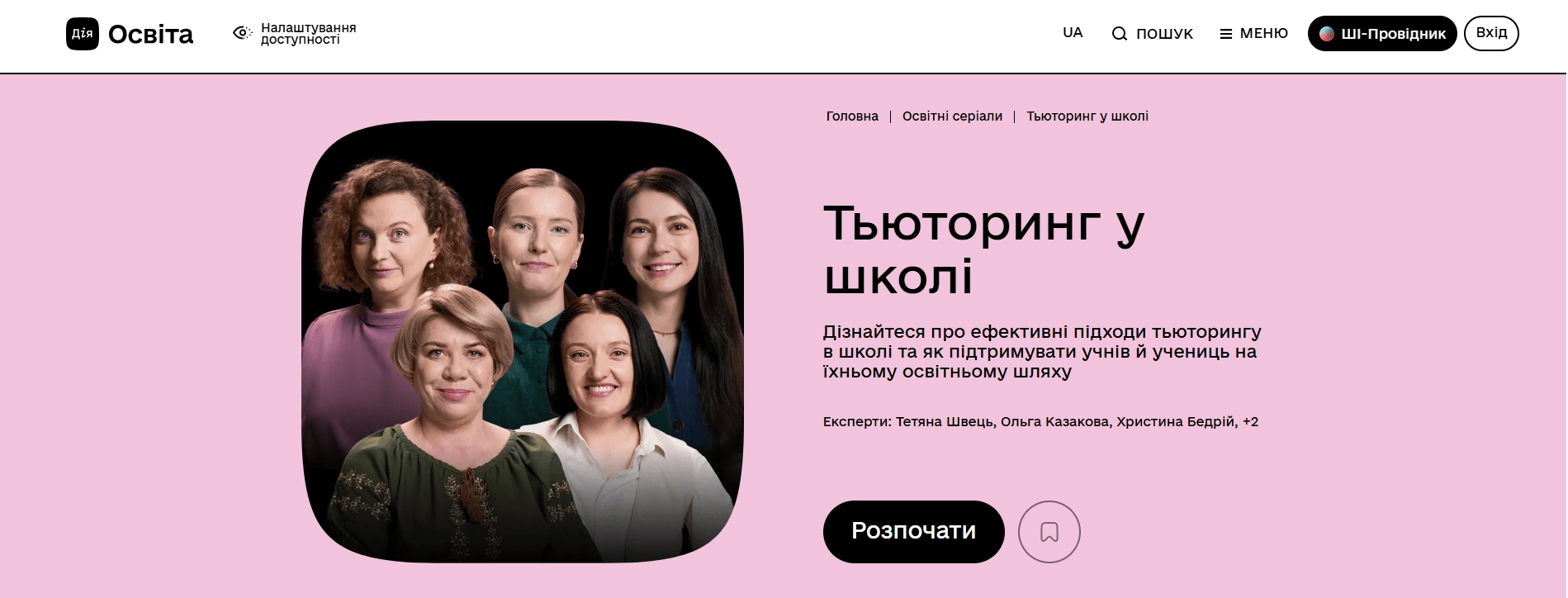
The organization’s experience clearly demonstrated that tutoring helps not only to pull up academic results but also to restore children’s self-belief and motivation to learn, which is no less critical than grades today.
“Digitalization allows us to reduce the dependence of educational quality on the place of residence of either the child or the educator. A teacher from a small community gains access to the exact same tools, training, and professional opportunities as a colleague from a regional center. It is uniquely important that digital solutions allow us to support educators in regions where access to in-person professional development is restricted due to the security situation. Within the MYRP program, we trained over 300 teachers in the basics of online tutoring, helping them implement an individualized learning approach and manage students’ learning loss more effectively,” Kseniia Kalyna, the project manager, noted in a conversation with Kyiv Post.
Attracting young teachers and rethinking teaching methods: where does digitalization fit in?
For young teachers, the digitalization of learning primarily offers an opportunity
to make a real difference in children’s lives while simultaneously gaining fresh experience. To help young educators start their careers with confidence, “Teach for Ukraine” runs the “Teachers for Teachers” program, where experienced educators mentor their younger colleagues. Additionally, the course “Class Challenge: The Beginning of Teaching” has been launched on the Diia.Osvita platform, providing practical tools for classroom management, building a safe educational environment, and interacting with parents.
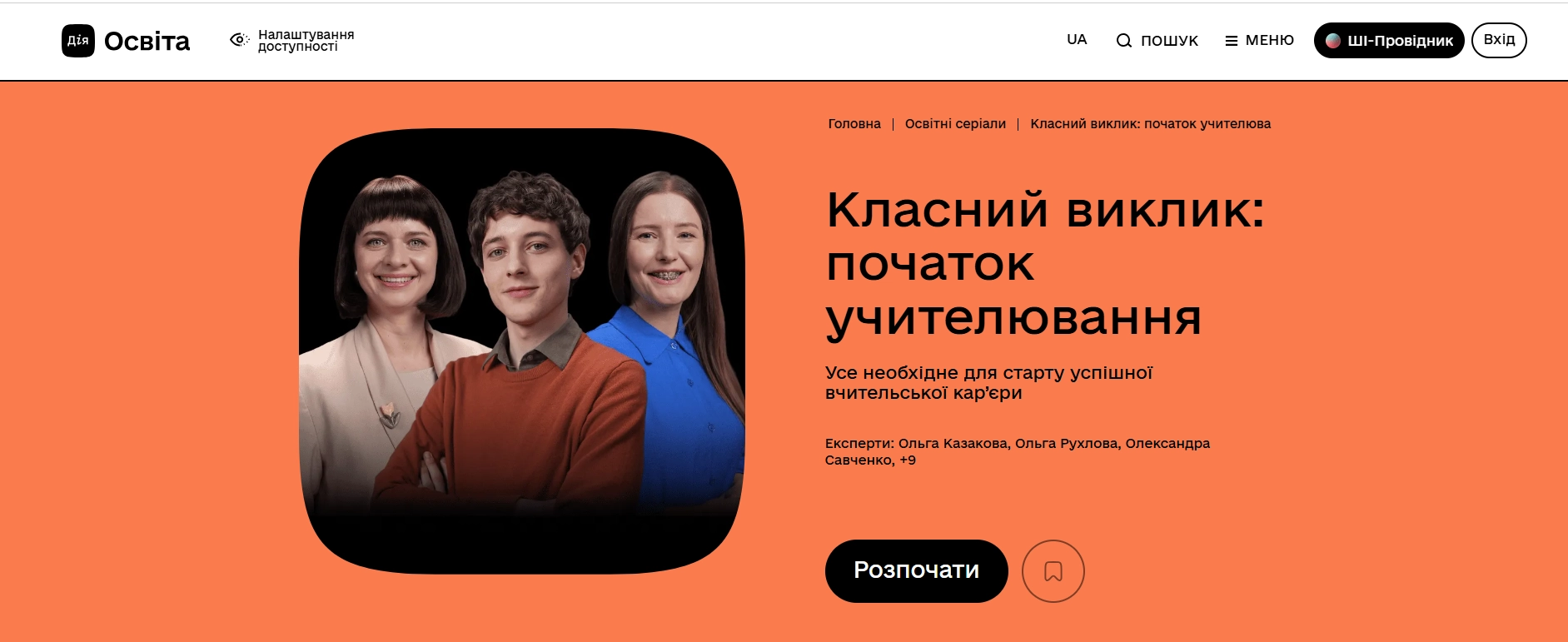
More often than not, young teachers face psychological rather than technical barriers: self-doubt, fear of their first teaching sessions, and working with children who have endured the traumatic experience of war. This is why peer support has become one of the programme’s most important elements.
“For us, digitalization is not just about technology. It is about equal access to quality education and professional development, regardless of whether a teacher works in a large city, a small community, or a frontline region,” emphasizes Kseniia Kalyna.
Overall, the shift to digital learning exposed two major challenges:
Technical challenges: a shortage of devices, unstable connectivity, and power outages.
Teaching-related challenges: the risk of reducing blended learning to little more than livestreaming a traditional classroom lesson over Zoom.
This is why one of the pivotal challenges of modern education is preparing teachers to design quality synchronous online lessons. Teachers had an opportunity to develop these skills through the “Resetting NUS (New Ukrainian School): Grades 1–4” project (“Перезавантаження НУШ: 1-4 класи“). More than 20,000 primary school teachers completed the programme. It featured the creation of two online courses, a methodological manual, and training sessions conducted across various regions of Ukraine.
“Blended learning is not about replacing teachers with screens, but a well-thought-out distribution of activities: what the child processes independently, what is done in a group, where practice is required, and where support is needed. When a teacher simply lectures kids in Zoom, the children get tired, and the educator burns out,” notes Olha Demyanko , project implementation manager at “Osvitoria”.
To turn online sessions into spaces that support students’ emotional well-being, rather than remaining little more than online lectures, the NGO sector is creating alternative ecosystems. A striking example is the “BELIEVE” (“ПОВІР”) platform by the NGO “EdCamp Ukraine”.
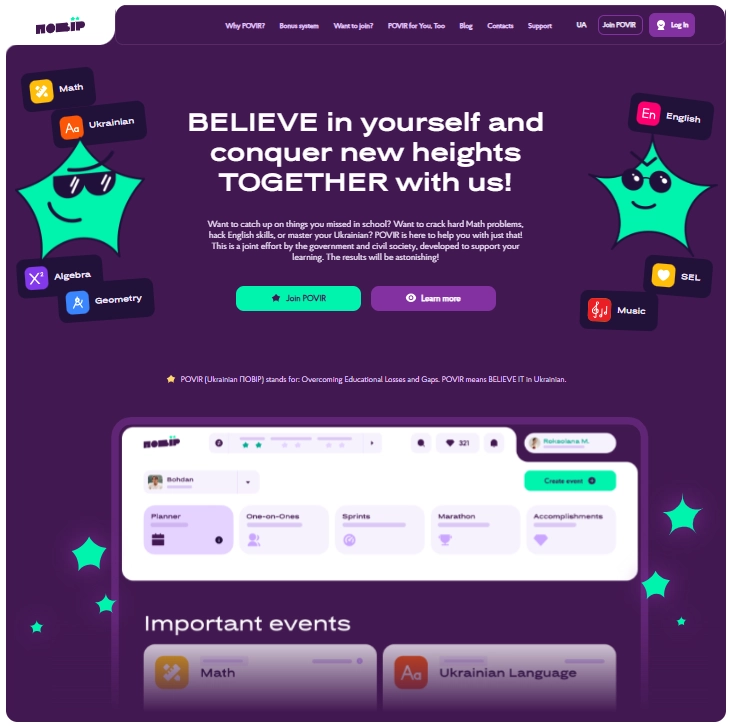
As the organization’s program director, Oksana Degtiarova, told us, an anonymous survey of teaching staff after eighteen months of piloting the project revealed that such work fundamentally changes the approach to interacting with children. Furthermore, the vast majority of teachers confessed that this experience strengthens their daily practice, rating its positive impact on their work in their regular teaching practice at an average of 4.4 out of 5 points.
“Teachers report that the project’s mission resonates with their values. Educators do not merely care about academic achievement; they learn to notice the child’s personality, their fatigue and fears, and to identify where children need additional support. The platform provides real tools to comprehend the emotional needs of children and adolescents during times of crisis, something the formal education system often has little time to address,” she stated.
The educational process on the platform is structured so that it does not resemble dry school lessons or classic tutoring. The platform is built around children’s needs, as evidenced by student feedback: “not like at school”, “if only lessons at school were like this”, “I still have an aftertaste and a feeling that you are valued and your contribution matters.” As a result, online meetings become a place for teenagers to overcome educational challenges and discover their own potential.
Digital skills have become essential for today’s teachers. The “Resetting NUS: Grades 1–4” project by “Osvitoria” was designed to help transform teaching practices. Within its scope, over 20,000 primary school teachers learned to design high-quality synchronous online lessons, alternate between different types of learning activities, and utilize AI to personalize learning to match each child’s pace.
Psychological resilience and community: the human side of digital education
The digitalization of education during the war is not just about technology. It is about equal access to quality education and professional development, regardless of geography, as well as creating a space for psychological support. Within the initiatives of the NGO “EdCamp Ukraine”, teachers learn how to help children regulate their emotions during air raids and learn to cultivate an atmosphere of presence even through a screen.
However, maintaining emotional balance is necessary for teachers too. According to participant feedback, maintaining their emotional resilience in extreme conditions is aided by trust, a healthy community environment, and mutual support.
Oksana Sasina, coordinator of the regional (un)conference Mini-EdCamp Kharkiv Blahovist, highlights the importance of horizontal interaction: “Such events greatly help educators maintain their emotional balance because participants see that their challenges are not unique — other teachers encounter similar difficulties, and this relieves the feeling of isolation. Interactive formats of work allow them to talk through their own experiences, while communication with colleagues who share successful practices provides energy and faith in their own strength.”
An essential step toward psychological adaptation is letting go of the idea that things can return to the way they were. Olena Masalitina, Vice-Chair of the Board of the NGO “EdCamp Ukraine”, emphasizes that one of the reasons for burnout is precisely the urge to “return everything to how it was before.”
“It is vital to understand and accept that it will not be like before; we live in a different world, and what is more, we know very little about what it will be like in the future. Therefore, at our online events, through the methodologies and practices of the Social, Emotional, and Ethical Learning (SEEL) program, we always present the idea of the need for acceptance, adaptation, and focusing on what is good right now — even in such complex and unpredictable conditions — what supports us, what we can ‘hold on to’, and how and with what to support primarily ourselves and then those around us,” she noted.
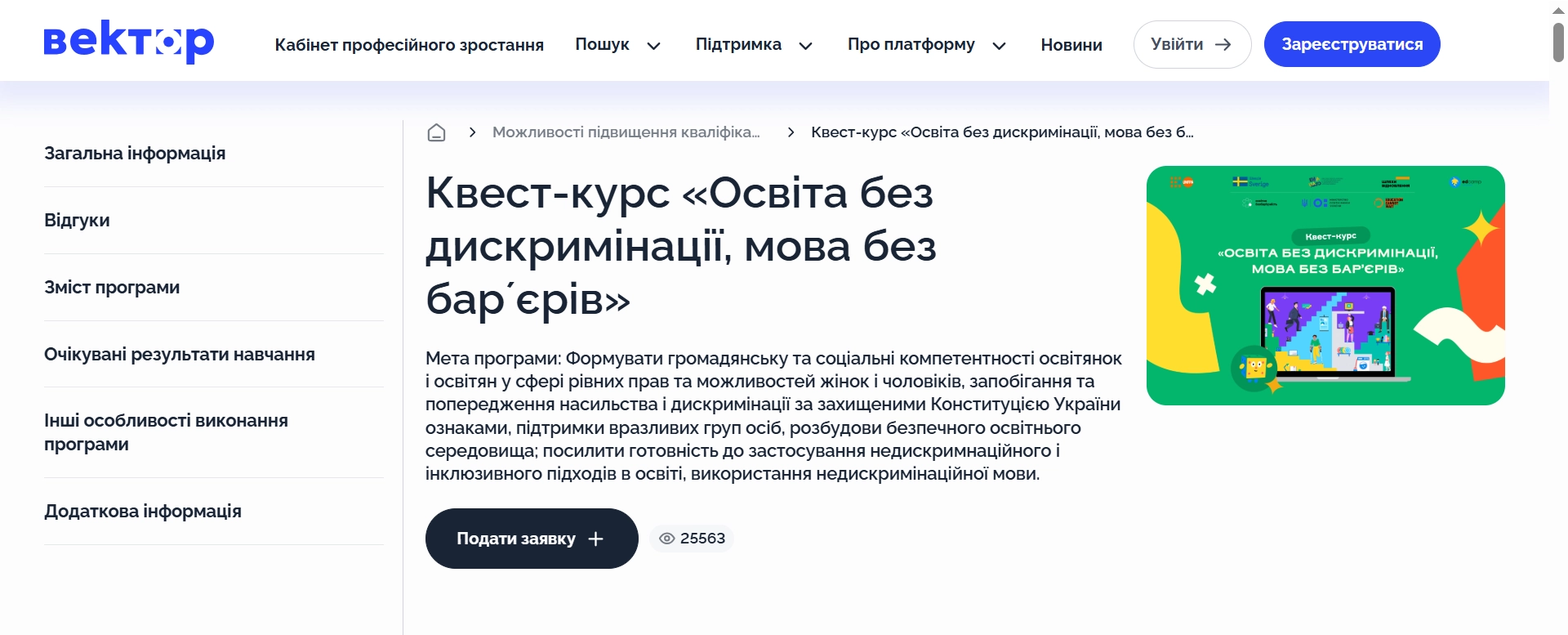
The SEEL program is also integrated into a broader social context, particularly into a course covering the counteraction of discrimination in the educational environment, which society often fails to notice in everyday phrases or jokes. An interactive online course, “Education Without Discrimination, Language Without Barriers” (“Освіта без дискримінації, мова без бар’єрів“), consisting of six interactive modules (ranging from the analysis of children’s toys to universal school design), helps participants explore these issues in greater depth. This initiative has already become part of the National Strategy for Creating a Barrier-Free Space in Ukraine for the period until 2030, launched by First Lady Olena Zelenska.
The digitalization of Ukrainian education during the war has outgrown the boundaries of a purely technical response to security challenges. Today, for a child in frontline Kharkiv, in a bomb shelter in the Kyiv region, or living abroad after evacuation, a smartphone is more than just a way to access maths or language lessons. It is a lifeline to home, that neither missile strikes nor blackouts can sever.
The experience of MYRP’s partners shows that success lies in putting people first. Shifting online became effective only when people behind the screens came back into focus — the tired child and the exhausted teacher, who need more than online lectures, but emotional warmth and a sense of safety. By creating unique platforms like “POVIR”, developing tutoring, and developing educational apps that function without electricity or the internet, Ukraine is doing more than addressing learning loss. It is helping shape a new model of education — one that is flexible, inclusive and built for the future.
You can also highlight the text and press Ctrl + Enter

Putin’s Worst Nightmare