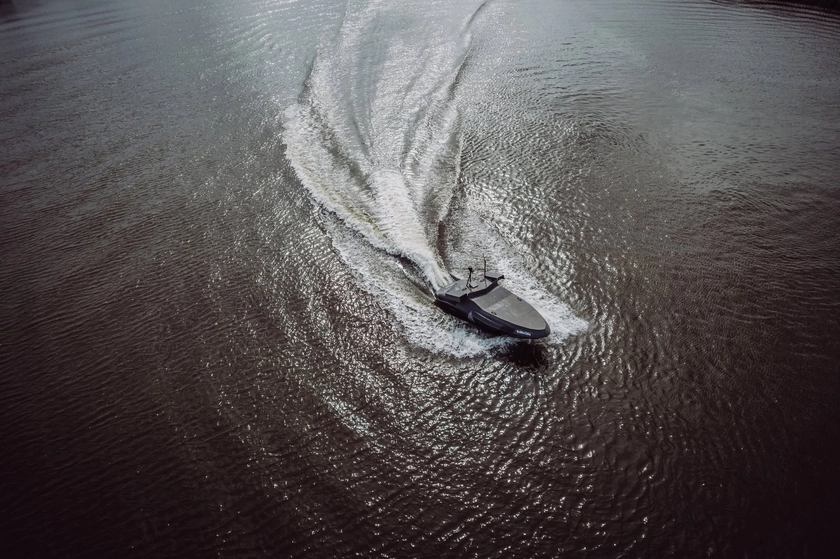
Ukraine has launched the largest drone attack on Moscow since the start of Russia’s full-scale invasion, with a total of 194 drones reportedly shot down while approaching the Russian capital.
The figure was released by Moscow Mayor Sergei Sobyanin at 9:27 a.m., making it the largest drone raid on the city since February 2022.
JOIN US ON TELEGRAM
Follow our coverage of the war on the @Kyivpost_official.
“Previously, the highest number of drones attacking Moscow in a single night was recorded on March 11 this year, when authorities reported 74 drones shot down. On May 17, air defense forces also intercepted more than 120 drones flying toward the capital in a single day,” The Moscow Times reported.
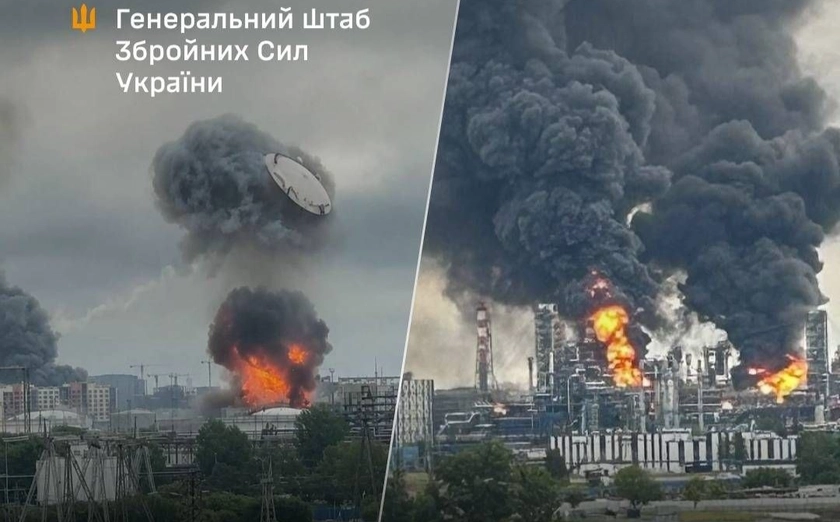
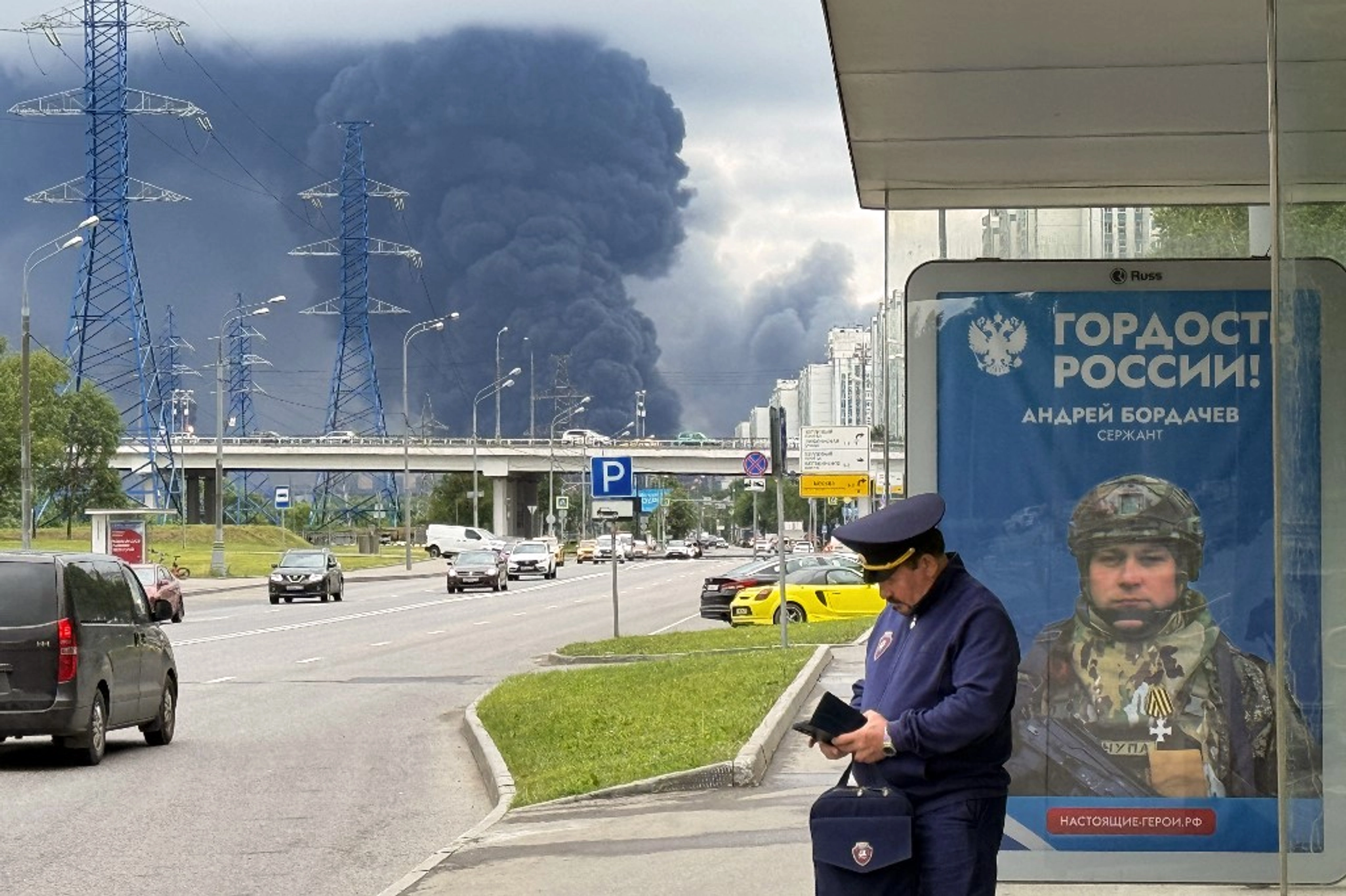
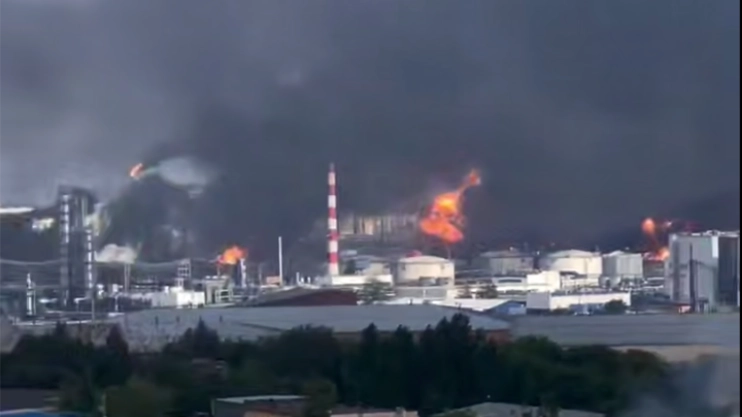
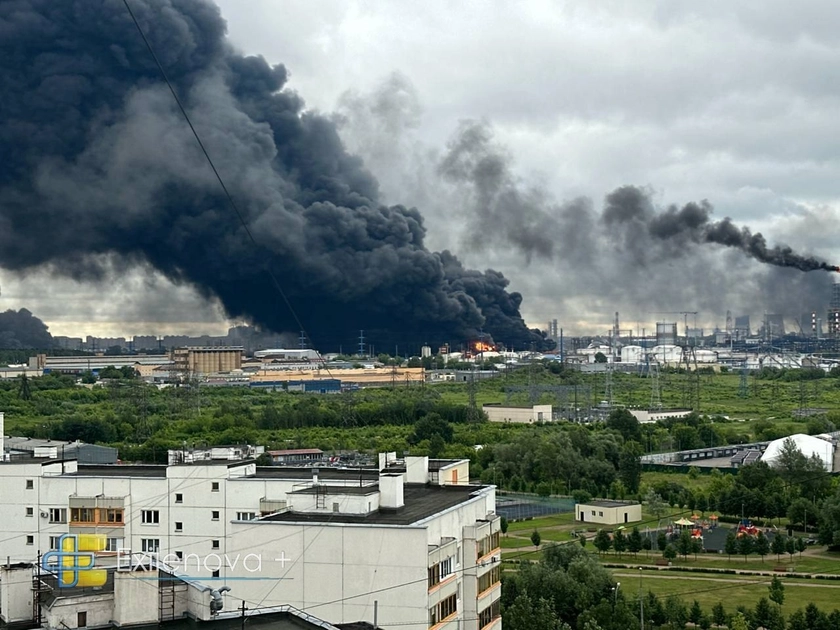
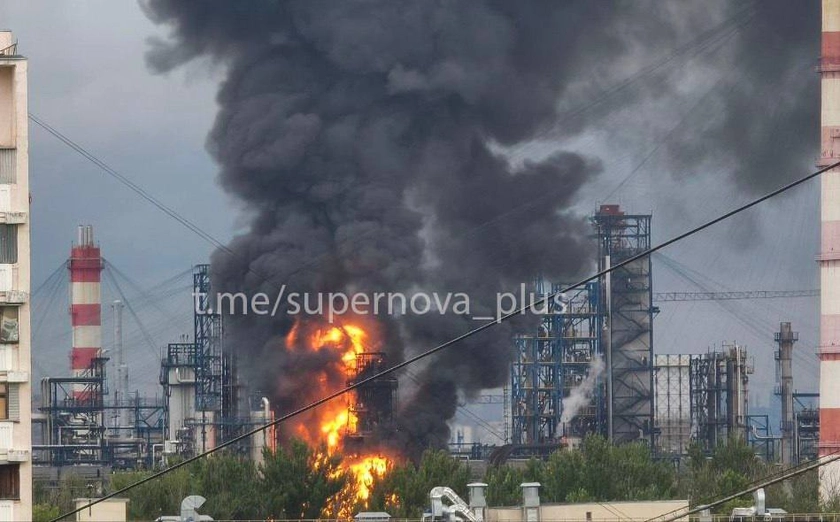
One of the key targets was the Gazprom Neft-owned Moscow Oil Refinery (MNPZ) in Kapotnya, which had already been hit two days earlier and reportedly suspended operations. This latest strike triggered another major fire.
Drone debris also fell on the grounds of the Sadovod shopping center, damaging a building and sparking a fire. Fragments also damaged the roof of the Belaya Dacha shopping center.
Local authorities also reported damage to apartment buildings in the Novye Kotelniki district of Moscow, as well as those in the cities of Zhukovsky and Lyubertsy.
In the Moscow region, local authorities also reported damage to private homes in Stepanovo near Elektrostal, Masnovo-Zhukovo, Kryukovo, and Pavlovsky Posad.
Russia’s interior ministry reported street closures around the Moscow refinery, while traffic was restricted along sections of the Moscow Ring Road.
‘If Ukraine Burns, Moscow Will Burn’: Zelensky Links Moscow Strike to Lavra Attack
According to the local Telegram channel Cheka-OGPU, the Red Square was closed off to the public following the attack.
“Red Square is closed. Machine gunners and sentries are on all the towers, walls, and the mausoleum. Armored vehicles and pickup trucks with weapons are on the bridges,” the channel claimed.
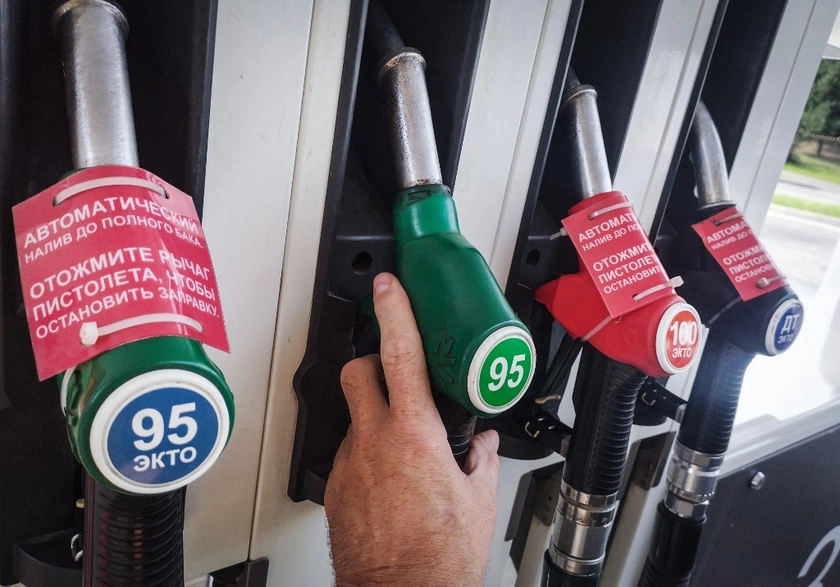
Russian state news agency TASS, citing officials, said fuel supplies to Moscow and gas station operations remained normal.
Красная плащадь перекрыта. На всех башнях, стенах, мавзолее пулеметчики и дозорные. На мостах броневики и пикапы с вооружением. Утром на Москву была атака БПЛА pic.twitter.com/TPzt1fPQ15
— ВЧК ОГПУ (Истина любит действовать открыто). (@rucriminalinfo) June 18, 2026
The number of casualties in the Moscow region rose to 17 as of noon local time, according to regional governor Andrei Vorobyov.
“Oil rain” in Moscow
Following the strike on the refinery, residents reported what appeared to be “oil rain” over parts of Moscow and the surrounding region.



Photos circulating online showed unusually dark skies in the morning, while residents in Balashikha’s Zheleznodorozhny district reported a dark, oily film on cars, windowsills, and clothing after rainfall.
According to the Telegram channel “Beware, Moscow,” the rain carried a burning smell and left traces resembling petroleum residue. Winds of around 16 km/h (10 mph) may have carried smoke and combustion byproducts northeast toward Balashikha, the most populated city in the Moscow region.
However, Moscow’s environmental monitoring authorities said no deterioration in air quality had been recorded.
Similar phenomena were recorded in Russia’s Black Sea coastal city of Tuapse, when repeated Ukrainian strikes on local refineries in April led to substantial oil leaks.
Locals fume over lack of air raid alerts
Russian outlet Astra reported widespread complaints on the reported failure of Moscow’s warning system, with residents saying they received no SMS alerts and heard no air raid sirens.
“Are we supposed to comment on the fact that there hasn’t been a single alert yet, and there hasn’t been a single siren or text message?” one resident wrote.
Readers cited by Astra said the alert system appeared nonfunctional throughout the attack.
“We haven’t slept since 4:48 a.m. Not a single text message, not a single siren. The strikes continued until about 6:20 a.m., then paused for 40-45 minutes before starting again,” one resident said.
According to Russia’s defense ministry, air defense intercepted and destroyed a total of 555 Ukrainian drones overnight across 17 Russian regions, as well as occupied Crimea and the Sea of Azov.
In the hours following the attack, Russian President Vladimir Putin posed for photos with leaders attending the Association of Southeast Asian Nations (ASEAN) summit in Kazan, located about 800 kilometers (497 miles) east of Moscow, and made no mention of the strike in his opening remark, according to AFP.
The ASEAN summit marked the first official meeting in this format since Russia launched its full-scale invasion of Ukraine in 2022.
Thailand, Vietnam, Cambodia, Laos, Malaysia, and Singapore sent their prime ministers to Kazan, while the Philippines was represented by President Ferdinand Marcos Jr..
After Kyiv launched similar drone attacks on St. Petersburg earlier this month, Putin pledged to strengthen Russia’s air defenses.
Russia’s federal aviation regulator also introduced a ban on civilian drones and light aircraft in Moscow’s airspace earlier this week amid recent strikes.
You can also highlight the text and press Ctrl + Enter

Moscow Refinery, Krasnodar Oil Depot Burning in Massive Ukrainian Drone Raid
Russian Ammo Supply Chief Killed in Car Bombing Near Moscow
Moscow Refinery, Krasnodar Oil Depot Burning in Massive Ukrainian Drone Raid