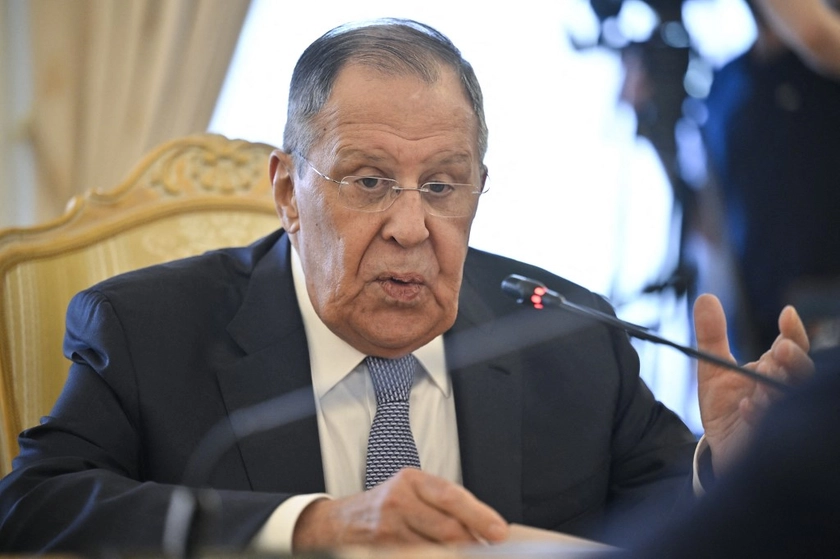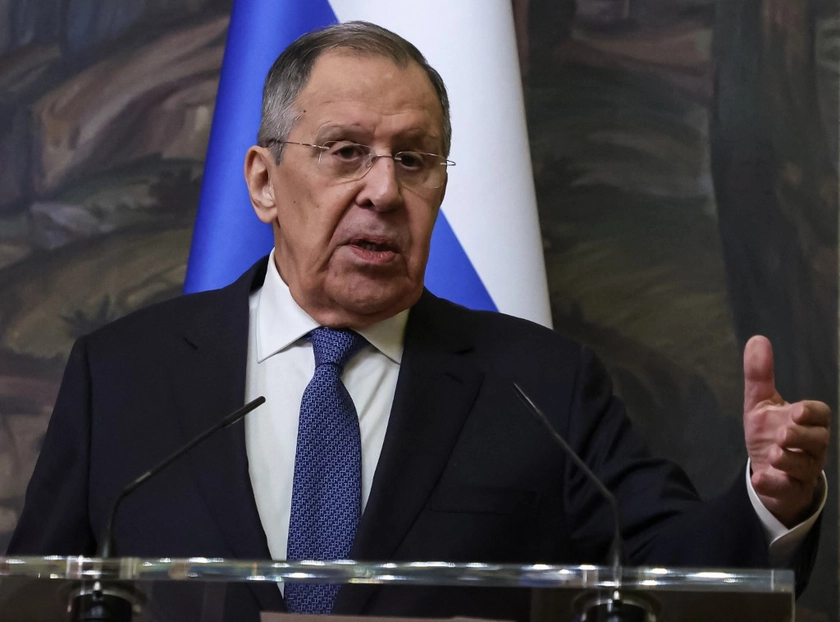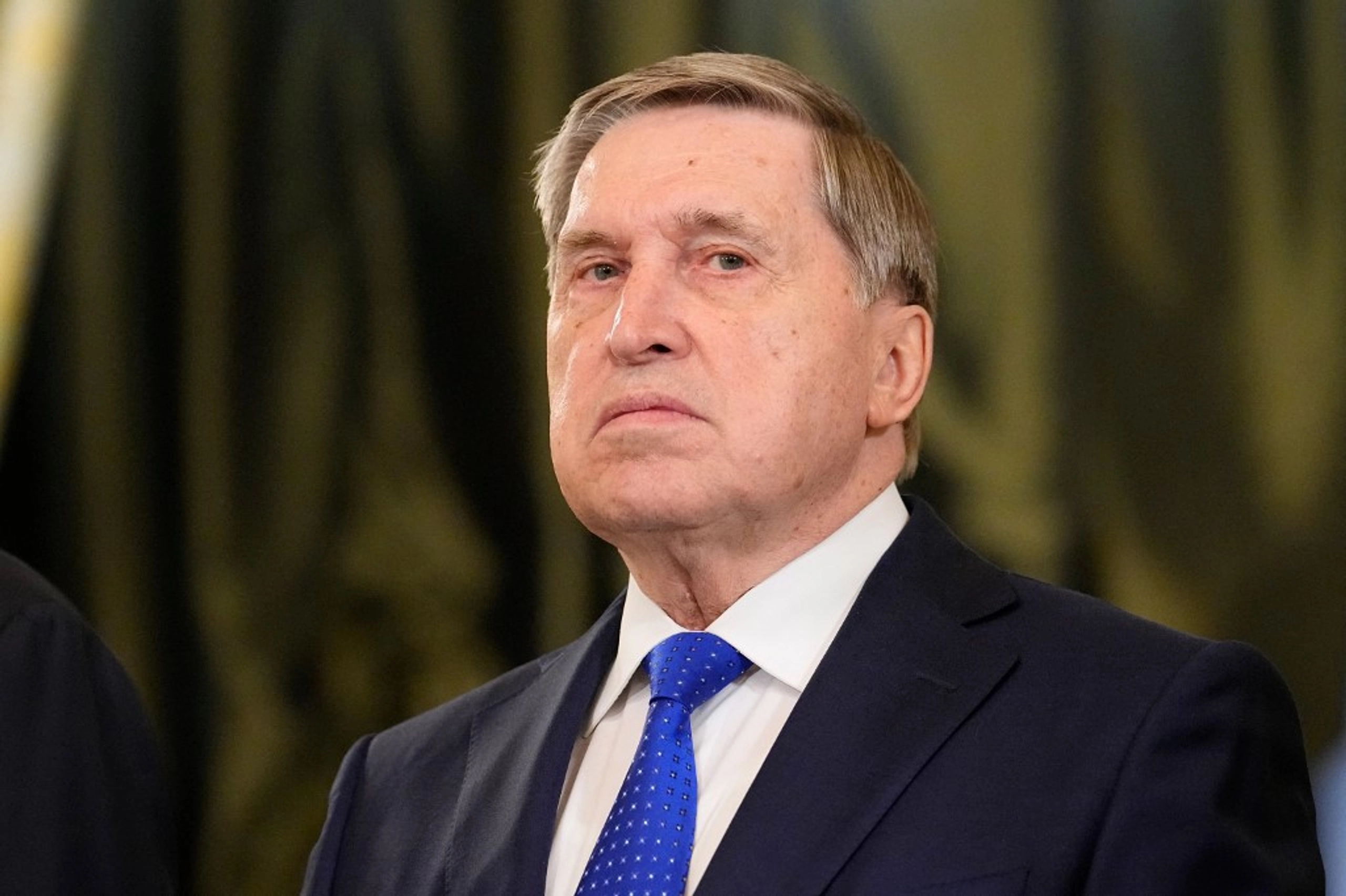
Russia is ready for dialogue with the European Union, Kremlin foreign policy aide Yuri Ushakov said on Tuesday.
“Ready,” Ushakov told reporters when asked whether Moscow was prepared to engage in talks with the EU, according to the state-owned RIA Novosti news agency.
JOIN US ON TELEGRAM
Follow our coverage of the war on the @Kyivpost_official.
The brief comment marks one of the clearest recent signals from the Kremlin that it may be open to direct contacts with Brussels after months of public skepticism toward the bloc’s role in efforts to end the war in Ukraine.
Moscow previously criticized the EU’s approach to negotiations
The statement follows recent remarks by Kremlin spokesman Dmitry Peskov, who accused European leaders of attempting to negotiate with Russia from a position of strength.
“The Europeans have a very big misconception – they assume that negotiations with Russia should be conducted from a position of strength,” Peskov said during a briefing last week.
Despite criticizing the EU’s approach, Peskov insisted that Moscow remains open to contacts and argued that Russia was not responsible for the collapse of communication channels with Europe.
The Kremlin has repeatedly demanded that any future dialogue take place without ultimatums or what it describes as a “moralizing” tone from European leaders.
Russia rejected previous peace proposals
Moscow’s latest signal comes after the Kremlin dismissed several recent diplomatic initiatives, including President Volodymyr Zelensky’s proposal for a face-to-face meeting with Russian President Vladimir Putin and an invitation to hold talks on the sidelines of the G7 summit in France.
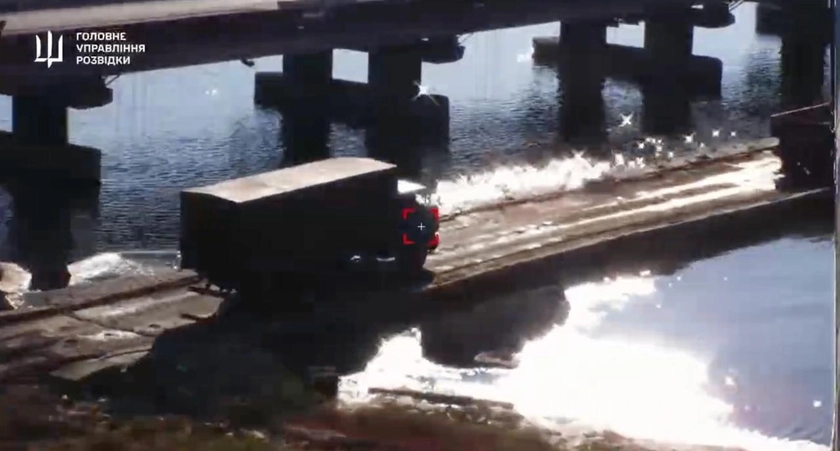
EXPLAINED: Blackouts, Fires, Fuel Bans, and Bridge Strikes in Crimea
Russian officials denied receiving a formal invitation to the G7 proposal and have continued to reject calls for an unconditional ceasefire.
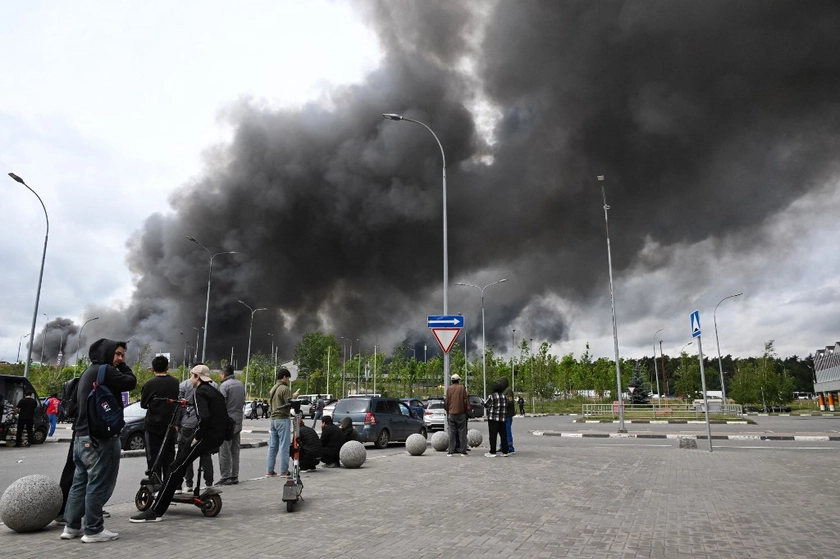
The comments also come as Ukraine intensifies long-range drone strikes against Moscow and other regions of Russia, prompting Russian officials to accuse Kyiv of undermining prospects for negotiations.
The statement comes amid growing debate within the European Union over whether and how to reopen direct channels with the Kremlin.
Last week, a closed-door European Council discussion reportedly exposed divisions among EU leaders after aides to European Council President António Costa established contacts with Russian officials. According to Politico, French President Emmanuel Macron and German Chancellor Friedrich Merz opposed efforts to position the EU as a mediator with Moscow, arguing that the timing was wrong and that any future negotiations should be led by a smaller group of European powers together with Ukraine and the United States.
Other EU leaders, however, backed Costa’s efforts, arguing that the bloc should maintain communication channels with Russia in case diplomatic opportunities emerge. The dispute highlighted broader disagreements within Europe over whether pressure on Moscow or renewed diplomacy offers the best path toward ending the war.
Moscow has recently signaled a greater willingness to discuss contacts with European governments while simultaneously criticizing the EU’s approach. Kremlin spokesman Dmitry Peskov last week accused European leaders of trying to negotiate with Russia “from a position of strength,” calling such an approach a “big mistake.”
Despite claiming openness to dialogue, the Kremlin has repeatedly rejected or dismissed recent diplomatic initiatives. Russian President Vladimir Putin publicly brushed aside President Volodymyr Zelensky’s proposal for a face-to-face meeting and declined to engage with a separate Ukrainian initiative to hold talks on the sidelines of the G7 summit in France.
The latest Russian comments also come days after Ukraine launched one of its largest drone attacks on Moscow since the start of the full-scale invasion. Ukrainian strikes hit the Moscow Oil Refinery for the second time in a week and targeted infrastructure in the Russian capital and surrounding regions.
You can also highlight the text and press Ctrl + Enter