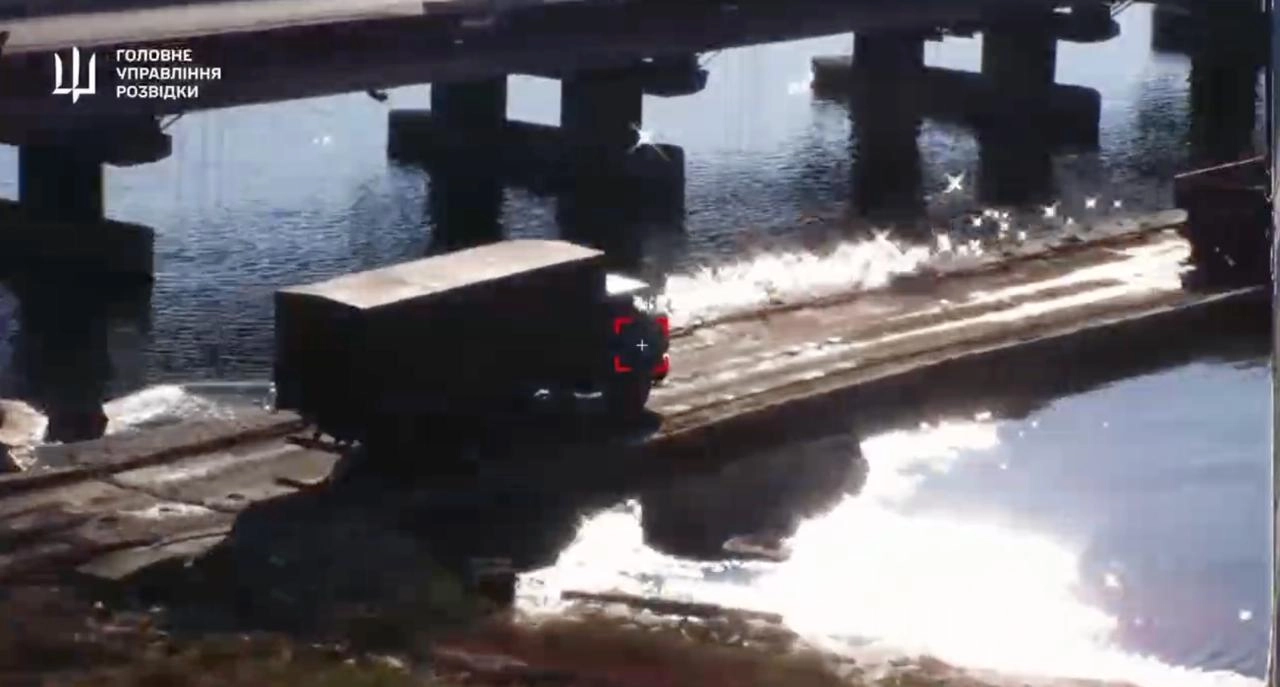
A wave of Ukrainian strikes has thrown occupied Crimea into growing disruption, causing power outages, fuel restrictions, transport delays, and emergency security measures as Kyiv intensifies its campaign against Russian military logistics on the peninsula.
Early on Tuesday, Ukrainian drones launched a massive attack on multiple targets in Crimea, triggering fires, blackouts, and further emergency restrictions imposed by Russian-installed authorities.
JOIN US ON TELEGRAM
Follow our coverage of the war on the @Kyivpost_official.
According to the Ukrainian monitoring resource Supernova, the large Nasosnaya-2 electrical substation in the Sovetsky district was hit. NASA FIRMS satellite imagery showed a fire at the site.
Subscribers of the Telegram channel Krymsky Veter also reported a “powerful explosion” in the district around 2:00 a.m.
The channel reported a fire near the 220/35 kV NS-2 substation, which supplies power to a pumping station north of the village of Nikolaevka.

As a result of the strike, power outages were reported in Yevpatoriya, Krasnoperekopsk, Saki, Dzhankoy, and Krasnogvardeysky districts. Energy provider Krymenergo confirmed outages in those areas and said power restoration could take up to 24 hours, citing technical disruptions in the electrical grid.
Which facilities were hit?
According to Krymsky Veter, several strategic fuel and logistics facilities were struck.
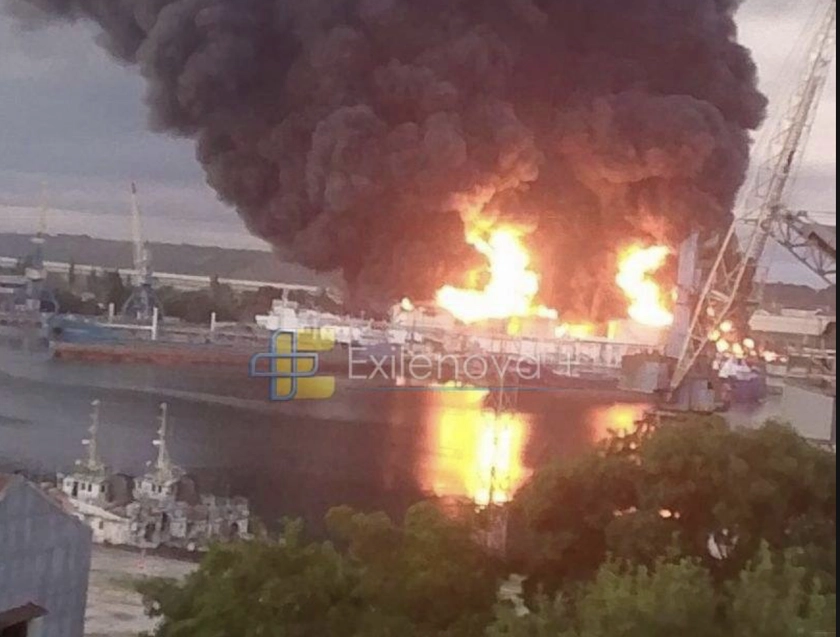
The oil depot at Kerch seaport, which had already been burning after Sunday’s strike, and the oil terminal at Port Kavkaz in Russia’s Kuban region were reportedly hit for the second time in a week.
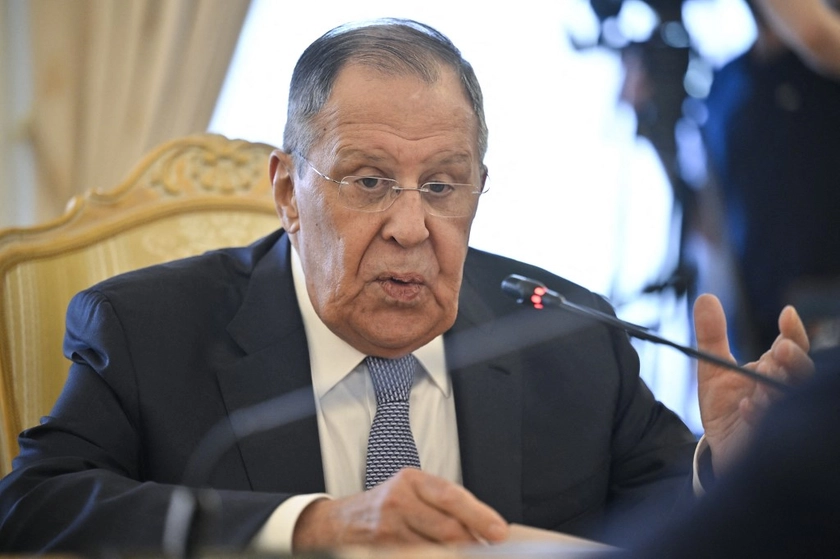
Russia Open to Restarting Ukraine Talks, Lavrov Says
On Sunday, Russian-installed Crimean head Sergei Aksyonov reported four people killed and 28 injured in Ukrainian strikes on the peninsula.
Astra confirmed that the Kerch Commercial Port oil depot had been struck during that attack and set on fire. The outlet also reported damage to a multi-story residential building in Kerch.
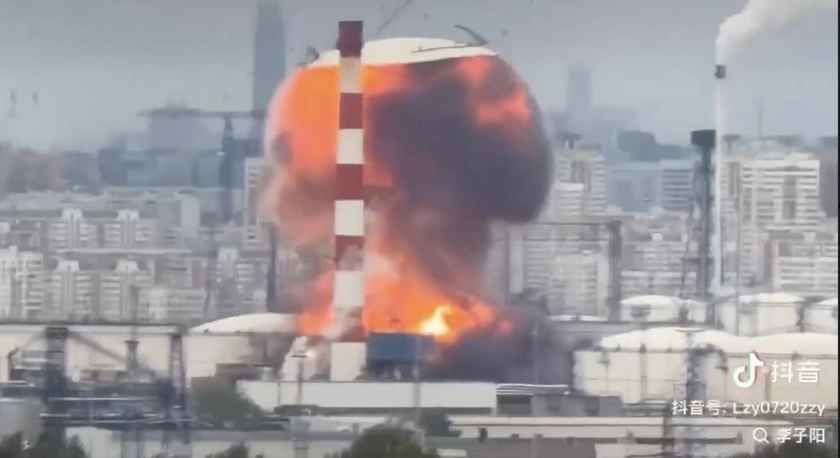
The TES-Terminal oil product transshipment and storage complex in Kerch was also hit. This is a major logistics hub used for storing and transferring oil products and liquefied gas.
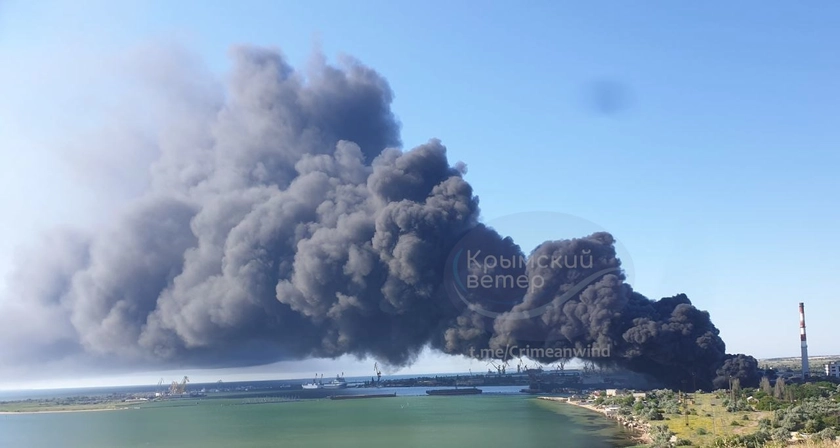
A major fire also broke out at a thermal power plant in Kerch’s Arshintsevo district. According to Krymsky Veter, a fuel oil storage tank was hit, producing a smoke plume stretching nearly 50 kilometers (31 miles).
Fires were also reported at the entrance to Kerch, near the village of Bagerovo – about 15 km (9.3 miles) from the city, where Russian S-300/S-400 air defense systems are stationed – and near the Yuzhnaya railway station in Kerch.
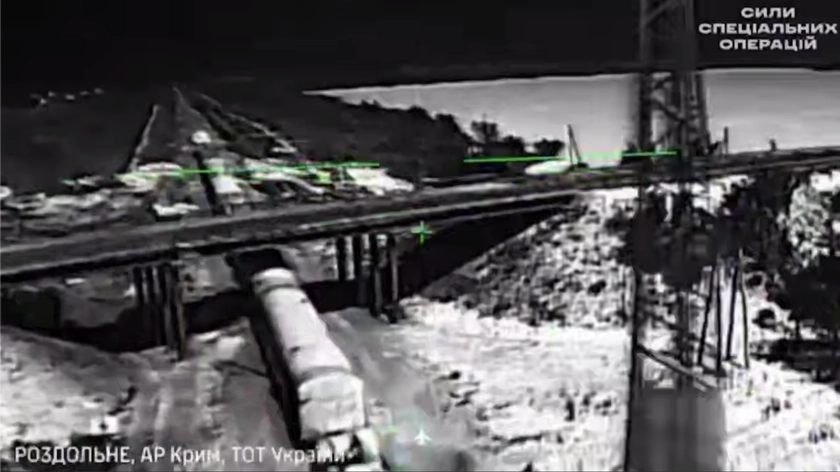
Traffic on the Kerch Bridge was blocked around 7:00 a.m.
A fire was also reported on the Arabat Spit, where Russian troops are stationed.
Why is Crimea facing fuel shortages?
Fuel shortages appear to be directly linked to repeated Ukrainian strikes on transport and supply infrastructure.
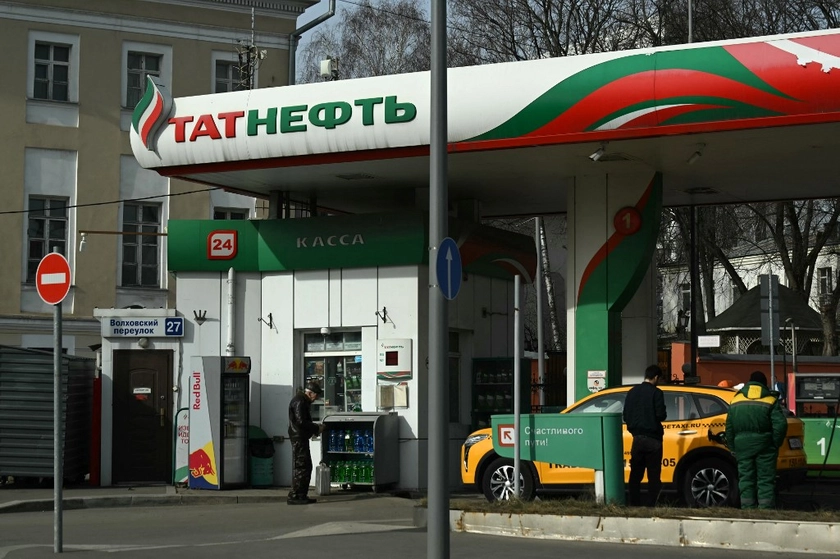
On Monday and Tuesday, Sevastopol authorities halted fuel sales to civilians, allowing refueling only for emergency vehicles.
“Fuel: In order to conserve fuel, no fuel will be sold in the city on June 22 and 23. Refueling will only be available for emergency vehicles supporting the city’s operations,” said Mikhail Razvozhaev, head of Sevastopol’s Russian-installed administration.
Aksyonov imposed similar restrictions across Crimea, announcing that gas stations would stop selling fuel to both individuals and businesses.
“Fuel will be sold only to government agencies that ensure the functioning and security of the Republic of Crimea,” he said.
These restrictions followed the suspension of ferry services through the Kerch Strait, which have played a key role in delivering fuel to Crimea.
As a result, truck drivers are now being redirected through the so-called land corridor, connecting Russia to occupied southern Ukraine.
What is happening with rail and transport?
Transport disruptions are also intensifying.
Rail operator Grand Service Express announced that all Tavria trains departing Crimea would now originate only from Kerch, while arriving trains would also terminate there.
Passengers traveling deeper into Crimea are being transferred by bus, to and from, the Kerch-Yuzhnaya station.
The company said these changes followed the temporary closure of one section of the Crimean Railway on Saturday.
Russian authorities had already introduced transport restrictions earlier this month. On June 10, passenger train traffic at night was suspended along with ferries, except for passenger boats.
Public transportation schedules are being shortened, now operating from 5:30 a.m. to 9:00 p.m.
Additionally, shopping centers, supermarkets, and hypermarkets are operating on shortened schedules from 7:00 a.m. to 8:00 p.m.
Street lighting has also been switched off to reduce pressure on the power grid with Razvozhaev warning that temporary blackouts remain possible due to overloaded electrical networks.
Why were children’s camps suspended?
One of the most striking measures was the suspension of children’s camp admissions across Crimea.
Aksyonov announced that from Mondat until Sept. 1, all reservations, admissions, and placements of children in camps and recreation facilities would be suspended.
The decision followed growing security concerns after repeated Ukrainian strikes.
Parents reported on social media that on Sunday, amid a major Ukrainian attack, one bus carrying children to the Artek camp was turned back.
Later, a video circulated online in which a woman claimed the Crimean Ministry of Education informed her that all camp shifts had been canceled for the year.
Why are motorcycles and even sirens being restricted?
Authorities have introduced unusual restrictions that reveal the scale of concern.
On June 16, Aksyonov announced a nighttime ban on motorcycles and similar vehicles, effective June 17.
The ban applies from 8:00 p.m. to 6:00 a.m. and includes motorcycles, mopeds, pit bikes, ATVs, scooters, and other motorized vehicles.
Officials said the reason was public safety and protection of military facilities.
Oleg Kryuchkov, adviser to Crimea’s occupation head, reported that engine noise interferes with air defense teams attempting to track Ukrainian drones.
He warned that motorcycles operating during drone or missile alerts could be confiscated.
Crimean authorities have also stopped regularly activating air raid sirens.
Kryuchkov said that under current conditions, alarms would need to sound for around 22 hours a day, including seven or eight times at night.
“To avoid turning into some kind of madhouse,” authorities decided to rely mainly on SMS alerts and emergency notifications instead.
You can also highlight the text and press Ctrl + Enter