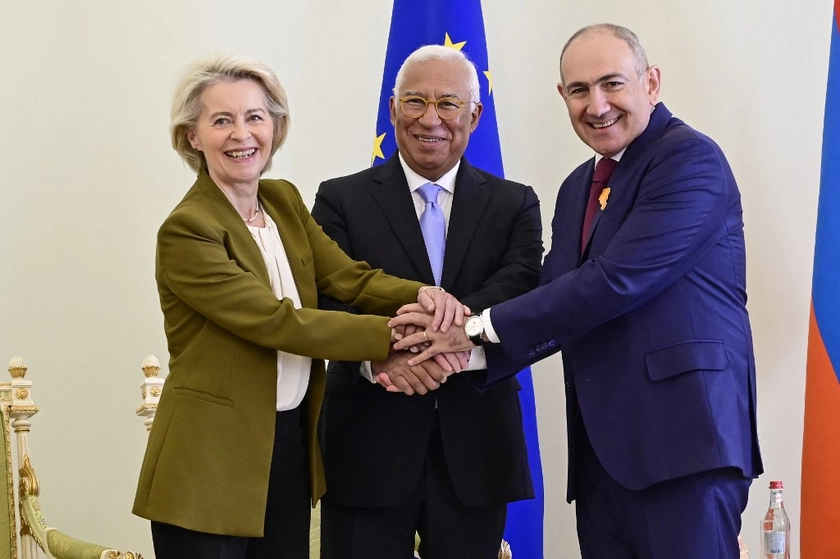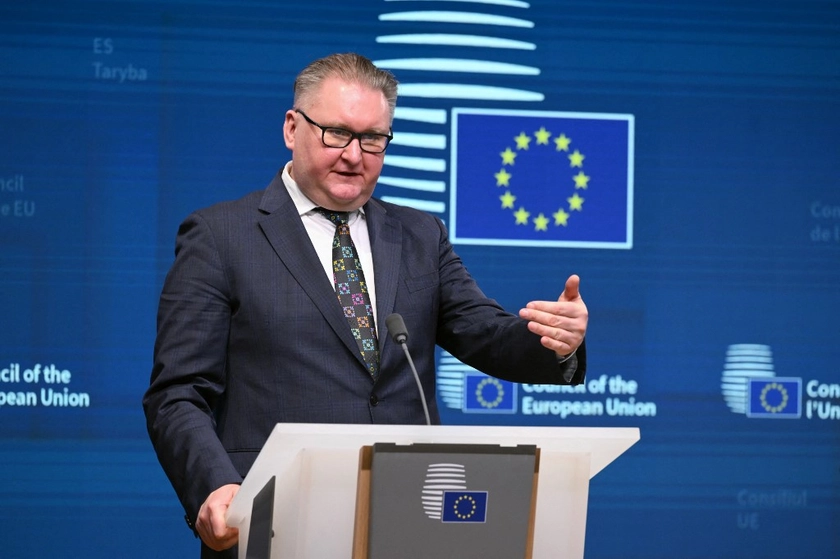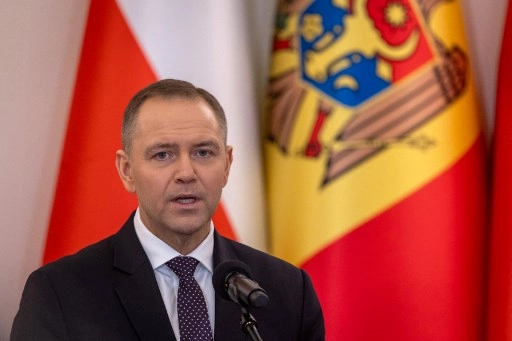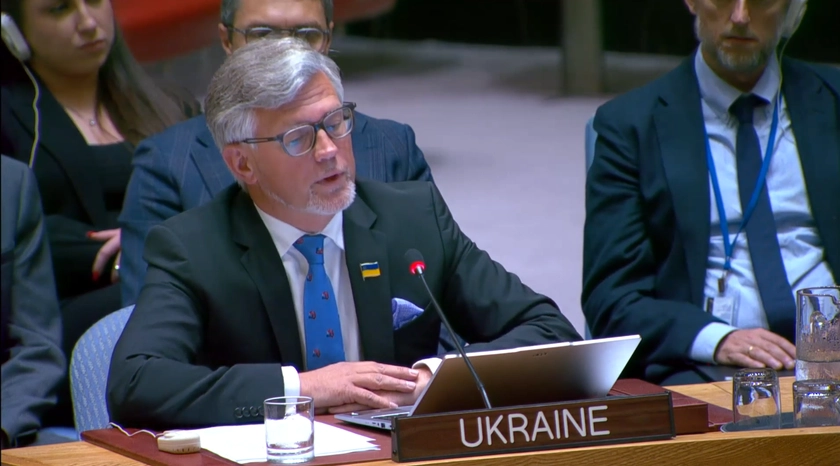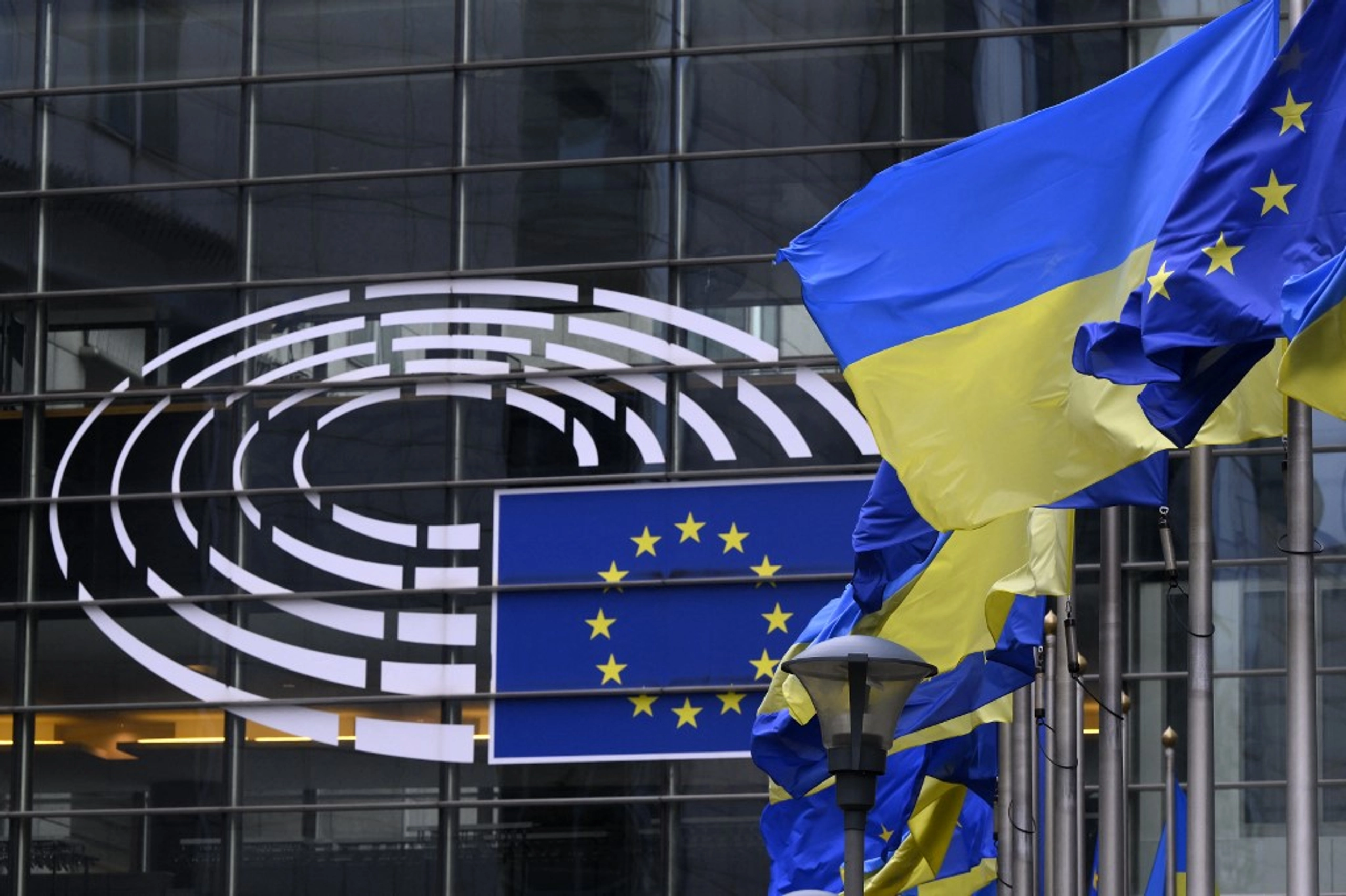
On June 15, Brussels officially opened the first accession-negotiation cluster with Ukraine and Moldova. Dubbed “Fundamentals,” it covers democracy, the rule of law, anti-corruption measures, public procurement, and other core areas.
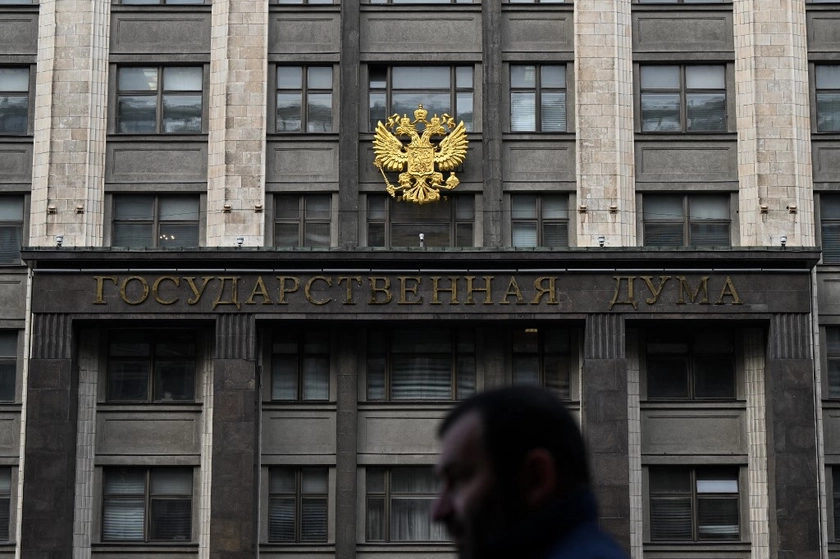
The news was welcomed in Ukraine – and received very differently in Russia, which still claims not to “oppose Ukraine’s EU integration.”
JOIN US ON TELEGRAM
Follow our coverage of the war on the @Kyivpost_official.
But Kyiv’s central challenge remains the same: judicial reform.
Instead of moving steadily forward, Ukraine’s judiciary appears trapped in a struggle between old and new elites. The Supreme Court and the lawmakers play a crucial role in that fight.
What Ukraine has achieved
Before Russia’s full-scale invasion in 2022, Ukraine had already created several anti-corruption and judicial institutions, many with significant international involvement.
These include the National Anti-Corruption Bureau of Ukraine (NABU), Specialized Anti-Corruption Prosecutor’s Office (SAPO), the High Anti-Corruption Court (HACC), and, more recently, the renewed High Council of Justice (HCJ).
Some of these reforms were among the key conditions for Ukraine’s visa-free regime with the Schengen area, introduced in 2017.
After the 2019 election, which brought President Volodymyr Zelensky to power, the pace of reform slowed, becoming even more sluggish during the COVID-19 pandemic.
However, the situation changed dramatically in 2022.
Russian Security Chiefs Push Duma Election Delay
Russia’s full-scale invasion unexpectedly opened a political window for long-delayed reforms linked to Ukraine’s EU membership bid.
One example is the HCJ, which was renewed after the invasion.
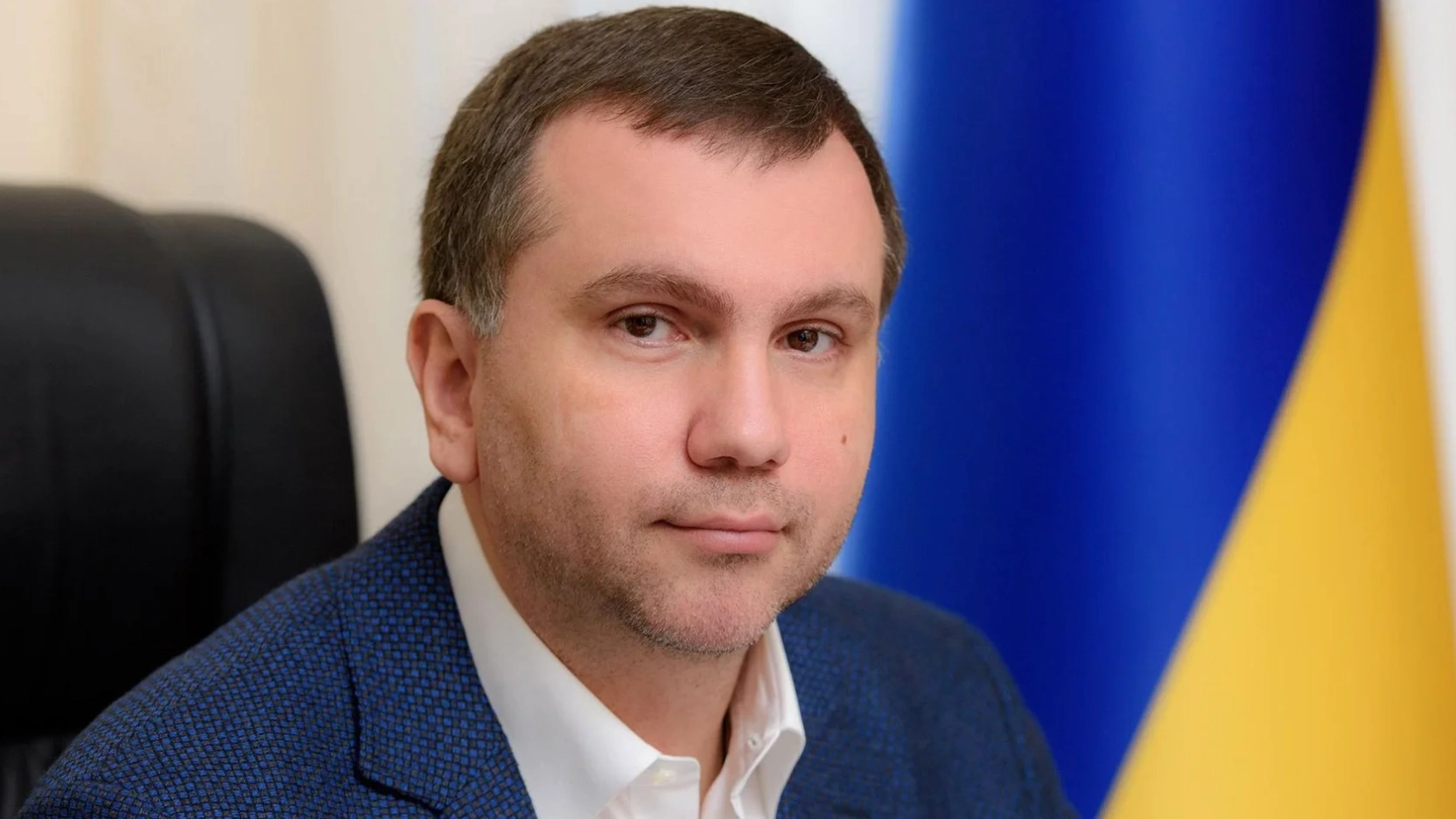
The reformed body dismissed Pavlo Vovk, the former head of the now-liquidated Kyiv District Administrative Court, one of the most notorious symbols of judicial corruption in Ukraine.
Vovk became widely known after the release of the so-called “Vovk tapes,” recordings that allegedly showed attempts by the court’s leadership to influence judicial and political processes.
He was also reported to have been among the key figures preparing legal grounds for reinstating Viktor Yanukovych, Ukraine’s former president who was ousted during the Euromaidan Revolution in 2014.
The renewed HCJ has dismissed more than 50 judges on the basis of investigative materials, including evidence obtained through covert investigative actions.
This includes Serhiy Burkhan, who challenged his dismissal before the Grand Chamber of the Supreme Court. Burkhan questioned the use of criminal-proceedings materials against him in disciplinary proceedings.
The Supreme Court upheld his dismissal, confirming the admissibility of such materials in disciplinary cases.
Following this, the conviction of former Supreme Court chairman Vsevolod Kniaziev is another clear example of reform producing results.
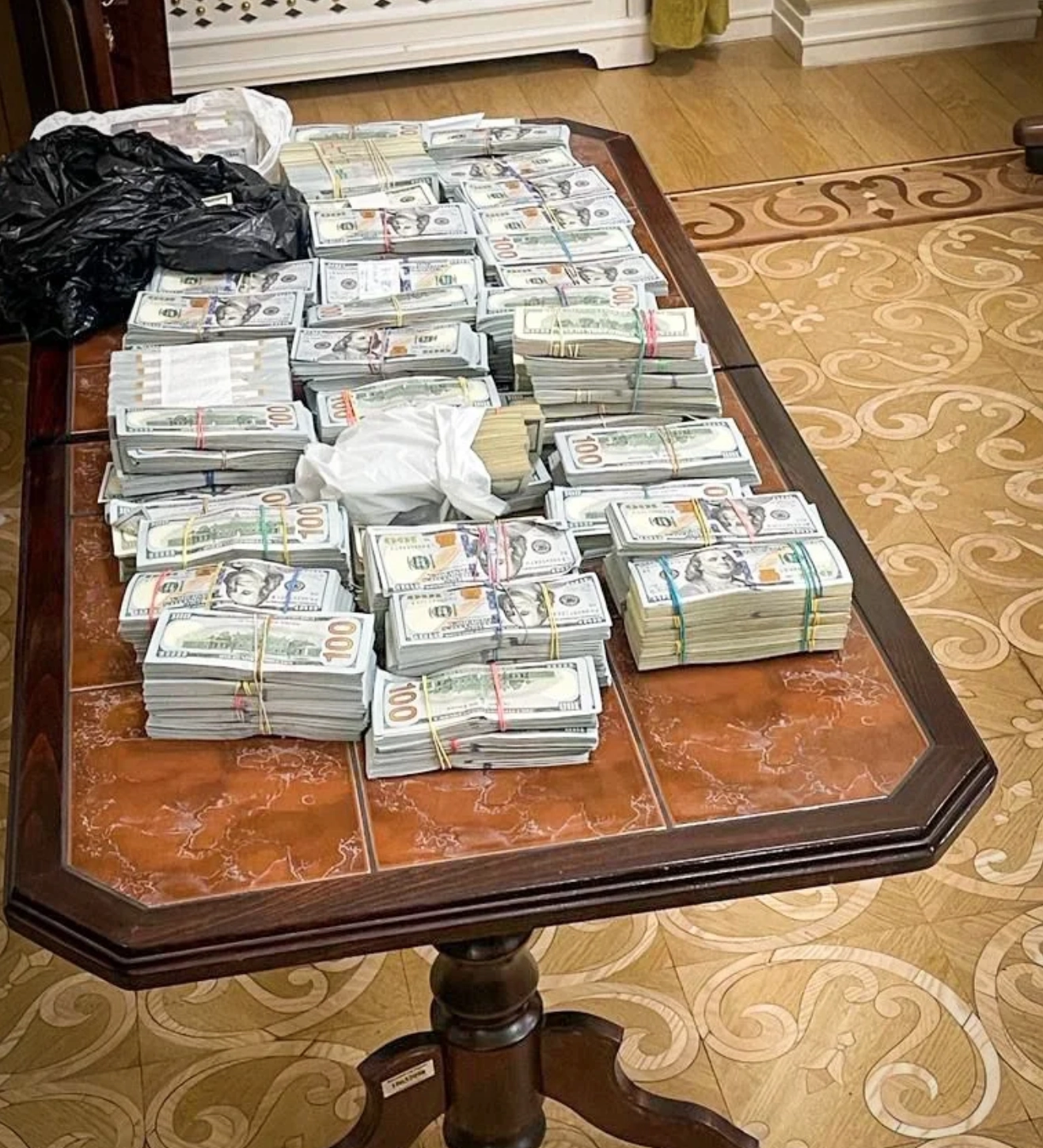
Kniaziev was accused of receiving a $2.7 million bribe, one of the largest corruption scandals in the history of Ukraine’s judiciary, with the HACC approving his plea agreement.
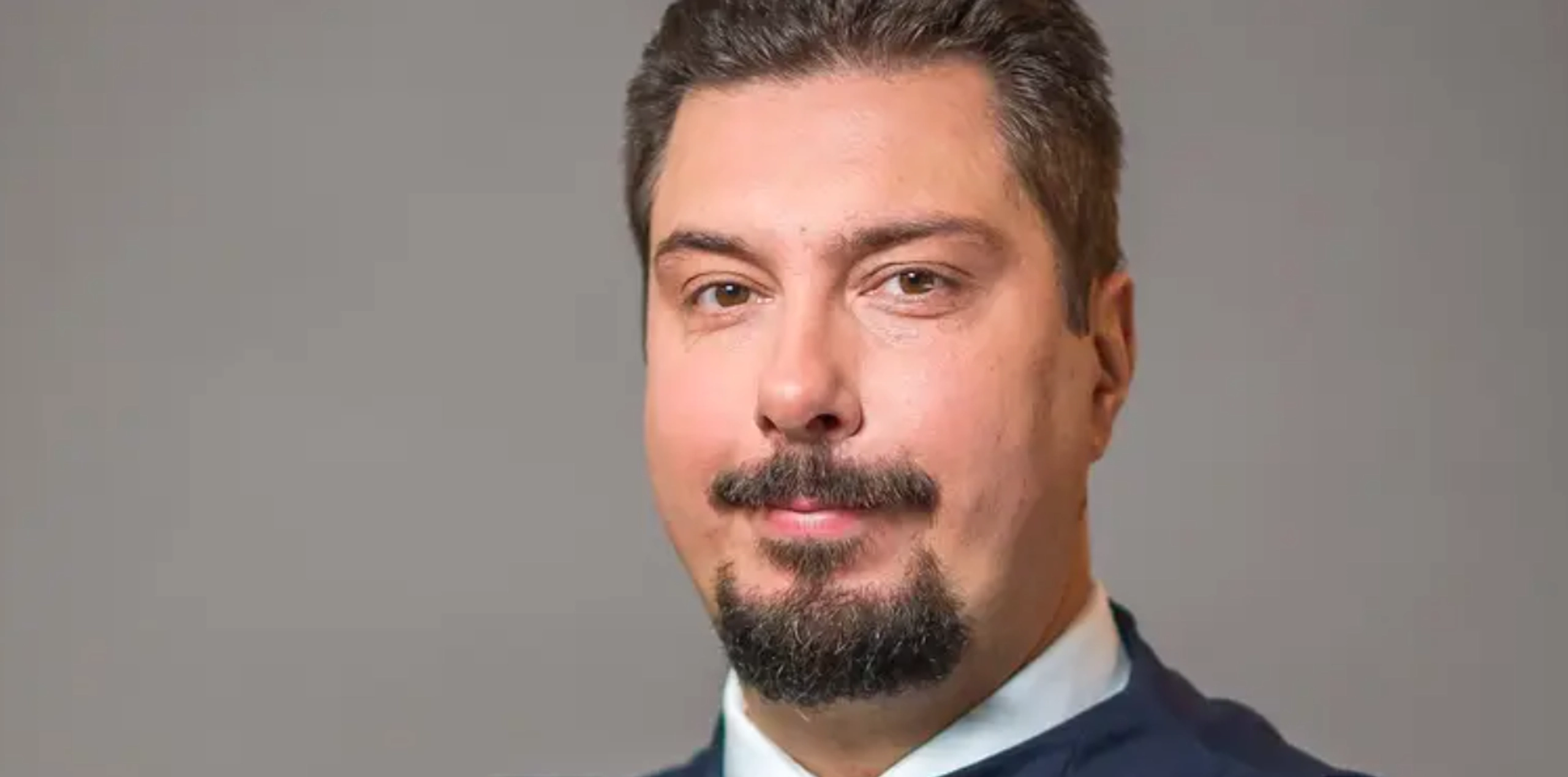
He received five years in prison, a three-year ban on holding positions in judicial and law-enforcement bodies, confiscation of property and personal savings, as well as special confiscation of funds identified as unlawful benefit.
More than $1.1 million was also directed, with his consent, to support the Armed Forces of Ukraine (AFU) through the Come Back Alive Foundation.
The Supreme Court remains key obstacle
Despite this progress, the bigger picture remains deeply troubling. The Supreme Court is one of the clearest examples.
In 2025, the DEJURE Foundation, a Ukrainian NGO working on judicial reform, released a survey showing that distrust of the Supreme Court among Ukrainians had reached 69%.
Respondents cited corruption, judges’ dependence on politicians and oligarchs, and insufficient judicial integrity as the main reasons for their negative assessment of the court system.
Recent decisions help explain why this distrust remains so high.
In December, the Grand Chamber of the Supreme Court reinstated Inna Otrosh, a judge of the Commercial Court of Kyiv. Otrosh had previously traveled to Crimea after Russia’s annexation of the peninsula and had also visited Russia.
She had been dismissed a year earlier after failing her qualification assessment.
Although Otrosh will not be able to administer justice until the president signs a 2021 decree confirming her appointment, she is already entitled to receive monthly payments.
More recently, the Supreme Court reinstated Alona Mazur, a former judge of the Kyiv District Administrative Court and a figure in the “Vovk tapes.”
Reform advocates point to her role in some of the court’s most controversial decisions, including rulings linked to the demolition of a historic building in Kyiv’s Podil district, decisions favorable to the Surkis brothers in the PrivatBank case, the reinstatement of lustrated prosecutors, and the collective refusal of OASK judges to undergo qualification assessment.
However, the issue extends beyond individual cases.
Former chairman Vsevolod Kniaziev cooperated with investigators and implicated several other judges, with notices of suspicion already issued to some. The broader scandal is reported to involve around a dozen Supreme Court judges.
Concerns also persist over judges with Russian citizenship, the reinstatement of pro-Russian or compromised figures, and the role of the Supreme Court’s Grand Chamber in reversing or weakening earlier reforms.
Medvechuk’s allies still in power
Another unreformed area is the legal profession.
The National Bar Association, led by Lidiya Izovitova and believed to be closely associated with Russian President Vladimir Putin’s ally, Viktor Medvedchuk, has remained largely untouched by meaningful reform for years.
In 2022, the Congress of Advocates of Ukraine was supposed to take place. Delegates were expected to elect the head of the Bar Council of Ukraine and the Ukrainian National Bar Association, as well as members of the Bar Council and other self-governing bodies.
However, the Bar Council, headed by Izovitova, blocked the congress, citing martial law. As a result, Izovitova and her allies have effectively remained in office for a third term despite a legal ban.
She was reportedly one of the chief sponsors behind draft law No. 12320, passed in fall 2025, which bans any identification of a lawyer with their client, including factual statements like “Rudi Giuliani was Donald Trump’s lawyer.”
While Zelensky has yet to sign it into law, it is considered a direct attack on freedom of speech.
Questions also remain around controversial figures in the legal profession, including Izovitova’s colleagues, like lawyer Oleksiy Shevchuk, whose bar license was suspended for three months.
This was the second time such a disciplinary sanction was imposed on him.
Dubious laws passed
Beyond opaque institutions, Ukraine’s legal framework also raises concerns.
The most alarming recent example is draft law No. 13165-2.
Parliament adopted the bill with 242 votes, presenting it as part of Ukraine’s European integration process and as a step linked to judges’ integrity declarations.
But reform advocates argue that the law does the opposite of what Ukraine actually needs.
Instead of strengthening integrity checks, the bill risks cementing questionable judges in their positions. Critics say it weakens the review of judges’ integrity declarations and removes the very elements that could make the process meaningful.
For example, the verification procedure would no longer include questions about whether a judge’s assets match their income, whether there were violations of the judicial oath, or whether there was interference in the administration of justice.
Judges would also no longer need to confirm that their lifestyles match their declared incomes.
This is particularly dangerous because the issue is tied to EU funding.
Ukraine risks losing part of its financial assistance under the Ukraine Facility after failing to complete several reform commitments on time. According to the European Commission, two milestones linked to previous tranches remain unfulfilled. The suspended funds amount to nearly €680 million ($772 million).
One outstanding requirement concerns increasing the staffing of the HACC. Another concerns legislation governing the review of judges’ integrity declarations and the procedure for verifying them.
The problem is that draft law No. 13165-2 may help Ukraine show formal progress on paper without delivering the real reform that the EU benchmark was meant to secure.
The law also fails to address another key issue: Supreme Court reform involving international experts, a critical component in the previous reform successes.
That reform is part of the broader Kachka-Kos priorities – the 10-point agenda agreed between Ukraine and the EU to accelerate progress on the rule of law.
EU to remain strict
Reform advocates warn that, if Ukraine is credited with such a “reform” and receives all funding tied to it, the message to those in power will be clear: Commitments can be violated without consequences.
It is telling that the judiciary immediately read this message of “amnesty” as a message for itself.
Just a few hours after draft law No. 13165-2 was adopted, the Supreme Court reinstated Mazur, the former OASK judge and figure in the “Vovk tapes.”
Mykhailo Zhernakov of the DEJURE Foundation told Kyiv Post that the EU needs to take both of its instruments seriously: financial conditionality and the accession process itself.
“Helping Ukraine does not mean lowering standards or labeling anti-reforms as reforms. That approach can take the country in a very dangerous direction,” he said.
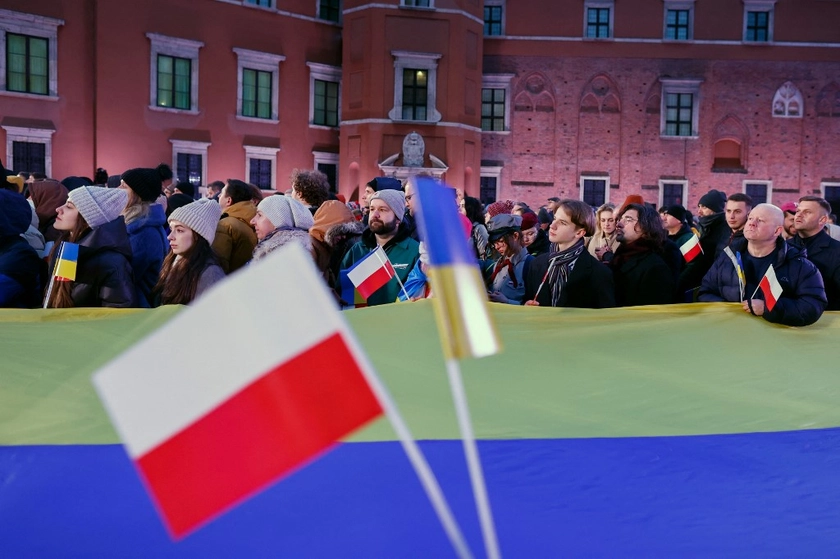
“European integration is one of the few pathways Ukraine still has. For many Ukrainians, it is the clearest vision of a better future,” Zhernakov added.
He notes that Ukrainians support not only EU accession itself, but also the rules without which accession is impossible.
In particular, 73% support international partners putting pressure on the Ukrainian authorities to clean up the justice system and fight corruption in Ukraine. Meanwhile, 64% see Brussels’s requirements as a sincere effort to help Ukraine modernize.
To the relief of Zhernakov and other reform advocates, the Supreme Court did not reinstate Pavlo Vovk last week – a move that would have been morally disastrous for Ukraine’s justice system.
Yet, judicial reform cannot remain half-finished.
“Otherwise it will lead to another protest like it was the case when the government tried to strip agencies like NABU of their powers,” he said.
You can also highlight the text and press Ctrl + Enter