Casualties suffered by Russian forces invading Ukraine have reached catastrophic levels, and the Kremlin’s campaign to defeat Ukraine by taking Ukrainian land by conquest has ground to a bloody halt, a major bipartisan US think tank said in a review published on Wednesday.
Ukraine’s long-range strike campaign has caused significant damage to Russia’s energy and fuel infrastructure, and social unrest among Russian citizens upset with the war and falling living standards is visible and growing, the report “Russian Blood and Treasure: The Ballooning Costs of Putin’s War” published by the Washington D.C.-based Center for Strategic and International Studies (CSIS) said.
JOIN US ON TELEGRAM
Follow our coverage of the war on the @Kyivpost_official.
Attrition rate – Ukraine vs Russia
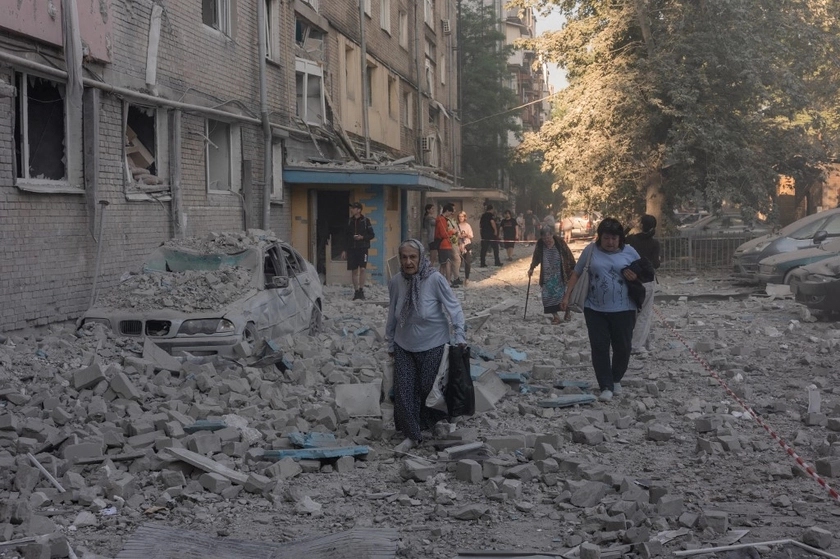
Russia has probably suffered 1.4 million total battlefield casualties, including dead, wounded, and missing soldiers, since invading Ukraine a second time in February 2022. Of those, between 400,000 and 450,000 were deaths on the battlefield, the CSIS said.
The CSIS figures tallied almost exactly with the estimates of Russian casualties from sources of Ukraine’s Armed Forces (AFU) as of Thursday.
In September 2022, the last public acknowledgment by the Kremlin of war casualties admitted 5,937 soldiers killed. As of mid-June 2026, independent researchers with the BBC Russian Service and Mediazona – using data from obituaries, funeral notices, court documents, and other open-source media – had confirmed 223,000-228,000 Russian soldiers killed in Ukraine – by name.
Poland, Ukraine Bust Russian-Backed Protest Network
Group researchers say the actual number is at least 352,000.
According to the CSIS report, Russian casualty rates in 2026 hit a near-wartime high of 30,000-34,000 killed, wounded, or missing per month – significantly exceeding Russian recruitment from all sources at around 27,000 per month.
The casualty exchange rate, standing at 2:1-3:1 in the Ukrainian army’s favor for the entire war, worsened to nearly 8:1 in early 2026, the CSIS report says.
That estimate closely aligns with reports from Ukrainian frontline units, as well as accounts provided by two field commanders to Kyiv Post. They said that the Russian army’s main assault tactic – sending unsupported infantry across terrain covered by Ukrainian drone swarms – usually leaves 1 or 2 survivors of every 10 soldiers, or fewer.
Donbas death rates comparable to WWI
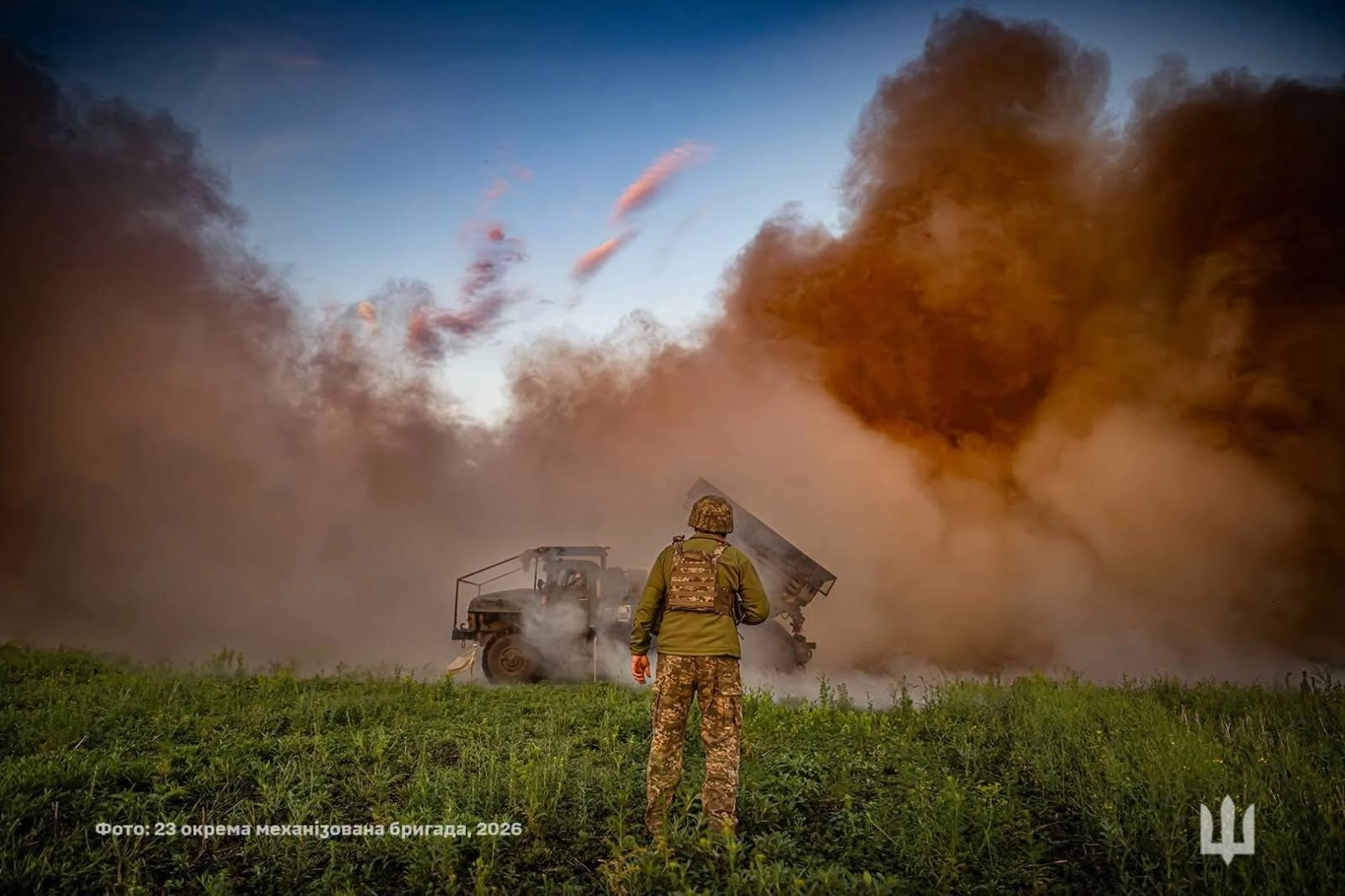
The CSIS report says that, despite crippling losses, Russian ground advances have slowed to a crawl, with ground gain rates averaging 50 meters (164 feet) per day towards the Donbas region road hub city of Kostiantynivka in the first half of 2026.
The pace and casualty rates of Russian assaults attempting to capture Ukraine’s Donbas region are comparable to the grinding Battle of the Somme in 1916, and 30-100 times slower than the pace of Russian advances in the first year of the Russo-Ukrainian war, the CSIS said.
Kyiv Post first reported the Russian Army’s suffering WWI-level casualty rates in November 2023.
The first six months of 2026 also saw the first Russian net loss of terrain to Ukrainian forces since 2024, with Ukrainian troops liberating about 400 square kilometers (154 square miles) of territory from Russian control in April and May. Across the front, Russian forces face effective defenses against which attacks are prohibitively expensive, the CSIS confirmed.
Most Ukrainian analysts credit the AFU’s mass fielding of tactical drones in 2025, along with more stable deliveries of military material and replacement troops, for fighting Russian forces to a standstill by the end of that year.
In June, Russian President Vladimir Putin, in a state TV interview with journalist Pavel Zarubin, claimed Russian forces were advancing “in virtually all sectors” and singled out Ukraine’s Donbas region as territory where Kremlin troops purportedly had scored recent, big ground gains. All sources except Russian state outlets, including even Russian field troops and pro-Moscow military bloggers, said Putin’s claims were false.
In June, an analysis published by the Institute for the Study of War (ISW), a US think tank, found that Russian army reports of Donbas operations grossly exaggerate “success,” in one case declaring the battlefield city of Konstantynivka was 96 percent under Russian control, while actual Russian forces’ hold in the area was 30-40 percent.
Kyiv’s making headway through deep strikes
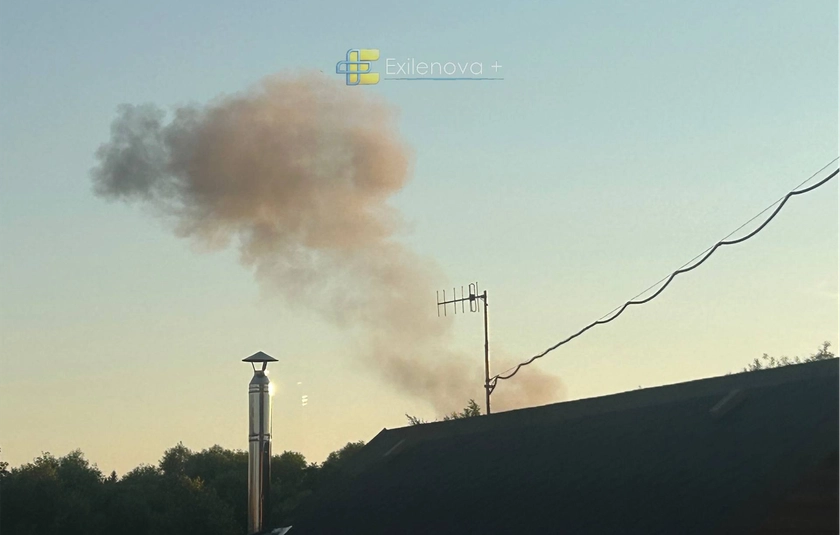
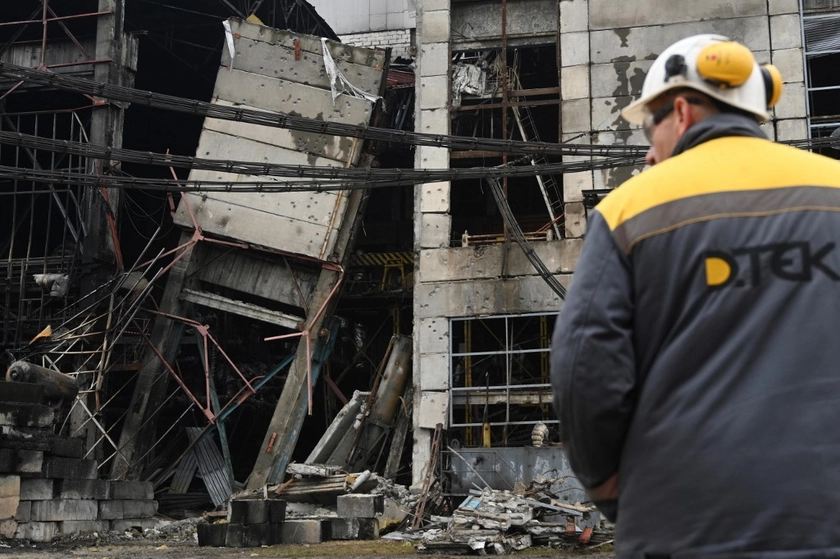
The CSIS report also confirms, despite Kremlin denials, that Ukraine’s long-range strike campaign against medium- and long-range targets is inflicting broad damage across Russia.
Researchers had analyzed evidence of more than 20,000 incidents and confirmed successful hits by Ukrainian aircraft on Russian energy infrastructure, industrial sites – including missile component factories – logistics infrastructure such as rail, bridges, and locomotive depots, as well as military targets including headquarters and ammunition dumps.
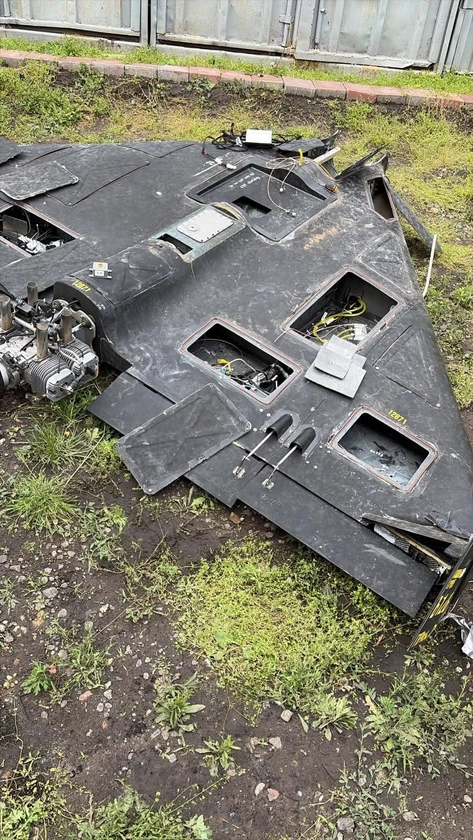
The report singled out Ukraine’s recently fielded, AI-enabled, low-cost Hornet drone as a key weapon in the strike campaign. According to the CSIS, Ukrainian drone forces are increasingly capable of reaching targets deep inside Russia, reducing oil-refining capacity, contributing to fuel shortages, disrupting supplies, and sinking Russian navy warships. The campaign has also destroyed Russian Air Force warplanes on the ground, degrading – but not fully halting – Russia’s war effort.
According to the report, Russia is suffering domestic economic strain from the Ukrainian attacks and from the heavy priority of the Russian economy on war production – causing inflation and harming living standards. In mainstream Russia, the most unpleasant war-related difficulties are rising grocery prices, tax hikes, internet restrictions, and speech crackdowns, the CSIS said.
At the epicenter of the Ukrainian middle strike campaign, in the occupied Crimea region and occupied territories bordering it, local residents are also suffering, including closed beaches, disrupted fuel and electricity, and a collapsing tourist industry.
The CSIS report says that Ukraine’s attacks are compounding Russian recruitment shortfalls and public hardship. Putin’s objectives – subjugating Ukraine and weakening NATO – remain unmet, and there is little evidence the Kremlin can achieve those objectives in the future, the CSIS said.
Putin, on Sunday, commented to the state news agency Vesti and said Ukrainian strikes against Russia are diversions that will not work.
“We do not exclude the possibility of attempts by the Ukrainian Armed Forces [to make attacks] with the aim of diverting our attention and our forces from reaching the main objective – the final liberation of Donbas and Novorossiya,” he said.
NOTE: “Novorissiya” is common Russian state-media shorthand for Ukraine’s southern Zaporizhzhia, Kherson, Mykolaiv, and Odesa regions – collectively, a land area comparable to the country of Bulgaria or the US state of Pennsylvania. About 6.2-6.5 million Ukrainians live in the four regions.
You can also highlight the text and press Ctrl + Enter