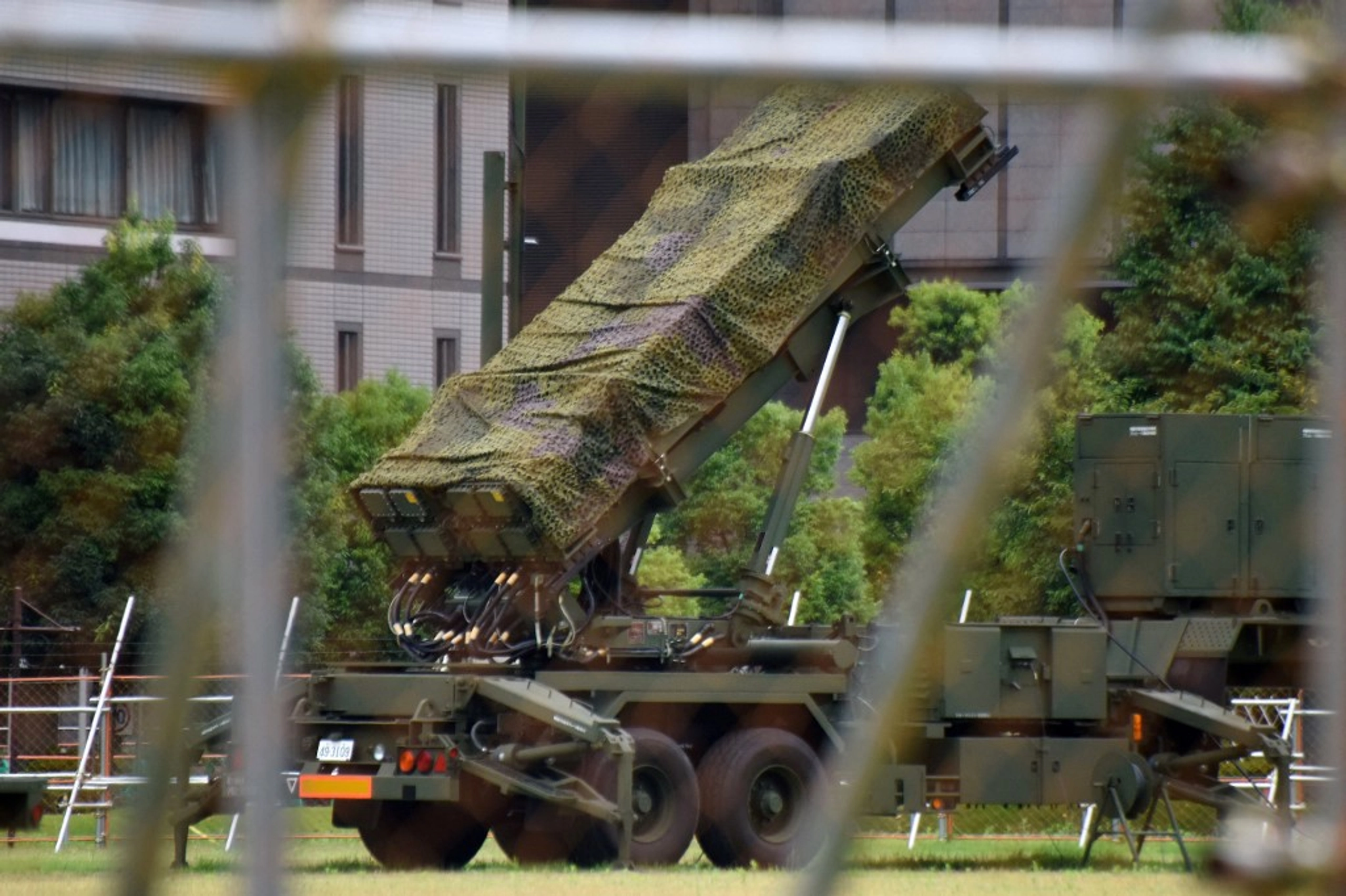
Defense Minister Mykhailo Fedorov has written to nearly 40 partner countries, urging them to immediately transfer Patriot missiles from existing stockpiles to Ukraine, in exchange for future deliveries already contracted for Kyiv.
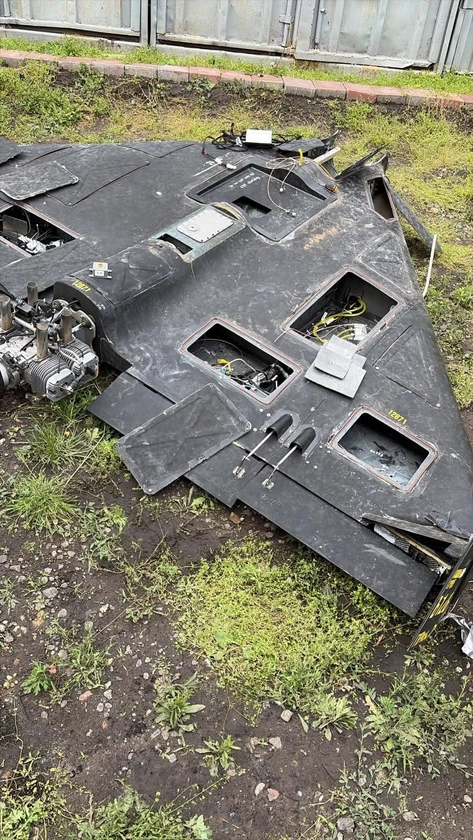
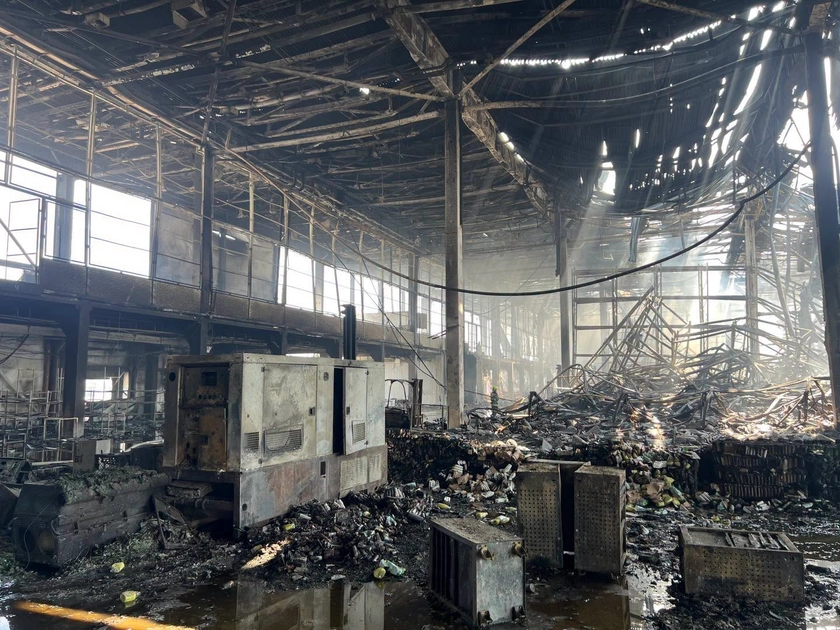
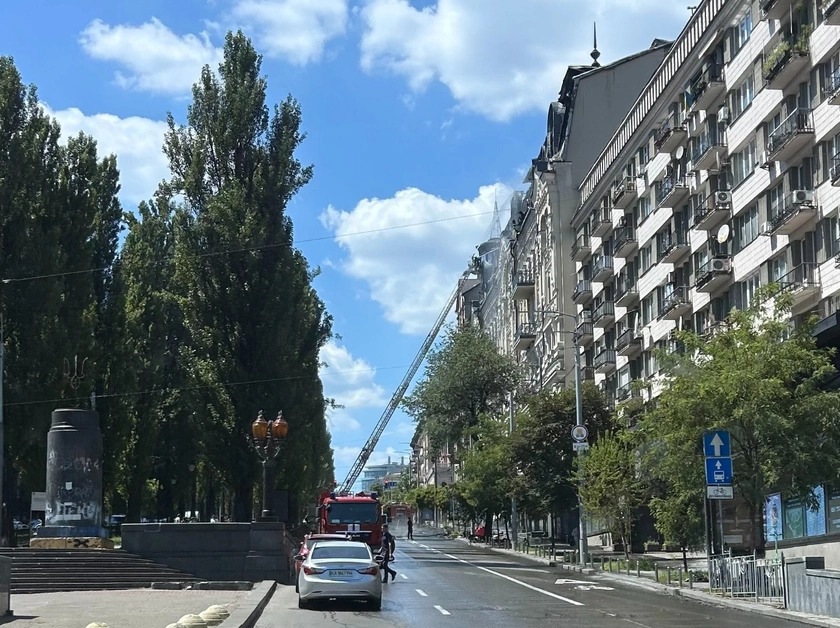
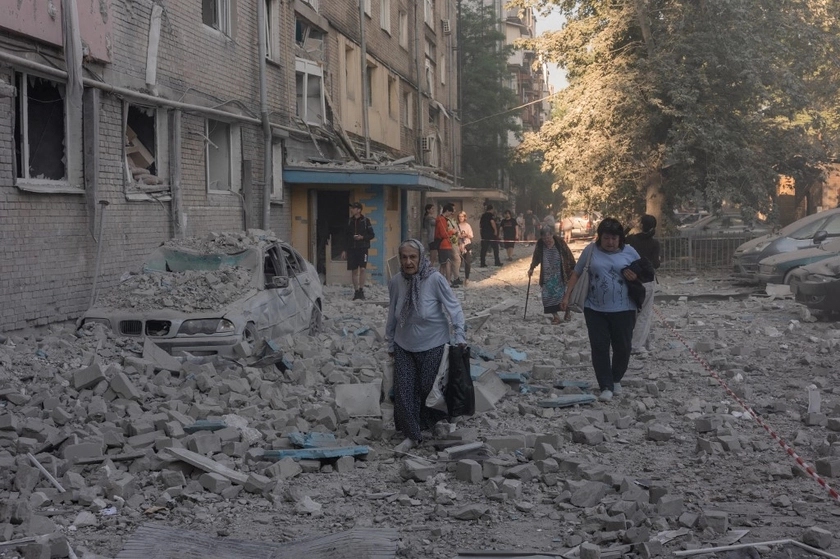
The appeal follows what Fedorov described as one of the largest Russian attacks on Ukraine to date, in which Russian armed forces launched nearly 500 attack drones and 77 missiles, including 25 ballistic or hypersonic weapons overnight, according to his Telegram channel.
JOIN US ON TELEGRAM
Follow our coverage of the war on the @Kyivpost_official.
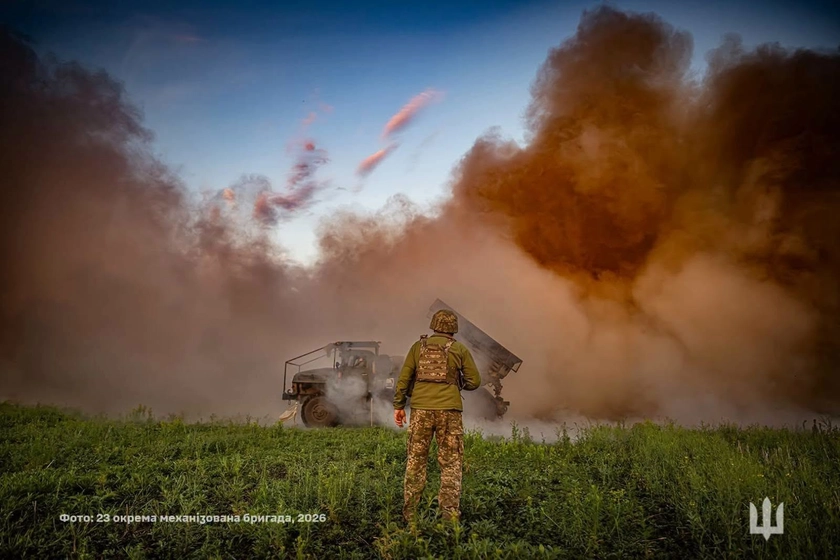
“Thanks to the professionalism of our soldiers and support from partners, we managed to intercept more than 90% of cruise missiles and 90% of Shahed-type attack drones,” Fedorov said, adding that Russia is “intensifying strikes on Ukrainian cities” as it has failed to “achieve its goals on the battlefield.”
“At the same time, shooting down ballistic missiles remains a key challenge due to a shortage of missiles for Patriot systems,” he continued.
Efforts to secure more interceptors
According to Fedorov, the Ministry of Defense signed a record contract in April for hundreds of PAC-2 missiles for Patriot systems with Germany’s support, with deliveries set to begin over the coming years.
He added that Ukraine has also taken its first step toward purchasing around 100 Patriot missiles, worth $1 billion, using an EU loan.“This year, Ukraine also began receiving missiles from European partners’ stockpiles for the first time,” Fedorov said, noting that implementing the NATO After Action Review standard has already “more than doubled the effectiveness of Patriot systems against maneuverable Iskander missiles.”
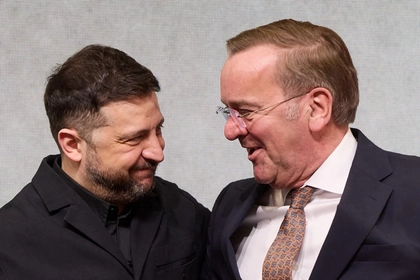
Pistorius: Ukraine War Nears Critical Turning Point, NATO Weighs €40B Aid Fund
After-action review is a standard combat-analysis procedure in which Ukraine’s Air Force and military personnel study every missile and drone route, interception point and other technical details to identify why certain targets were missed.
Fedorov said this process has driven the reorganization of Ukraine’s air defense system, including force deployment and command coordination. Interceptor drone supplies also rose 2.6 times during the same period, supporting Ukraine’s stated goal of reaching a stable 95% interception rate for aerial targets.
Still, he said, “this is not enough – Ukraine critically needs additional missiles for Patriot systems,” pointing to stockpiles held by partner nations as the fastest source of relief.
Race against the NATO summit
Fedorov called on partners to scale up contributions through the Priority Ukrainian Requirements List (PURL) and JUMPSTART mechanisms, emphasizing that they’re the fastest and most reliable ways to supply Patriot missiles.
“It is critically important that a decision be made before the NATO summit,” he said, adding that “the speed of our partners’ response now directly determines the protection of Ukrainian skies, critical infrastructure, and the lives of our people.”
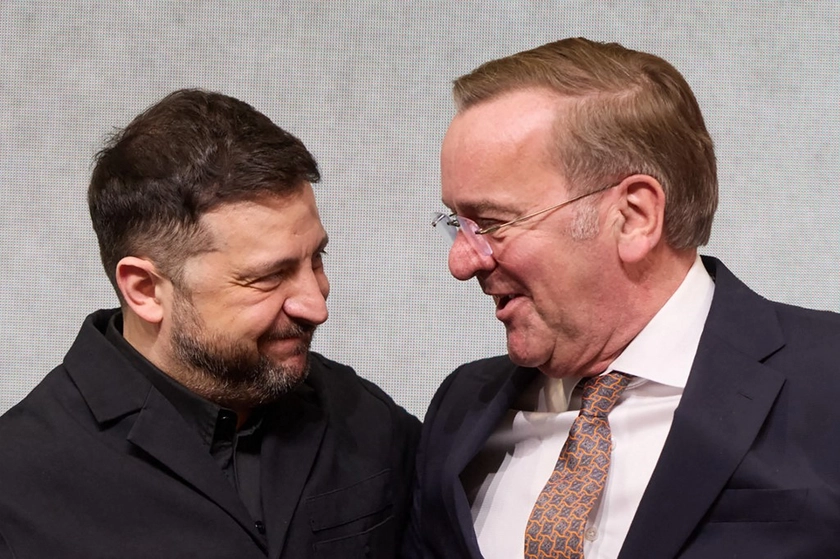
Ahead of the NATO summit in Ankara on July 7-8, where allies are expected to approve a €40 billion ($43 billion) support fund for Ukraine, German Defense Minister Boris Pistorius said the war in Ukraine has entered a “potentially decisive phase,” confirming Germany will contribute around €12 billion ($13.7 billion).
In May, Norway committed an additional NOK 2.8 billion (about $302 million) to Ukraine through PURL, bringing its total contribution to more than NOK 12.5 billion, or about $1.35 billion.
Ukraine confirmed nearly $5.5 billion had been mobilized through PURL overall, with 25 NATO member states and three partner countries participating.
Japan contributed as well in May, adding $14.7 million to PURL for non-lethal equipment, part of a broader $1.5 billion raised this year from 28 participating countries.
In June, the Netherlands pledged €500 million (about $580 million), split between drones and PURL, bringing its total PURL contribution to €1 billion (about $1.2 billion).
As of June 19, Italy confirmed it would not contribute to PURL at all, citing budget priorities ahead of national elections.
On June 28, Slovak Prime Minister Robert Fico said he will oppose the NATO funding initiative and send Slovakia’s delegation to the Ankara summit without a mandate to approve further military loans or financial contributions to Ukraine.
You can also highlight the text and press Ctrl + Enter