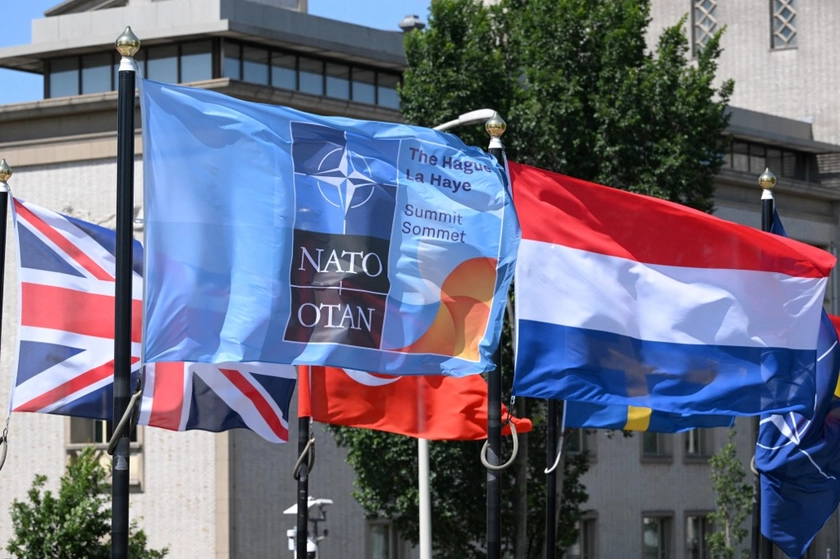
NATO leaders are expected to pledge €70 billion ($80 billion) in military equipment, assistance and training for Ukraine in 2026 at a summit in Ankara this week, according to a draft declaration seen by Reuters.
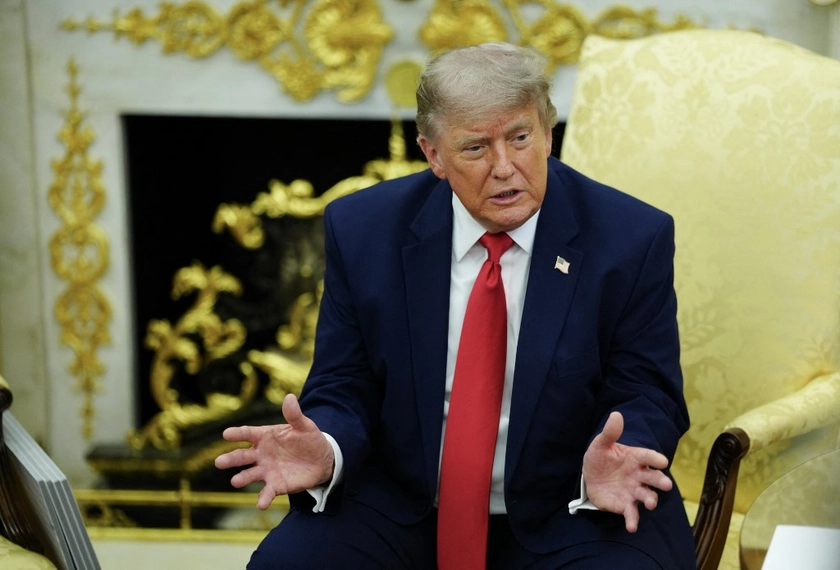
The two-day gathering, which begins on Tuesday, will bring together leaders from NATO’s 32 member states, including US President Donald Trump.
JOIN US ON TELEGRAM
Follow our coverage of the war on the @Kyivpost_official.
President Volodymyr Zelensky is also expected to attend a dinner with alliance leaders on Tuesday evening, alongside European Council President António Costa, European Commission President Ursula von der Leyen, and South Korean President Lee Jae-myung.
The pressure on NATO allies intensified overnight on Monday, when Russia launched a large-scale missile and drone attack on Kyiv, killing at least 17 people and injuring more than 50, according to Ukrainian officials.
Residential areas in the Podilskyi and Darnytskyi districts were heavily damaged. Ukraine’s Air Force said Russia launched 68 missiles and 351 drones in the attack, while Kyiv said it lacked sufficient Patriot interceptors to counter ballistic missiles.
NATO allies expected to renew Ukraine support
The draft declaration aims for NATO members to commit €70 billion in military support for Ukraine this year, and to maintain at least comparable levels of assistance in 2027.
The expected package is set to include military equipment, training, and other forms of support. Part of the funding is expected to come from existing bilateral commitments as well as the EU’s €90 billion ($103 billion) loan facility for Ukraine for 2026-27.
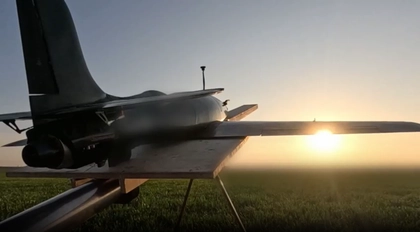
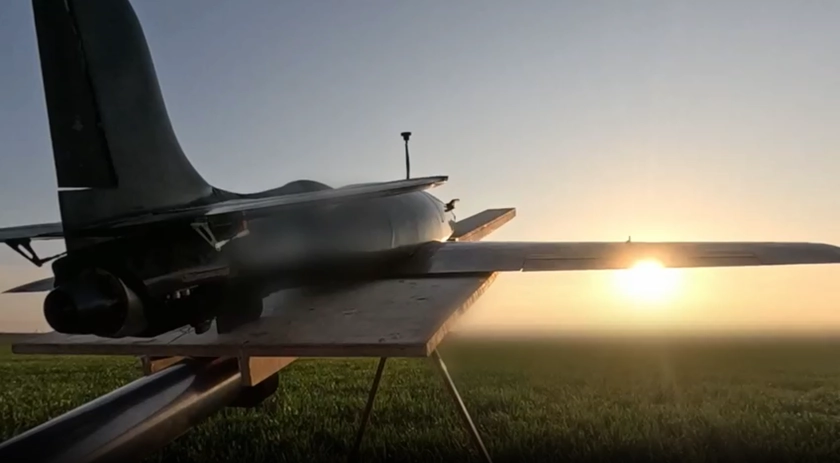
Jet-Powered Interceptor Drone Downs First Shahed in Ukraine, Arms Maker Says
The EU package includes an indicative €60 billion ($79 billion) for Ukraine’s defense needs, including investments in the country’s defense industry, procurement of weapons, and other military equipment.
However, the US is not expected to contribute any funding to the proposed package, according to Reuters.
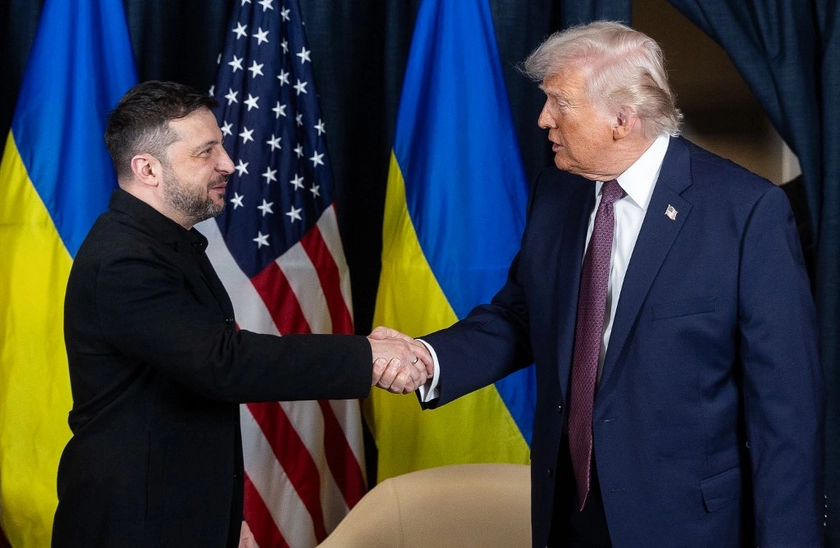
Zelensky and Trump discussed the situation on the front line and diplomatic efforts during Saturday’s phone call, agreeing to continue their discussion at the NATO summit, according to Zelensky’s office.
The commitment would come as Kyiv continues to press its partners for additional air-defense systems, missiles, drones, and other weapons needed to counter Russia’s continuing invasion.
Europe under pressure to take greater role in defense
The Ankara summit is expected to address the war in Ukraine, but the meeting will also focus on Europe’s efforts to shoulder a larger share of responsibility for NATO’s defense.
The Trump administration has repeatedly called on European allies to increase defense spending and reduce their dependence on the US for the continent’s security.
At last year’s NATO summit, allies agreed to work toward spending 5% of their gross domestic product (GDP) on defense and defense-related measures by 2035.
European leaders are expected to present the summit as evidence that the continent has begun to respond to US demands for a larger role in its own security.
NATO Secretary General Mark Rutte highlighted an additional $139 billion in defense spending by European allies and Canada in 2025, as member states face growing pressure to turn last year’s pledge to spend 5% of GDP on defense and security-related needs by 2035 into concrete national plans.
NATO will also host a defense industry forum in Ankara on Tuesday, where officials expect agreements worth tens of billions of dollars to be announced.
Concerns grow over possible Russian provocation against Poland
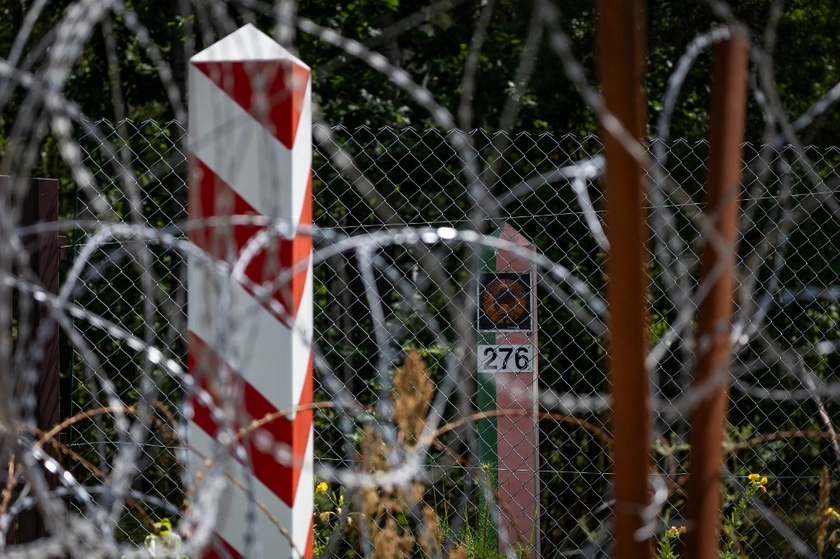
The summit will also take place amid reports that US intelligence has warned Poland that Russia may be preparing an armed provocation on Polish territory aimed at testing NATO’s resolve.
The reported scenarios include attacks or sabotage targeting critical infrastructure, potentially accompanied by efforts to blame Ukraine and deepen tensions between Warsaw and Kyiv.
Polish officials have previously warned that Moscow could use false-flag operations and information warfare to create a pretext for escalation against a NATO member.
Following this, Poland’s minister overseeing special services, Tomasz Siemoniak, said last week that Russia could seek to conduct sabotage operations aimed at inflaming tensions between Poles and Ukrainians.
He said Polish authorities had identified suspicious activity near military facilities, humanitarian organizations, and infrastructure connected to Polish-Ukrainian cooperation.
However, Siemoniak said there was no indication of a specific imminent threat. The warnings nevertheless underscore why NATO’s eastern-flank security, deterrence, and response to hybrid warfare are expected to feature prominently in Ankara.
Then there is mounting concern over Russia’s efforts to test NATO unity through disinformation, sabotage, and other forms of hybrid warfare.
Meanwhile, Polish Foreign Minister Radosław Sikorski said Moscow was seeking to divide allies and drive a wedge between NATO and Ukraine. He warned that any attempt by Russia to test the alliance’s resolve through a provocation would be “great recklessness and madness.”
“Russia is waging hybrid warfare. It is conducting cognitive warfare. It is trying to divide us among ourselves, divide allies and drive a wedge between us and Ukraine,” Sikorski added.
You can also highlight the text and press Ctrl + Enter