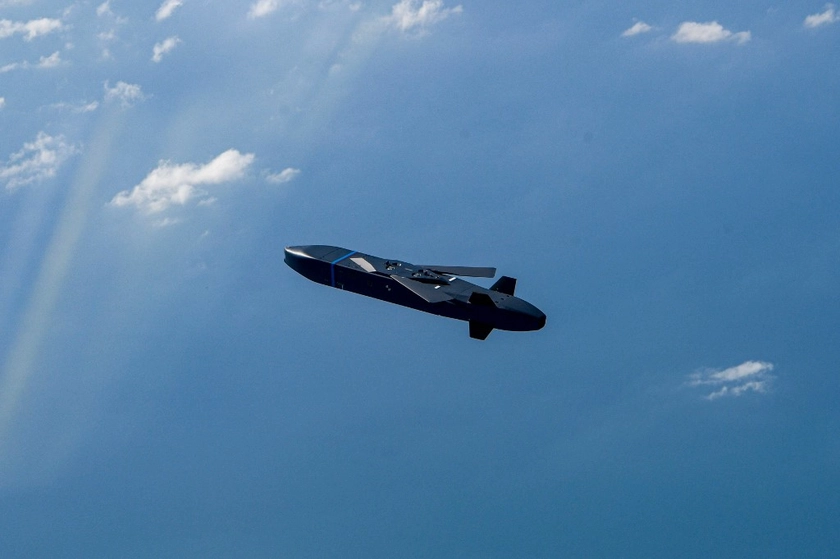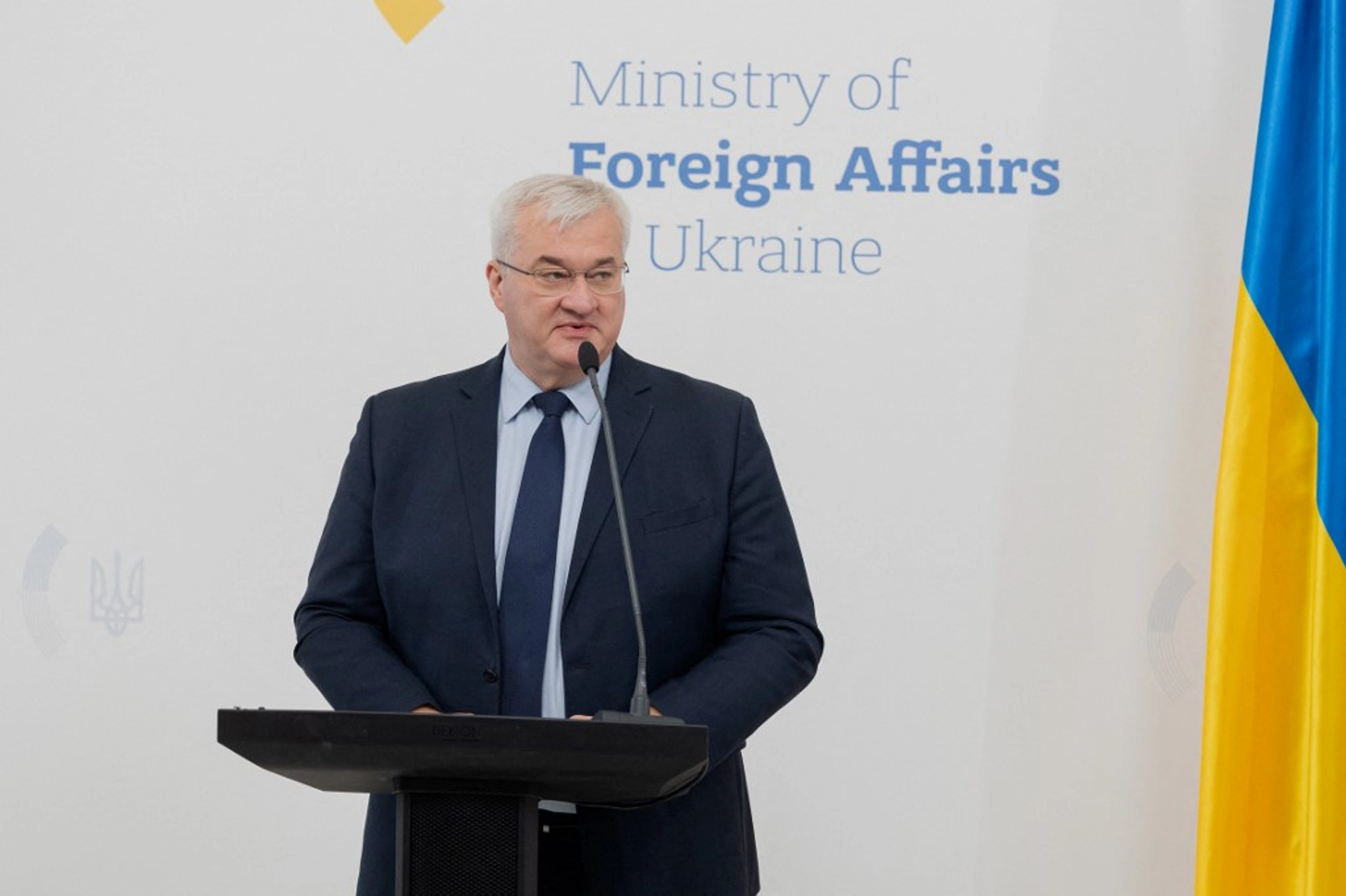
Foreign Minister Andrii Sybiha urged NATO leaders to respond decisively to Russia’s overnight large-scale strike on Ukraine ahead of this week’s summit in Ankara, warning that Russian President Vladimir Putin will continue targeting civilians unless Ukraine receives stronger air defense support.
In a Monday X update, Sybiha described the overnight attack on Kyiv as one of the most brutal ballistic missile assaults on the capital since the start of Russia’s full-scale invasion.
JOIN US ON TELEGRAM
Follow our coverage of the war on the @Kyivpost_official.
“Putin’s message to Ankara is simple: He is going to point ballistic missiles at sleeping children and continue the murder as long as he can,” Sybiha wrote.
He questioned how NATO leaders would respond, warning that weak decisions would only embolden Moscow.
“No task is more urgent”
Sybiha said protecting Ukrainian civilians from Russian ballistic missile attacks should be the alliance’s top priority at the NATO summit.
“Protect Ukrainian children from Russian ballistic terror. No task is more urgent. This is our main message to the NATO summit this week,” he wrote.
He added that the summit’s strongest outcome would be decisions that significantly strengthen Ukraine’s ability to defend its skies.
Patriot missiles “must be here”
Sybiha urged allies to immediately transfer additional PAC-3 Patriot interceptor missiles to Ukraine, arguing that they were designed to protect civilians from exactly this type of attack.
“There are thousands of them in storage around the world, kept for potential threats,” he wrote.
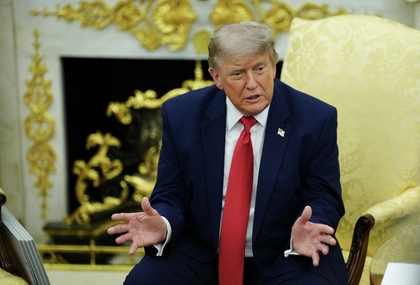
Make NATO European? How Trump Is Reshaping the Alliance
“But the threats in Ukraine are not potential. Russian missiles are killing people every week.”
He said Ukraine is currently the only country subjected to ballistic missile attacks every week and said decisions on additional air defense capabilities must be made immediately because “for us, time is measured in human lives.”
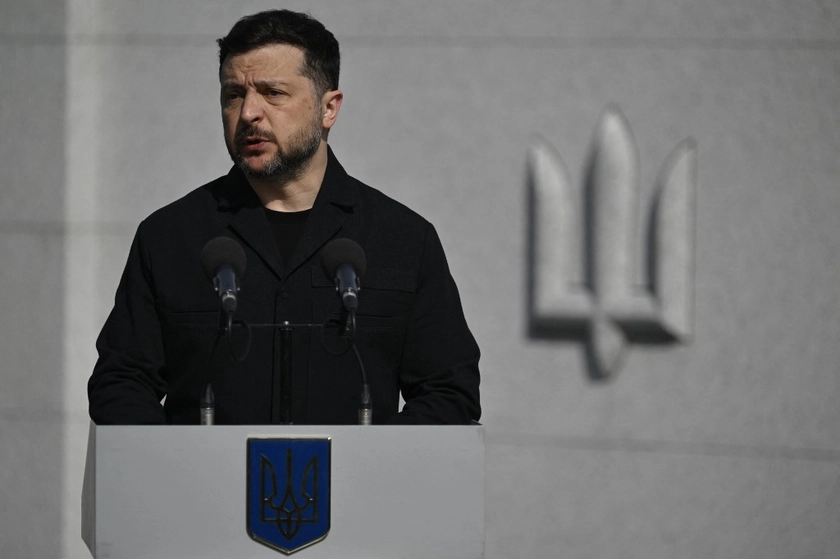
President Volodymyr Zelensky also urged Ukraine’s allies to provide more Patriot interceptor missiles after months of warning about critical shortages.
He said Ukraine successfully intercepted drones and cruise missiles but lacked sufficient capabilities to stop ballistic missiles, which caused heavy civilian casualties in Kyiv and the surrounding region.
The missiles have been in high demand in recent years, though production has been hampered by backlogs as the war in Ukraine and Iran deplete global stockpiles.
Germany, which currently produces the PAC-2 variants, with some destined for Ukraine, is reportedly eyeing a joint production deal with Washington ahead of the NATO summit in Ankara.
Major barrages hit Kyiv within days
According to the Ukrainian Air Force, Russia launched 68 missiles and 351 attack drones overnight between Sunday and Monday.
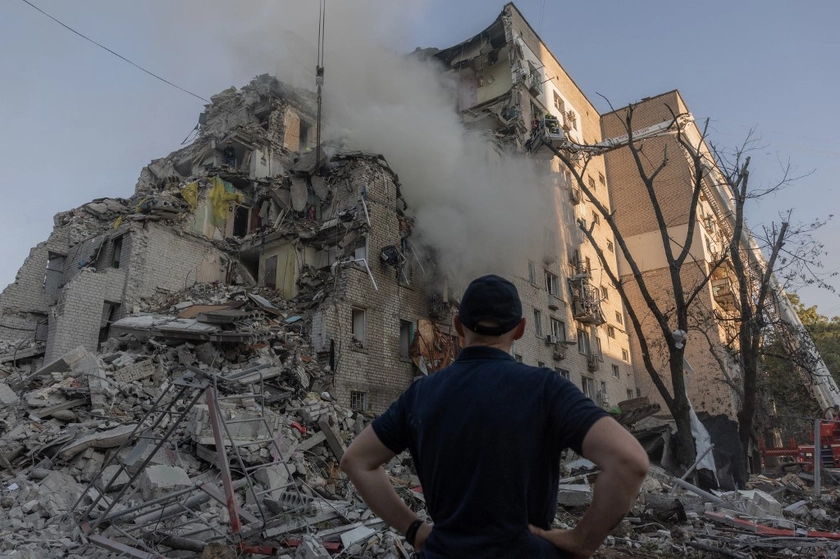
The attack killed 11 people in Kyiv and three more in the Kyiv region, while dozens of others, including children, were injured.
Residential apartment buildings were among the sites hit in the capital. Ukrainian emergency services rescued 64 people, including two children, from damaged buildings, while rescue operations continued throughout the day.
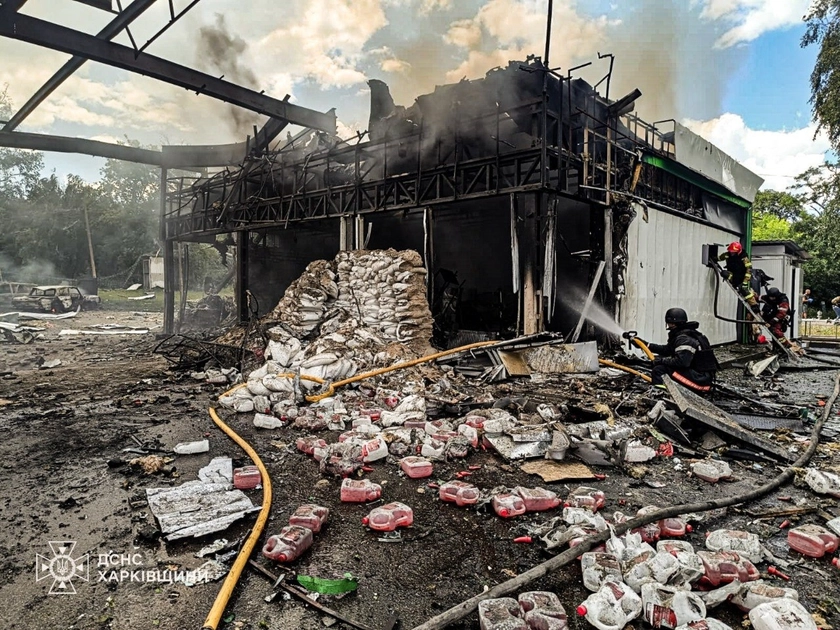
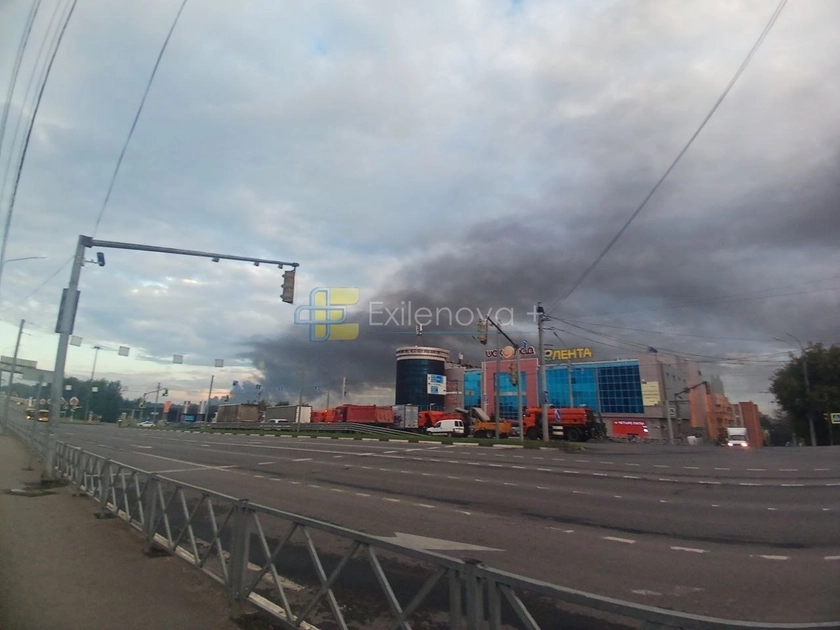
The attack also prompted authorities to cordon off Vyshneve, a suburb southwest of Kyiv, as the Russian attack led to hours of secondary explosions that persisted until late morning.
The attack came just days after another major strike on Thursday, July 2, that killed at least 30 after a residential building was partially destroyed.
Kyiv Mayor Vitali Klitschko has declared Tuesday, July 7, a day of mourning, just days after declaring the previous Friday a day of mourning following the strike on Thursday.
You can also highlight the text and press Ctrl + Enter