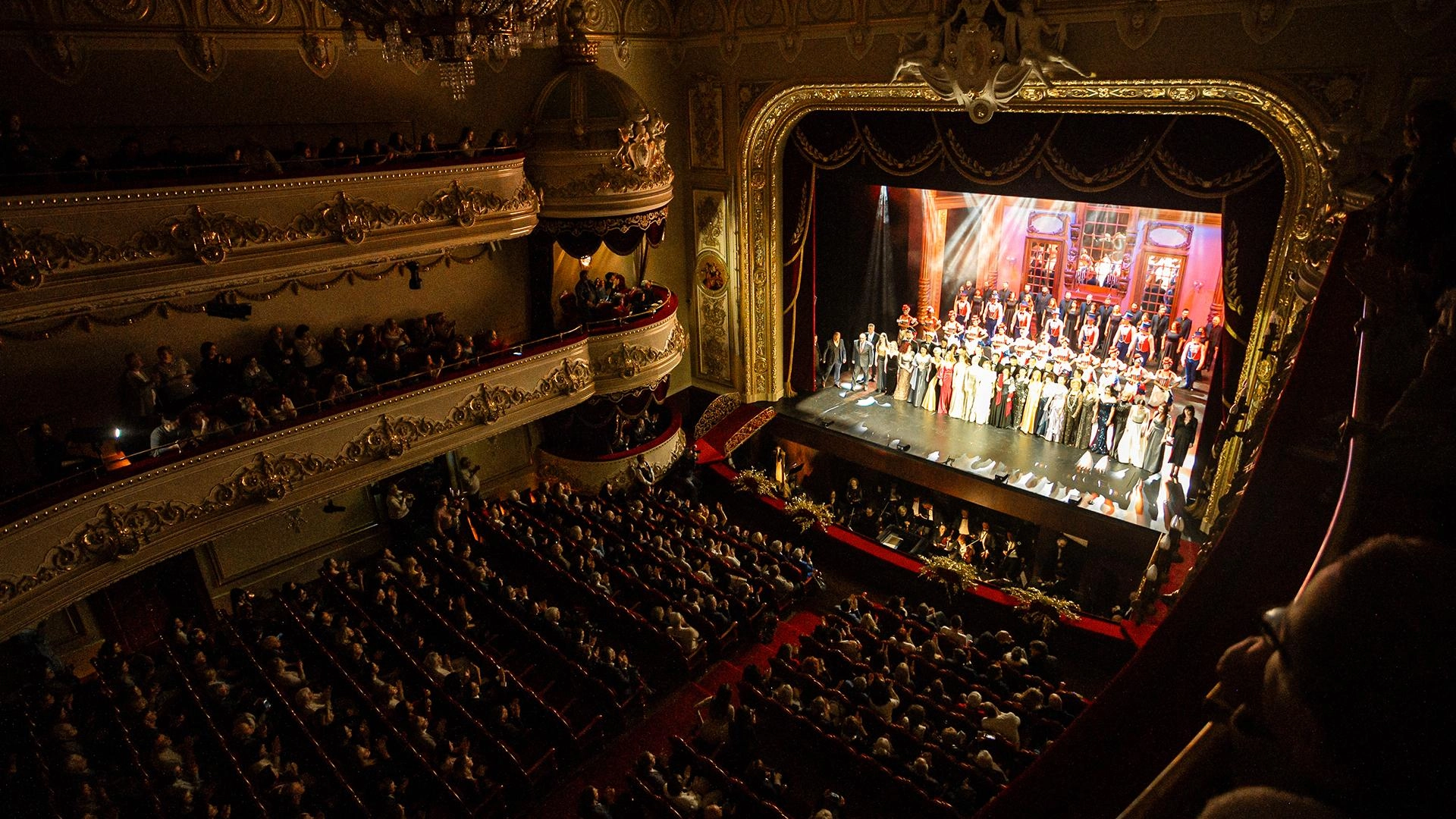
Its story began more than a century ago, yet today, the Kyiv National Academic Theatre of Operetta is undergoing one of the most significant transformations in its history.
Far beyond preserving theatrical traditions, the institution has redefined itself as a center for contemporary musical theater, cultural diplomacy, social inclusion and charitable initiatives, demonstrating how culture can strengthen a nation even in wartime.
JOIN US ON TELEGRAM
Follow our coverage of the war on the @Kyivpost_official.
A theater with deep historical roots
The history of Kyiv National Academic Theatre of Operetta officially dates back to 1934, although historians point to two milestones: December 1934, when the company opened with Carl Zeller’s “The Bird Seller,” and January 1935, when its first full theatrical season began.
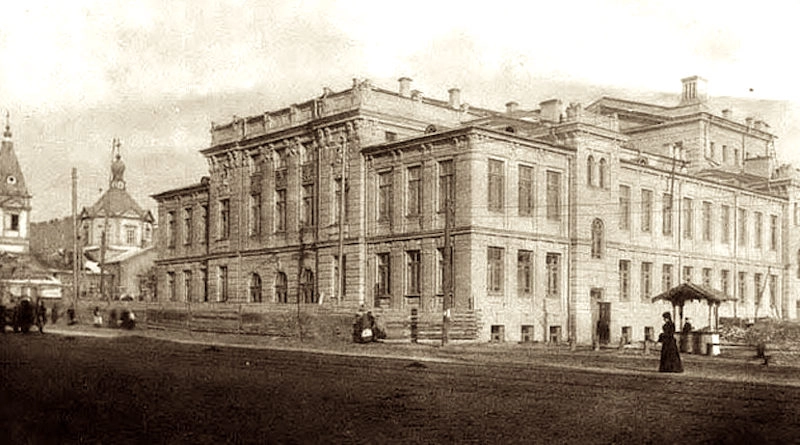
The building itself, however, predates the theater by decades.
Constructed in 1902 as the Trinity People’s House, it quickly became one of the main centers of Ukrainian cultural life. In 1907, renowned actor and director Mykola Sadovsky founded here the first permanent professional Ukrainian theater – a landmark moment in the country’s theatrical history.
Until then, most Ukrainian theater companies had been itinerant, making the creation of a permanent stage a turning point for the development of professional Ukrainian theater.

US Intelligence on Ukrainian Drone Strikes Prompts Shift in Trump’s Rhetoric
Its stage welcomed legendary cultural figures including Mariia Zankovetska, Mykola Sadovsky, Panas Saksahanskyi and Ivan Karpenko-Karyi. Music by composer Mykola Lysenko was performed here, while the venue itself became a gathering place for writers, artists, composers and public intellectuals who shaped Kyiv’s cultural identity in the early 20th century.
The theater’s first artistic director, Serhiy Karhalskyi, insisted on maintaining Ukrainian-language productions despite growing political pressure. He was later persecuted during Soviet leader Joseph Stalin’s repressions.
Reinventing the musical theater
Despite its long history, the theater has never become a museum piece.
Instead, it has consistently reinvented itself, combining respect for its historical legacy with an openness to new artistic ideas.
Once known primarily as a classical operetta theater, it has grown into a contemporary musical theater presenting opera, operetta, musicals, drama productions, concert programs, chamber performances and experimental projects. Alongside its Main Stage, the institution now operates Stage Lab, Stage 77, the “Theater in the Foyer” initiative and the Ivan Kozlovsky Chamber Stage.
“We deliberately continue expanding our artistic boundaries,” said Bohdan Strutynskyi, the theater’s director general and artistic director.
“Today’s operetta theater is about much more than classical operetta. We want audiences to come to a contemporary musical theater where Ukrainian musicals, world classics and experimental productions exist side by side,” he added.
That vision has largely shaped the theater’s development over the past decade, making it one of Ukraine’s most successful and best-attended musical theaters.
Building a modern Ukrainian musical tradition
Creating original Ukrainian productions has become one of the theater’s defining priorities.
Rather than relying solely on internationally licensed musicals, the company increasingly commissions and stages original works created by Ukrainian composers, playwrights and directors.
One of its most ambitious productions is “Tiger Trappers” (Tyhrolovy), directed by Serhiy Pavliuk and based on Ivan Bahrianyi’s celebrated novel. Created during Russia’s full-scale invasion, the musical was developed entirely in-house, from its original score to its stage production.
Young Ukrainian composers Kyrylo Beskorovainyi, Anton Humaniuk and Bohdan Reshetilov were entrusted with creating the music – a deliberate decision by the theater to invest in a new generation of artists.
“We understood from the very beginning that ‘Tiger Trappers’ was, above all, a cultural mission,” Commercial Director Oksana Kohut said. “The greatest success was that the production combined artistic quality with commercial appeal. It proved that Ukrainian stories can be contemporary, ambitious and capable of attracting large audiences.”
The production went on to receive Ukraine’s highest theatrical honors, winning both the Kyiv Pectoral Award (2023) and the GRA National Theatre Award (2024) for Best Musical Production.
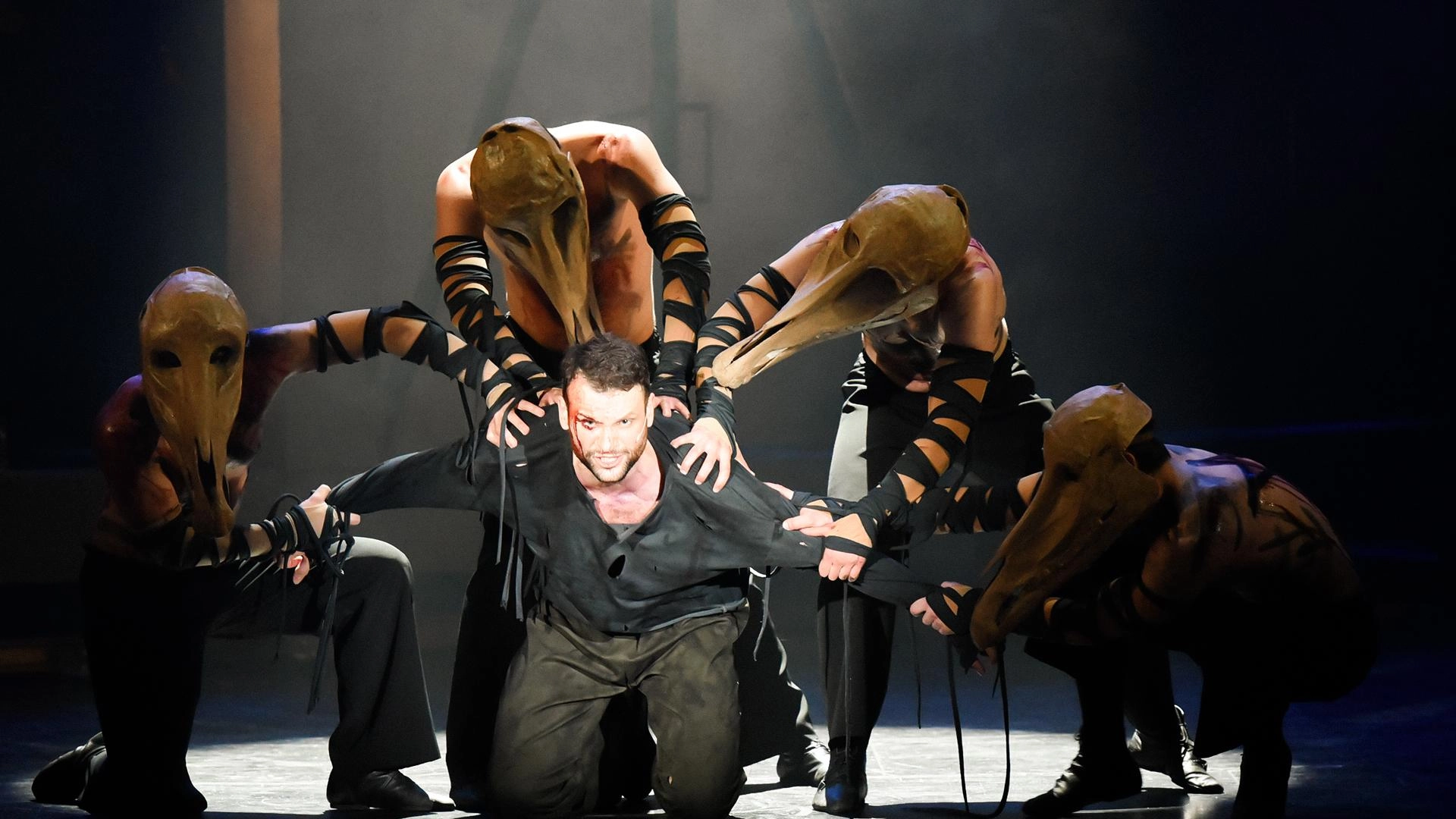
Another recent premiere, “Insects,” directed by Oksana Taranenko, offers a contemporary interpretation of Karel and Josef Čapek’s classic play “The Insect Play.”
Entirely developed in Ukraine, from concept to production, the musical explores a society gradually losing its humanity – a story that has acquired new relevance amid Russia’s war against Ukraine. Composer Ivan Nebesnyi and librettist Mykola Brovchenko created a surreal theatrical world that resonates powerfully with contemporary audiences.
The production also brought together an international creative team, including German-Ukrainian scenographer Olha von Wahl and costume designer Karl-Christian Andresen, who previously collaborated with legendary fashion designer Karl Lagerfeld.
The theater is already developing another ambitious Ukrainian project – a large-scale musical dedicated to eighteenth-century composer Maksym Berezovsky, whose legacy has long been appropriated by Russian cultural narratives.
“We want the world to rediscover Ukrainian composers,” Strutynskyi said. “This is not only about music. It is about restoring historical memory and reaffirming our cultural identity.”
Balancing global classics and Ukrainian stories
Original Ukrainian productions now stand alongside internationally acclaimed musicals that continue to attract full houses.
“Chicago” has enjoyed several sold-out seasons, while productions including “The Addams Family,” “Dorian Gray,” “Some Like It Hot,” “The Sound of Music” and “Fiddler on the Roof” remain audience favorites.
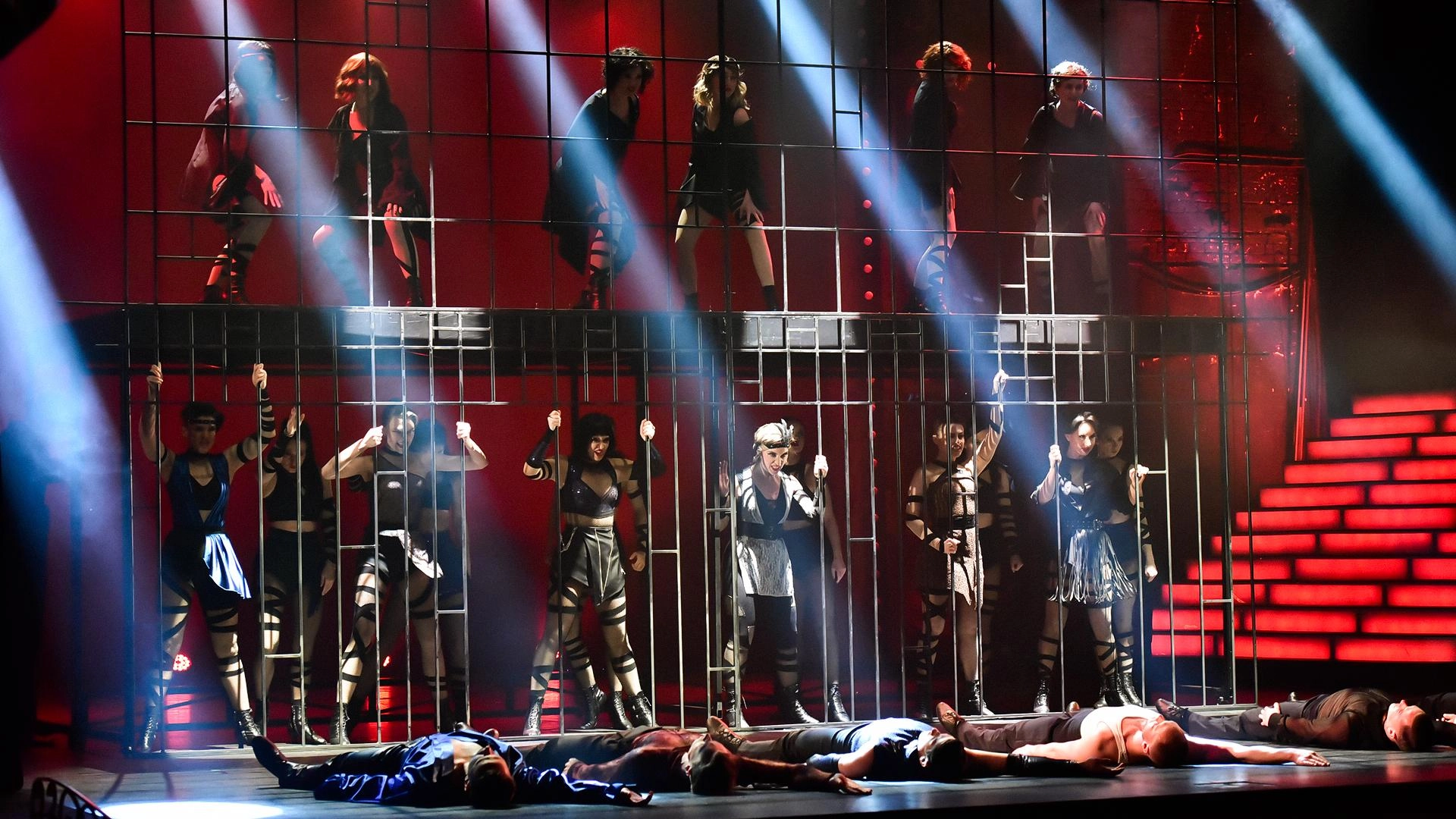
The balance is intentional.
While internationally recognized musicals offer audiences moments of escape during wartime, original Ukrainian productions invite them to reflect on history, identity and contemporary reality through the language of musical theater.
Theater as cultural diplomacy
Since Russia’s full-scale invasion, the National Operetta Theatre of Ukraine has expanded its mission far beyond the stage.
Alongside premieres and touring productions, it has become a platform for cultural diplomacy, international cooperation and charitable initiatives connecting Ukraine with audiences around the world.
The theater has launched numerous projects with foreign embassies and cultural institutions. Together with the Embassy of Spain, it staged the zarzuela “The Saffron Rose.” In partnership with the Italian Cultural Institute, it produced “The Ball,” directed by Matteo Spiazzi and choreographed by Katia Tubini, exploring parallels between the histories of Italy and Ukraine.
Partnerships with diplomatic missions from across Europe and beyond have become a permanent part of the theater’s international agenda.
The company also regularly organizes charity concerts supporting the Ukrainian military, children’s hospitals, rehabilitation centers and civilians affected by the war.
One of its signature initiatives is a candlelit concert series dedicated to Ukrainian Baroque and Classical composers – Maksym Berezovsky, Dmytro Bortniansky, Mykola Diletsky and Artemii Vedel – whose legacies were long overshadowed by Russian imperial narratives. Every concert also raises funds for charitable causes.
Art as rehabilitation
The theater has developed creative rehabilitation projects for wounded Ukrainian soldiers.
Professional artists work alongside recovering soldiers to create paintings that begin in military hospitals and are later completed in artists’ studios before being sold at charity auctions. The proceeds go directly to the veterans who helped create the works.
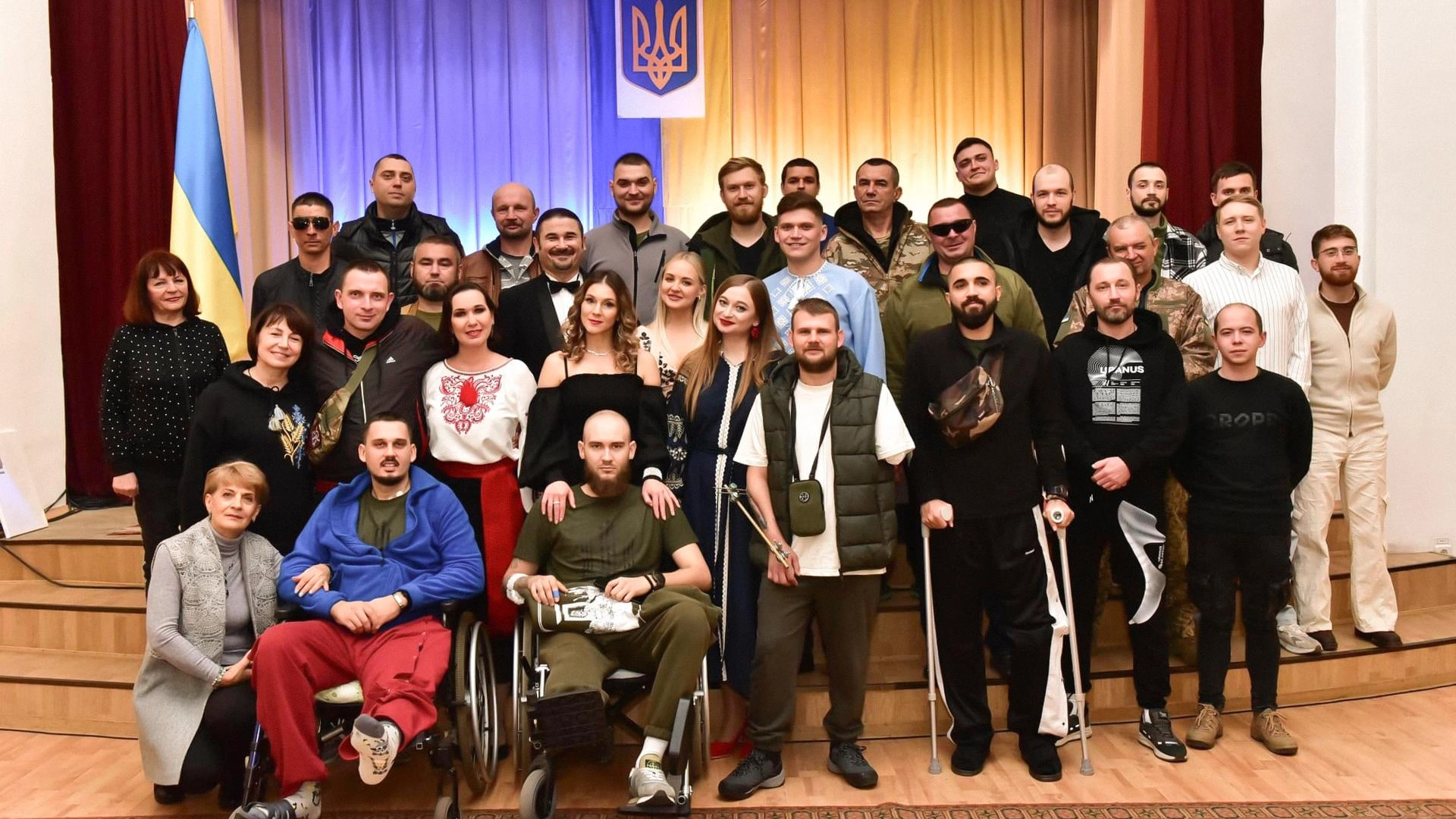
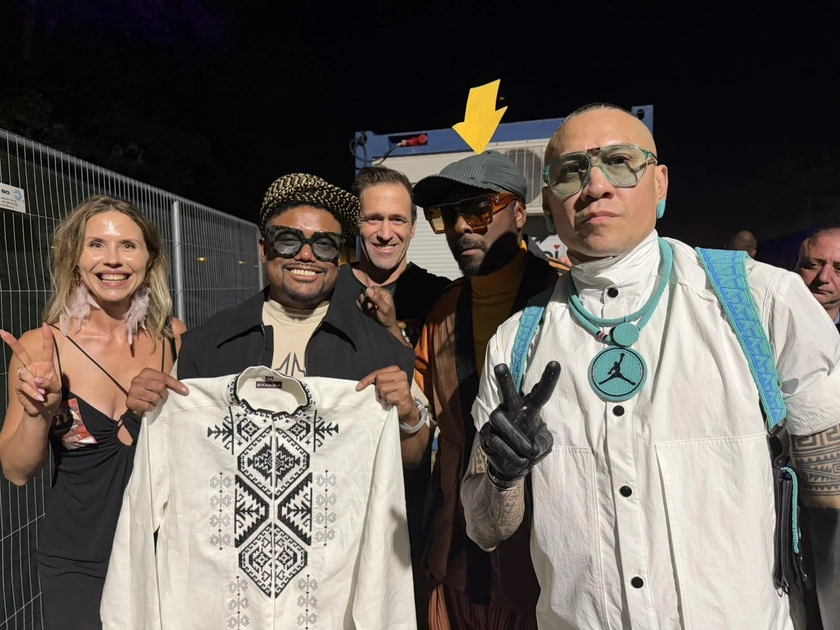
Another initiative, “Ornament,” held on World Vyshyvanka Day, combined music, fashion, art and fundraising to support a Kyiv rehabilitation center treating wounded Ukrainian soldiers.
The theater also collaborates with Ukraine’s Ministry of Foreign Affairs and the Diplomatic Academy of Ukraine to organize cultural charity events benefiting hospitals, rehabilitation centers and humanitarian initiatives.
O-FEST: a festival of solidarity
The theater’s international mission is perhaps best reflected in O-FEST, the International Festival of Arts held in Bucha.
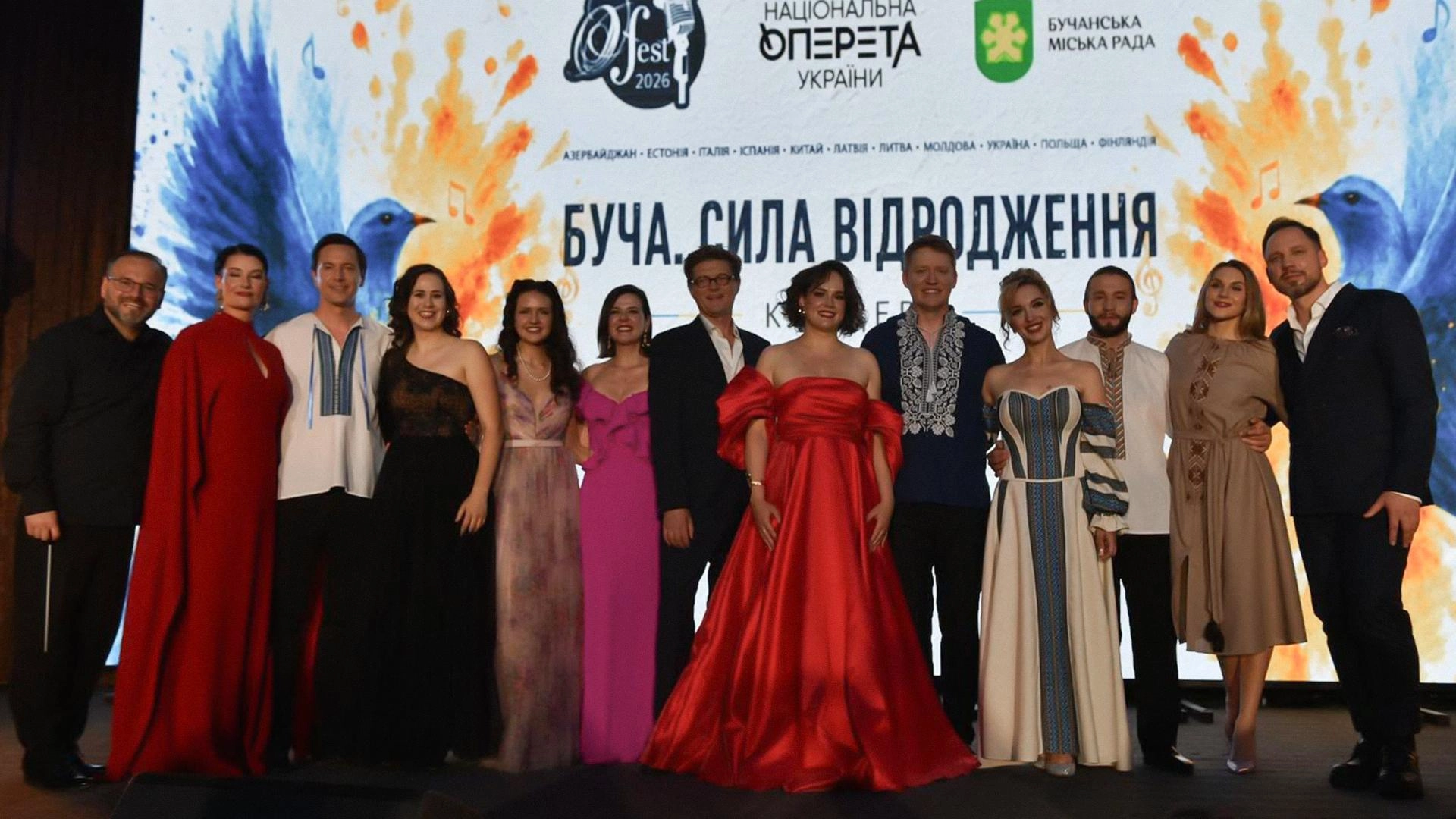
Before the full-scale invasion, the festival attracted performers from more than 15 countries. After Bucha’s liberation, its return became a symbol of international solidarity with Ukraine.
Despite wartime risks, artists from eight countries traveled to Bucha this year to perform alongside Ukrainian musicians.
“The festival in Bucha has long ceased to be simply an artistic event,” Strutynskyi said. “Today it is a platform for international solidarity, where culture speaks the language of support.”
He believes the festival’s greatest achievement extends beyond its performances.
“The most valuable outcome is the human connection. Artists return home carrying Ukraine with them, and many continue working with us on future international projects,” he added.
Theater for everyone
Accessibility has become another defining priority.
The National Operetta Theatre was among the first performing arts institutions in Ukraine to introduce audio description for visually impaired audiences. Supported by the Ukrainian Cultural Foundation, productions including “Dorian Gray,” “The Addams Family” and “Tiger Trappers” were adapted with tactile materials and Braille guides.
The theater has also introduced sign-language interpretation for selected performances and plans to expand these adaptations in future seasons.
Its charitable program, “A Ticket to the Theater – A Gift for Our Heroes,” allows audiences to donate theater tickets to Ukrainian soldiers and veterans.
Looking ahead
Preparations for the new season are already underway, with several major premieres scheduled for September.
Over more than ninety years, Kyiv’s National Operetta Theatre has survived political repression, war and profound historical change.
Today, however, it represents something far greater than its original genre.
By combining artistic innovation with cultural diplomacy, social responsibility and international cooperation, the theater has become a compelling example of how Ukrainian culture continues to evolve – and to speak confidently to the world even in the midst of war.
You can also highlight the text and press Ctrl + Enter