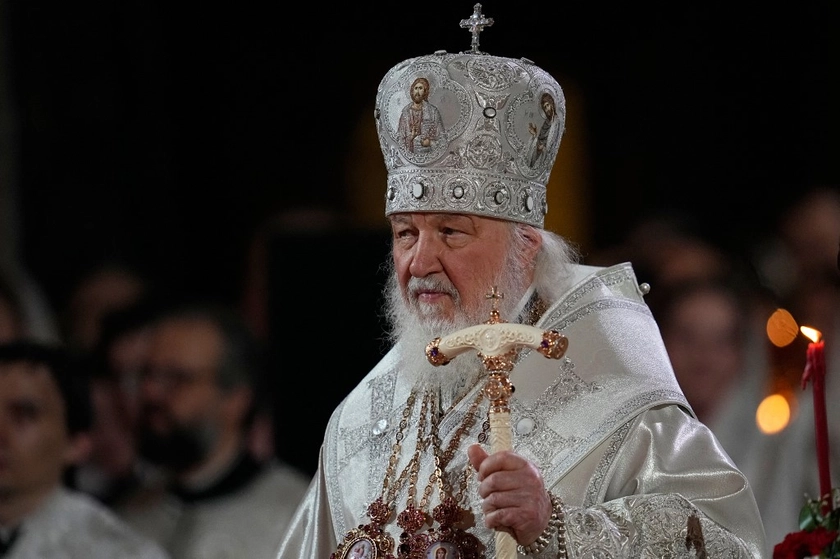
Structures linked to the Russian Orthodox Church (ROC) are presenting themselves as Ukrainian religious communities in Europe in an attempt to influence Ukrainian refugees, according to a study by the Institute of National Resilience and Security.
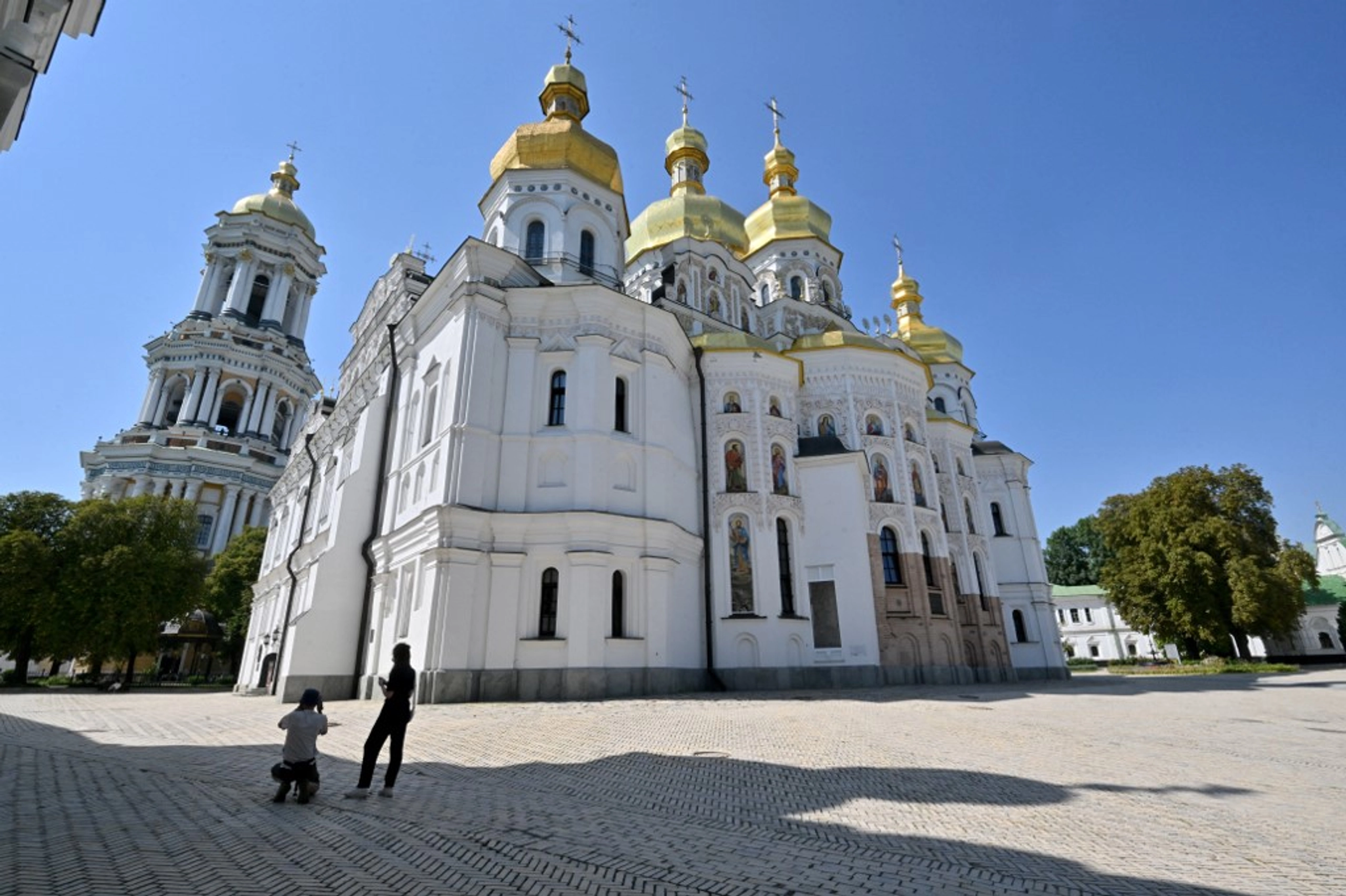
The study, titled “The ROC in Europe: Infrastructure of Russian Influence” presented at a forum on July 17, says Russian Orthodox organizations operate across Europe through three jurisdictions: the Russian Orthodox Church, with up to 380 parishes; the Russian Orthodox Church Outside Russia (ROCOR), with up to 150; and the Ukrainian Orthodox Church of the Moscow Patriarchate, with up to 130.
JOIN US ON TELEGRAM
Follow our coverage of the war on the @Kyivpost_official.
Together, these structures serve an estimated 1 million to 1.2 million believers, Censor.net reports.
Researchers found that some Russian-linked church organizations hold services in Ukrainian or bilingually, adopt Ukrainian names and symbols, and present themselves as Ukrainian religious communities.
The report says these groups also operate children’s centers, psychological-support programs and humanitarian initiatives intended to attract Ukrainian refugees.
It adds that Moscow tailors its approach to the conditions in each European country, using methods ranging from cultivating relationships with local elites to what researchers describe as disguising Russian-linked organizations as Ukrainian ones.
Germany hosts the largest number of these church structures, with approximately 130 parishes, while Poland has the fewest, with around 15, according to the report.
‘Your Buddy’s Gone – Restore Starlink, Musk’: Russians React to Fedorov’s Dismissal
Telegram channels presenting themselves as Ukrainian information resources provide an additional avenue for Russian influence.
Researchers argue that such channels make Ukrainians more vulnerable to Russian information operations by promoting narratives such as “Ukraine does not value its own people” and “we cannot survive without Russia.”
“Telegram channels adapt faster than Russian state media. They conduct hybrid influence operations targeting their readers,” said Rena Marutyan, director of the Institute of National Resilience and Security.
According to Marutyan, the Telegram channels “Prayer of Words” and “Savior” have a combined audience of approximately 5 million subscribers in Europe.
By comparison, the Orthodox Church of Ukraine (OCU) has only 15 communities in Germany and Poland, many of which operate largely through individual priests, the report says.
The study alleges that the Russian-linked network receives funding from Russia’s state budget, state-owned corporations including Gazprom and Rosatom, some European subsidies and private sponsors. It names Konstantin Malofeev, Vladimir Yakunin and Vadym Novynskyi among the alleged sources of support.
Ukrainian priests serving under the OCU are calling for stronger measures to counter Russian religious and informational influence abroad.
Their proposals include greater state support for chaplaincy missions, an expanded OCU presence in Europe, efforts to identify organizations allegedly presenting themselves as Ukrainian communities, and closer cooperation with the Ukrainian Greek Catholic Church.
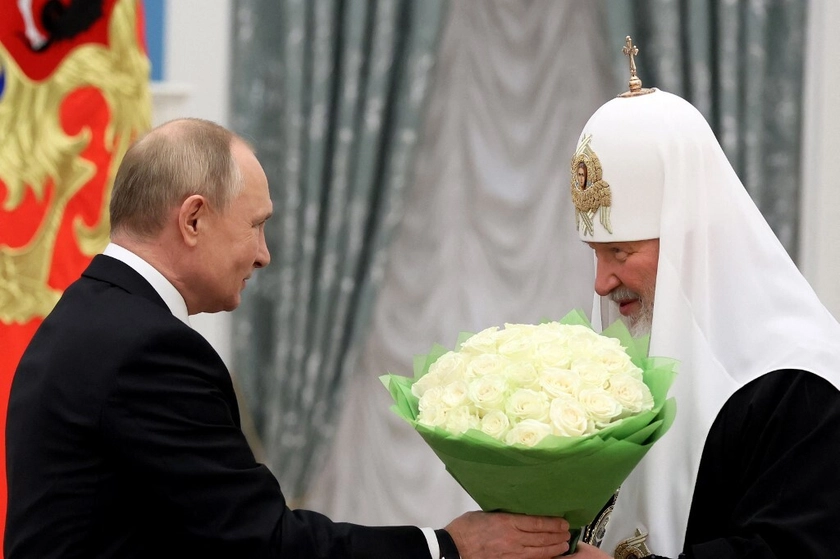
Despite supporting Russia’s war on Ukraine, countries like Italy and Bulgaria oppose sanctioning Russian Orthodox Church’s chief Patriarch Kirill.
You can also highlight the text and press Ctrl + Enter
OPINION: The Bill for Crimea Comes Due for Putin
‘Shadow Fleet Is Leaving the Chat’: Ukraine Hits 10 Russian Fuel Tankers in One Day