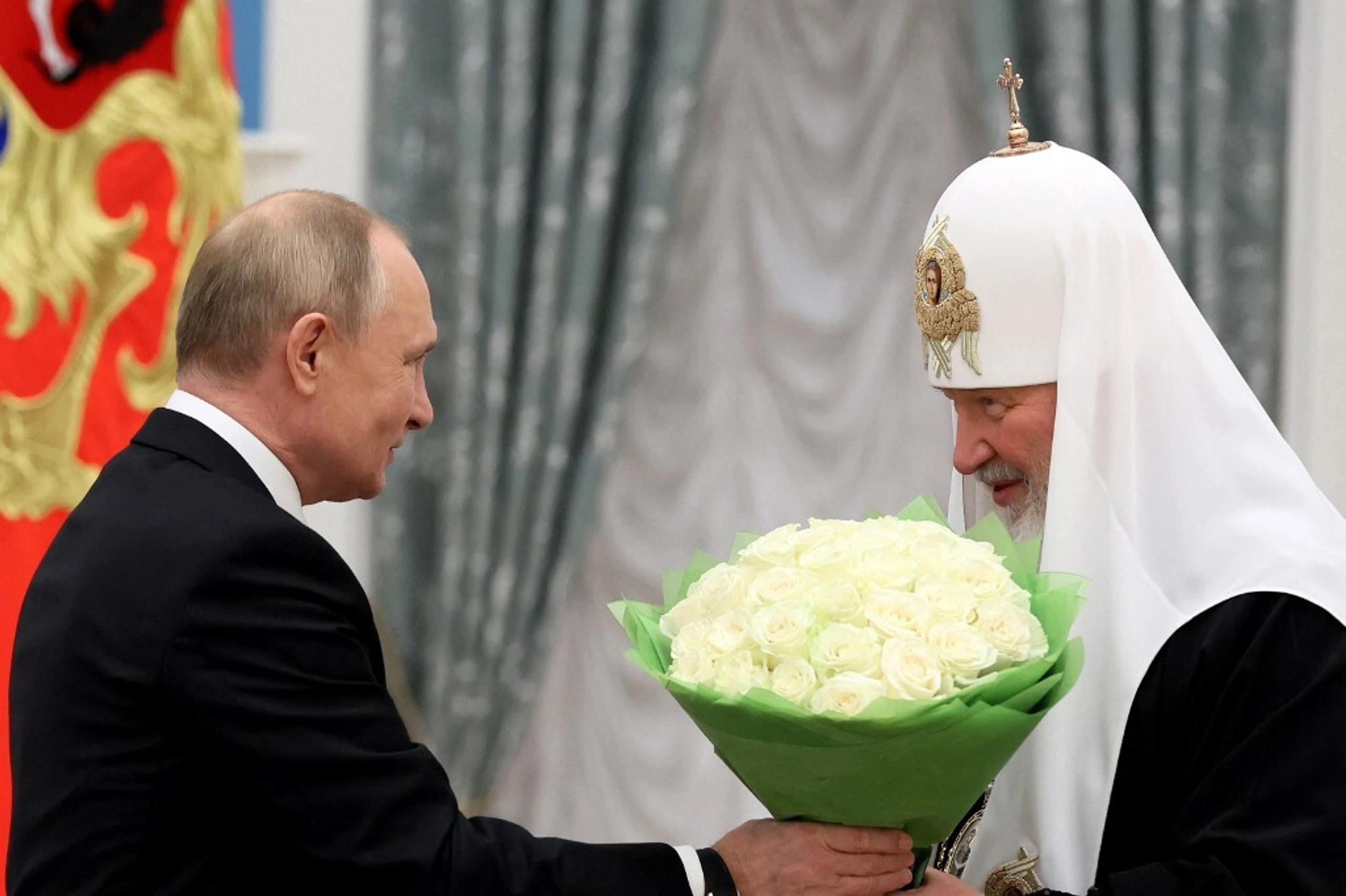
Bulgaria has said it will not support the EU’s proposed 21st sanctions package against Russia if it includes Russian Orthodox Church leader Patriarch Kirill, according to EU diplomats cited by European Pravda.
The issue was discussed during a meeting of EU ambassadors last week, where Bulgaria objected to adding Kirill to the sanctions list, arguing that the measure would amount to interference in religious affairs, diplomats said on Wednesday.
JOIN US ON TELEGRAM
Follow our coverage of the war on the @Kyivpost_official.
Concerns over sanctions on Patriarch Kirill
Patriarch Kirill, a close ally of Russian President Vladimir Putin, has repeatedly expressed support for Russia’s full-scale invasion of Ukraine and has previously faced calls for sanctions from several European countries.
According to European Pravda’s sources, Bulgaria remains opposed to his inclusion in the package and could withhold support unless changes are made.
The 21st sanctions package requires unanimous approval by all EU member states before it can take effect.
Energy measures also face scrutiny
Several member states, including Bulgaria, have also raised concerns about proposed energy-related measures in the package.
Among the proposals is a mechanism aimed at preventing increases in the price cap on Russian oil exports.
The sanctions package was unveiled by European Commission President Ursula von der Leyen on June 9, and also includes a proposal to ban former Russian combatants who fought against Ukraine from entering the EU.
The EU’s Committee of Permanent Representatives (COREPER) is scheduled to continue discussions on the package during a meeting on Wednesday.
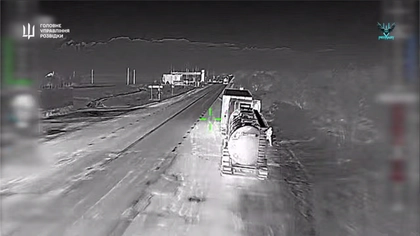
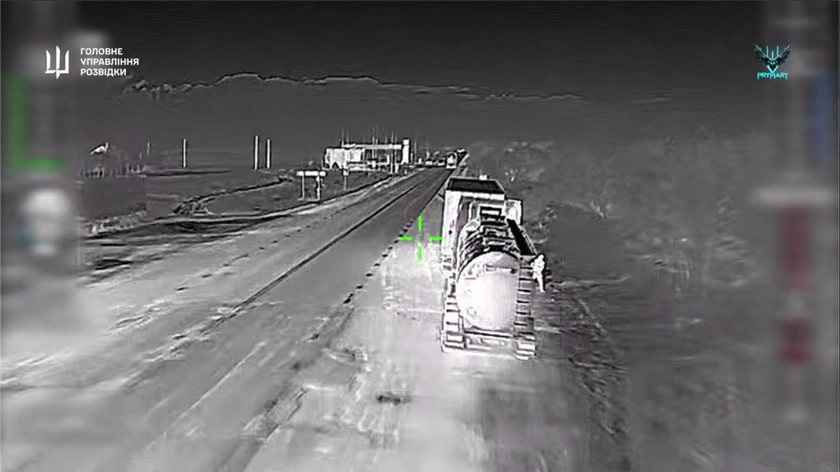
WATCH: Ukraine’s ‘Ghosts’ Burn Russian Fuel, Ammo, Supply Routes in New Footage
According to European Pravda, EU officials hope to finalize and approve the sanctions package before July 15, the deadline for reviewing the bloc’s price-cap mechanism on Russian oil.
Bulgaria’s stance has shifted under Radev
Bulgaria’s position on Russia-related policies has come under greater scrutiny since Prime Minister Rumen Radev’s Progressive Bulgaria party won a landslide election victory in April.
Radev has previously opposed military aid to Ukraine, criticized sanctions on Russia, and advocated restoring economic ties with Moscow.
His government also announced plans to halt future weapons deliveries to Ukraine, arguing that the war cannot be won on the battlefield.
Although Bulgaria remains a member of both the EU and NATO, the country has become one of the more skeptical voices regarding additional pressure on Russia, raising concerns among some European partners about potential obstacles to future sanction packages.
You can also highlight the text and press Ctrl + Enter
Putin’s Worst Nightmare