


EN

EN


EN
Stay on top of Russia-Ukraine war 05-11-2025 developments on the ground with KyivPost fact-based news, exclusive video footage, photos and updated war maps.
From the Vatican to Beijing, Istanbul to Brussels, and Washington: In the last 24 hours, diplomacy has moved at breakneck speed – and the pressure on the Kremlin is nearing a tipping point.
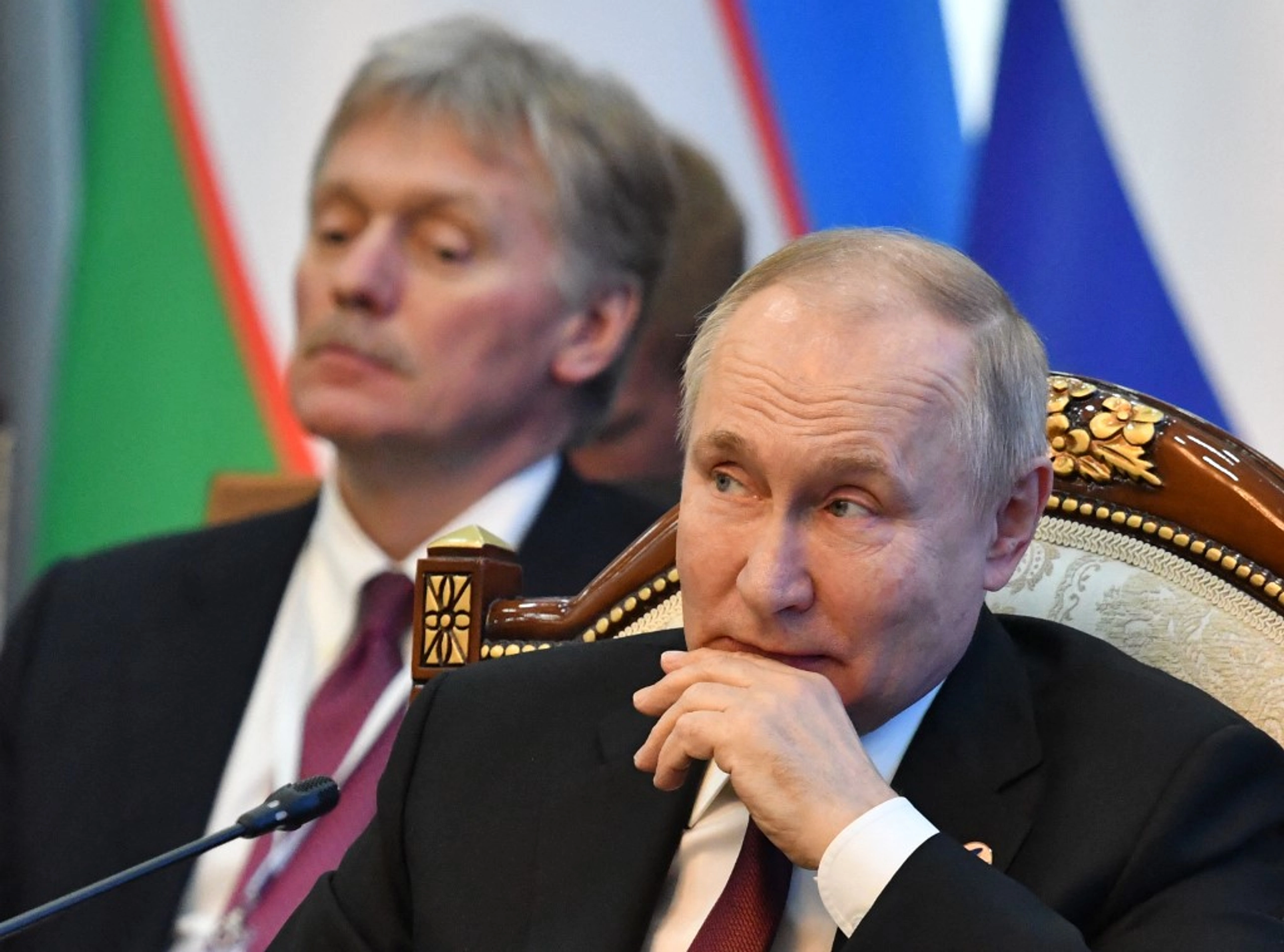
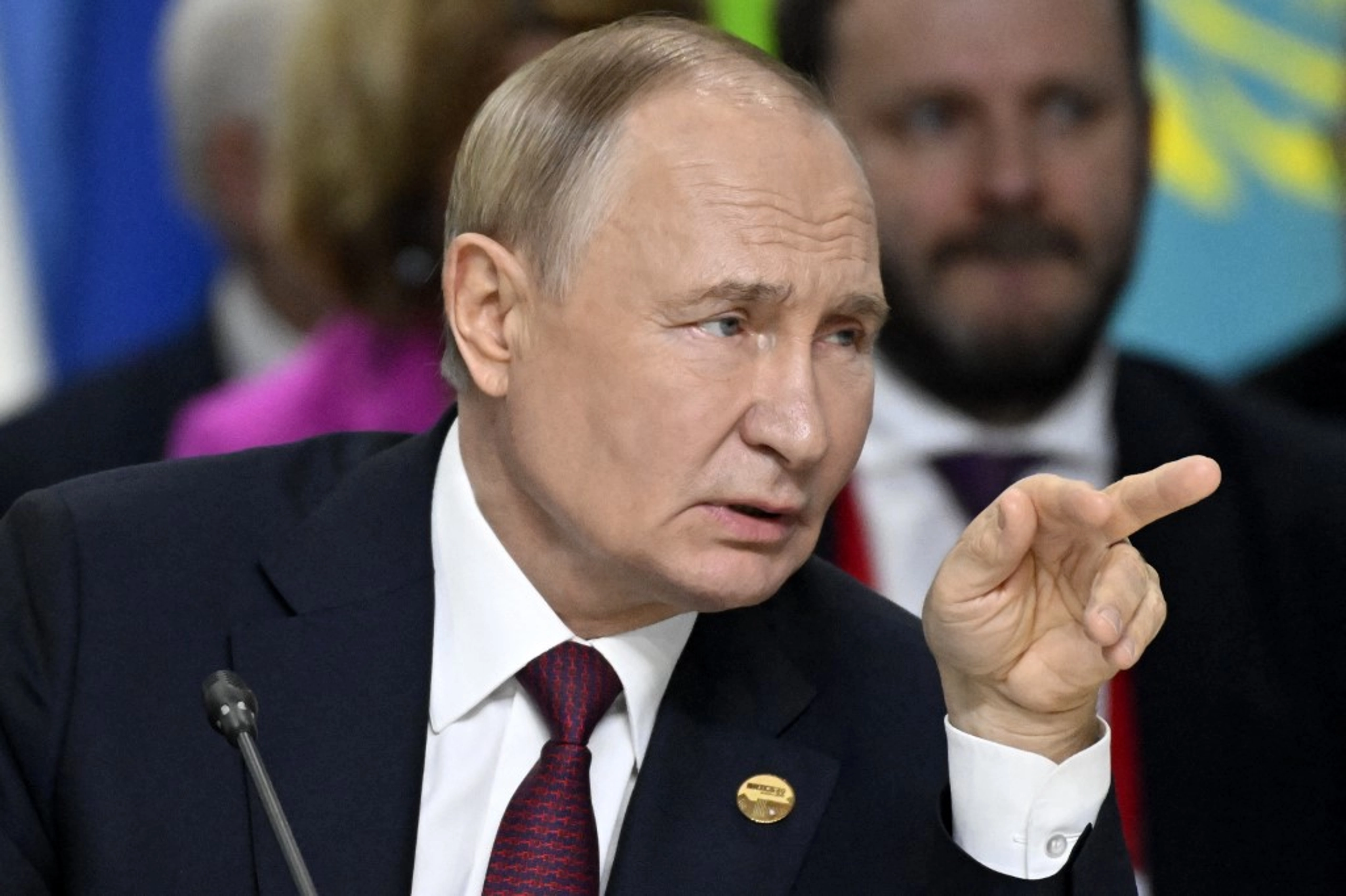
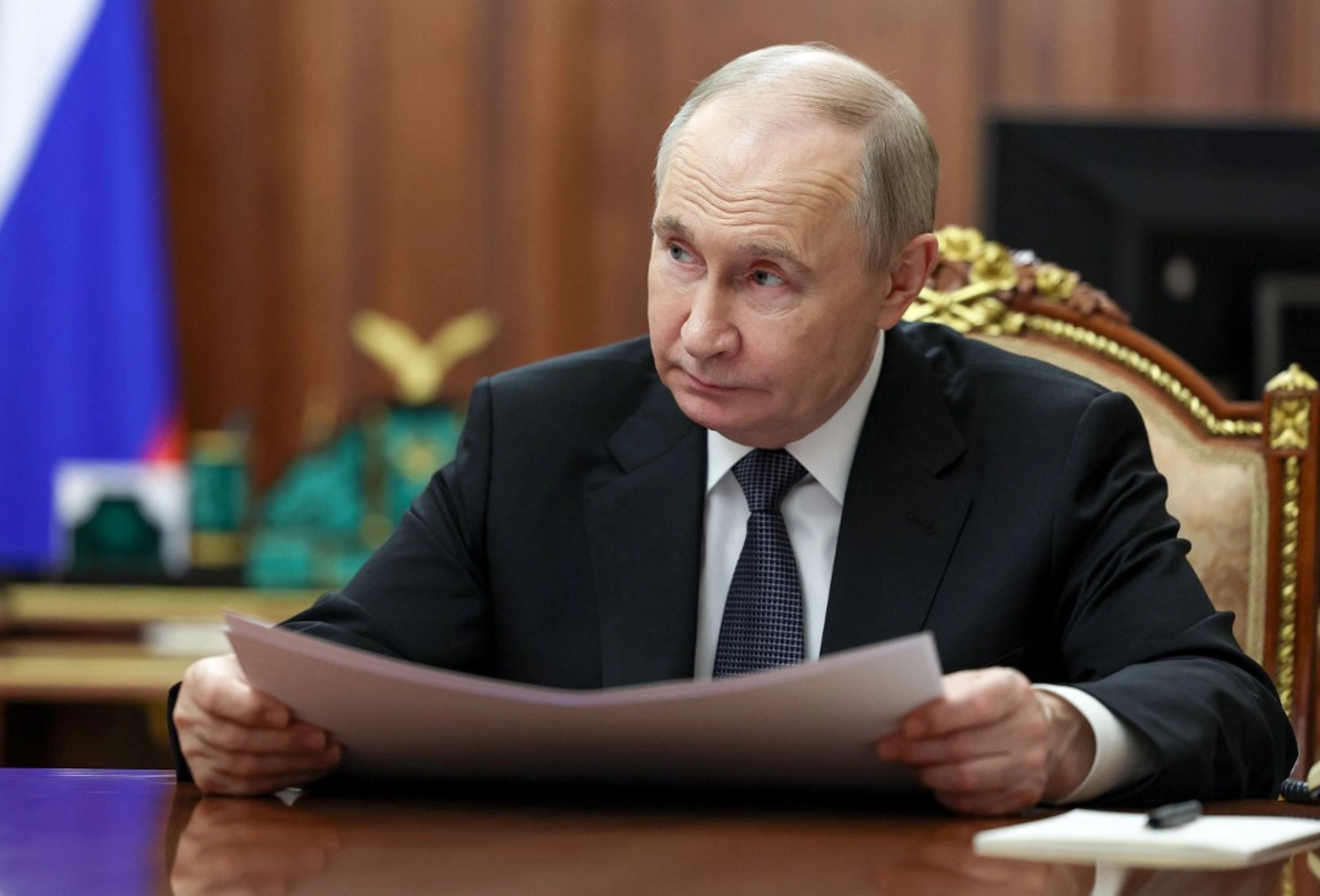
Shortly after midnight on Sunday, Moscow time, Russian President Vladimir Putin held a surprise press conference. After thanking international partners, he called for a global coalition to combat “fascism.”
Then, without transition, Putin proposed direct, unmediated peace talks with Ukraine in Istanbul.

Ukraine’s enhanced military can help defend Europe in any future conflict with Russia. This help is crucial now that the US has become more isolationist and focused on the Pacific.
Vladimir Putin’s “special military operation” in February 2022 had several putative goals, including saving Russian speakers in the Donbas region from genocide, “demilitarizing and de-nazifying” Ukraine, and ensuring Ukraine remains a neutral state, outside of NATO. Putin’s aim to demilitarize Ukraine has not come close to being achieved, and his invasion has literally transformed the country into one of Europe’s most daunting military powers.
The arrival of Ukraine’s army as a significant military force began in 2014 when Russia first invaded Ukraine in Crimea and eastern regions. Back then, the Ukrainian nation was almost defenseless as a result of decades of neglect and corruption. Suddenly threatened with their very existence, a plan of action to modernize Ukraine’s army was quickly adopted. During the next several years the Ukrainian Armed Forces experienced a dramatic expansion, initiating a series of widespread reforms based on NATO standards.

Hungary reportedly spied in Ukraine to assess support for a Hungarian “peacekeeping mission.” To understand why, and why there’s no appetite for such an operation, you have to understand the region.
On May 9, 2025, Ukraine’s Security Service (SBU) announced a concerning discovery: Hungary has been running an intelligence operation in Zakarpattia (often called Transcarpathia) in western Ukraine.
The SBU said Hungary hired two locals from Zakarpattia, specifically the Berehove region, to spy on military locations such as air defense, measure security capabilities, and assess the local population’s attitudes in the event of Hungarian “peacekeeping” forces arriving.

On May 5, Trump said he wanted to work with Erdogan to end the Ukraine war, after the two leaders spoke by telephone.
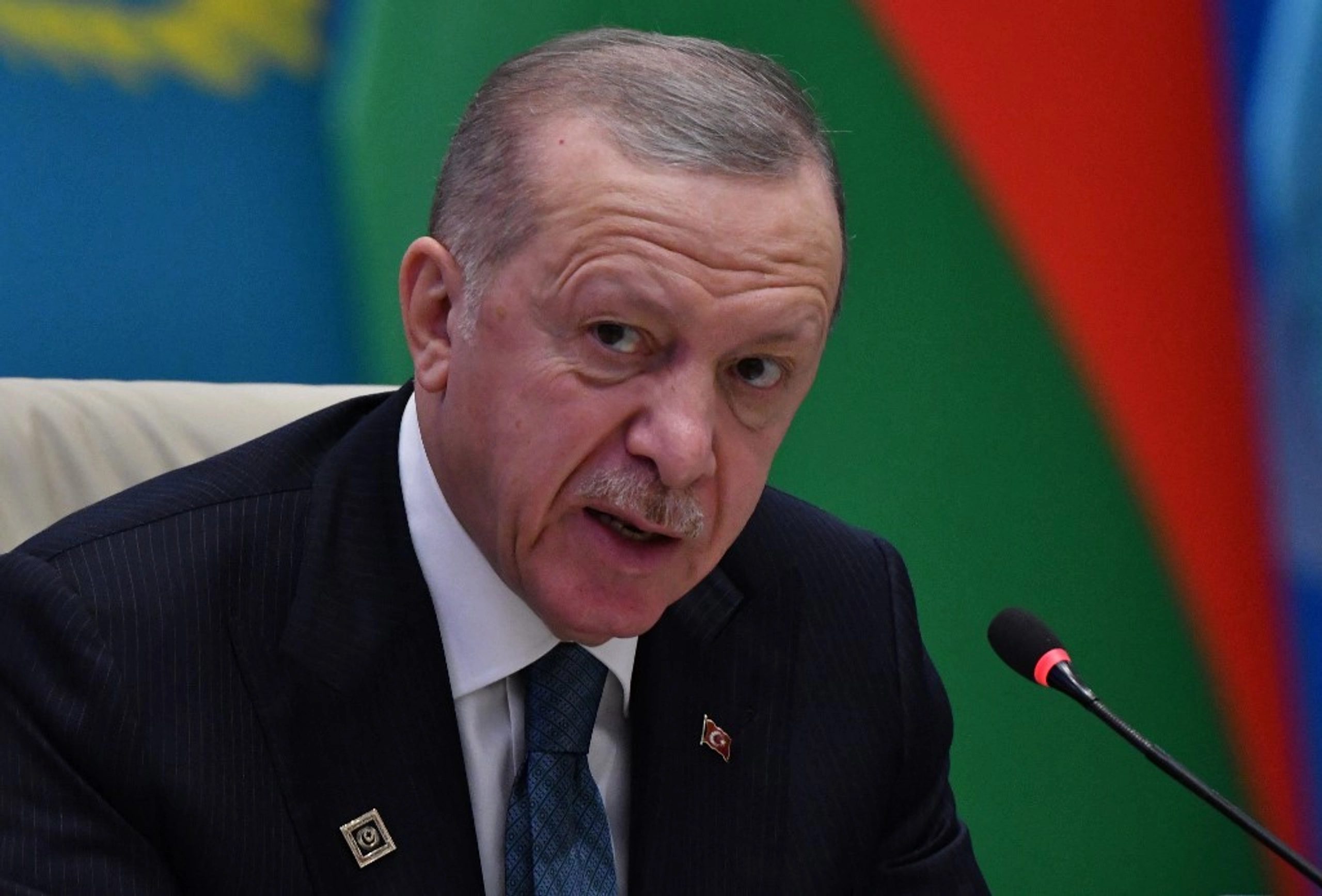
Turkish President Recep Tayyip Erdogan on Sunday told Russian and French leaders that a “historic turning point” has been reached in efforts to end the Russia-Ukraine war and that Ankara was ready to host talks between the two warring parties, his office said.
NATO member Turkey has sought to maintain good relations with both of its Black Sea neighbors since the Russian invasion began and has twice hosted talks aimed at ending the war.

American tariffs on international goods have caused global uncertainty. Increased trade between the European Union and Ukraine can help mitigate these economic effects.
At the start of April 2025, US President Donald Trump announced tariffs on nearly every US trading partner.
The initial rates caused confusion and panic, which led the markets to react negatively. The rates were then adjusted, and in some cases, a 90-day pause on the tariffs came into effect. But for most countries, a 10% tariff was implemented.

The Ukrainian president said Moscow’s signal is a “positive sign” while reiterating his call for a 30-day ceasefire to start on Monday.
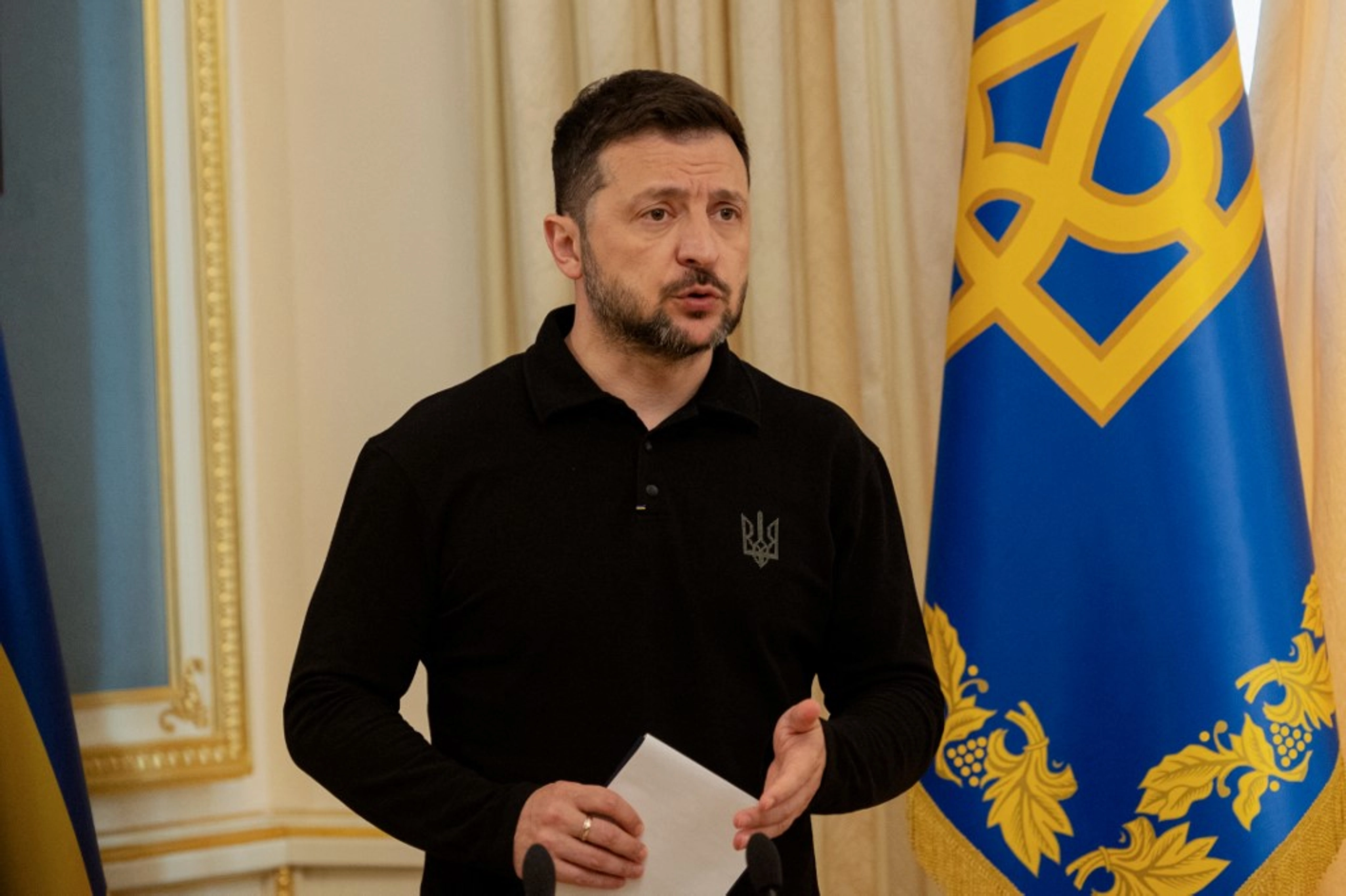
President Volodymyr Zelensky has responded to Russian leader Vladimir Putin by saying he would attend the Istanbul talks in person on Thursday, expecting Putin to do the same.
Zelensky’s comments came after Putin proposed direct talks between Kyiv and Moscow in Turkey on Thursday, May 15, after the West, alongside Kyiv, issued a ceasefire ultimatum that called for a 30-day unconditional ceasefire starting Monday.

Marina Sapritsky-Nahum’s “Jewish Odesa” explores post-Soviet Jewish identity, memory, and belonging – it affirms and deeply resonates with those reclaiming their lost heritage.
Reading “Jewish Odesa” by Marina Sapritsky-Nahum was a deeply personal experience for me.
As someone born in Odesa, raised in a Russian-speaking, entirely secular Jewish family, and only discovering Judaism much later in life, I found in these pages not only rigorous scholarship but a sensitive articulation of the inner questions I’ve often asked myself: What does it mean to be a Ukrainian Jew when your upbringing was shaped by Soviet silence, Russian culture, and an absence of visible Jewish life? Where do I belong in a Jewish narrative that I was not raised with, but that I now seek to reclaim?
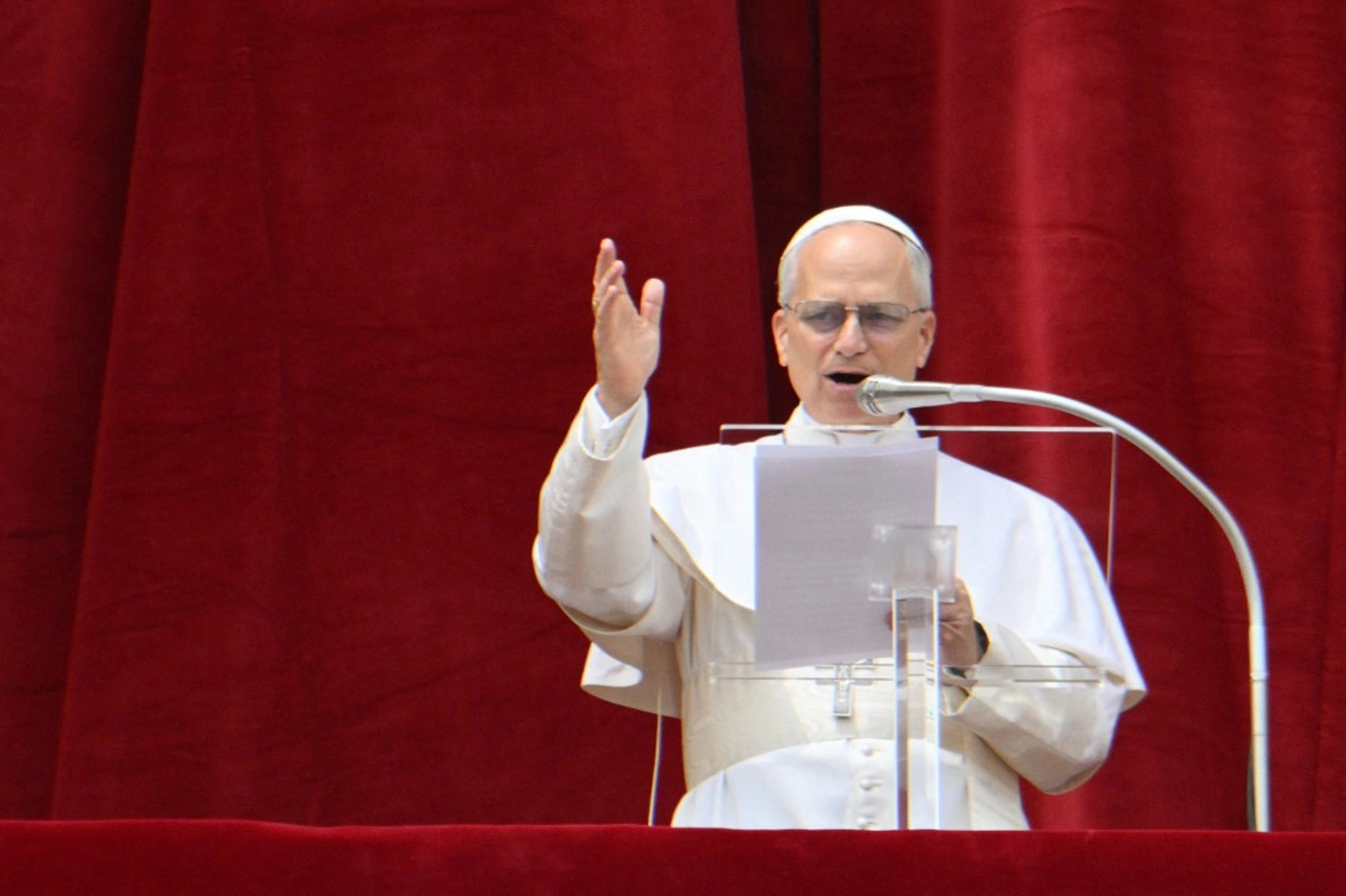
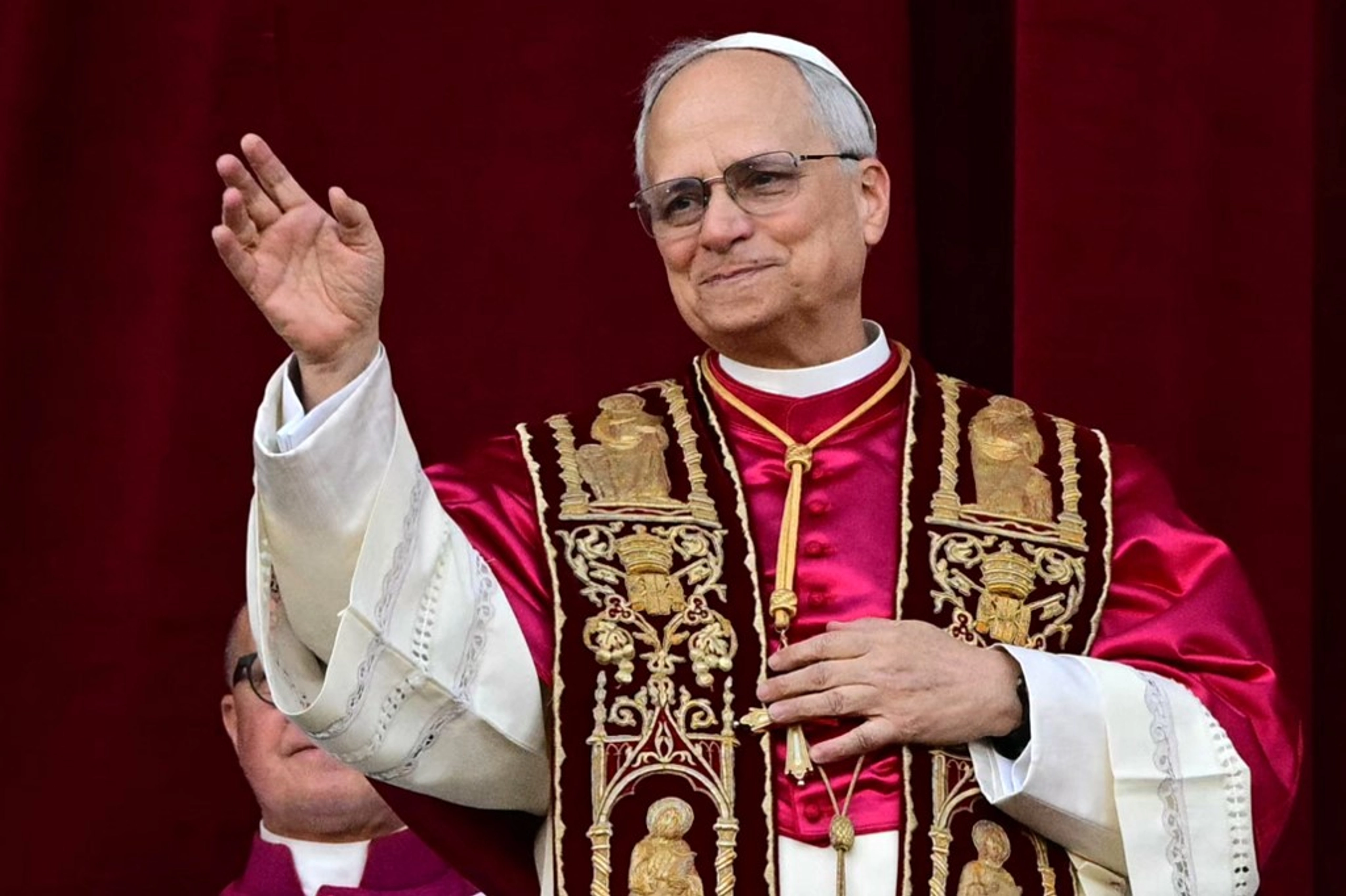
Pope Leo XIV has commented on Russia’s invasion of Ukraine – this time as the Pope after his comments in 2022.
Pope Leo XIV called for a “just and lasting” peace in Ukraine during his first Sunday noon blessing as pontiff.
“I carry in my heart the suffering of the beloved Ukrainian people,” he said from the loggia of St. Peter’s Basilica of the Vatican City, according to Vatican News.
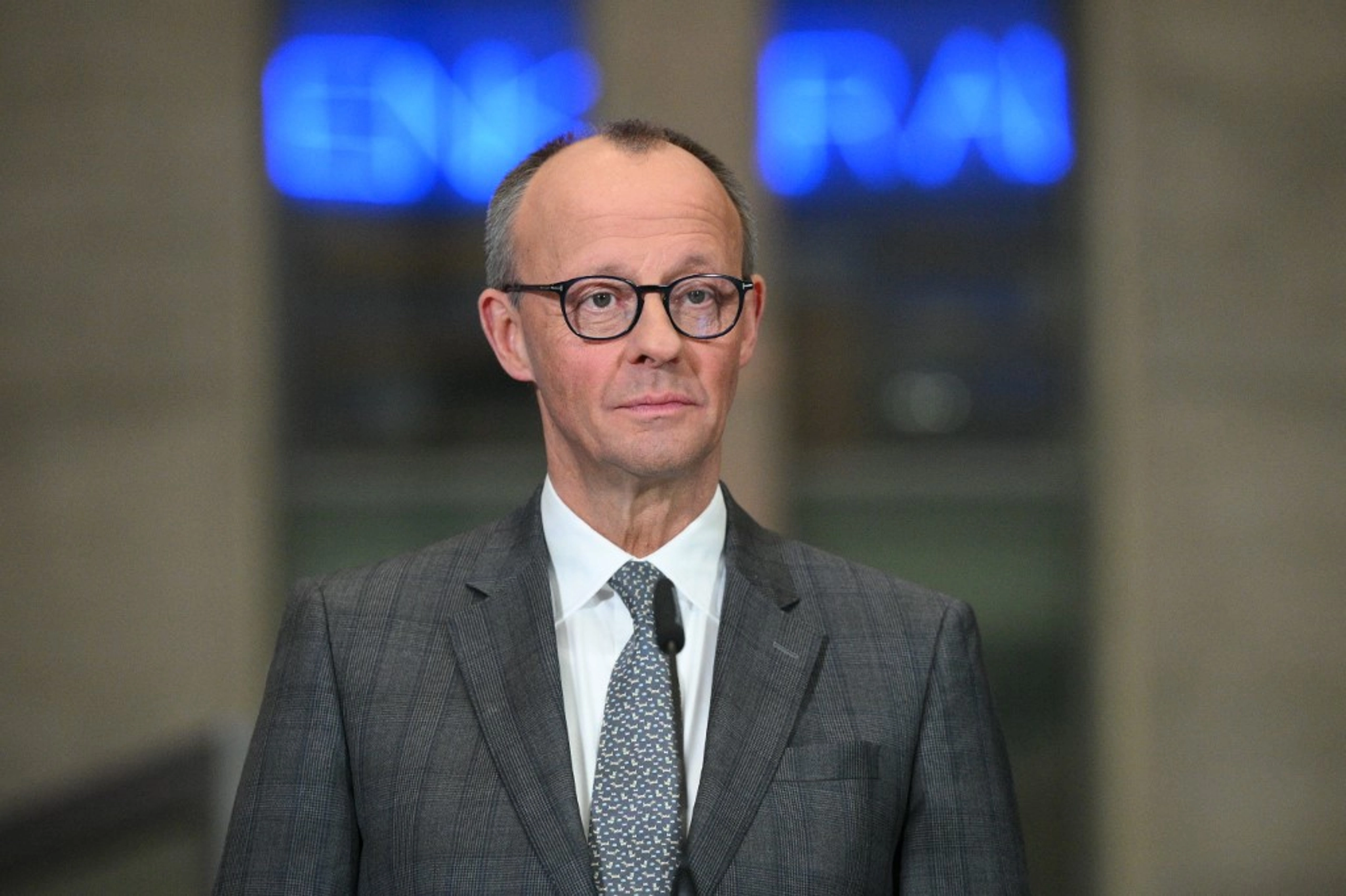
Merz has pledged to reboot his country’s economy, strengthen the threadbare armed forces and curb irregular immigration - all with the aim of building a “Germany we can be proud of again”.
Germany’s designated next chancellor, the conservative Friedrich Merz, is an avowed transatlanticist who now has to face up to US President Donald Trump’s threats to upend traditional security and trade ties.
A combative orator and millionaire hobby pilot, the trained lawyer has a strong business background, including with US asset manager BlackRock, but has never before held a government leadership post.
Moscow has resumed its aerial strikes across Ukraine after its unilateral three-day truce – largely unobserved across the front – ended on Sunday morning.
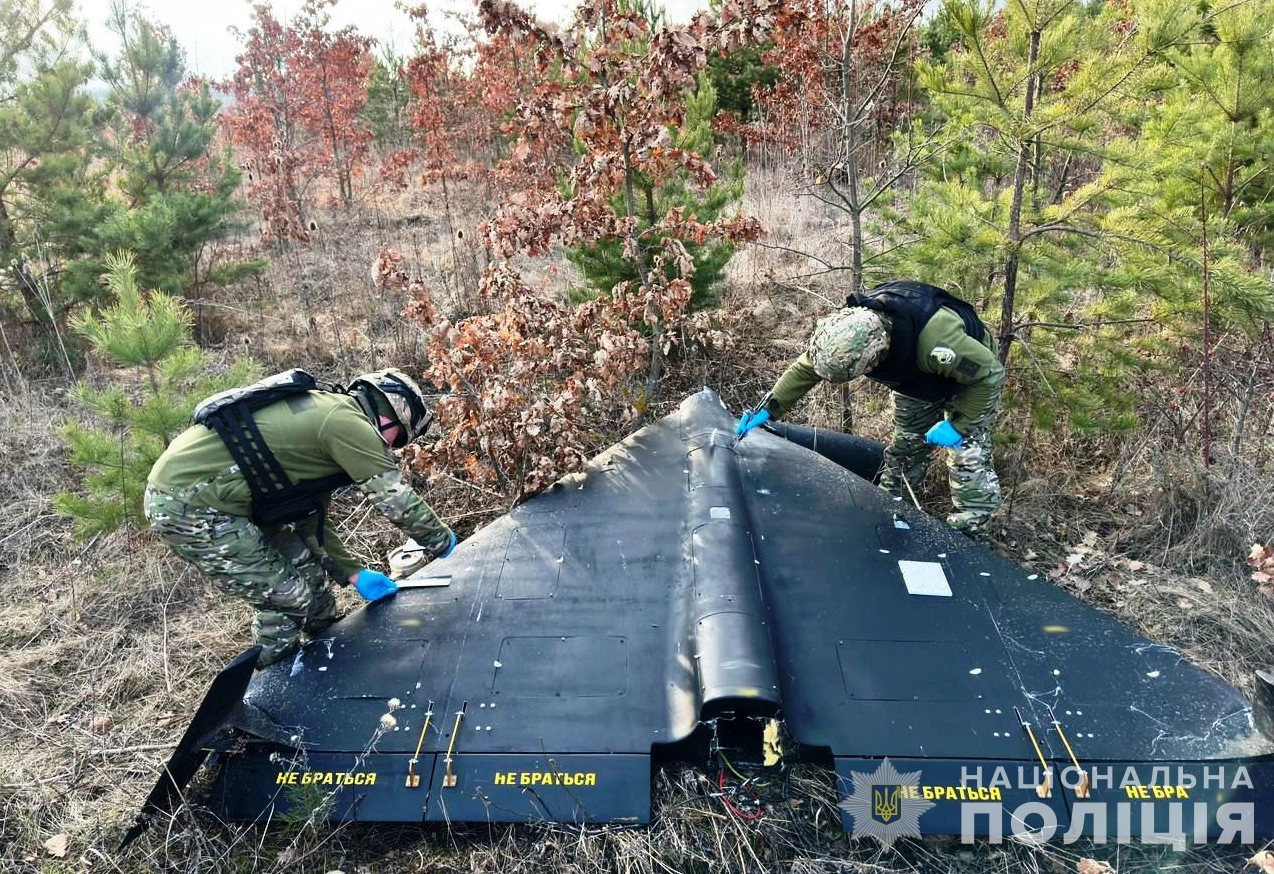
Russia has launched 108 drones across Ukraine in the early hours of Sunday, May 11, hours after its unilateral three-day truce ended.
Despite the proclaimed truce by Moscow, Ukraine had reported continued strikes – including the use of aerial bombs – across the front, though Moscow had ostensibly avoided long-range drone strikes in that period.
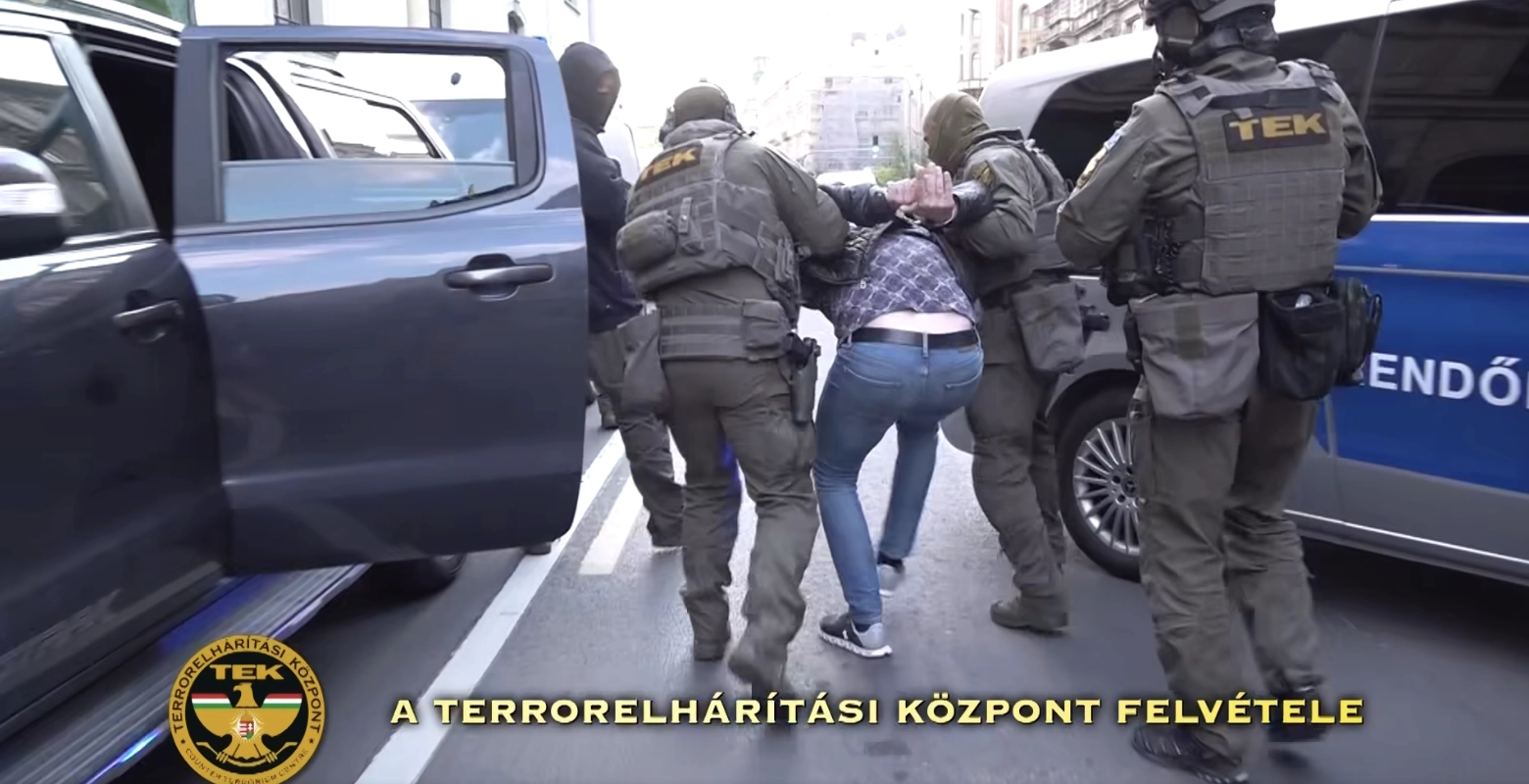
The highly publicized arrest filmed in downtown Budapest came as the tensions between Kyiv and Budapest reached an all-time high after the former accused the latter of staging an invasion.
Hungary said it had arrested a former Ukrainian diplomat in broad daylight on Friday in downtown Budapest for alleged espionage acts.
In a video released alongside Saturday’s public statement by Budapest on Facebook, a man in a black jacket could be seen being held face down on the floor, surrounded by armed law enforcement officers in full gear.
Pope Leo XIV’s condemnation of Russia’s invasion of Ukraine in 2022 marks a stark contrast compared to his predecessor’s stance, which viewed the invasion more as a conflict between two parties.
Reports surfaced that Pope Leo XIV has denounced Russia’s invasion of Ukraine as a “real imperialist invasion” in a 2022 interview.
Pope Leo XIV became the first American Pope in history when he was elected Pope on Thursday after the passing of Pope Francis in late April, and his comments condemning Russia contrasted with the latter’s stance, which viewed the invasion more as a conflict between two parties.
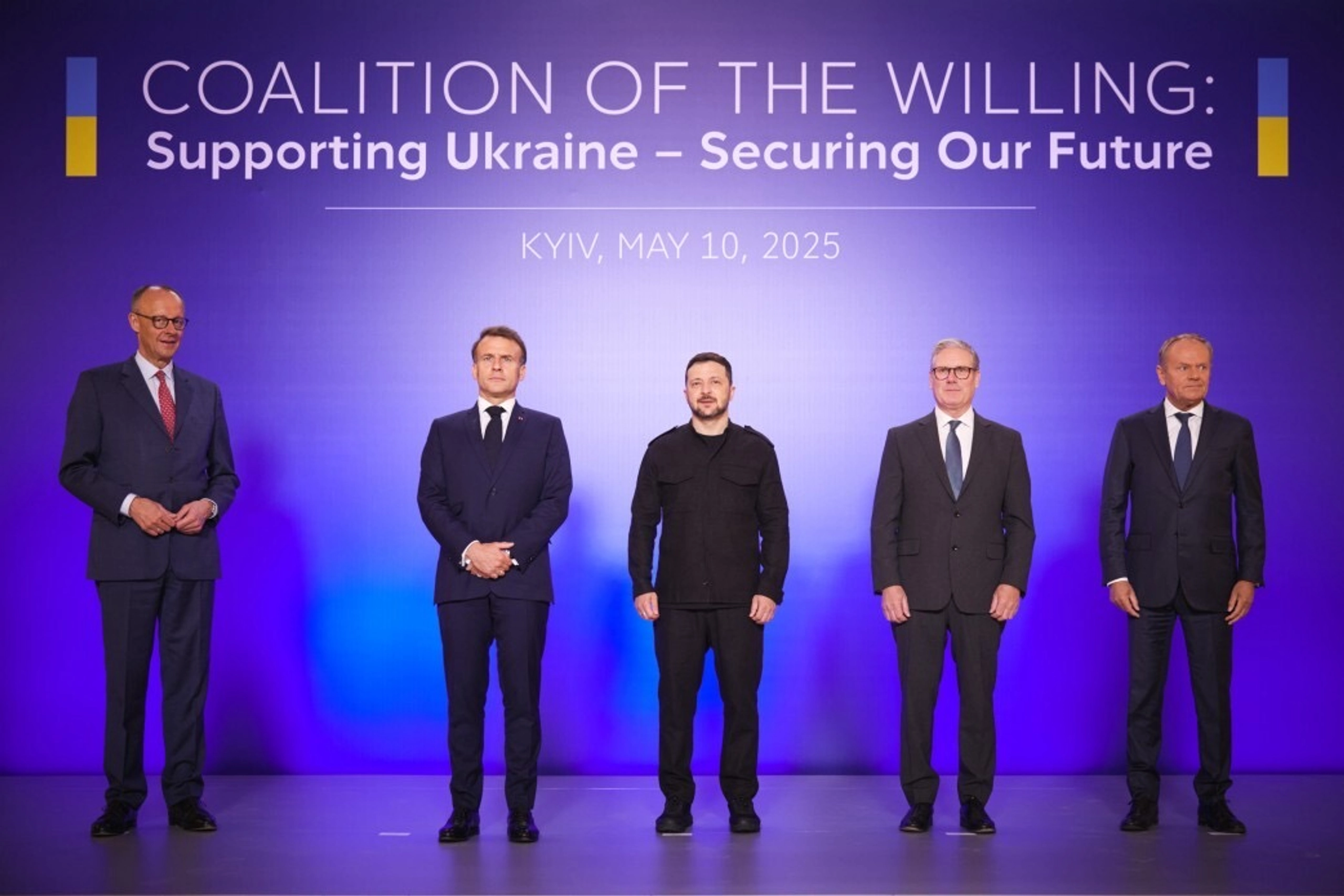
Joint Statement by the Leaders of France, Germany, Poland, the United Kingdom, and Ukraine Following the Meeting in Kyiv on May 10.
On Saturday, May 10, 2025, the leaders of France, Germany, Poland, the United Kingdom and Ukraine met in Kyiv.
They agreed that starting Monday, May 12, there should be a full and unconditional ceasefire for at least 30 days.

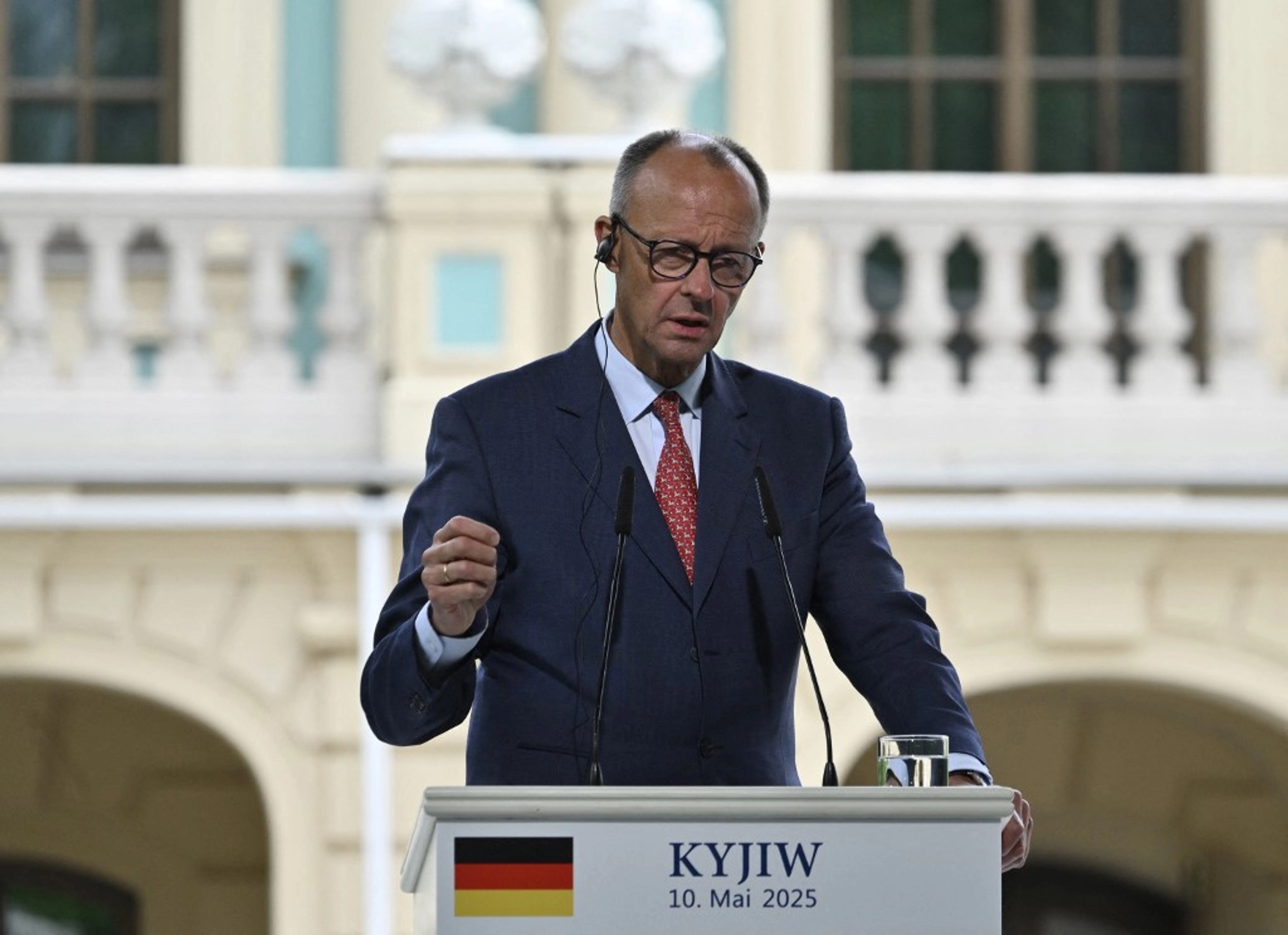
New German Chancellor reaffirms Germany’s support for Ukraine, but says it will be more discreet about the details.
German Chancellor Friedrich Merz announced on Saturday that Berlin will reduce public disclosure of military aid to Ukraine, citing the need for “strategic ambiguity” to avoid giving Russia a tactical advantage.
Speaking during his visit to Kyiv, Merz pledged continued German support for Ukraine in coordination with European allies and the United States but said debates over specific weapons systems will no longer be conducted publicly.
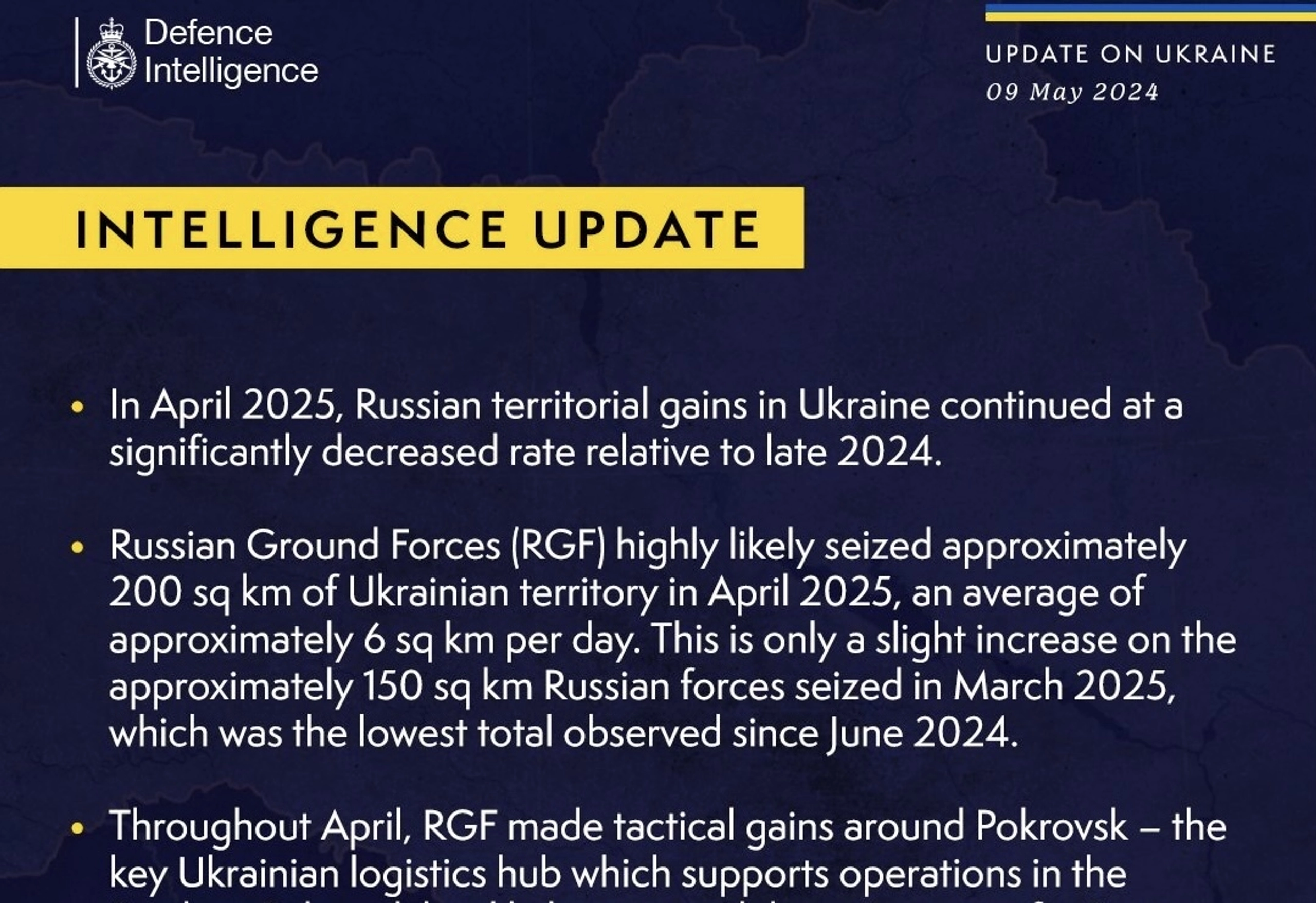
Latest from the British Defence Intelligence.
Meanwhile, the US State Department demanded concrete actions, “not words,” from Moscow in a Saturday statement.
The US and France have reacted differently to Russian leader Vladimir Putin’s call for direct talks with Kyiv on May 14 in Turkey – his counterproposal to the West’s call to start an unconditional ceasefire on Monday.
The call came after Putin proposed on Sunday a resumption of the 2022 Istanbul talks to address the so-called “root causes” of his Ukraine invasion in response to the West’s Saturday ceasefire ultimatum backed by massive sanctions – without addressing the ceasefire call in his statement.
The transfers would come from Germany, whose parliament elected a new chancellor earlier on Tuesday.
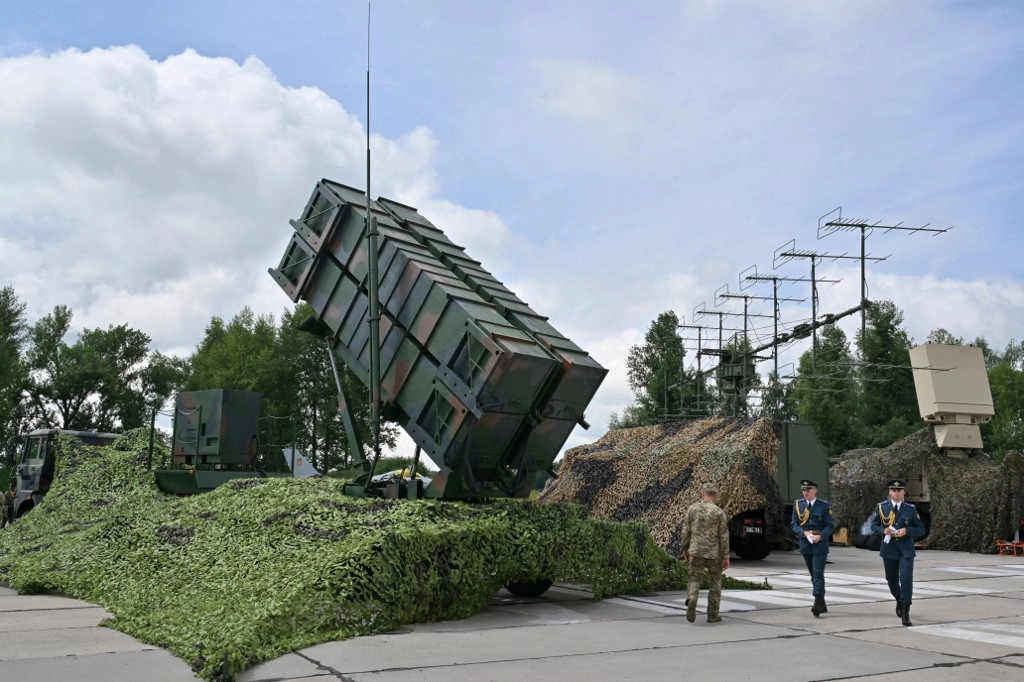
The US has reportedly approved Germany’s transfer of 125 long-range artillery missiles and 100 Patriot air-defense missiles on Friday.
Berlin’s transfers came after Germany’s new chancellor Friedrich Merz assumed office on Tuesday, with the West – including the US – joining hands in a rare call to press Moscow into accepting a 30-day unconditional ceasefire on Saturday.
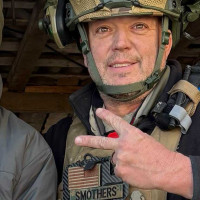
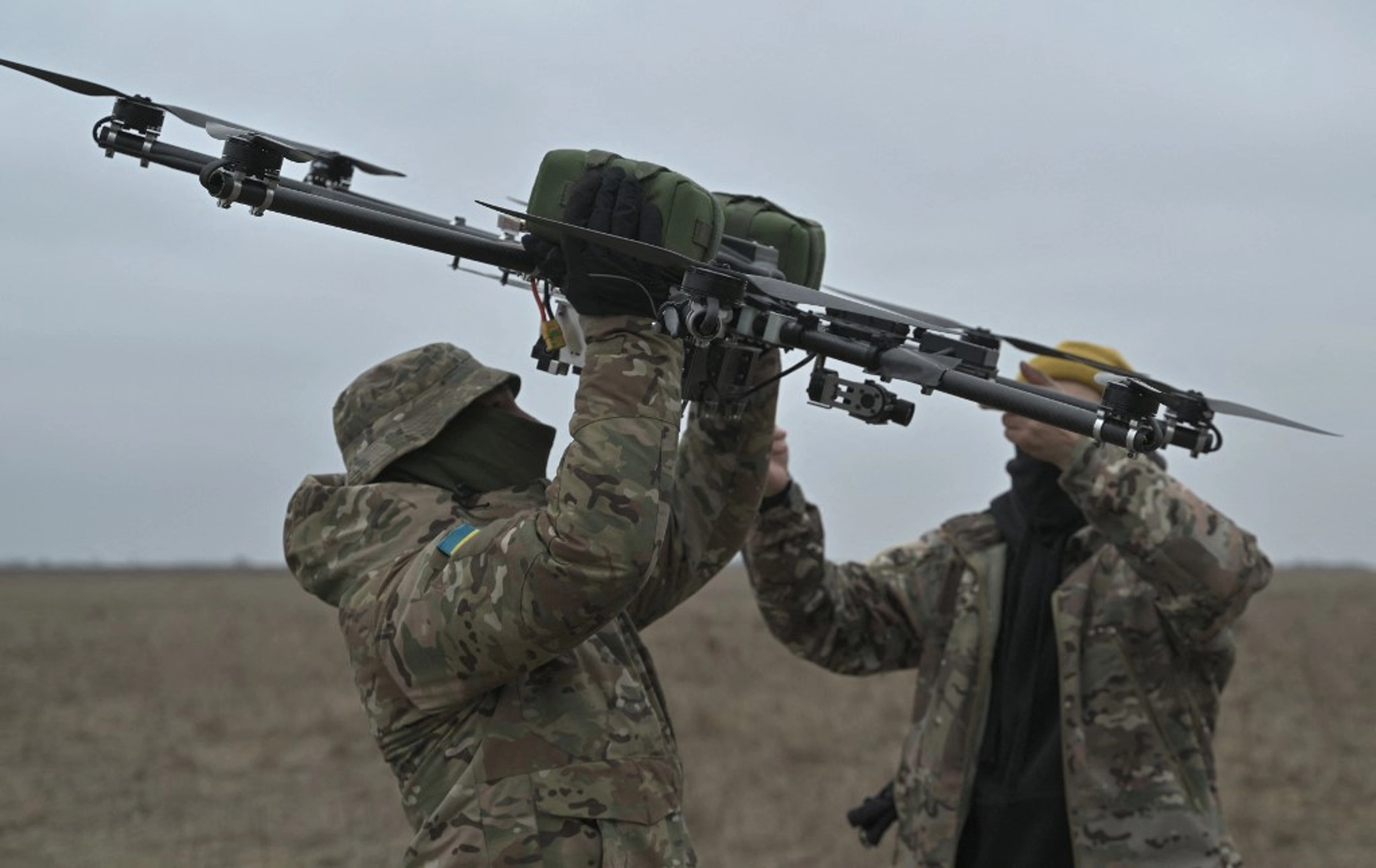
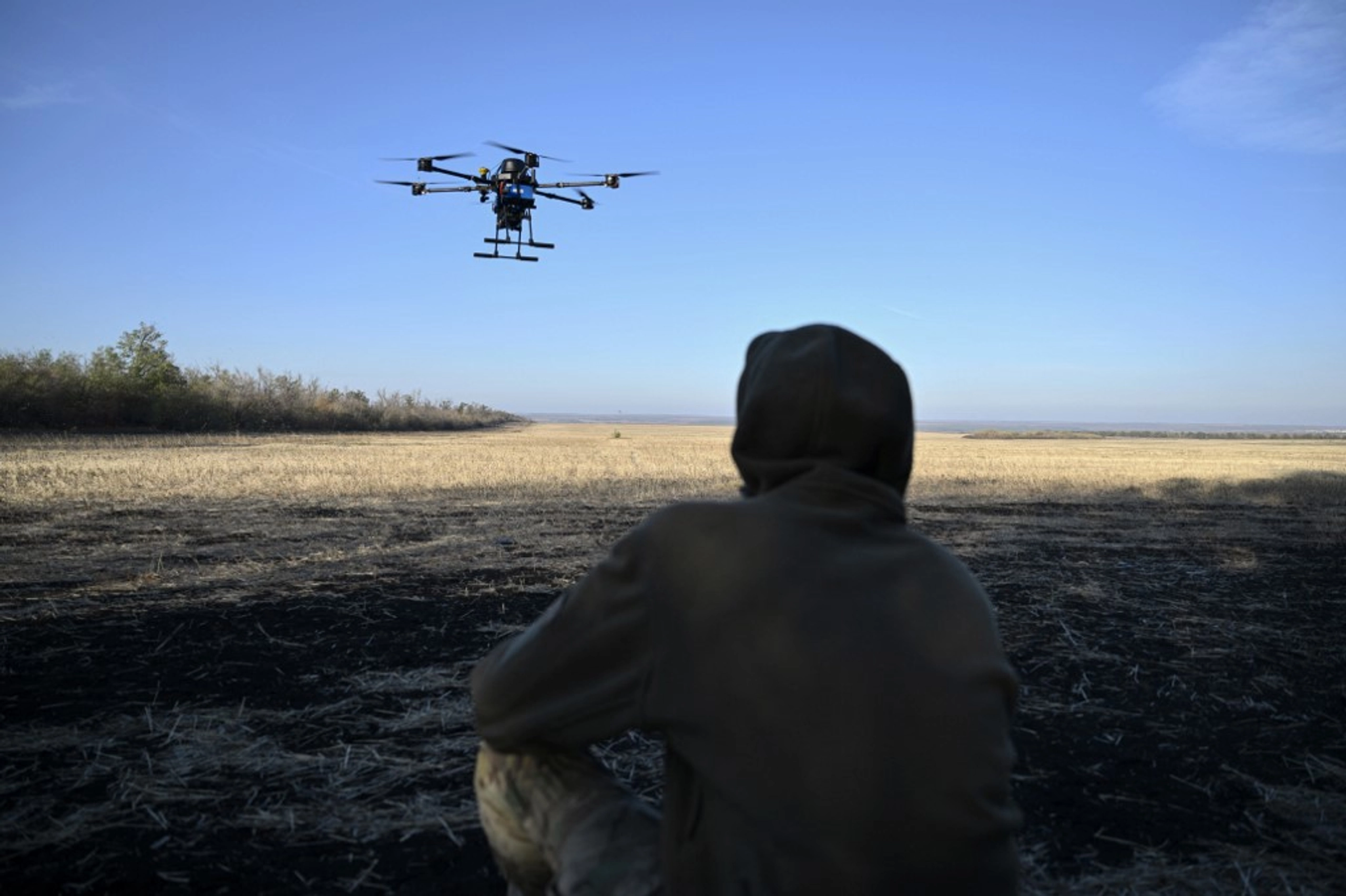
Ukraine’s experience with robotic sea and aircraft is revolutionizing warfare. Many of the advances have come from ground-up support, through crowdfunding campaigns.
The reality of war in Ukraine is one of success stories, but also one of trial and error. The evolution of small unmanned aerial systems (sUAS) and other robotics has forced nation states to reassess major combat operations and their approach to all-domain warfare.
The long tail of the acquisition process is without question not the answer, as the lessons learned from this conflict reflect innovation, improvisation, and a “get it done” attitude at the edge and in all aspects of acquisition and manufacturing process that eventually comes together as a viable tool of war in the form of a first-person attack or reconnaissance drone.

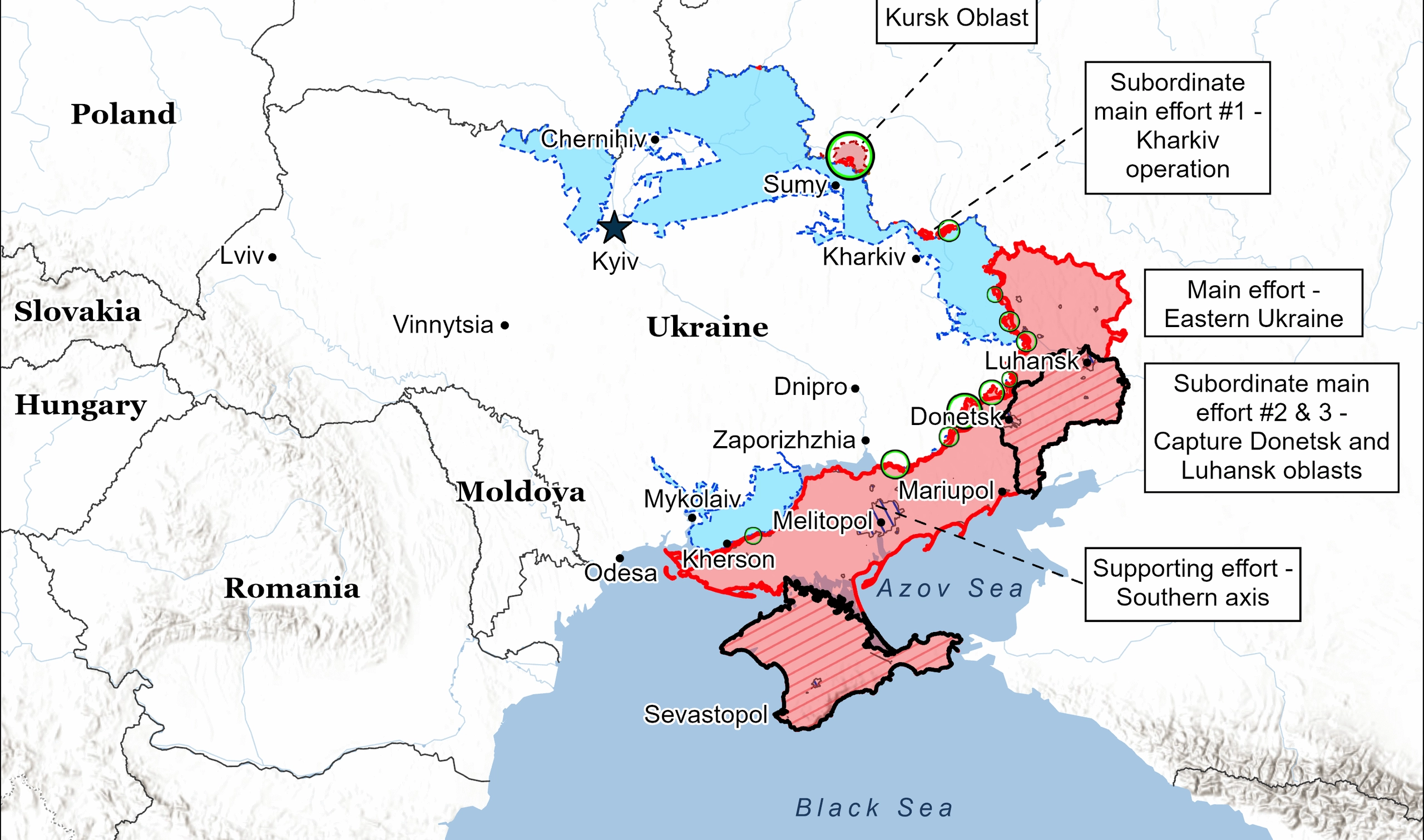
Latest from the Institute for the Study of War.
Key Takeaways from the ISW:
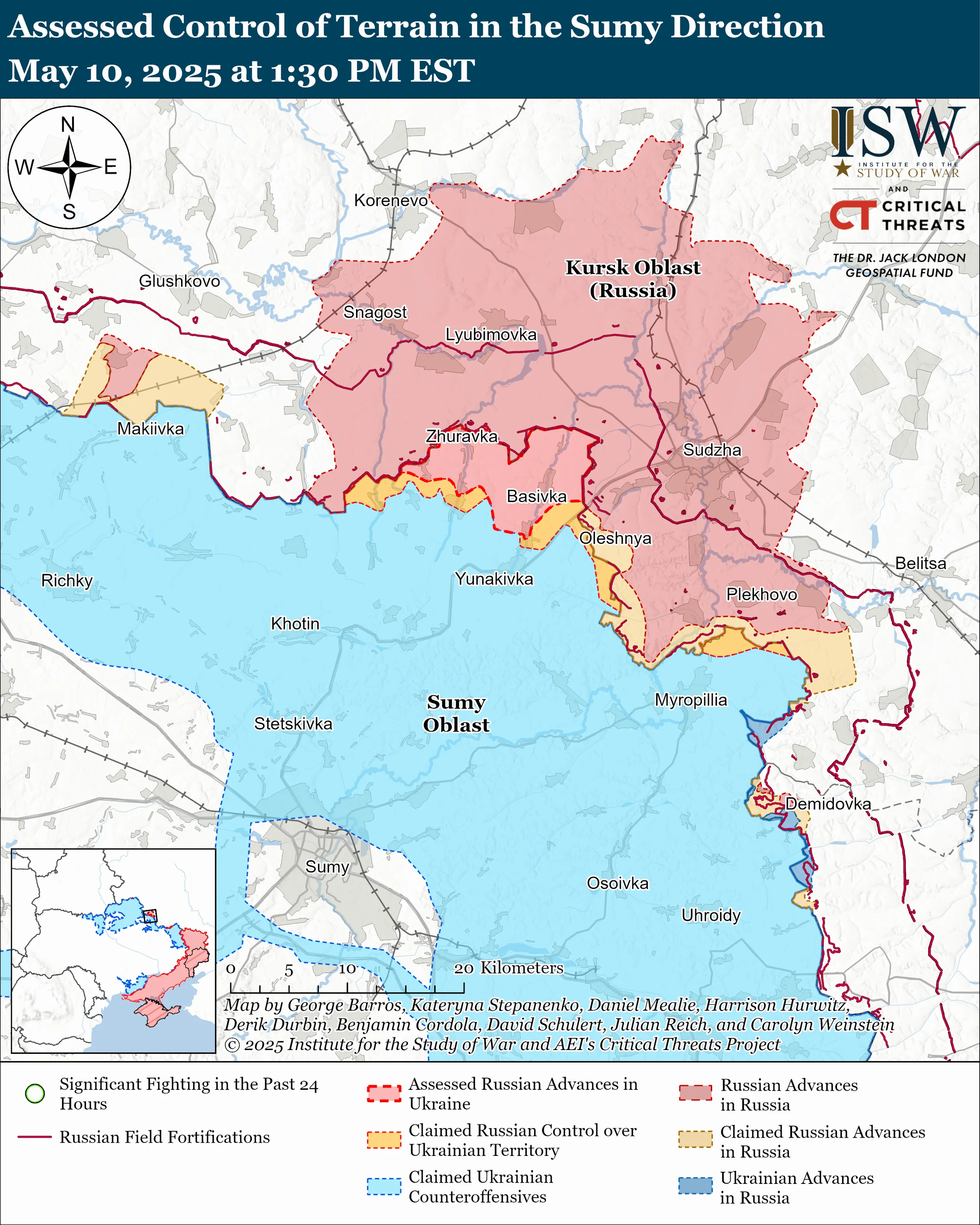
Putin reiterated his call to eliminate the so-called “root causes” of his invasion, which include notions such as the “denazification” of Ukraine rejected by all Western parties.
Russian President Vladimir Putin on Sunday proposed holding direct talks with Ukraine in Istanbul on May 15, hours after Kyiv and European leaders called for an unconditional 30-day ceasefire to start Monday.
The leaders of Ukraine, Britain, France, Germany and Poland had in Kyiv on Saturday threatened Moscow with fresh sanctions and military support for Ukraine if Russia did not agree with the proposal.