


EN

EN


EN
Stay informed with the most important Ukraine breaking news today. This page compiles the top headlines and critical updates from across Ukraine, offering a real-time snapshot of key developments.
Whether it’s military updates, political changes, or international reactions — we bring you the latest Ukraine news as it happens. All reports are carefully curated from verified sources and KyivPost correspondents on the ground.
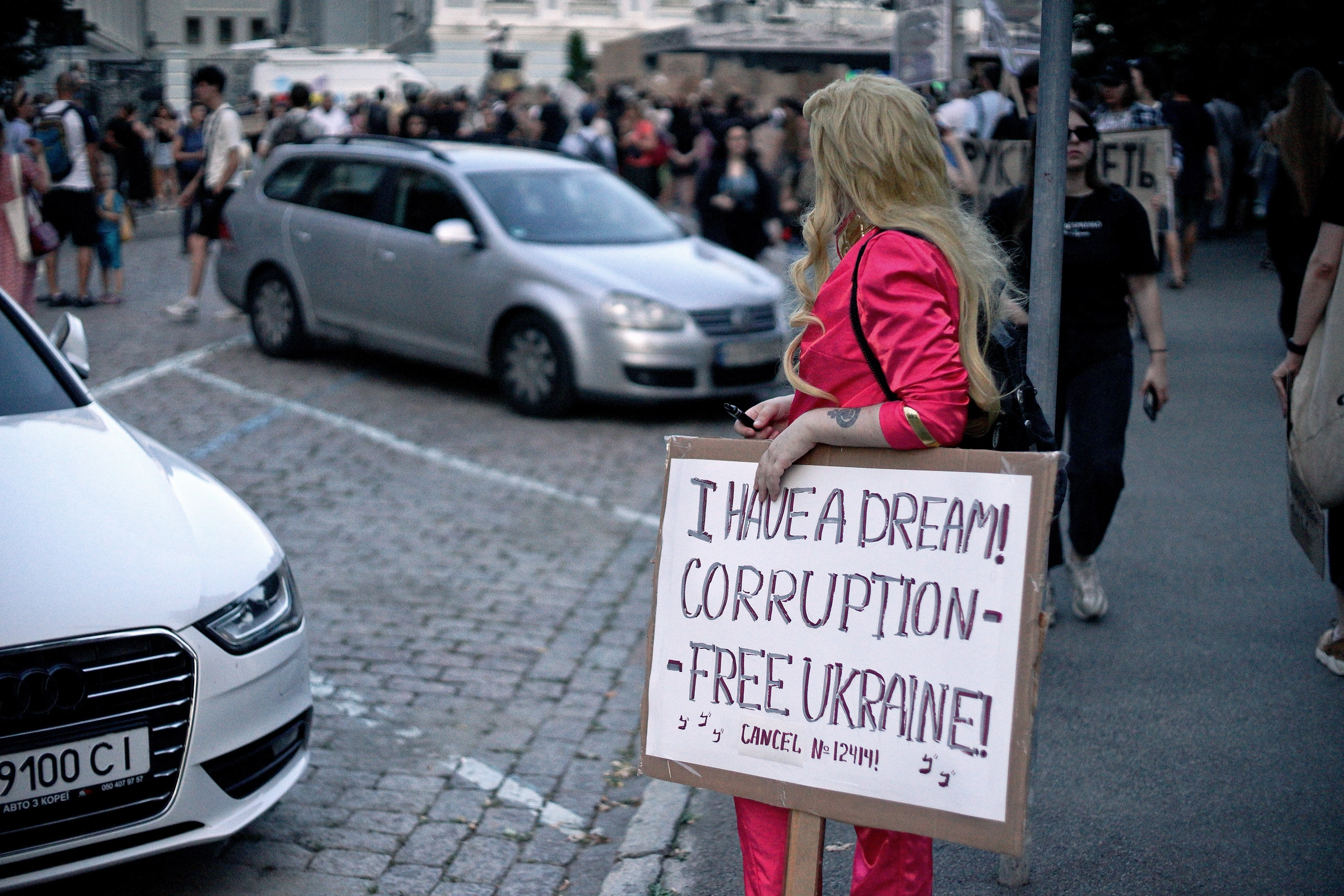
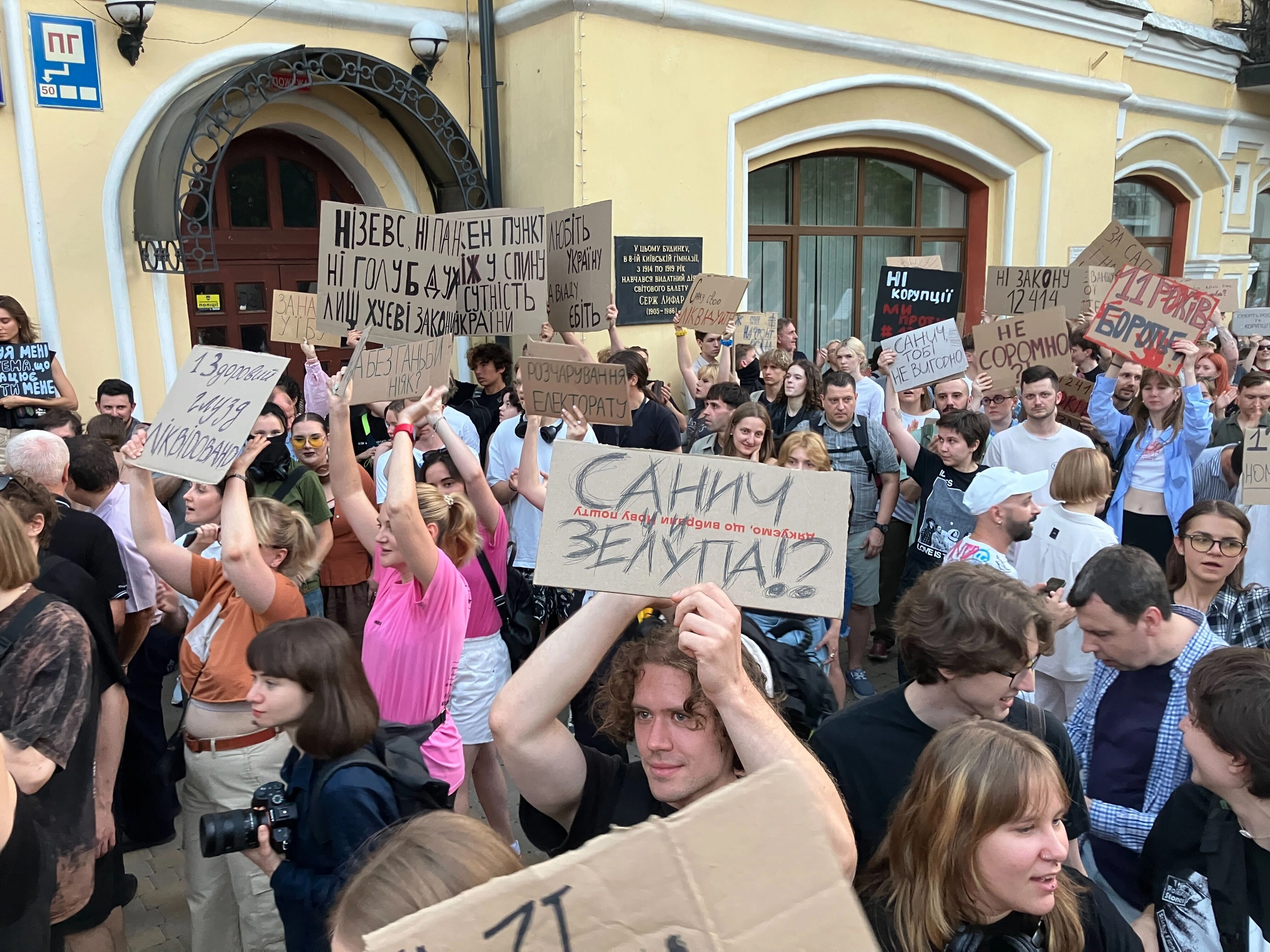
Though smaller in scale, some in Kyiv still took to the streets to protest the government’s earlier attempt to gut the anti-corruption agencies – despite its planned reversal.

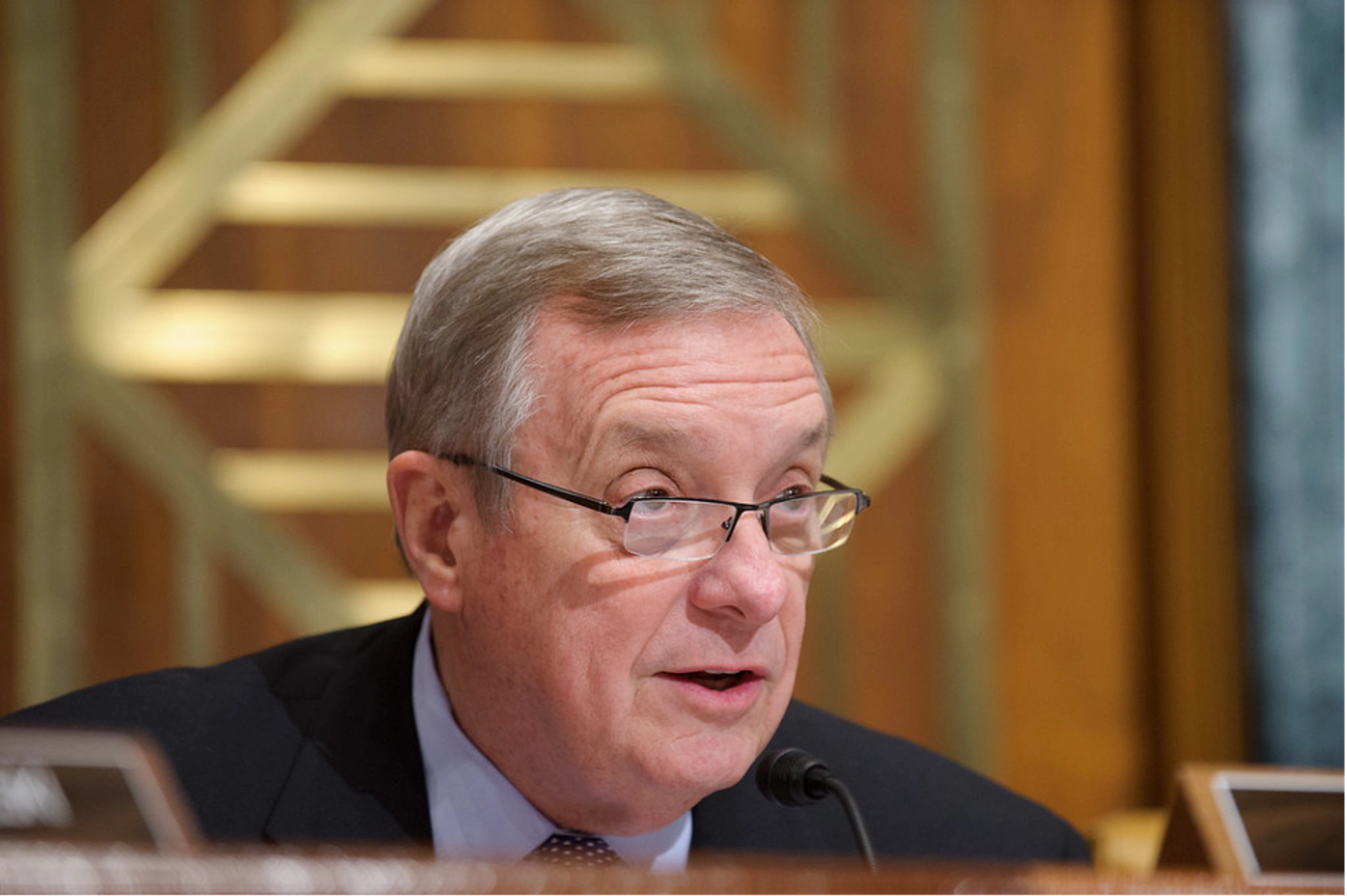
Senator Dick Durbin pushes amendment escalating pressure on Kremlin over alleged kidnapping of 20,000 Ukrainian minors.
WASHINGTON DC - The US Senate on Thursday introduced a measure formally condemning Russia for the systematic abduction and forced transfer of at least 20,000 Ukrainian children, an act lawmakers described as causing “devastating physical and psychological trauma.”
The amendment, proposed by Senator Dick Durbin (D-IL), the second-ranking Democrat in the US Senate, to the National Defense Authorization Act for Fiscal Year 2026, highlights the ongoing crisis since Russia’s full-scale invasion of Ukraine in February 2022.

In effect, the government’s controversial Bill 12414 stripped the prosecution arm of the independent anti-corruption ecosystem, rendering it no longer independent.
Some say Bill 12414 stripped Ukraine’s anti-graft agencies of their independence – but how?
On Tuesday, July 22, Ukraine’s Verkhovna Rada hastily passed a controversial bill to alter the jurisdiction of the country’s anti-corruption agencies in the name of curbing Russian influence, sparking protests nationwide at levels unprecedented since 2014’s Euromaidan – despite a wartime ban on demonstrations.
Speaking to Kyiv Post, military analysts explain why Trump’s arms sale to Ukraine falls short.
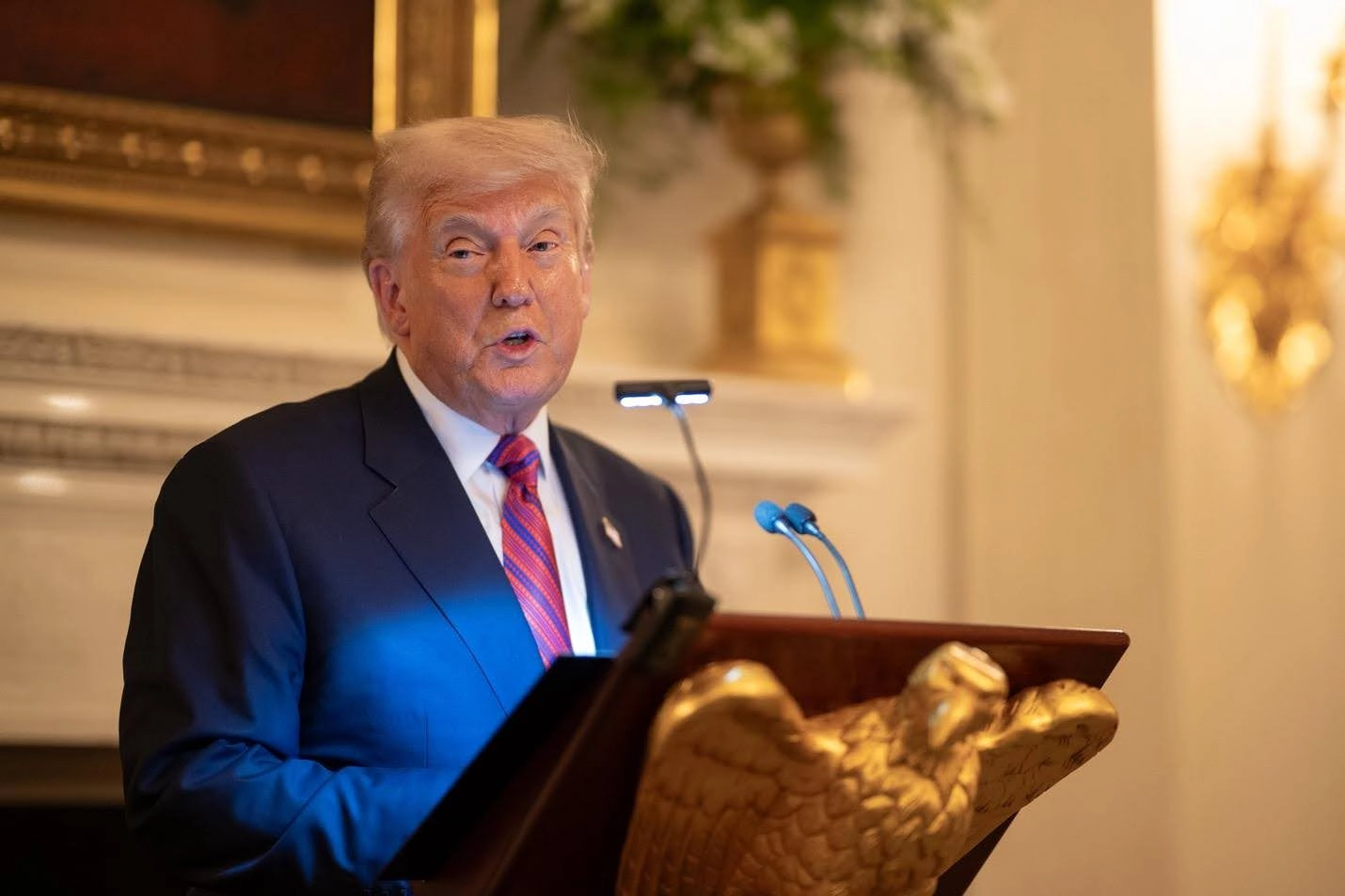
WASHINGTON DC - US President Donald Trump’s latest blueprint for supporting Ukraine, touted by his administration as a “win-win,” is sparking a vigorous debate among retired US military leaders over whether it truly delivers for a nation locked in a brutal war.
This new model, which demands European allies foot the bill for American-made weapons sent to Kyiv, marks a significant pivot from past aid strategies.

The NBU kept its key rate at 15.5% but downgraded Ukraine’s GDP growth forecast to 2.1% due to April frosts, war-related destruction, and security risks.
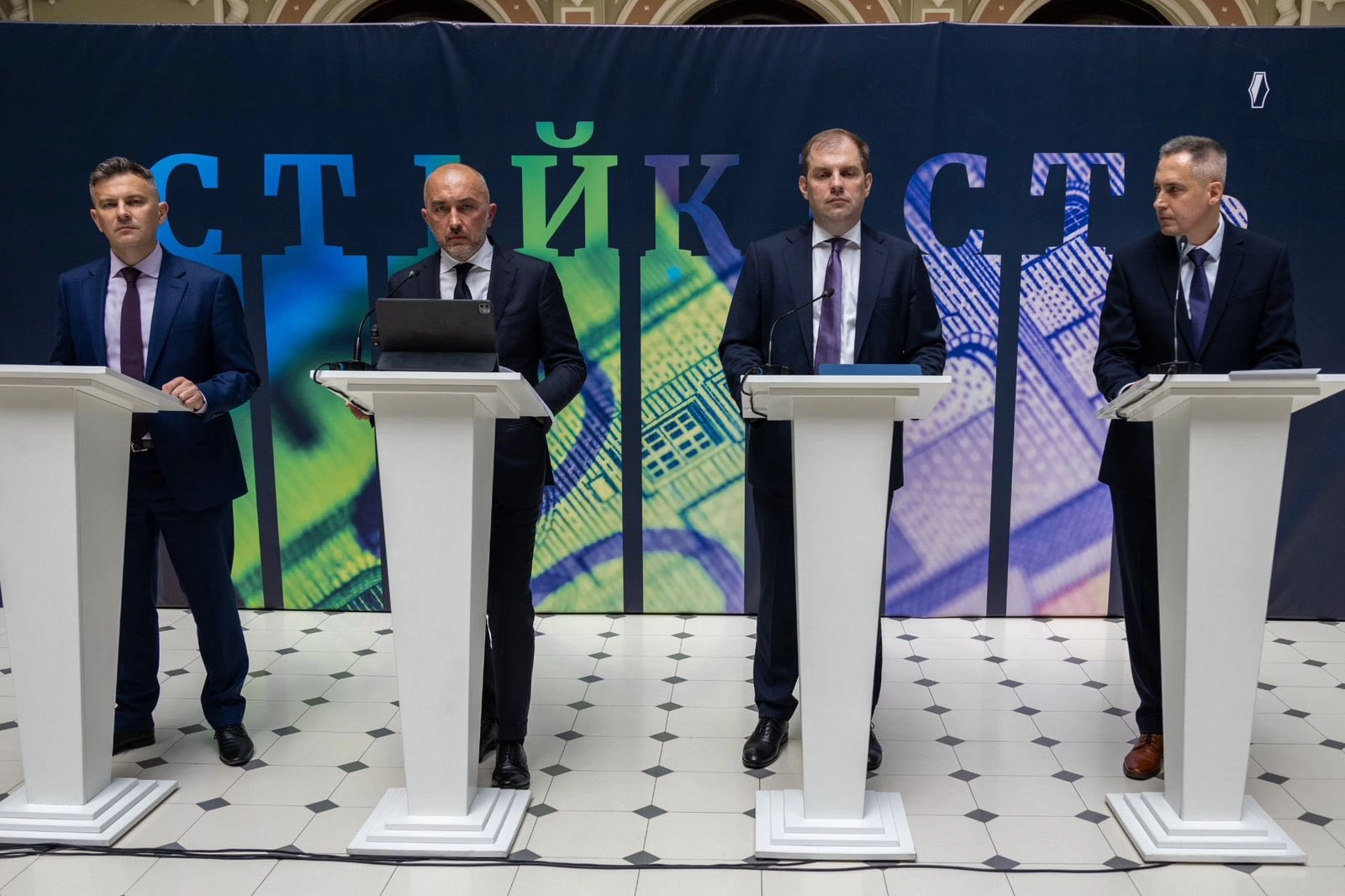
Ukraine’s central bank, the National Bank of Ukraine (NBU), kept the key rate steady at 15.5%, but slashed GDP growth forecast by 1% because of weather, war, and higher defense spending.
The NBU announced the decision at a briefing on Thursday, July 24.

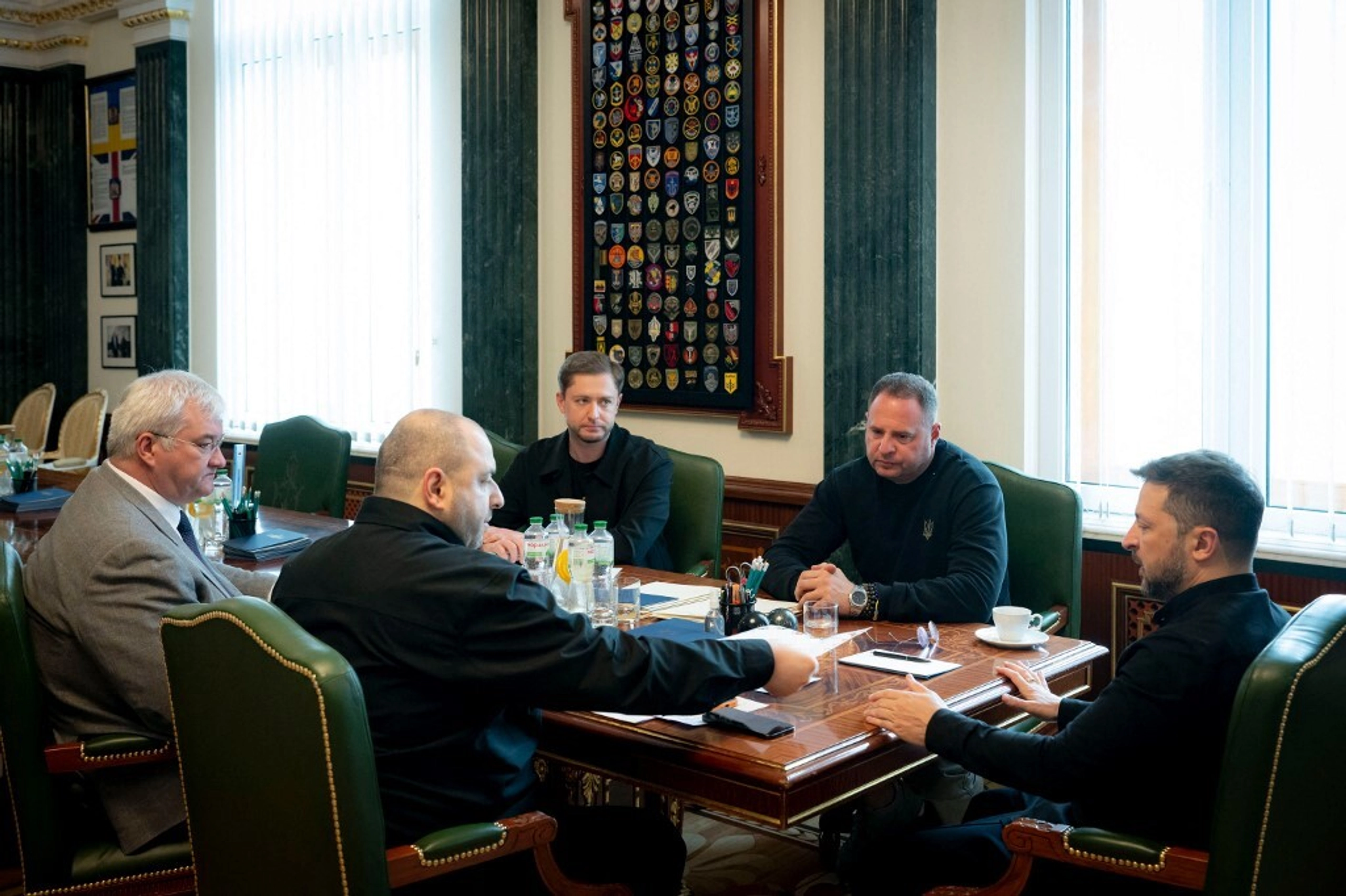
President Zelensky approved a revised draft law that will restore NABU and SAPO’s independence following two days of nationwide protests.
President Volodymyr Zelensky approved the text of a new draft law aimed at ensuring the independence of the National Anti-Corruption Bureau (NABU) and the Specialized Anti-Corruption Prosecutor’s Office (SAPO) on Thursday afternoon. He said that this would strengthen both elements of the anti-corruption system and protect it from Russian influence.
The decision came after two days of large-scale nationwide protests that saw thousands of Ukrainians taking to the streets demanding the restoration of NABU and SAPO’s independence.
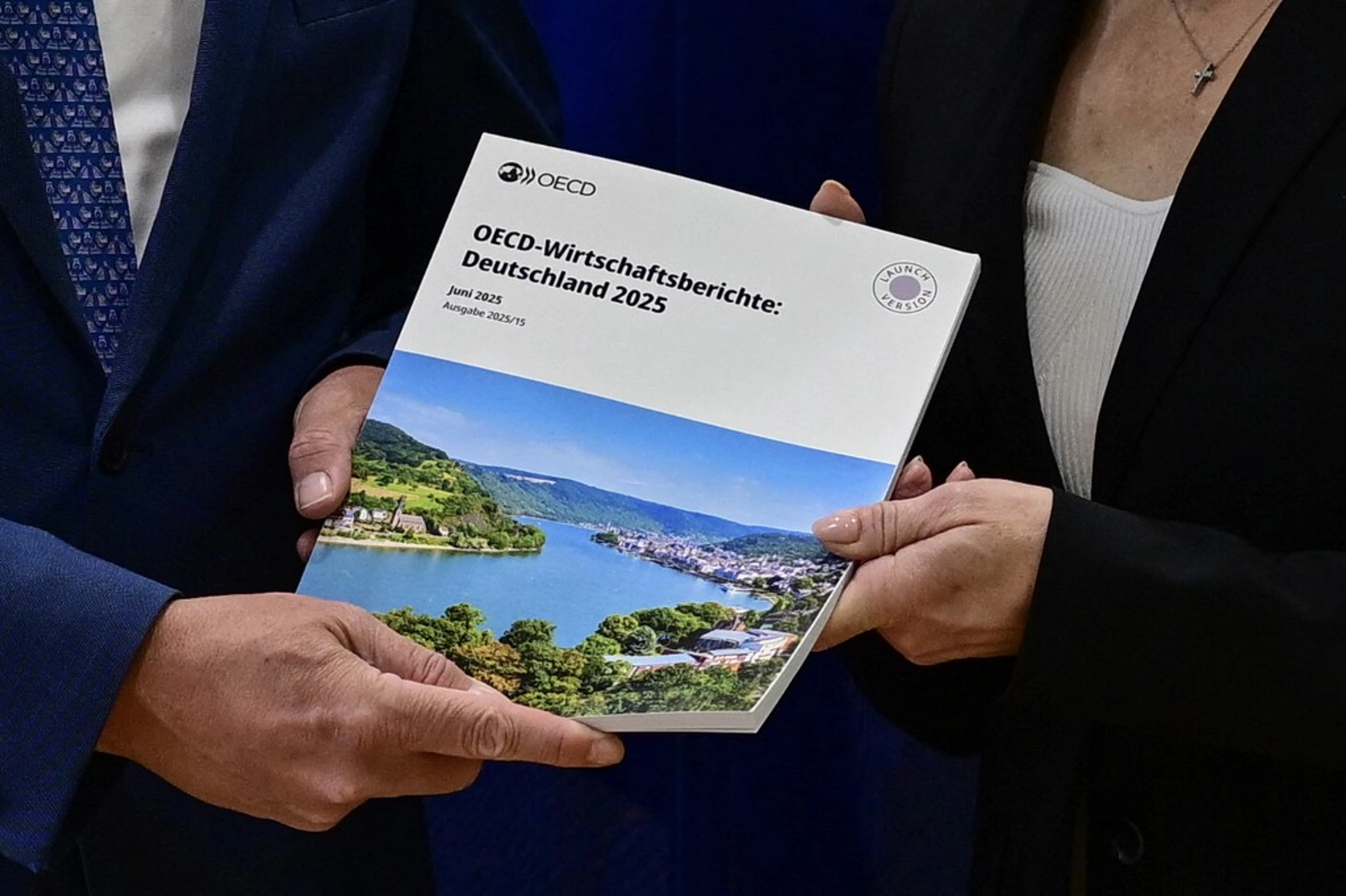
OECD warned Ukraine that gutting anti-graft agencies threatens reconstruction, defense investments, and future OECD membership.
The Organization for Economic Co-operation and Development (OECD) addressed a letter to Ukraine’s Deputy Head of the President’s Office Iryna Mudra, warning Kyiv that the attack on anti-corruption agencies will negatively affect defense investments in Ukraine and reconstruction financing.
Ukraine is about to become an OECD member, joining the platform that sets the international standards and guidelines for development cooperation and provides analysis for policymaking globally.
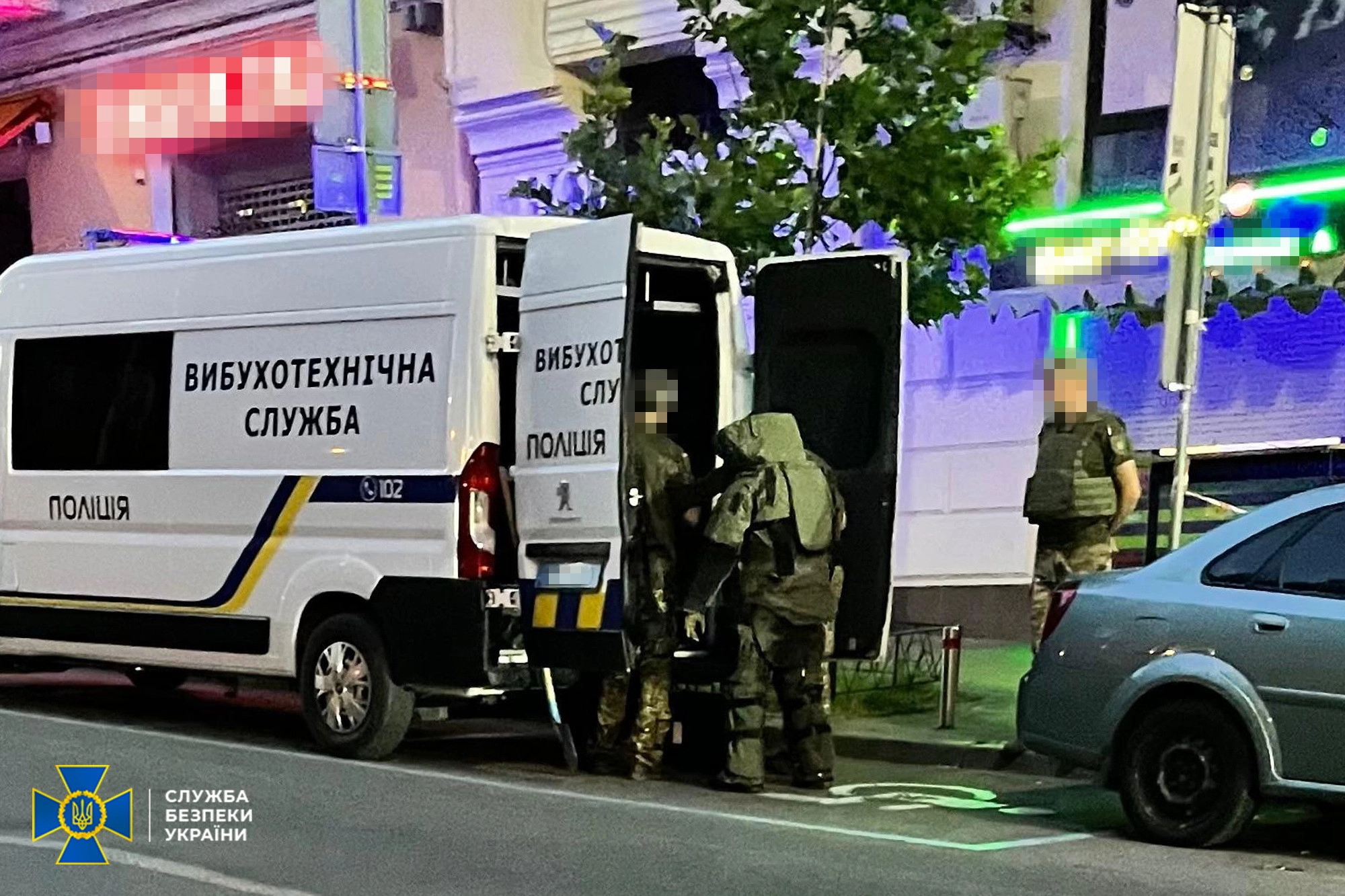
The SBU foiled a Russian-planned terror attack in central Kyiv, detaining a woman who tried to plant explosives in a café.
The Security Service of Ukraine (SBU) reported that it prevented a terrorist attack in central Kyiv on Wednesday evening, July 23.
Law enforcement officers detained a woman who was attempting to plant two improvised explosive devices in one of the city’s coffee shops.
Despite criticism of the alleged “ineffectiveness” of Ukraine’s anti-corruption bureau it has initiated more than 20 cases against politicians and businessmen during the ongoing full-scale war.
The National Anti-Corruption Bureau of Ukraine (NABU) is under pressure from the Ukrainian authorities, who have been trying to limit its independence in conducting investigative actions, along with its partner, the Specialized Anti-Corruption Prosecutor’s Office (SAPO).
Yesterday, under public pressure from mass protests – which appear to be the largest since the 2014 EuroMaidan – and statements from EU member states, President Volodymyr Zelensky promised to submit a bill to parliament that would restore the independence of anti-corruption institutions.

Active since 2013, the XSS.is forum enabled the sale of malware, access to compromised systems, stolen data, and ransomware-related services.
A suspected administrator of a top Russian-language cybercrime forum, XSS.is, has been arrested in Ukraine with the help of French police and Europol, French prosecutors said on Wednesday.
Industry experts describe XSS.is as one of the longest-running dark web forums.
Ukraine’s former commander-in-chief, now Kyiv’s ambassador to the UK, welcomed the London-led post-war peacekeeping initiative but expressed doubts about its practicality.
Valery Zaluzhny, Ukraine’s former commander-in-chief and current ambassador to the UK, voiced skepticism on Wednesday about the British-and French-led “Coalition of the Willing.”
The plans, unveiled in early July, included a headquarters in Paris, securing Ukrainian airspace, and naval demining in the Black Sea to help Ukraine rebuild its military – but only after the “cessation of hostilities.”
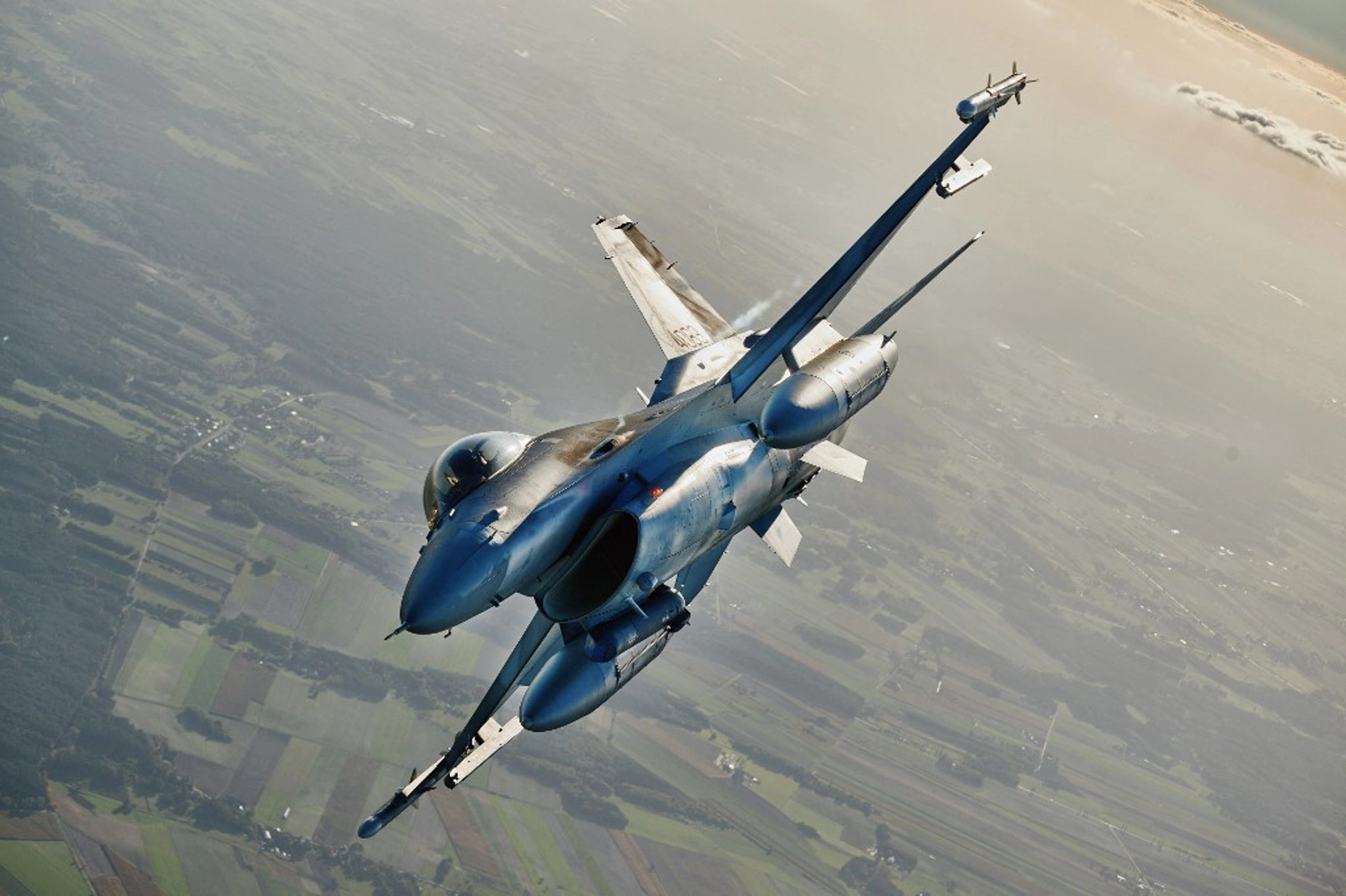
Ukraine’s air force has received a truck-mounted system that enables Vipers to be fully maintained from dispersed locations, funded by a charity supported by industry.
The Ukrainian Air Force (UAF) has taken delivery of a fleet of vehicles designed to help it operate and maintain its F-16 Viper fighters at dispersed locations around the country, the “Come Back Alive (CBA)” charity foundation announced on Tuesday.
Working with the Ukrainian defense industry’s “Office 61,” and with financial support from “Ukrnafta,” the system was CBA’s brainchild.
Protests have erupted in war-torn Ukraine against a law signed off by Zelensky this week that removes the independence of two key anti-corruption bodies.
The EU on Thursday welcomed Ukrainian President Volodymyr Zelensky’s vow to propose a new bill on the independence of anti-graft agencies, and said Kyiv had to address concerns from Brussels.
“We have seen that the Ukrainian government has taken action,” EU spokesman Stefan de Keersmaecker said.
The deputies from all parliamentary parties submitted a bill to repeal Law 12414 and restore NABU and SAPO’s independence amid mass protests and the international backlash.
Members of the Ukrainian Parliament have registered a motion calling for the repeal of the provisions of Law No. 12414 that restricted the activities of National Anti-Corruption Bureau (NABU) and the Specialized Anti-Corruption Prosecutor’s Office (SAPO). According to Yaroslav Yurchyshyn, Head of the Parliamentary Committee on Freedom of Speech, the document was signed by 48 MPs – its aim is to restore the independence of the two anti-corruption agencies.
“The law on restoring the independence of NABU and SAPO has been signed by 48 MPs from different factions. We are registering it. Tomorrow it can be put to a vote. Turbo mode on. Your move, Mr. President,” Yurchyshyn wrote on Facebook.

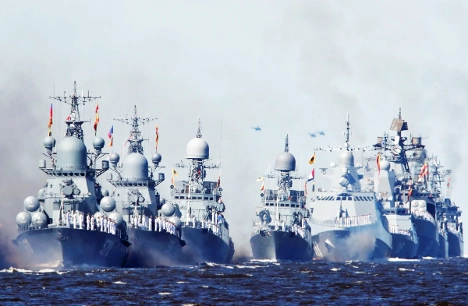
After three years of pounding by Ukrainian drones and missiles, Russia’s once-fearsome Black Sea Fleet doesn’t seem much interested in taking to open water.
The world’s third most powerful maritime force the Russian Navy kicked off a massive training exercise called “July Storm” on Wednesday. Its warships deployed into the Pacific Ocean and the Barents, Caspian and Baltic Seas for what is billed as realistic, multi-spectral battle drills spanning 13 time zones.
But in the Black Sea – the only place where Moscow is actually fighting a naval war – the surface ships and submarines of Russia’s once-mighty Black Sea Fleet (BSF) are staying firmly tied up at moorings in the port Novorossiysk, where last night they sat passively as Ukrainian long-range drones pounded shore targets further up the coast.

The overconcentration of power around Yermak is not healthy - there need to be checks and balances, and the cabinet reshuffle last week removed them.
Disappointing to read some talking heads in the Western media arguing that Zelensky is now the problem and should step aside - see article therein in the UK’s Daily Telegraph.
Excuse my French, but what complete and utter bollocks.

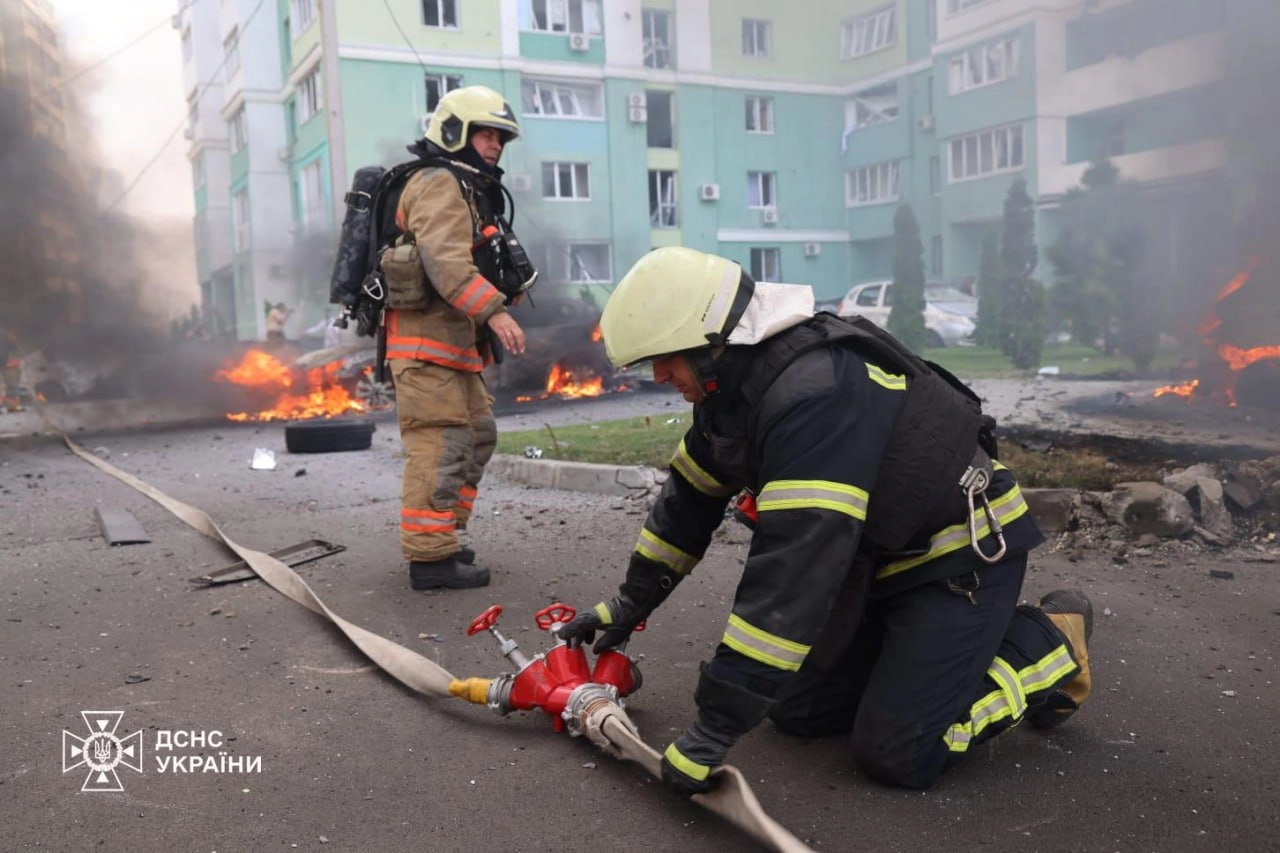
One bomb hit a civilian business, starting a fire. The second exploded near a multi-story apartment building, igniting about 15 parked cars.
A Russian airstrike hit the center of Kharkiv early Thursday, injuring at least 33 people, including four children, Ukrainian officials said. The bombs damaged a residential neighborhood and set vehicles on fire in one of the city’s most densely populated areas.
Kharkiv, Ukraine’s second-largest city, is located near the Russian border and has faced regular air attacks since the start of the full-scale invasion in 2022.
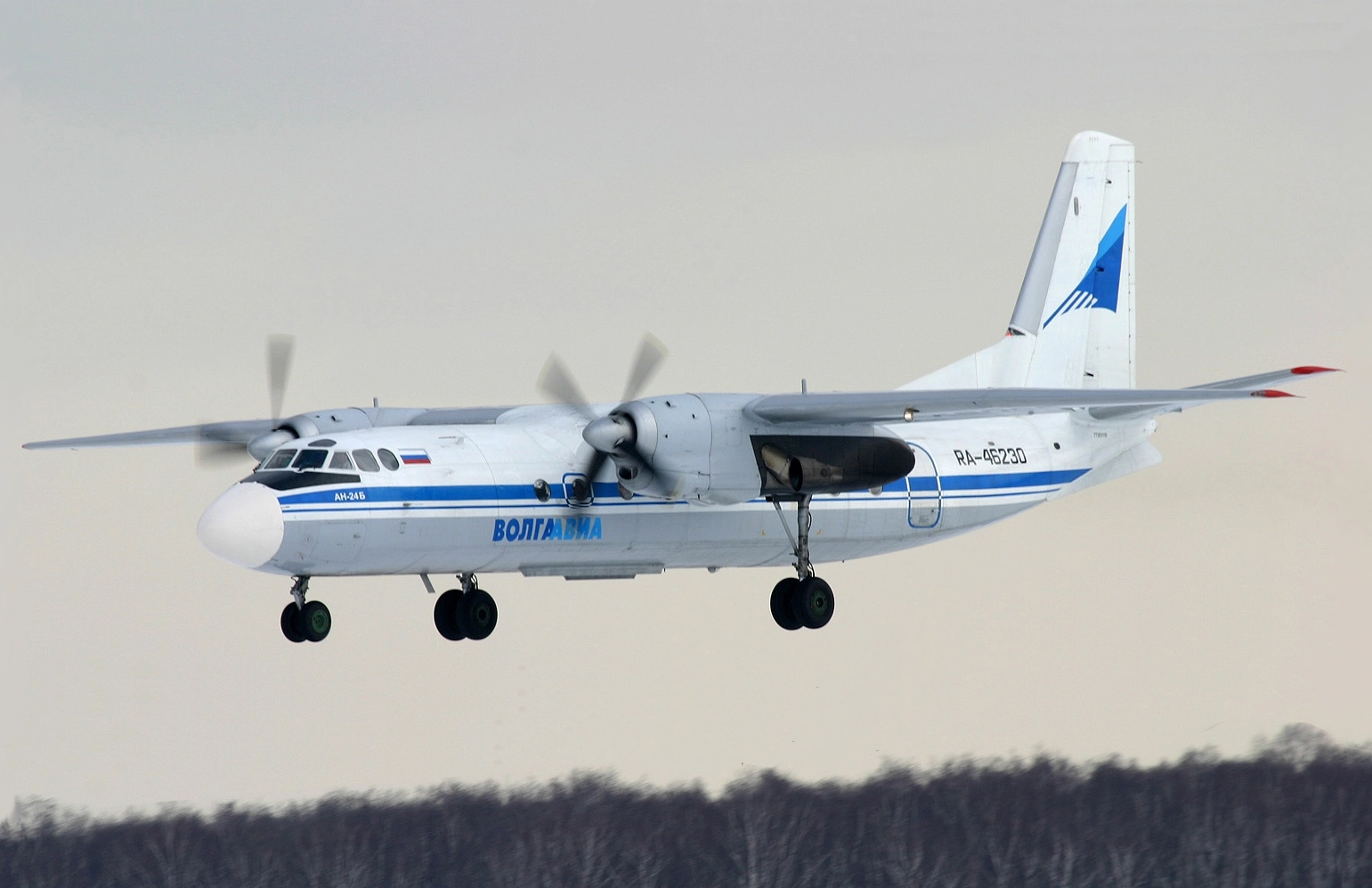
A 50-year-old An-24 plane crashed in Russia’s Amur region during a second landing attempt in Tynda; all 49 on board died.
A passenger Antonov An-24 aircraft has crashed in Amur Oblast, Russian Federation, with 49 people on board. Rescuers have already located the crash site – the aircraft’s fuselage is burning on the ground.
According to media reports, the plane was operating a flight from Khabarovsk to Tynda with a stopover in Blagoveshchensk. Communication with the aircraft was lost shortly before it was due to land at the airport.
No more dithering. The time to act to stop Russia is now (or never?)
Heavily outnumbered and outgunned, Ukrainians have withstood Russia’s invasion for more than a decade, including more than three years of Russia’s all-out genocidal war against Ukraine.
During this epic struggle, Ukrainians have been willfully killed, seriously injured, tortured, raped and terrorized; they have been subjected to inhumane treatment, violence, toxic substances, frigid cold, darkness and nightly air raid sirens; their children have been kidnapped and forcibly deported to Russia; and many of their churches, hospitals, schools, cultural sites and residential buildings have been destroyed.
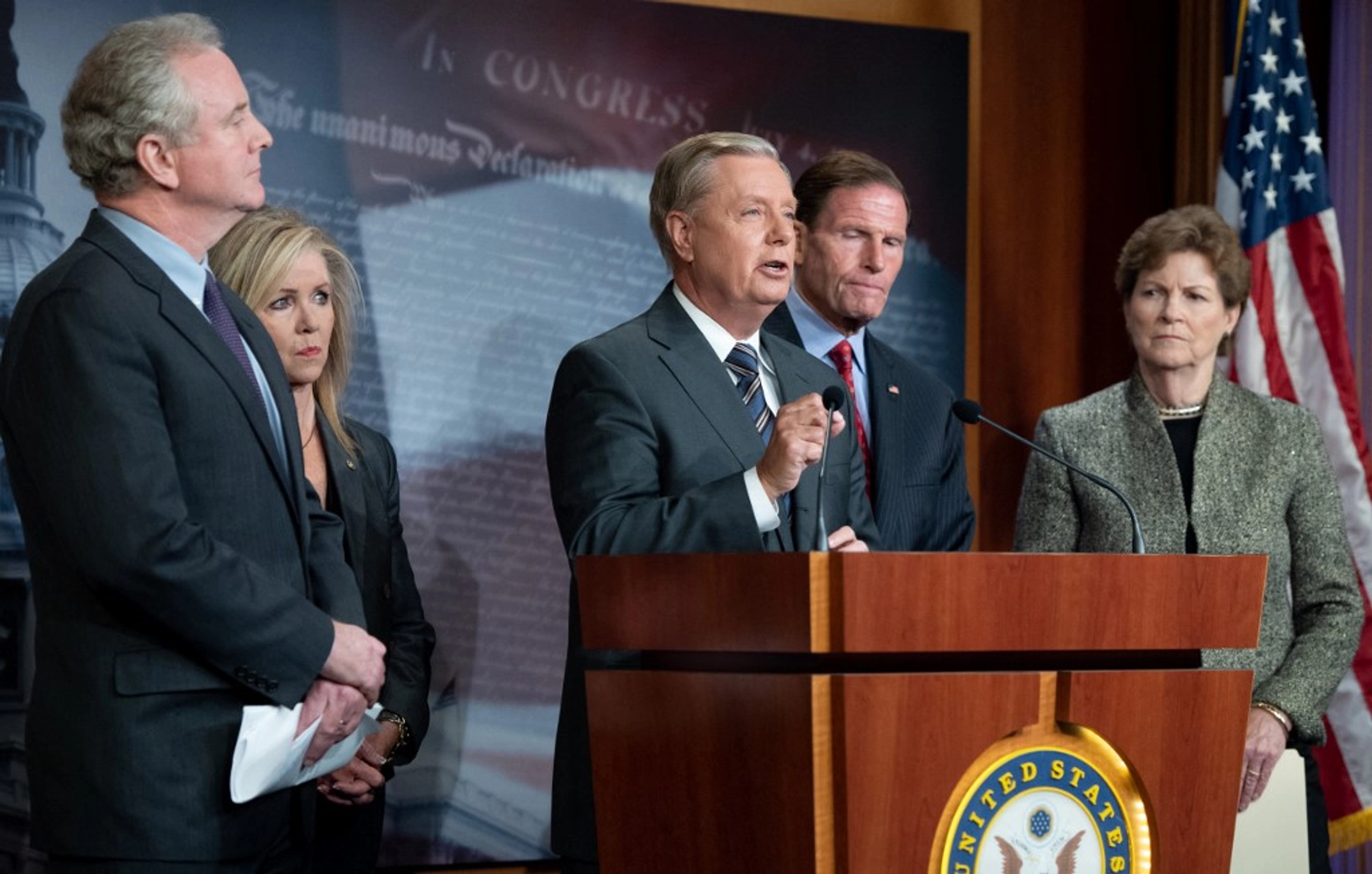
Senators Jeanne Shaheen and Lindsey Graham said Ukraine must avoid giving its critics more reasons to question international support.
Two senior US senators have warned that a new Ukrainian law could roll back years of progress in fighting corruption.
Senators Jeanne Shaheen, a Democrat, and Lindsey Graham, a Republican, issued a joint statement after President Volodymyr Zelensky signed a law that strips the country’s anti-corruption agencies of their independence.
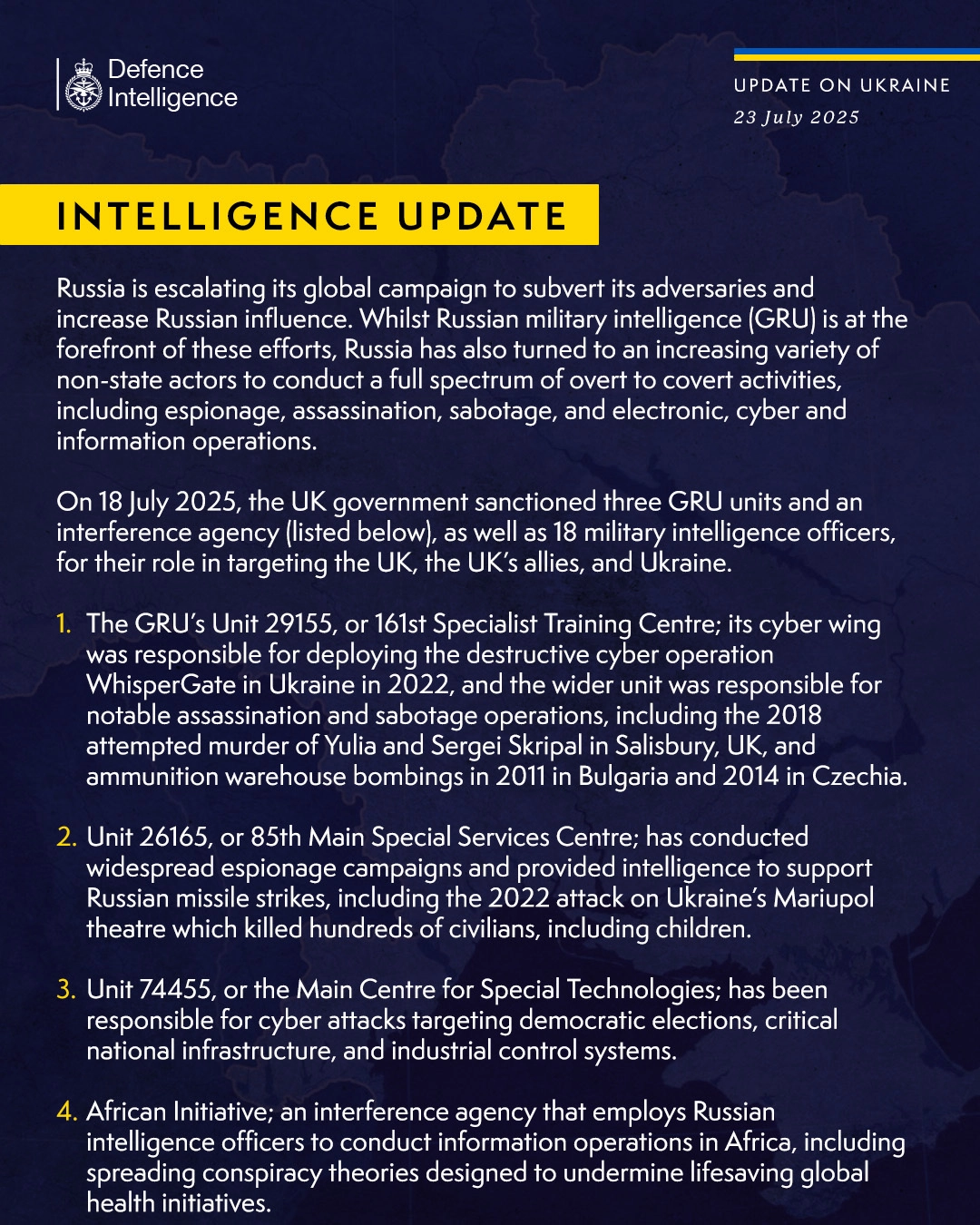
Latest from the British Defence Intelligence.
Russia is escalating its global campaign to subvert its adversaries and increase Russian influence. Whilst Russian military intelligence (GRU) is at the forefront of these efforts, Russia has also turned to an increasing variety of non-state actors to conduct a full spectrum of overt to covert activities, including espionage, assassination, sabotage, and electronic, cyber and information operations.
On 18 July 2025, the UK government sanctioned three GRU units and an interference agency (listed below), as well as 18 military intelligence officers, for their role in targeting the UK, the UK’s allies, and Ukraine.
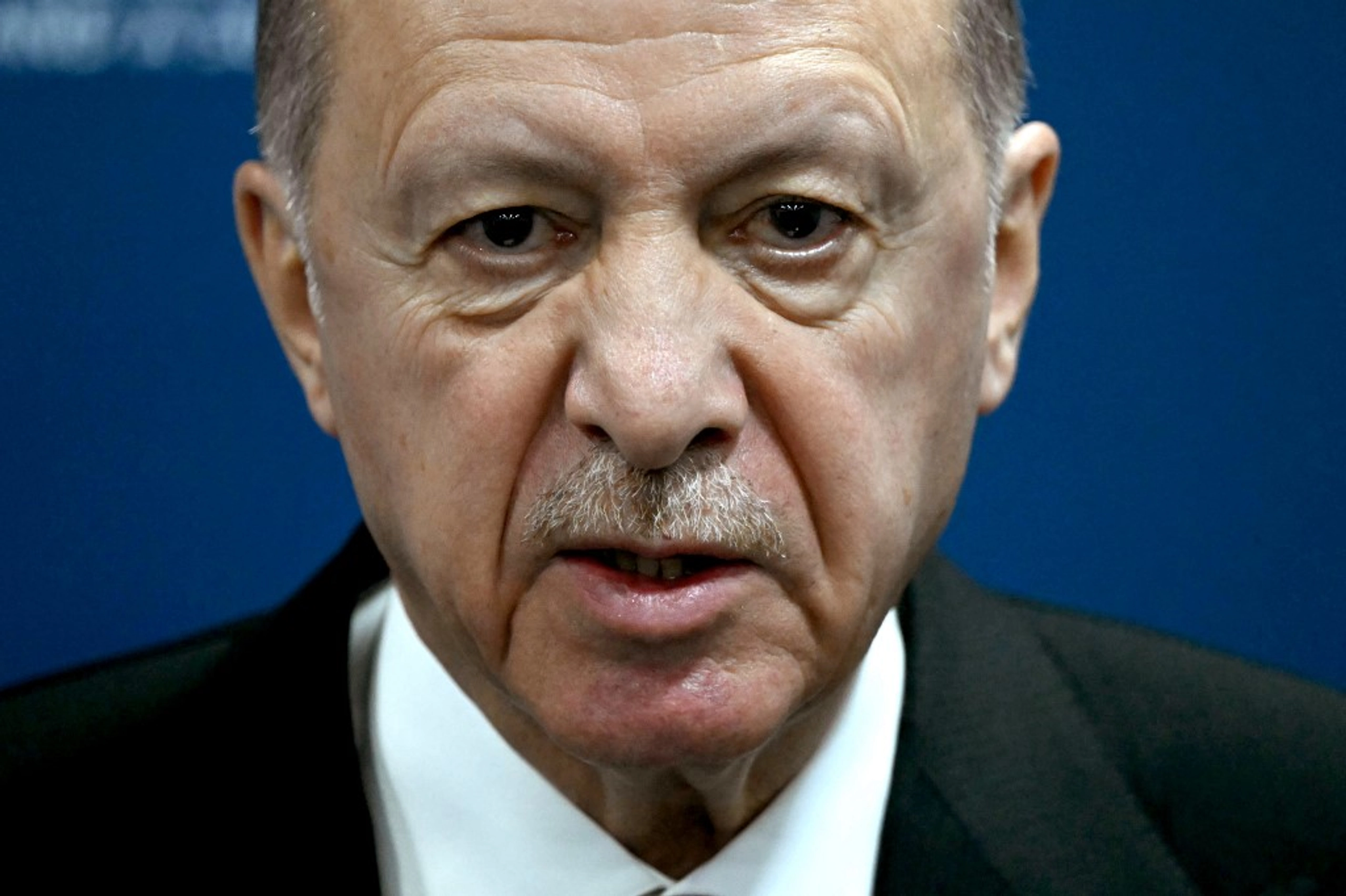
Türkiye faces major geopolitical shifts offering both opportunity and risk. Erdogan balances complex ties with Trump, Israel, Kurds, and neighbors, seeking peace deals and regional power.
Türkiye faces a remarkable set of geopolitical challenges and opportunities at present which have the potential to give big wins but also present new headaches for President Erdogan. He seems to be good at playing multidimensional geopolitics so let’s see how he manages through all these.
First, and a positive, Trump seems to have genuine respect for Erdogan, appreciating a strong, male leader, who also excels in a world of transactional power plays. Trump sees Erdogan as someone with whom he can do business and who can potentially give him solutions in Syria, with Russia-Ukraine, which is also a useful player on Iran, while also potentially being a large market for US weapons. Erdogan appreciates the fact that Trump has not lectured him on recent domestic political events, which has left the Turkish opposition somewhat exposed in the context of the ongoing cases against the CHP, Imamoglu et al.
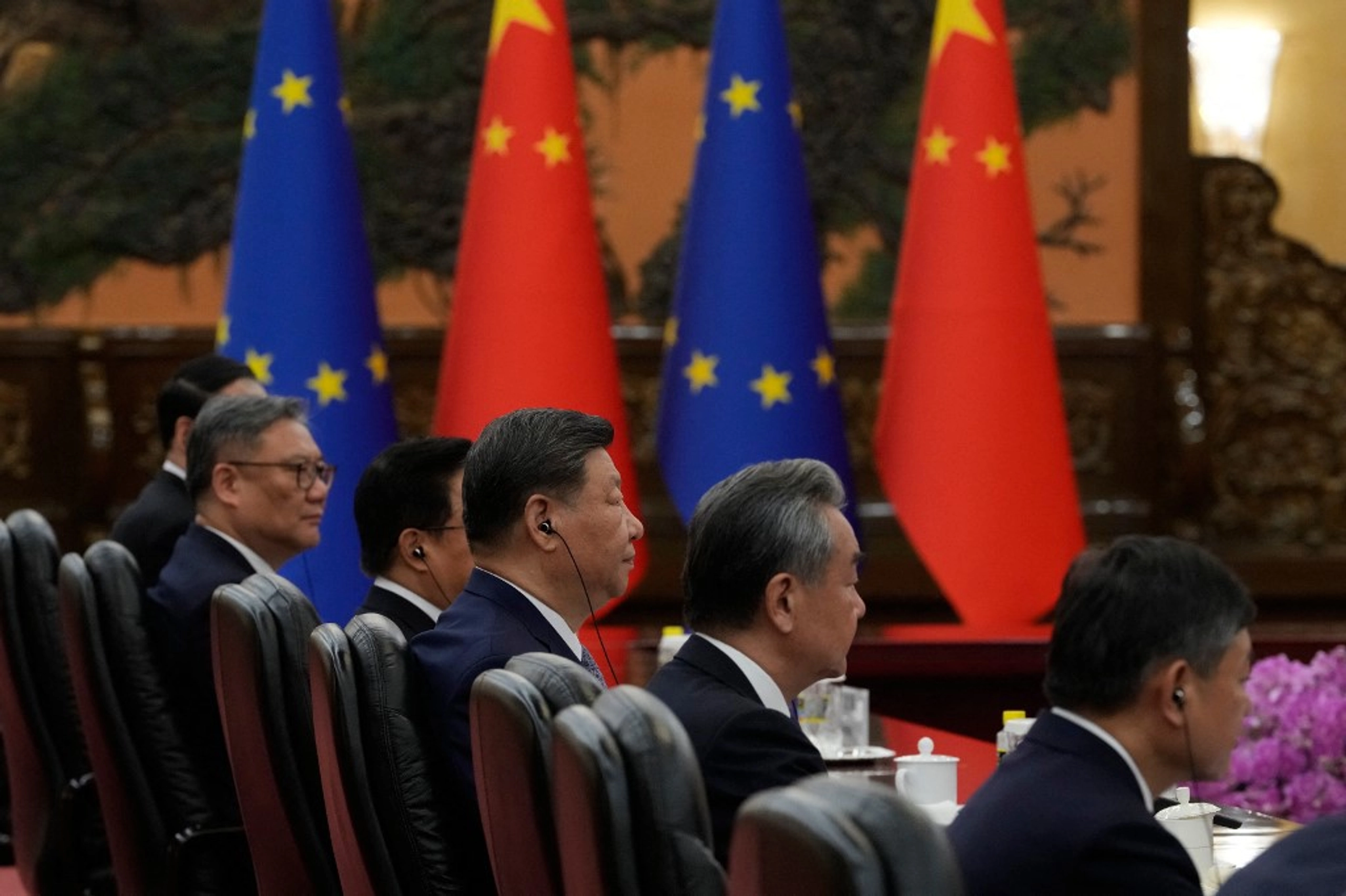
China’s leadership has sought to draw the European Union closer as it positions itself as a more reliable partner than the United States and a bedrock of stability in a troubled world.
Chinese President Xi Jinping said China and the EU must deepen trust in a turbulent world but the bloc’s chiefs called for “real solutions” to move past an inflection point as they met in Beijing on Thursday.
China’s leadership has sought to draw the European Union closer as it positions itself as a more reliable partner than the United States and a bedrock of stability in a troubled world.
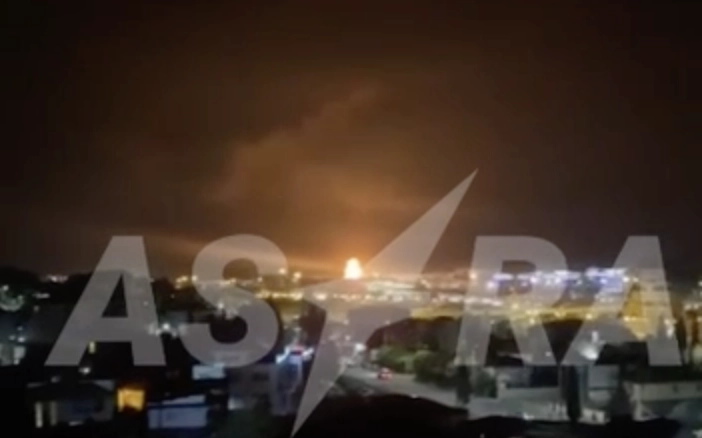
This is not the first incident at the company’s refineries – Lukoil facilities have become frequent targets of Ukrainian drone and cyberattacks.
Ukrainian drones struck an oil depot near the Russian resort city of Sochi overnight, sparking a large fire and prompting temporary airport closures. At least one person was killed in a separate incident, and dozens of flights were delayed.
According to local officials, one of the drones targeted a Lukoil-operated fuel storage facility in the town of Sirius, about 30 kilometers south of Sochi.

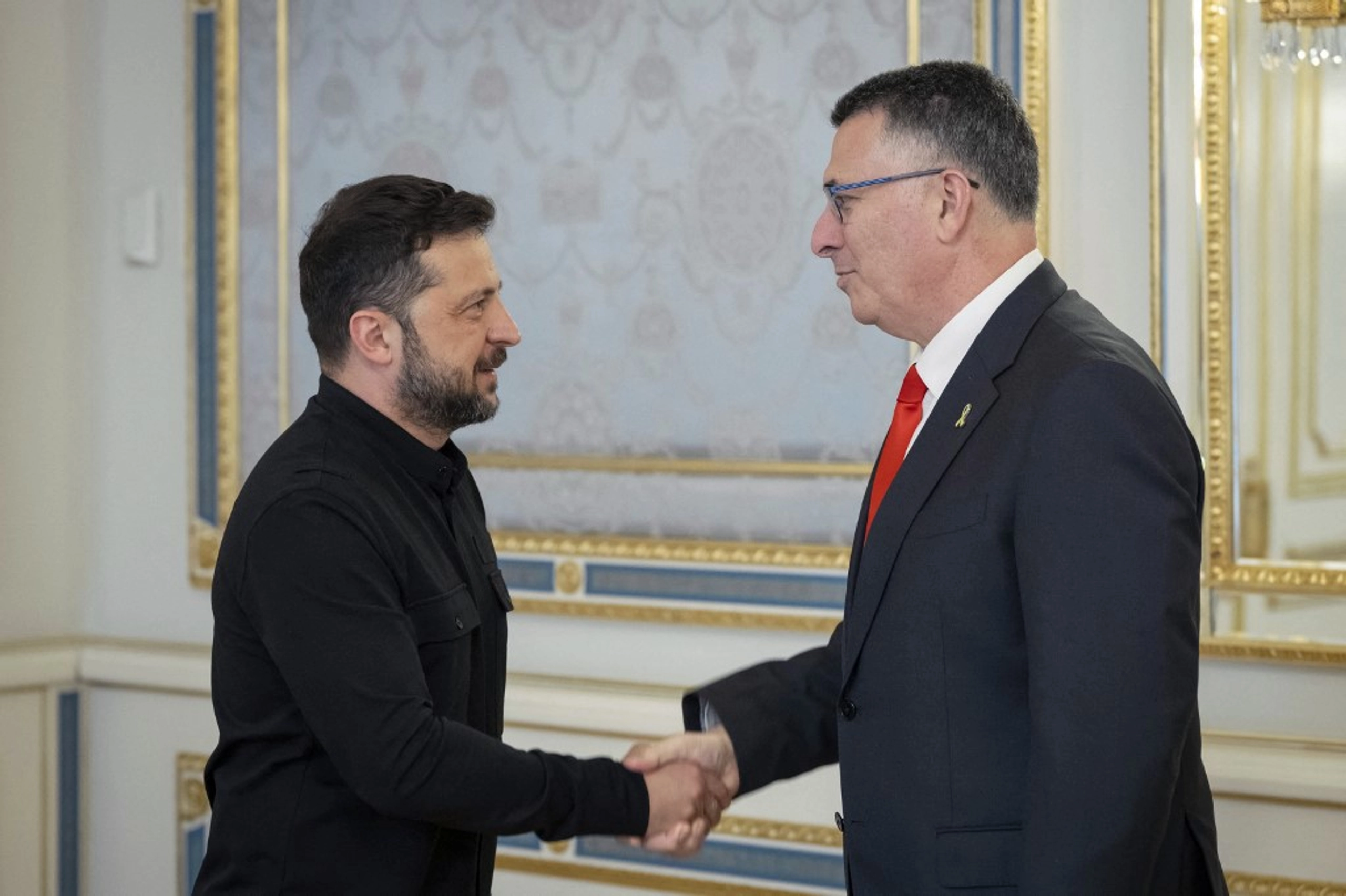
Clearly recognizing a common threat posed by the Moscow-Teheran alliance, Ukraine and Israel are working together to thwart Russian and Iranian ambitions in Eastern Europe and the Middle East.
Israeli Foreign Minister Gideon Sa’ar met with Ukrainian President Volodymyr Zelensky in Kyiv on July 23 to discuss expanding bilateral cooperation and launching a new joint security dialogue, with a strong focus on addressing the growing threat posed by Iran and its alignment with Russia.
The visit, Sa’ar’s first official trip to Ukraine as foreign minister, signals an intensifying strategic partnership between the two nations – one increasingly shaped by shared concerns over Tehran’s expanding military footprint and Moscow’s aggression in Eastern Europe.
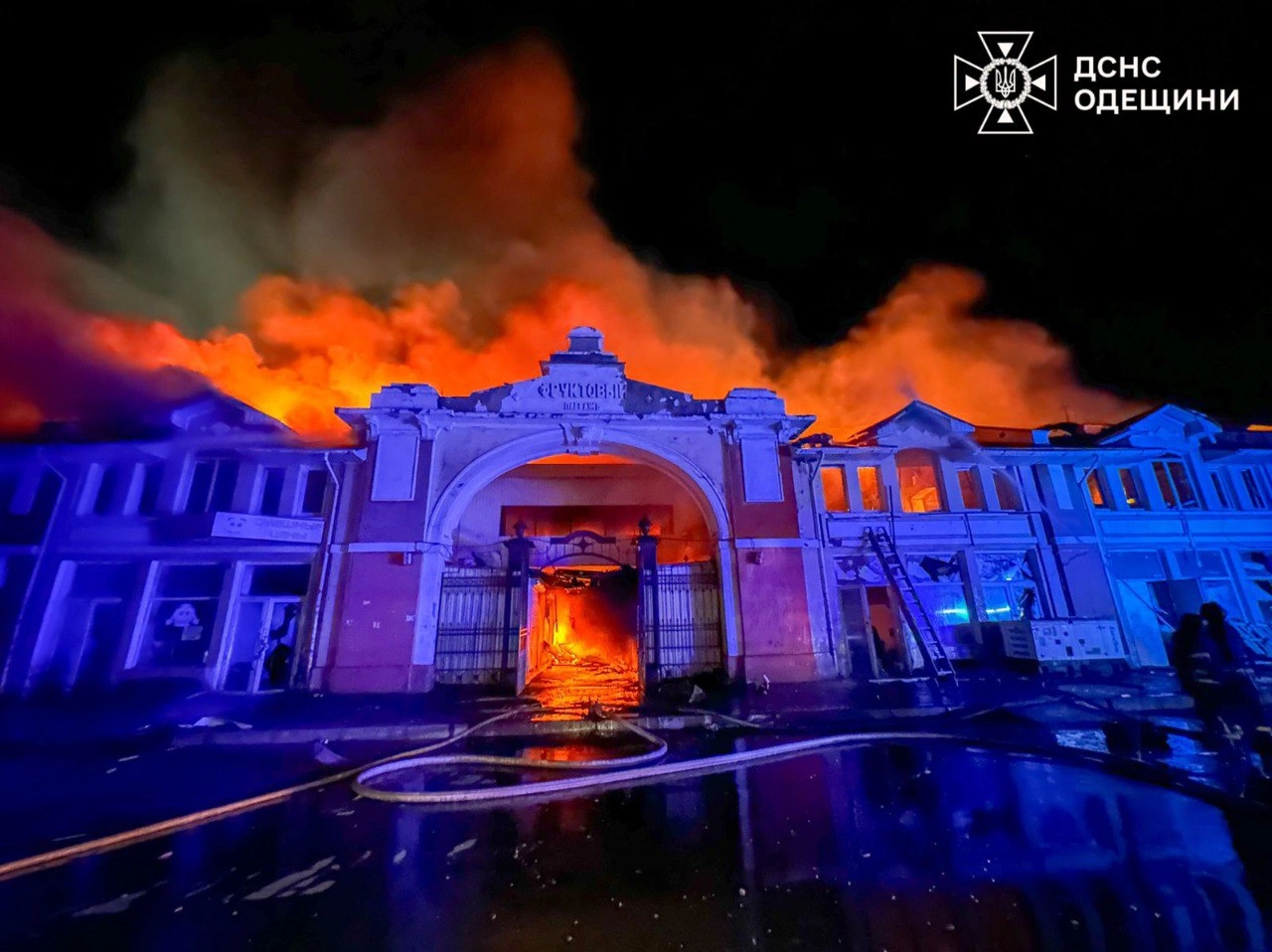
The well-known Pryvoz Market – a nearly 200-year-old symbol of the city and UNESCO Heritage site – caught fire during the strike. Crews are still battling the flames and working to limit the damage.
A Russian drone attack early Thursday damaged homes, historic landmarks, and parts of Odesa’s UNESCO-protected city center, local officials said.
The well-known Pryvoz Market – a nearly 200-year-old symbol of the city – caught fire during the strike. Crews are still battling the flames and working to limit the damage.

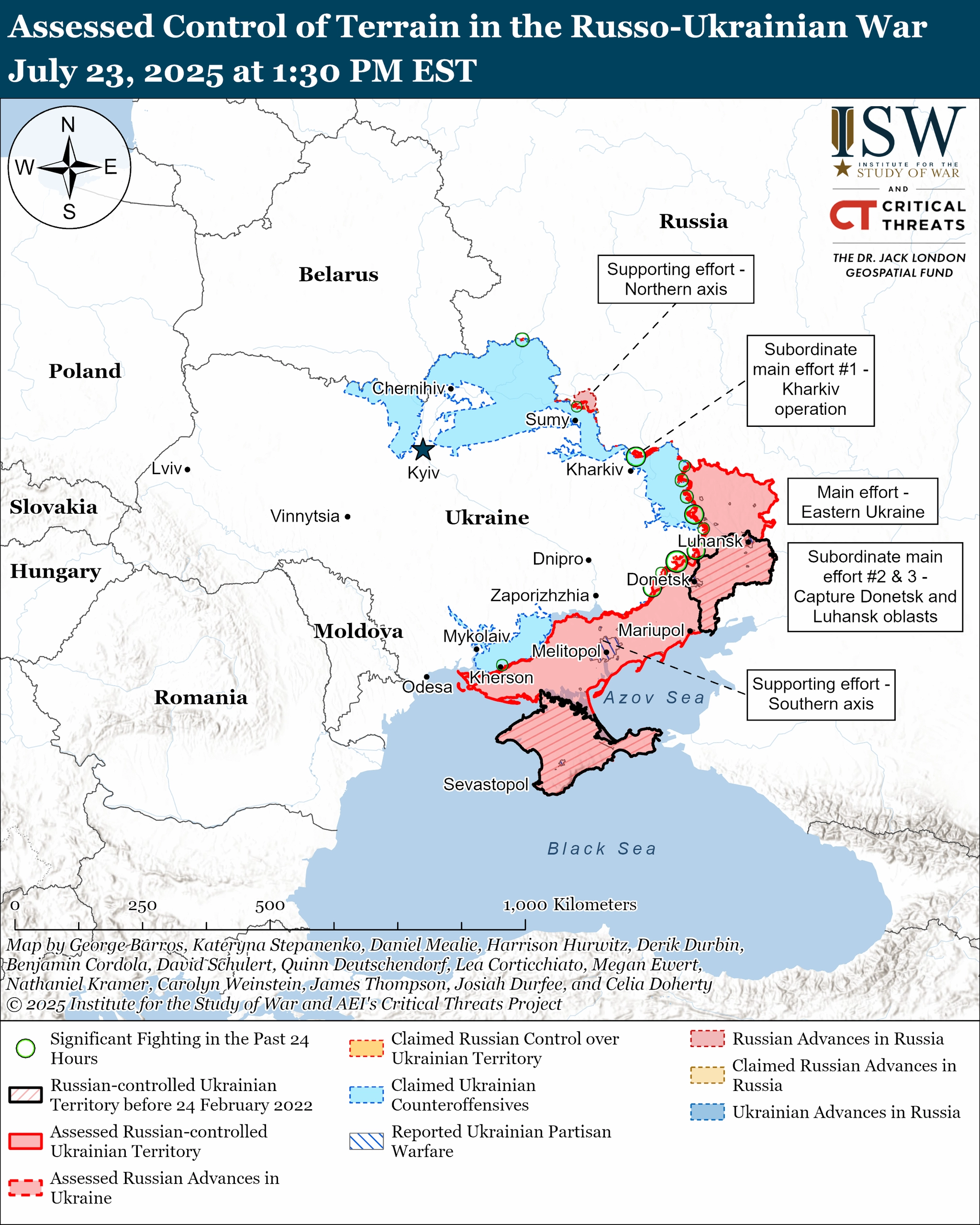
Latest from the Institute for the Study of War.
Key Takeaways from the ISW:
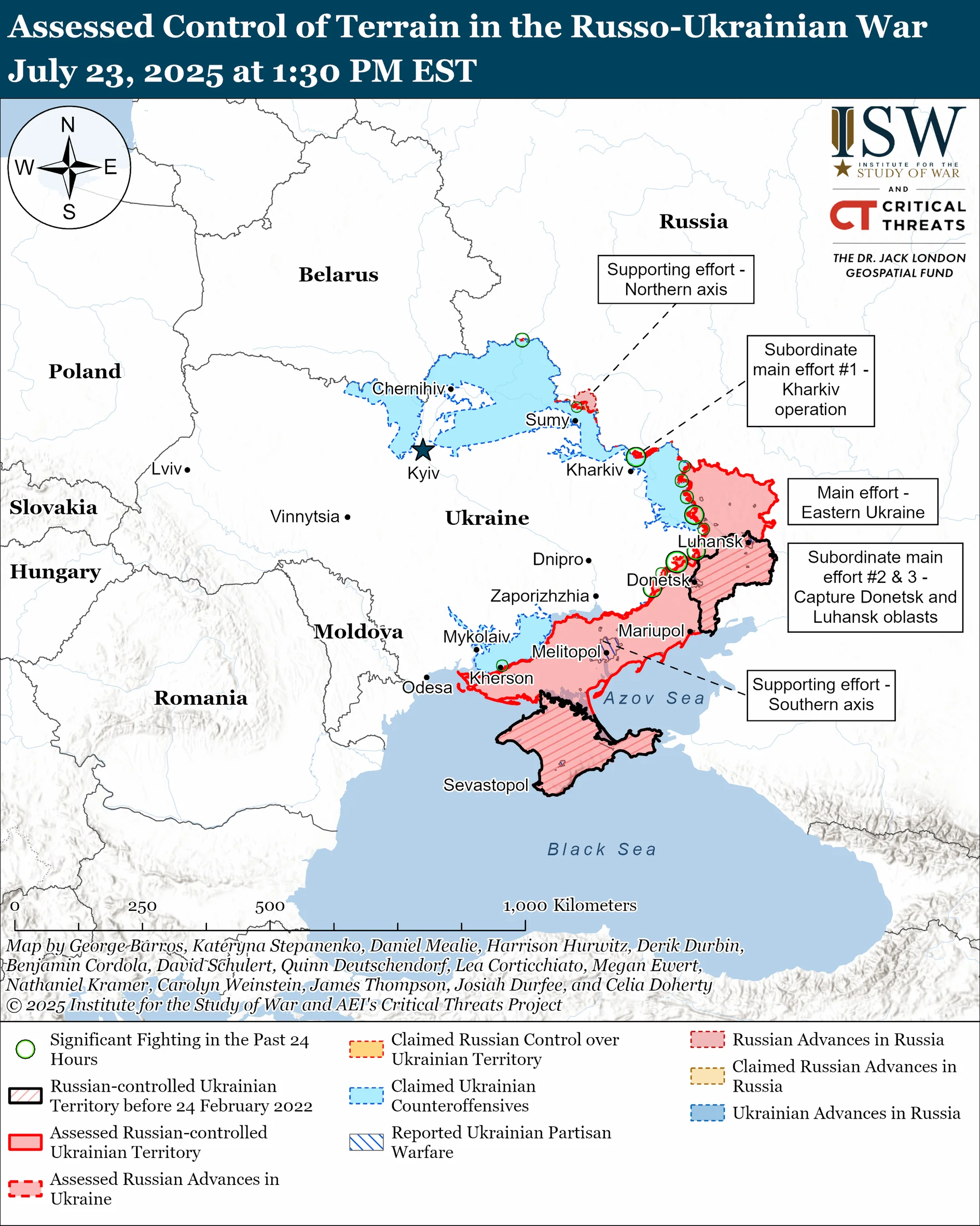
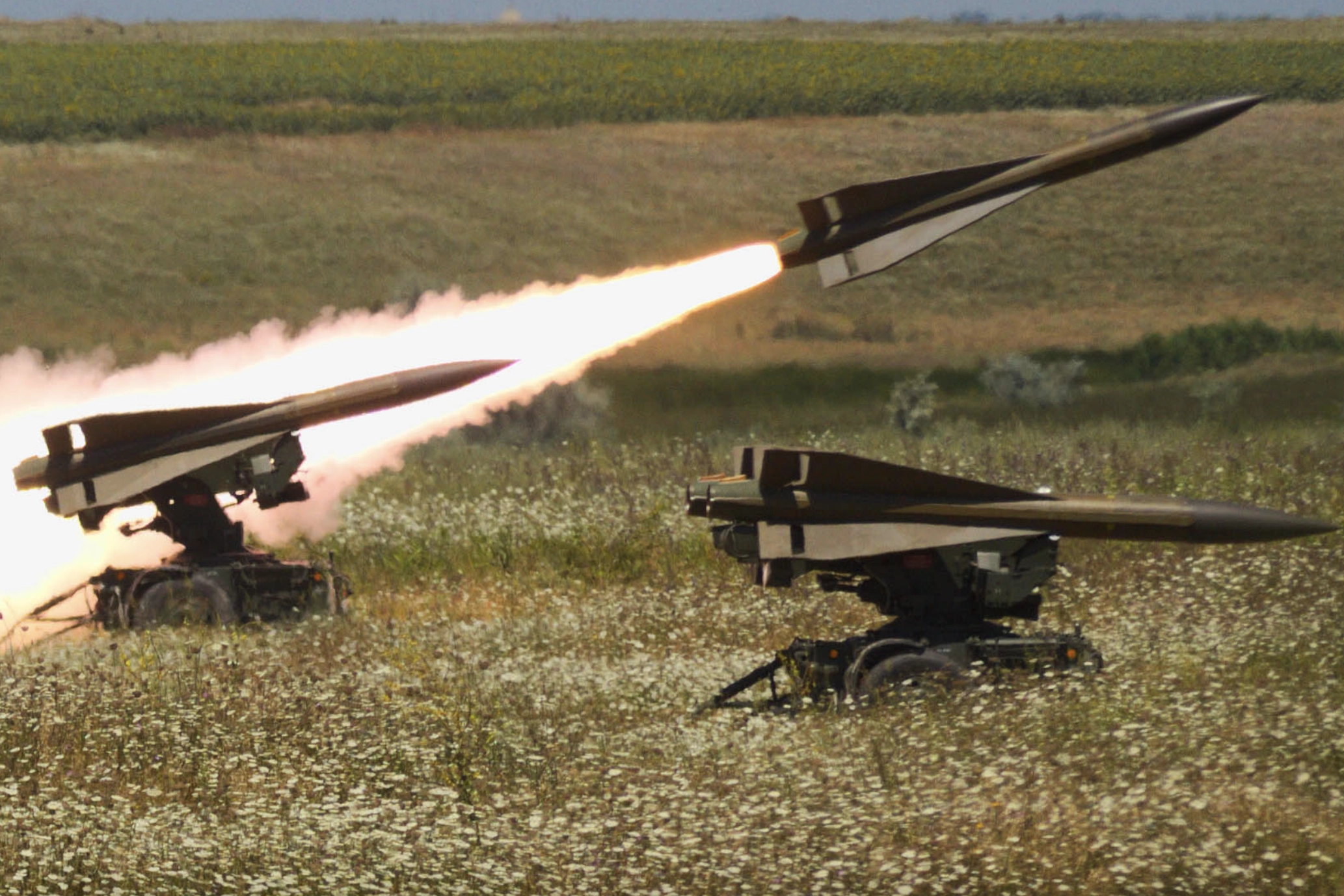
Approval of HAWK and Bradley systems marks a pivot in Trump’s policy; a new arrangement demanding European nations cover costs of US military equipment and substantially raise NATO defense outlays.
WASHINGTON DC – The Trump administration on Wednesday approved two potential foreign military sales to Ukraine totaling an estimated $322 million, signaling a renewed commitment to the war-torn country’s defense. The move came as US President Donald Trump simultaneously introduced a sweeping new vision for financing global military aid and NATO contributions.
The sale packages, announced by the State Department Wednesday afternoon and communicated to Congress by the Defense Security Cooperation Agency (DSCA), are intended to bolster Ukraine’s capability to defend against ongoing Russian aggression, particularly persistent aerial assaults.
Paris and Berlin have pushed efforts to support Ukraine and build up the defense capabilities of NATO’s European members, but Trump’s proposed 30-percent tariffs on them are a bridge too far.
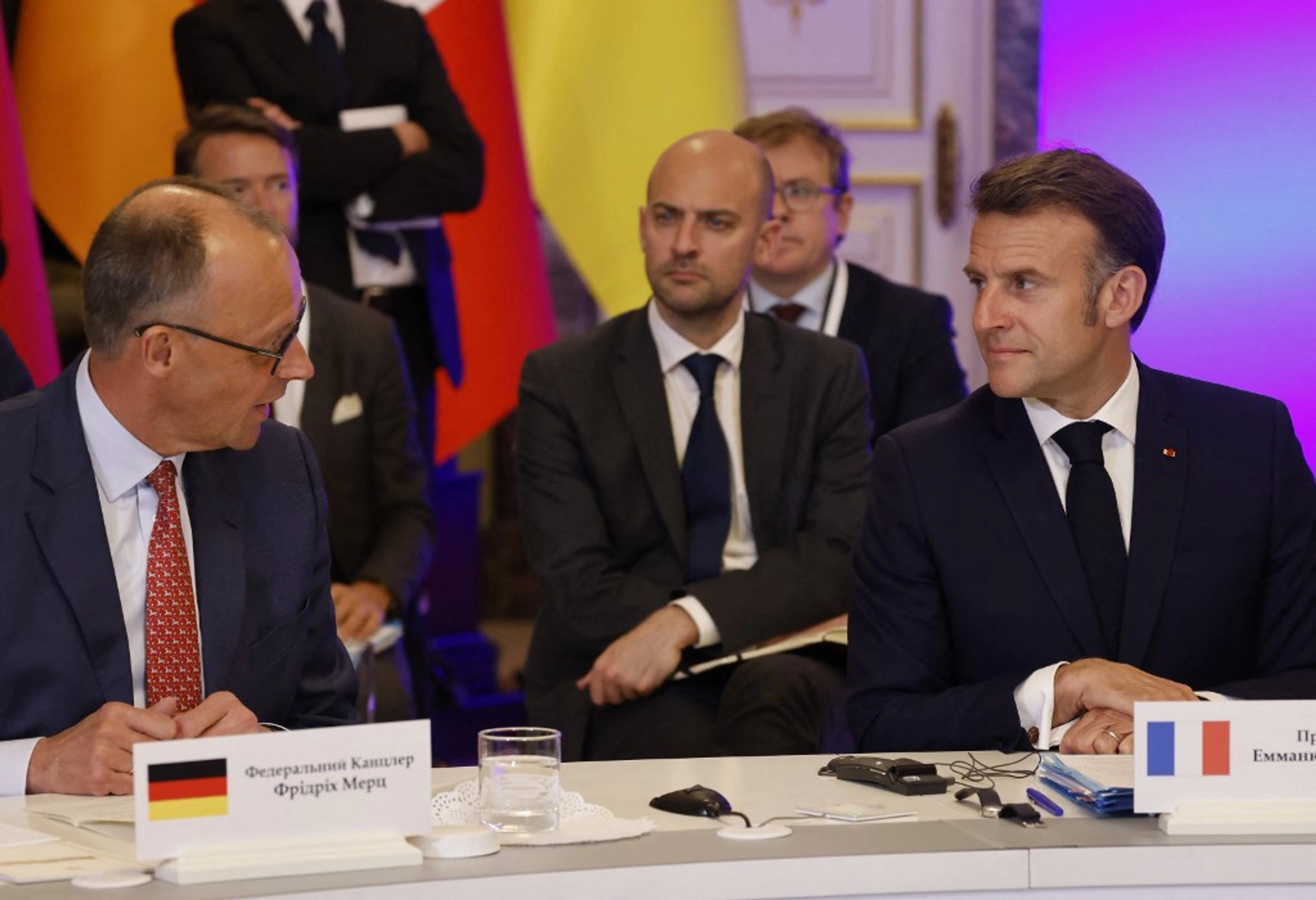
French President Emmanuel Macron met with German Chancellor Friedrich Merz in Berlin on Wednesday as they sought to present a united front on the US-EU trade row, NATO security and other pressing issues, including Ukraine.
Macron and Merz, who took power in May, have been at pains to boost the partnership at the heart of the European Union as US President Donald Trump has rocked transatlantic ties.

As thousands of protesters remain in the streets of Kyiv to demonstrate against new government oversight of anti-corruption agencies, the president’s attempts at compromise are gaining traction.
The two anti-corruption agencies that saw their autonomy rescinded in a law passed earlier this week in parliament have welcomed President Volodymyr Zelensky’s promise to come up with a draft law that will protect at least some of their independence.
Zelensky was under pressure from growing protests in the capital against the law, the first demonstrations of their kind since martial law was imposed following Russia’s full-scale invasion in February 2022.