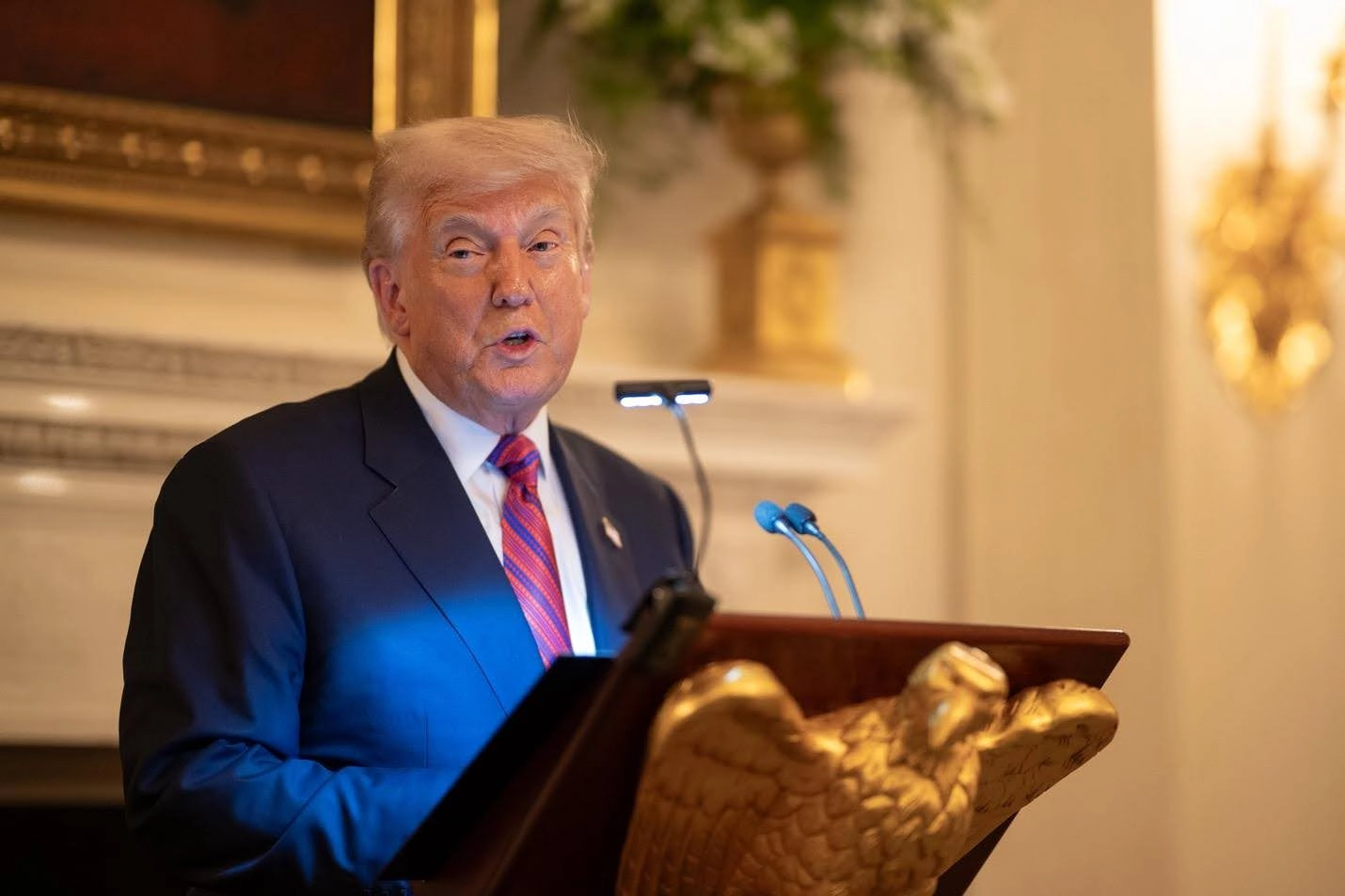
WASHINGTON DC - US President Donald Trump’s latest blueprint for supporting Ukraine, touted by his administration as a “win-win,” is sparking a vigorous debate among retired US military leaders over whether it truly delivers for a nation locked in a brutal war.
This new model, which demands European allies foot the bill for American-made weapons sent to Kyiv, marks a significant pivot from past aid strategies.
JOIN US ON TELEGRAM
Follow our coverage of the war on the @Kyivpost_official.
This approach, which the administration believes will bolster the US defense industry while aligning with Trump’s “America First” principles, comes with an added layer of pressure on Moscow.
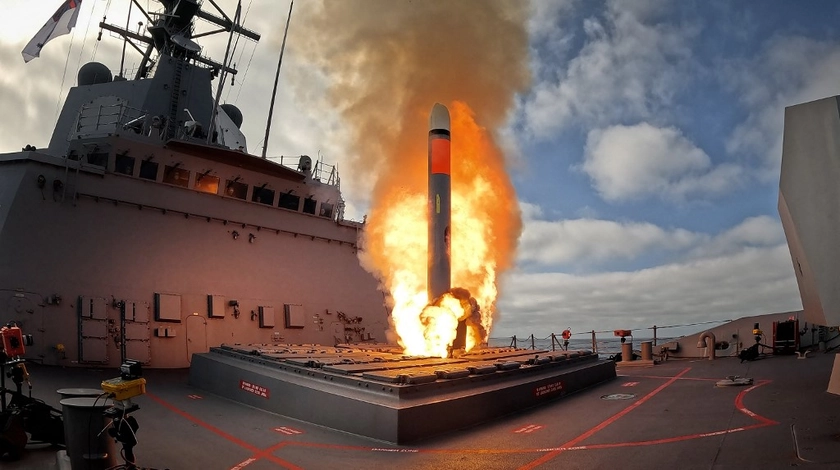
On Wednesday, the Trump administration approved two potential foreign military sales to Ukraine totaling an estimated $322 million.
Experts skeptical of ‘insufficient’ aid
Despite the fanfare, many seasoned military figures remain skeptical about the practical impact of this new arms sale.
Colonel (Ret.) Richard Williams, a veteran with extensive experience in the US military and NATO leadership, told the Kyiv Post that while the sale is “beneficial,” it falls short.
“My view is that, while this sale is beneficial, I would have seen a mix that included Patriot even more so,” Williams said, referring to the highly sought-after Patriot air defense system.
He said that a direct transfer of aid, rather than a sale, would have sent a much stronger message about the US commitment to its ally.Amos Fox, a retired US Army Colonel and fellow at Arizona State University’s Future Security Initiative, offered an even starker assessment in an interview with Kyiv Post.

Russian Troops Forced to Walk 30 km After Ukraine Hits Logistics, Minister Says
Ukraine, he explained, currently “lacks the capacity to do much more at this point than defend themselves.”
Fox believes the recent barrage of drone attacks on Ukraine “hit a bit of a nerve with the US government,” exposing the inadequacy of Ukraine’s existing defenses. The decision to provide more defensive capabilities, like HAWK air defense missiles, is a clear acknowledgment that “what Ukraine has can’t keep up with the threat.”Fox’s analysis suggests a reactive US policy, responding to immediate crises rather than implementing a proactive strategy for Ukrainian victory.
He suspects the administration recognizes that “[Russian leader Vladimir] Putin isn’t actually interested in ending the war,” but rather in “dragging us along as long as he can to keep things going.”
While the sale is a positive step, Fox unequivocally stated it’s “insufficient for the task at hand.”
Looming deadline, strategic stalemate
Early last week, Trump issued a stark 50-day ultimatum, threatening “severe” economic penalties – specifically, secondary tariffs on countries doing business with Russia – if a peace deal isn’t struck by early September.
This aggressive stance is reportedly fueled by Trump’s growing frustration with Putin’s perceived unwillingness to end the conflict and the relentless drone and missile attacks pounding Ukrainian cities.
The 50-day ultimatum to Russia, while dramatic, has also drawn skepticism. Looking ahead to September, Fox doesn’t expect a dramatic shift.
“I don’t expect a lot,” he told Kyiv Post, anticipating only a gradual increase in defensive capabilities for Ukraine, primarily to protect civilians.
He doesn’t foresee “any kind of significant increase in capabilities or assistance for Ukraine to help break Russia’s offensive.”
This suggests a prolonged stalemate, where the US aims to prevent Ukraine’s collapse without providing the means for a decisive victory.
“I really just think it’s going to keep things open-ended,” Fox said, because “we’re not giving sufficient capabilities to force a political decision on Russia’s side.”
What Ukraine really needs to win
The fundamental question, according to Fox, is how “victory” is defined.
If reclaiming annexed territory is the goal, Ukraine urgently needs “infantry and armor and people to move forward on the ground and retake that territory, and then hold that territory.”
He stressed that drones alone cannot hold ground. “You can’t hold territory with drones,” Fox insisted. “At the end of the day, you have to have people on the ground.”This, Fox argued, is Ukraine’s core strategic challenge: expelling Russian forces and then maintaining control. He highlighted Russia’s significant population advantage and its willingness to commit manpower to the fight.
Ukraine, conversely, faces a substantial population imbalance and, in his view, isn’t mobilizing its society in a way that would enable it to retake all lost territory.
“All the things, all the weapons that are being given dance around that, that true problem,” he said.If Ukraine ultimately defines victory without immediate territorial recapture, Fox suggested a focus on “preventative capabilities” to halt further Russian advances.
This could involve fortifying the new border with “mine obstacles,” creating a defensive line similar to the heavily fortified border between North and South Korea.
This difficult choice underscores the grim reality facing Ukraine and its allies: The current level of international support, even under Trump’s “win-win” model, may only be enough to sustain a defensive posture, not to achieve a decisive victory.
You can also highlight the text and press Ctrl + Enter