


EN

EN


EN
Stay informed with the most important Ukraine breaking news today. This page compiles the top headlines and critical updates from across Ukraine, offering a real-time snapshot of key developments.
Whether it’s military updates, political changes, or international reactions — we bring you the latest Ukraine news as it happens. All reports are carefully curated from verified sources and KyivPost correspondents on the ground.
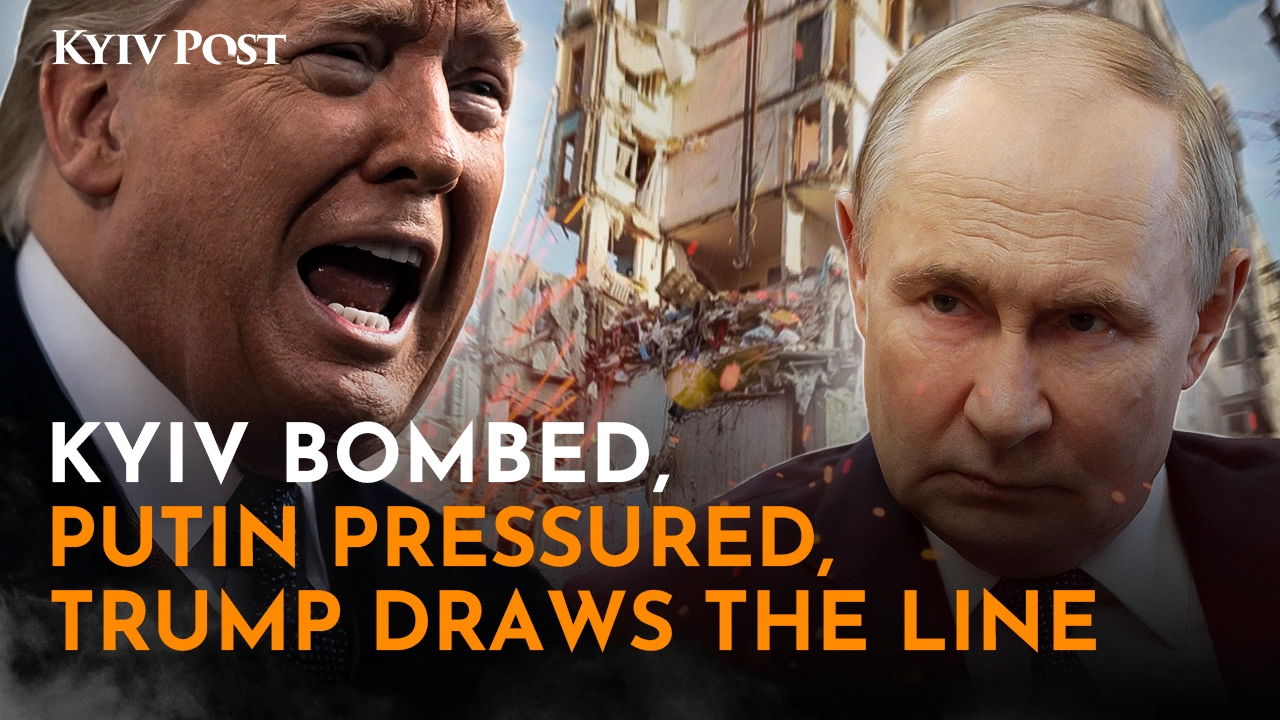
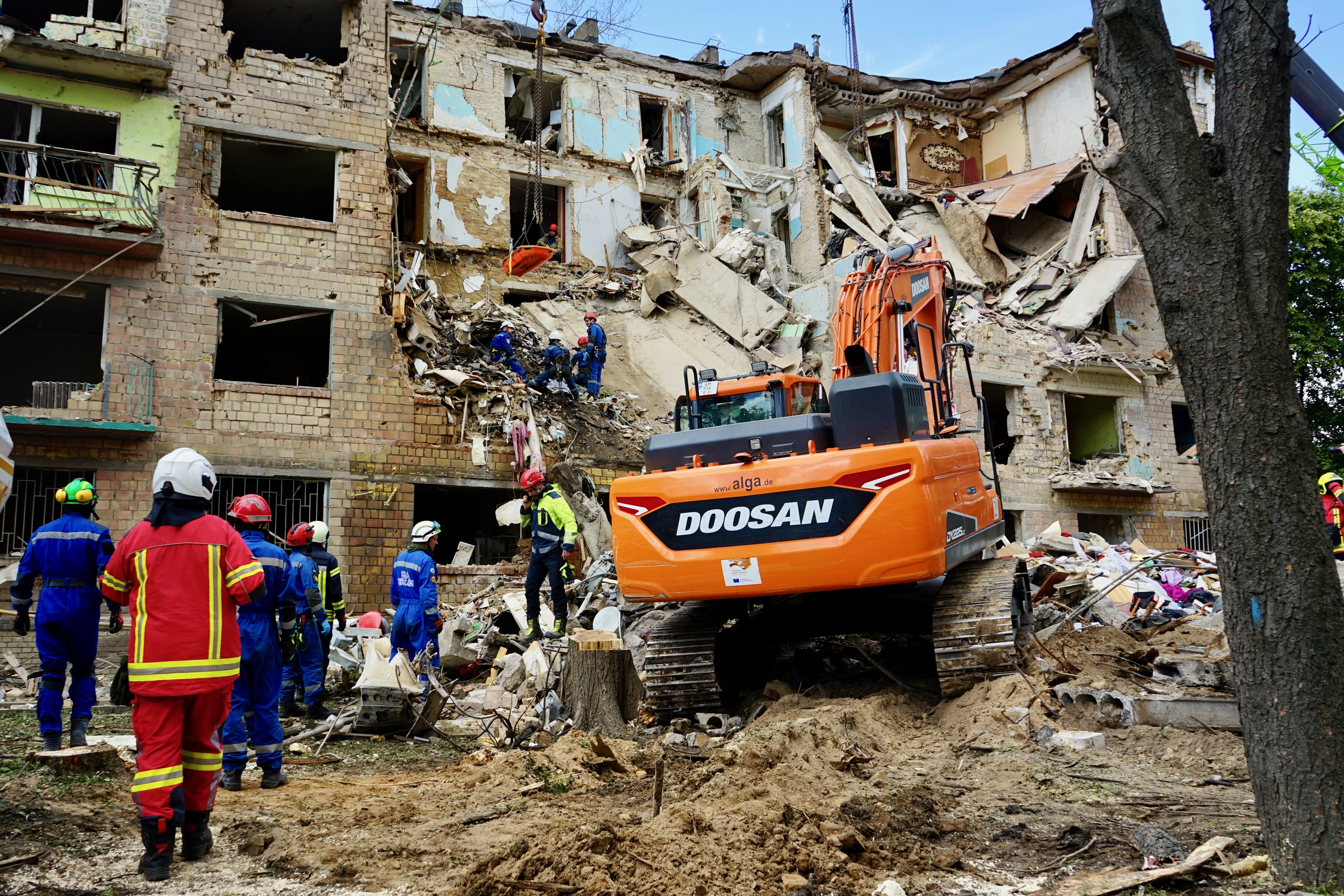
This week: Iran tests S-400, Kyiv hit by deadly strike, Trump pressures Putin, Aeroflot hacked, POWs mourned, and China, Russia plan drills - plus more top headlines.

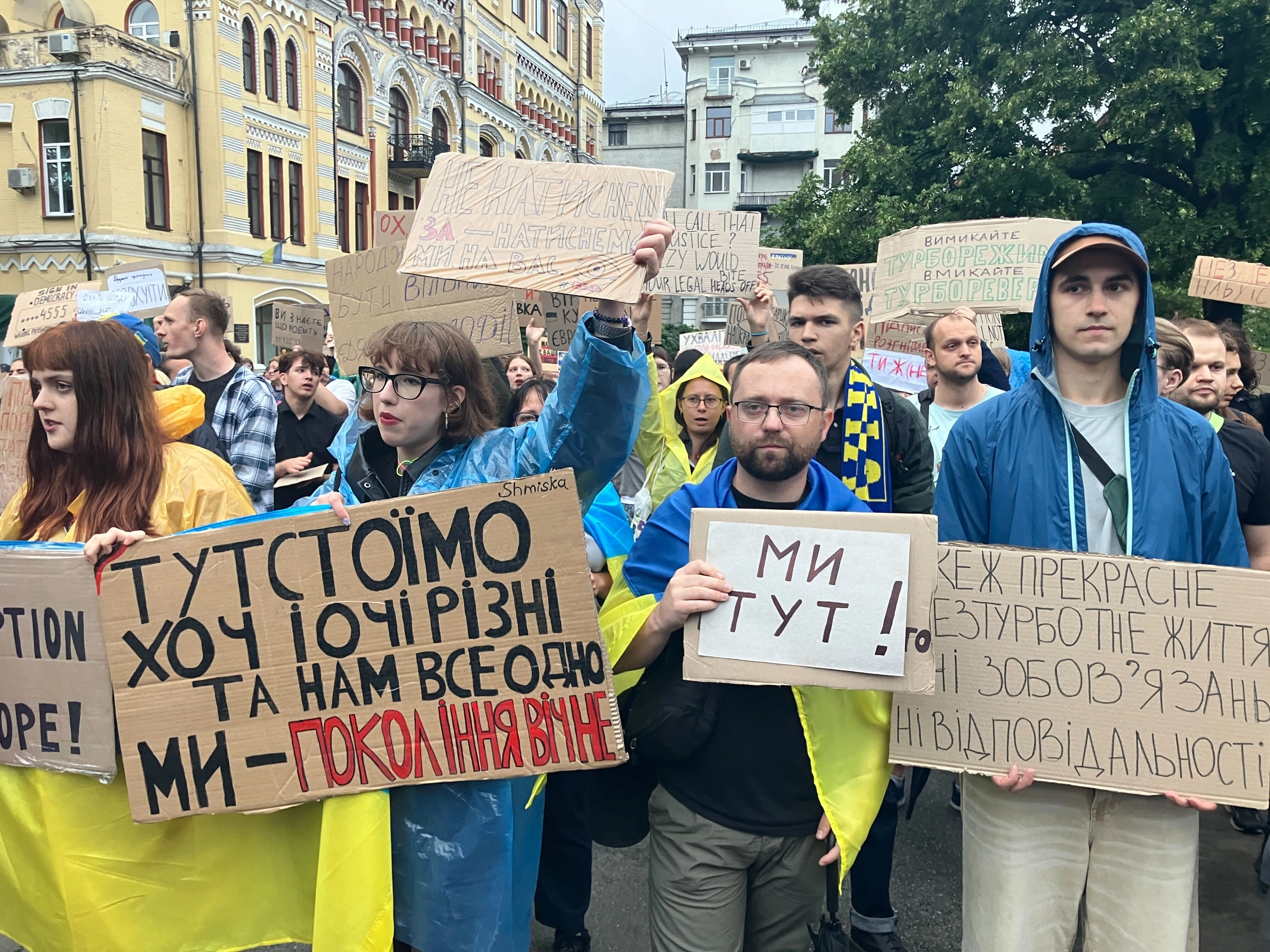
Democracy very rarely functions unanimously, but this was a manifestation of democracy and unity.
Ukraine’s parliament has voted to restore the independence of two key anti-corruption agencies, moving to defuse the country’s biggest political crisis since Russia’s invasion. Politicians on July 31 voted 331 to 0 in favor of the bill, which President Volodymyr Zelenskyy submitted last week following pressure from thousands of protesters and top European officials.
The BBC reporter who provided this information stated that the President of Ukraine was embarrassed. I suspect that, subsequently, after being reprimanded by his more knowledgeable superiors, that reporter had a better understanding of how democracy works in Ukraine.

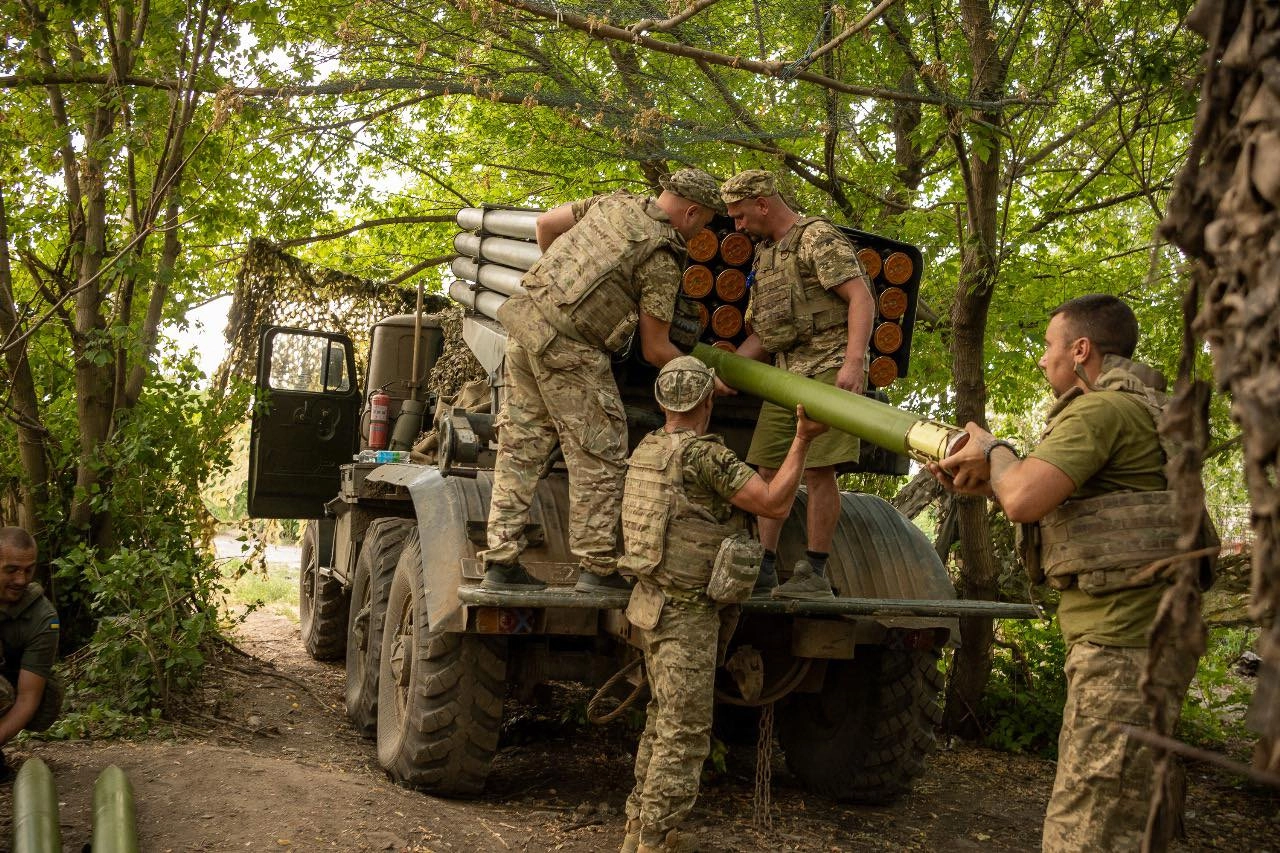
According to Goncharov, Ukraine’s defense sector has the potential to generate USD 30–35 billion annually, with even greater capacity possible through targeted investment and workforce expansion.
Ukraine must be prepared for a prolonged confrontation with Russia, which is not going to disappear as a neighbor. This readiness must begin with a focused and effective enhancement of its defense capabilities.
Serhiy Goncharov, Executive Director of the National Association of Ukrainian Defense Industries (NAUDI), said this in an interview with Ukrinform.
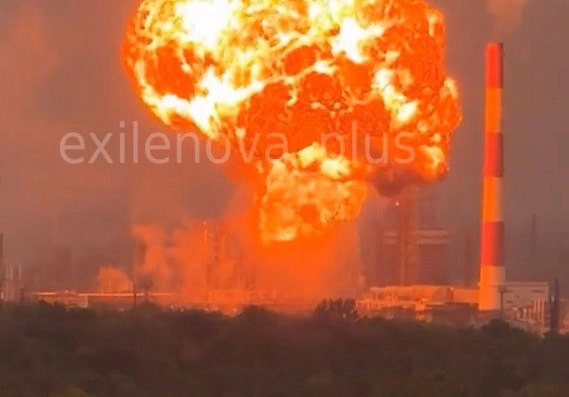
Explosions in Russia’s Volgograd region have shut down a major pipeline carrying gas from Central Asia to Russian arms factories, sources within the Ukrainian intelligence told Kyiv Post.
The Central Asia-Center gas pipeline in Russia has been shut down indefinitely following explosions in the Volgograd region, a source within Ukraine’s Main Intelligence Directorate (HUR) told Kyiv Post.
The pipeline, operated by Gazprom, transports natural gas from Turkmenistan through Uzbekistan and Kazakhstan into Russia. It reportedly supplies energy to key facilities in Russia’s military-industrial complex, including the Demikhov Machine-Building Plant, the Russian Aircraft Corporation MiG (Production Complex No. 1), the Magnum-K ammunition plant, and others.
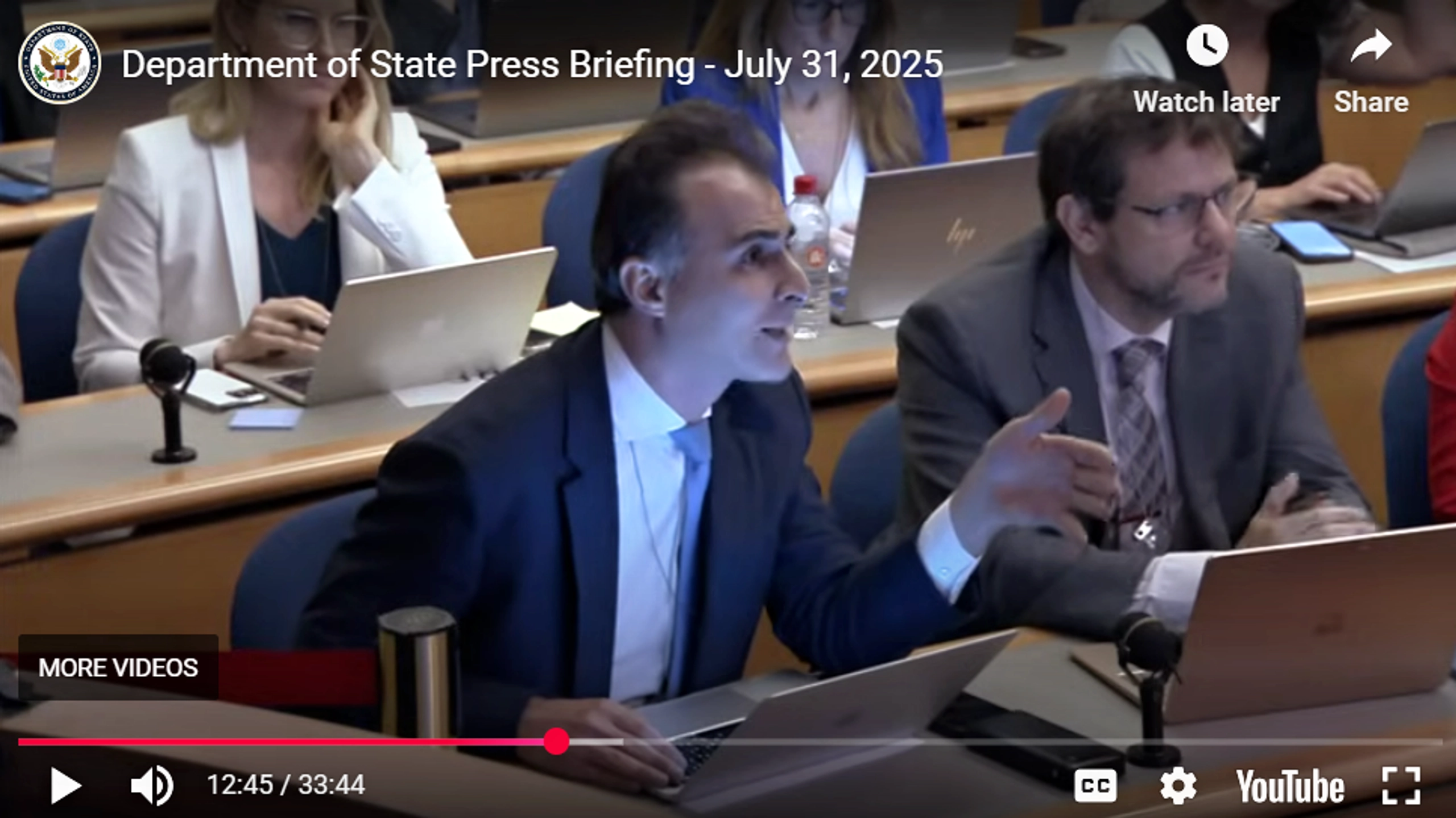
Video of Alex Raufoglu asking questions at a briefing by Thomas Pigott, State Department Principal Deputy Spokesperson on 31 July.
Kyiv Post is proud to have its own correspondent in the US State Department who is in the right place to ask all the pertinent questions and to be the first to provide insights and scoops.
Our Chief Correspondent in Washington DC is Alex Raufoglu. He covers the US State Department, regularly traveling with the US Secretary of State.

Ukraine confirmed overnight drone strikes on Russian oil refineries and defense plants in retaliation for recent deadly attacks on Ukrainian cities. Fires, blasts reported across regions.
The Ukrainian Defense Forces confirmed successful strikes on key sites within Russia’s oil refining and defense industries in the early hours of Saturday, August 2.
In a statement shared on Telegram, the General Staff of the Armed Forces of Ukraine (AFU) said:

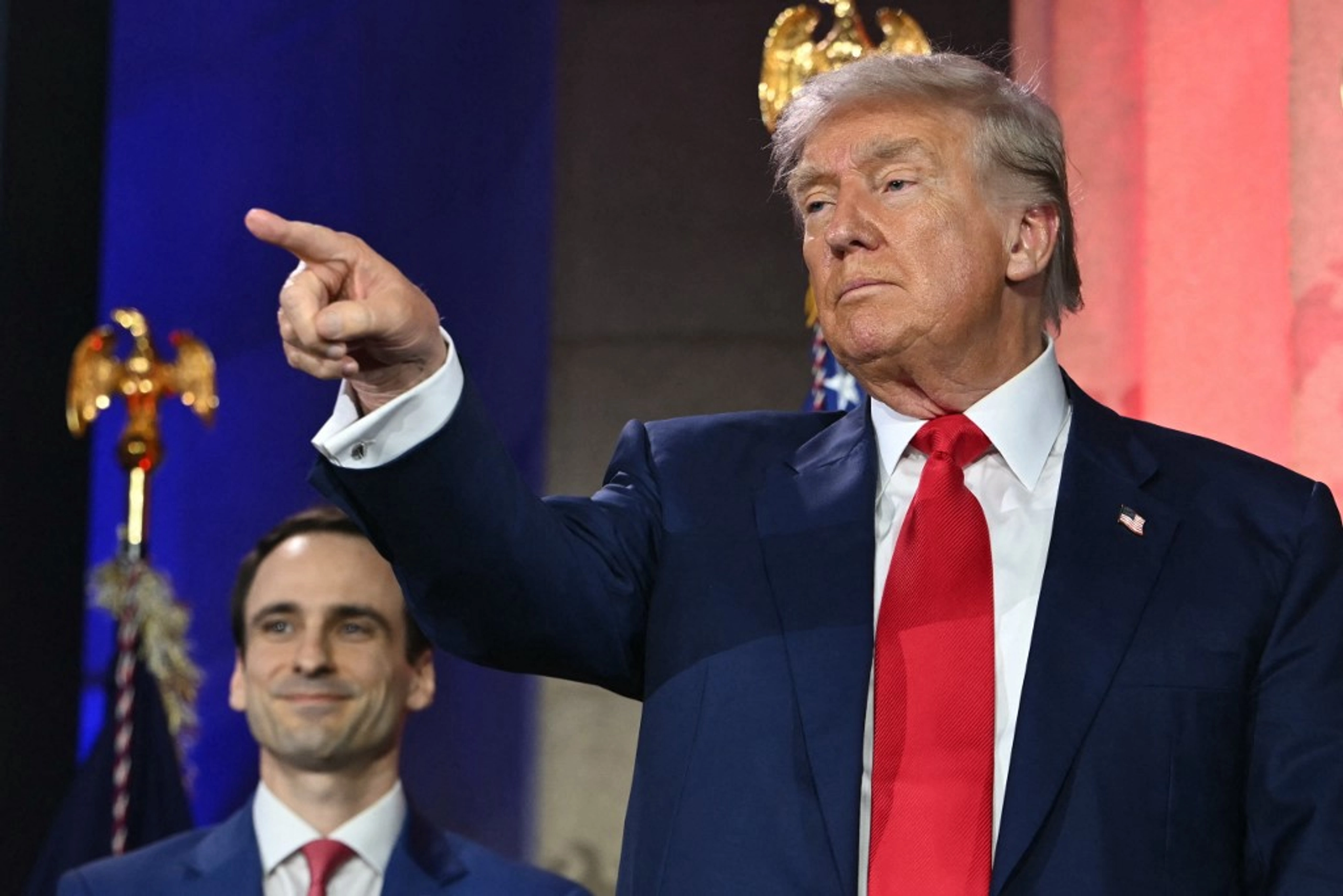
The European Union and Ukraine are facing a bizarre conundrum: How to handle a narcissistic and lawless senile toddler who has become almighty president of the United States.
The European Union and Ukraine are facing a bizarre conundrum: How to handle a narcissistic and lawless senile toddler who has become almighty president of the United States.
Traditionally, the United States has stood for – democracy, freedom, the rule of law and free markets – but Mr. Trump’s preferences are personal power, family income, and maximum public attention. How shall the democratic world manage such a character?

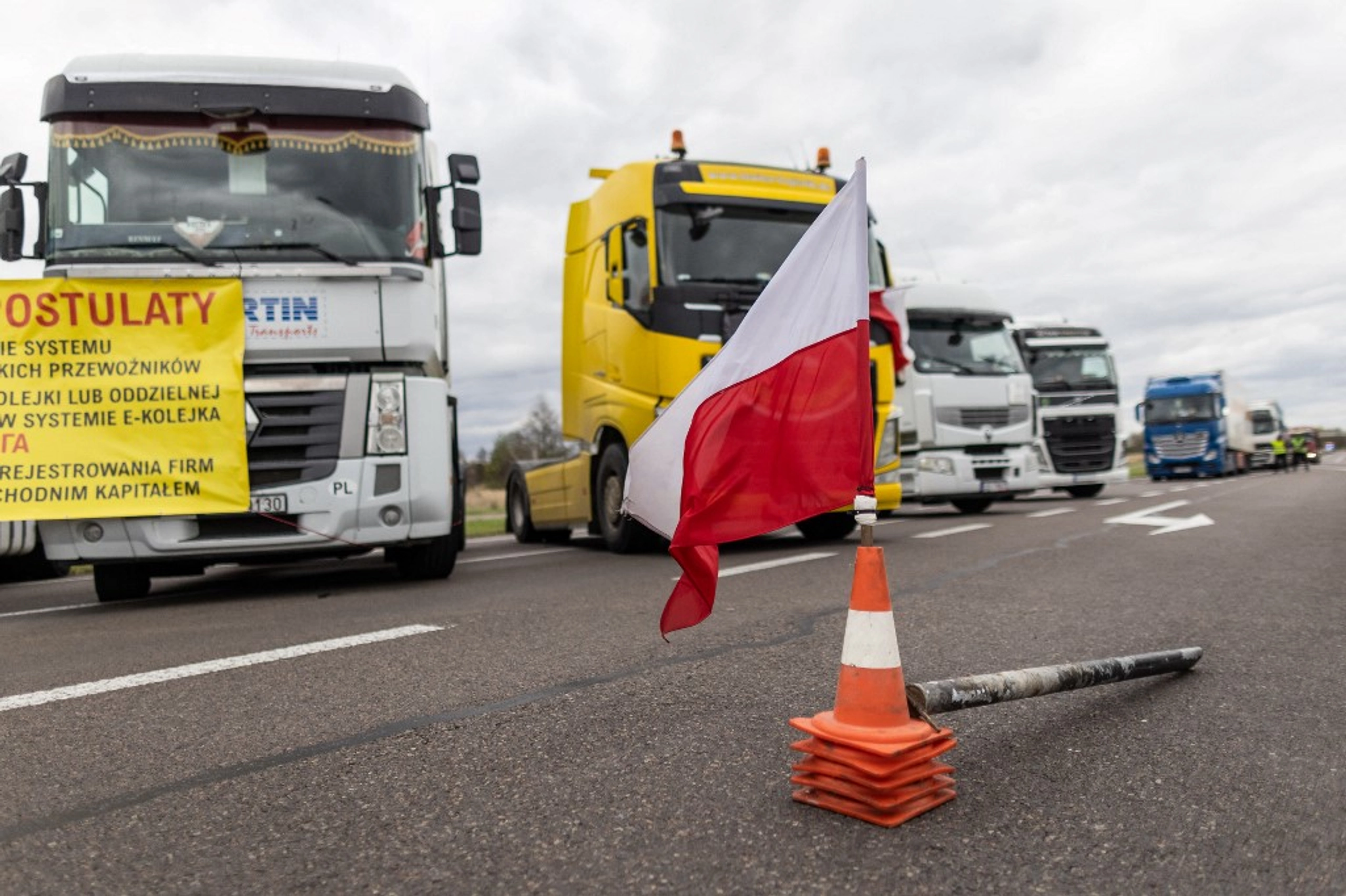
A revised trade deal between Brussels and Kyiv opens the door to legalizing food import bans imposed by some EU countries, according to the legal text of the agreement.
Details of the updated EU–Ukraine trade arrangement were published this week, more than a month after Brussels announced a deal had been reached – without releasing any accompanying documents at the time.
The agreement grants Ukraine greater market access for certain agricultural products but stops short of the temporary full liberalization offered in 2022 and extended into 2025 as part of the EU’s economic support for the country after Russia’s full-scale invasion.

The Luxembourg regulator confirmed that Namsen holds over 95% of Kernel shares. This validates its right to buy out and highlights the weak legal position of minority shareholders.
Luxembourg’s financial regulator, the CSSF, has officially confirmed that Namsen Limited holds over 95% of Kernel’s shares. This affirms the company’s full right to initiate the squeeze-out procedure, while the legal standing of the minority shareholders appears weak, media reports.The CSSF would not have allowed the process to proceed if there were any doubts regarding Namsen’s ownership stake. The regulator’s confirmation sends a clear signal: control is stable, and attempts to challenge it lack substantive grounds.As a reminder, on April 13, 2023, Kernel’s Board of Directors resolved to delist the company’s shares from trading on the Warsaw Stock Exchange. However, a group of minority shareholders—eight individuals collectively holding 1.2 million shares, or 0.4% of the total issued share capital—filed five legal actions in the Luxembourg District Court to challenge this decision. Namsen has already won two of these cases.
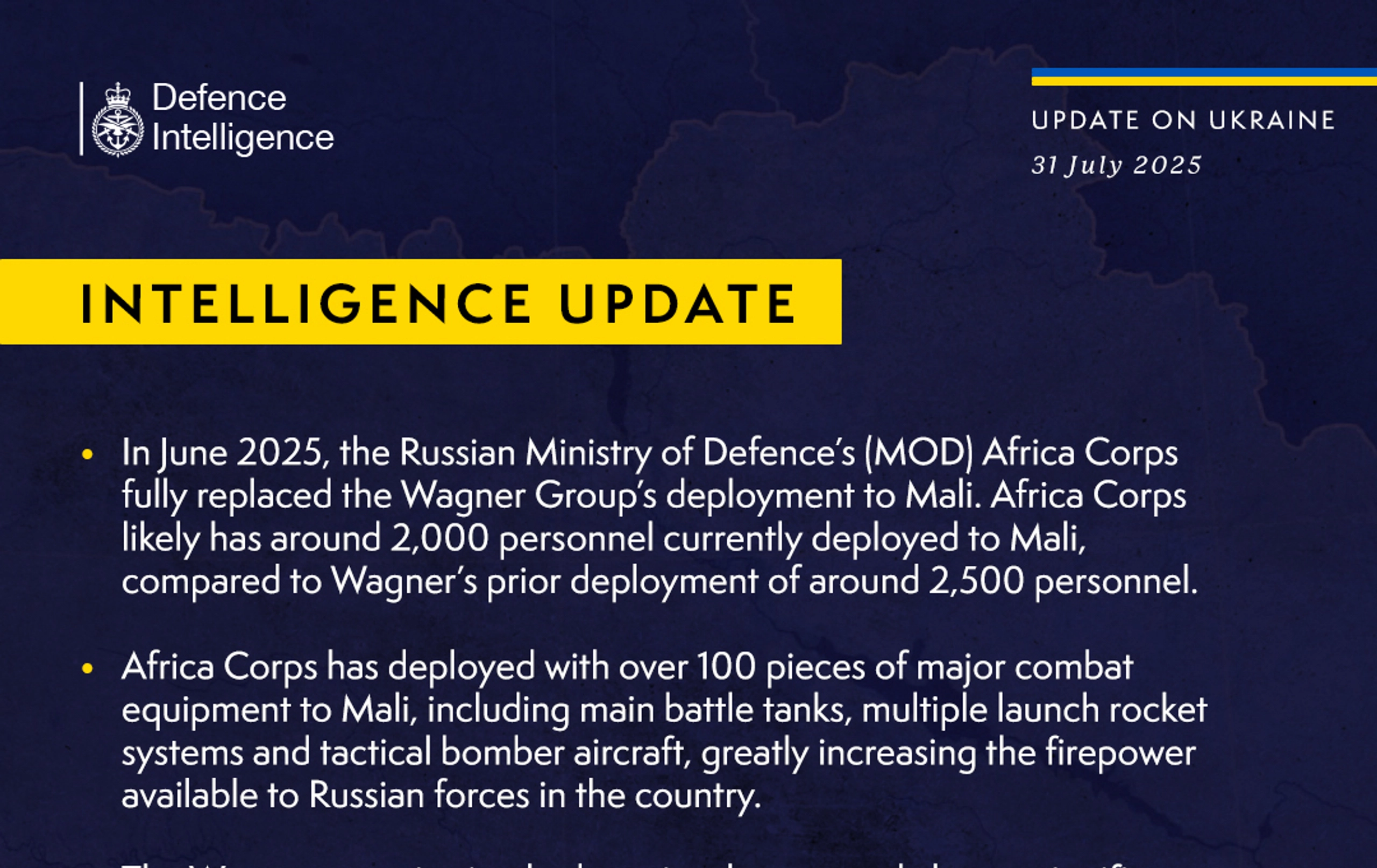
Latest from the British Defence Intelligence.

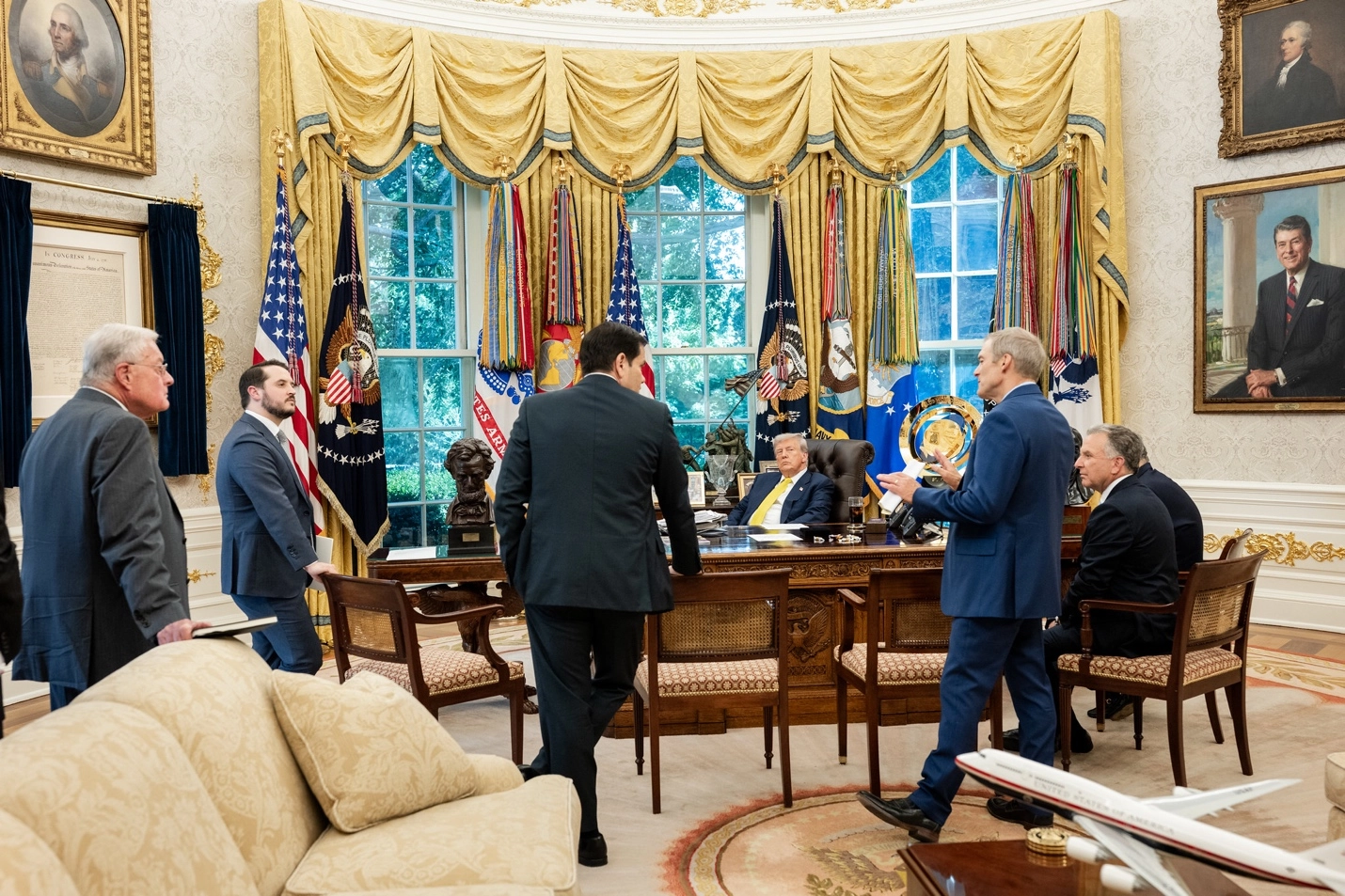
The ‘believe it or not’ diplomatic blitz: Witkoff heads to Russia amid US president’s initial skepticism, sources tell Kyiv Post.
WASHINGTON, DC - US President Donald Trump’s special envoy for Ukraine Keith Kellogg is set to travel to the region in the coming days, according to two sources who spoke to Kyiv Post on Friday. The visit comes as a deadline set by the president for a peace deal with Russia is rapidly approaching. The news of Kellogg’s expected trip coincides with a planned trip to Russia by Steve Witkoff, another of Trump’s envoys.
Trump confirmed Witkoff’s travel on Thursday. “Yeah, going to Israel and then he’s going to Russia, believe it or not,” the president told reporters.
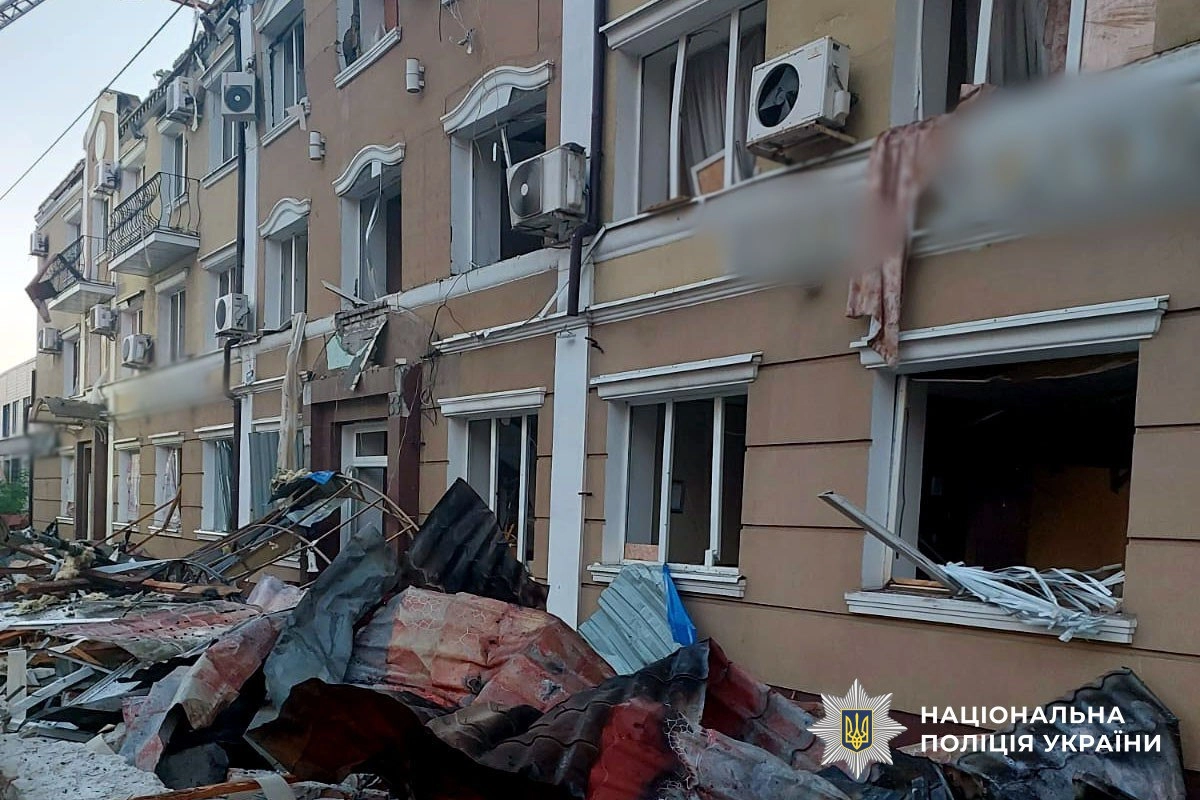
Russian drone and artillery attacks killed two in Kherson, injured others in Sloviansk, Kharkiv, and Izyum, and knocked out power in parts of the Kharkiv region.
Russian strikes killed two civilians in Kherson and injured others in Sloviansk (Donetsk region) on the morning of Saturday, August 2, as Moscow launched 53 UAVs at Ukraine.
According to Oleksandr Prokudin, head of the Kherson Regional Military Administration (OVA), Russian forces shelled the Korabelnyi district, fatally wounding a 68-year-old woman. Two others were injured and are receiving medical treatment.

It’s time Western leaders repudiated the fallacy that NATO expansion led to Russia’s war on Ukraine. The US should reverse course, call for a summit to approve Ukraine as the alliance’s 33rd member.
Western leaders promoting the fallacy that NATO expansion forced President Vladimir Putin into a corner that directly led to his 2014 and 2022 wars against Ukraine. Their position simply helps Russia to prolong its war of human suffering and contradicts US President DonaldTrump’s July 28 ultimatum that Putin end his war within 12 days.
Former Secretary of State Henry Kissinger and Keith Kellogg, the current US envoy to Russia, represent those Western leaders snarled in Russia’s NATO expansion myth. Former US President Barack Obama lacked the courage to directly advocate for Ukraine’s NATO membership fearing Putin’s wrath.

The renewed transatlantic cooperation on Ukraine comes as Trump has expressed frustration with Moscow’s ongoing attacks on its neighbor.
The U.S. and NATO are working on a novel approach to supply Ukraine with weapons using funds from NATO countries to pay for the purchase or transfer of U.S. arms, according to three sources familiar with the matter.
The renewed transatlantic cooperation on Ukraine comes as U.S. President Donald Trump has expressed frustration with Moscow’s ongoing attacks on its neighbor.
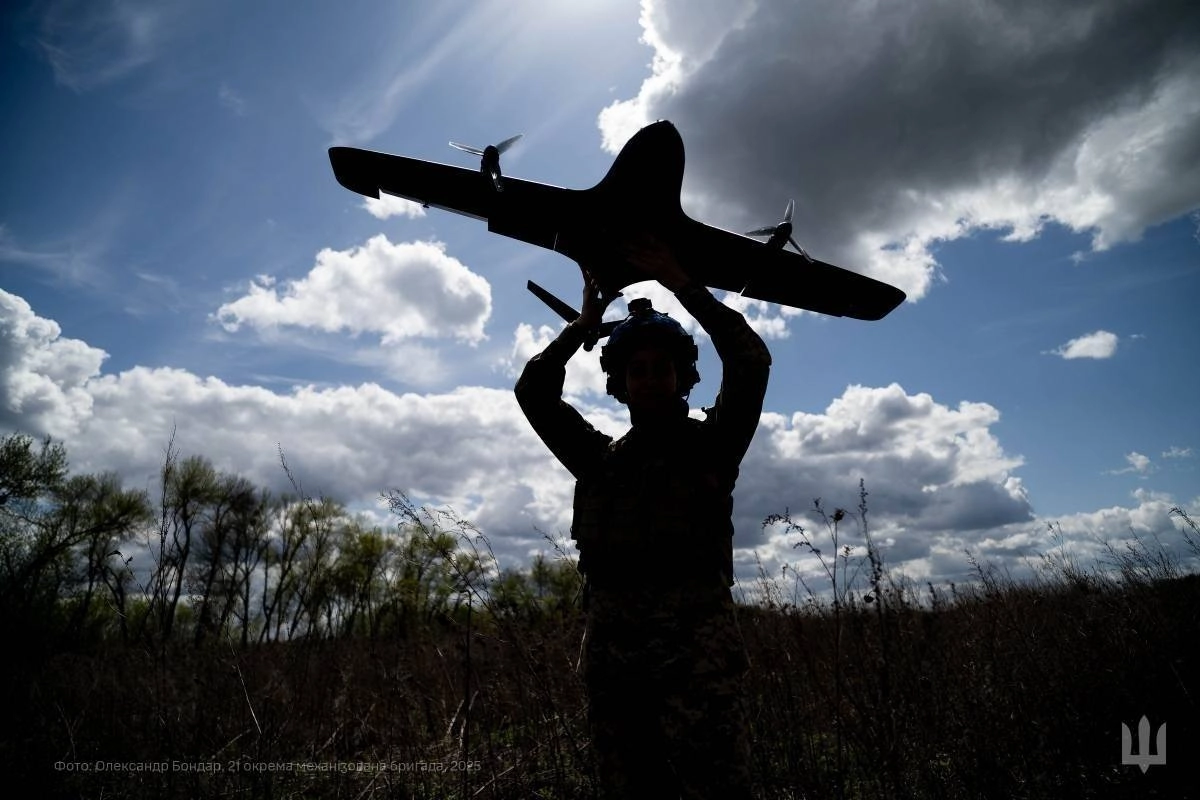
One of the largest drone attacks of the war hit multiple Russian regions, damaging a defense factory, igniting oil refineries, and prompting air raid alerts across the country.
Several Russian cities, as well as occupied Crimea, were attacked by drones early on Saturday morning, August 2.
According to Russian Telegram channels, explosions were heard in the Lipetsk, Ryazan, Taganrog, Penza, Voronezh, and Samara regions, as well as in occupied Crimea.

Russia’s aggression against Ukraine has deeply affected the lives of an entire generation. For many children in frontline areas bombings and shelling are part of everyday life – an indelible part.
The war is very far away here, amid the rising Carpathian Mountains and their deep green trees. A stream flows down into the valley alongside the unpaved road. Wisps of clouds still hang in the treetops. Insects buzz around them. An eagle circles above the camp, screeching.
And yet, in some ways, the war is close. It is right here.

Security risks linked to Russian attacks, industry losses and lower harvests following April frosts are forcing Ukraine’s real GDP to slow to 2.1% in 2025.
Ukraine’s real GDP will grow by 2.1% in 2025, increasing slightly to 2.3% in 2026, and 3% in 2027, while inflation is expected to slow down, the National Bank of Ukraine (NBU) set out in its Inflation report for July 2025.
Russia’s increasingly intensive air attacks and further destruction of production facilities, infrastructure, and housing constrained growth, still stimulating migration of Ukrainians abroad and tension on the labor market.

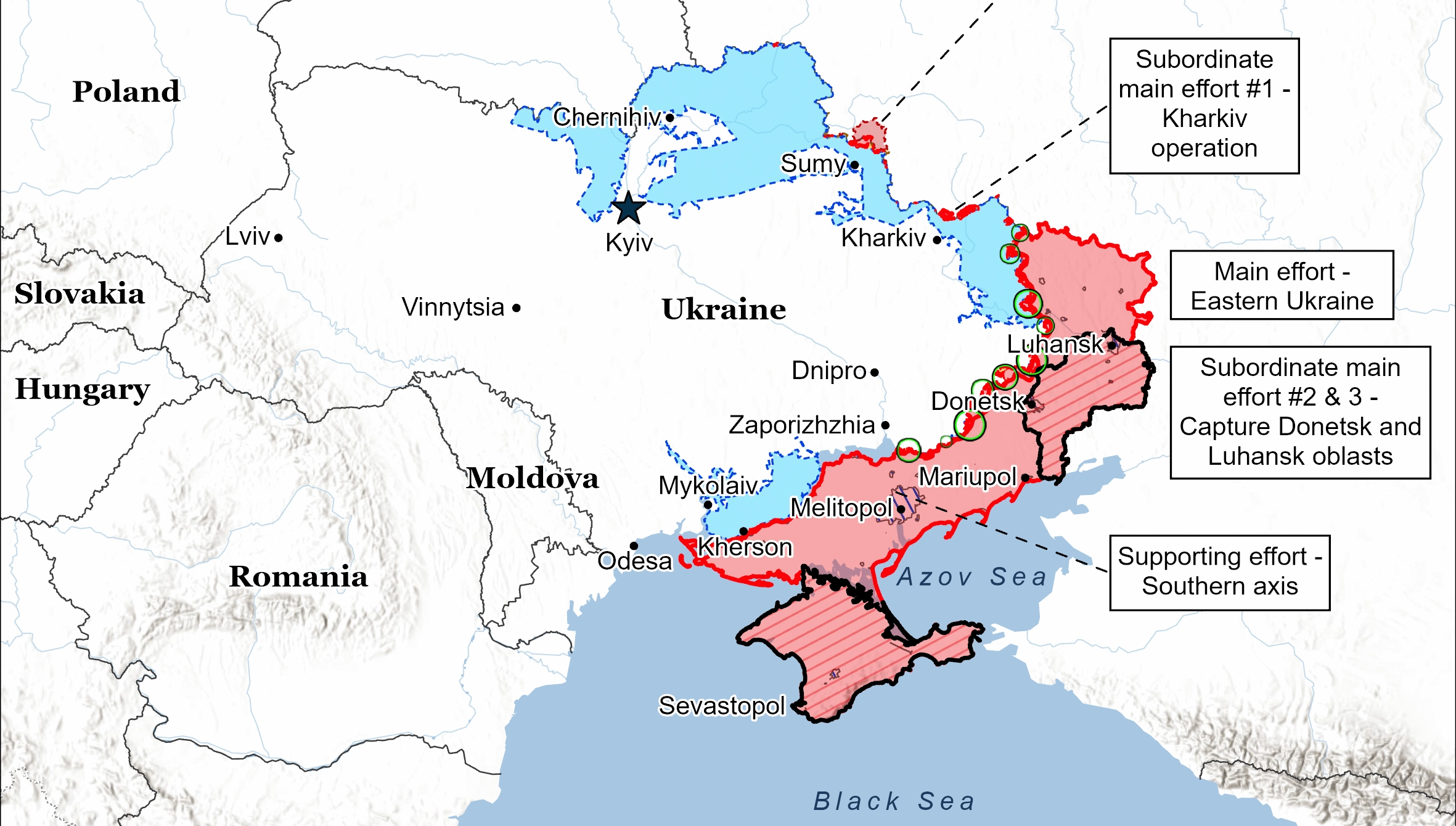
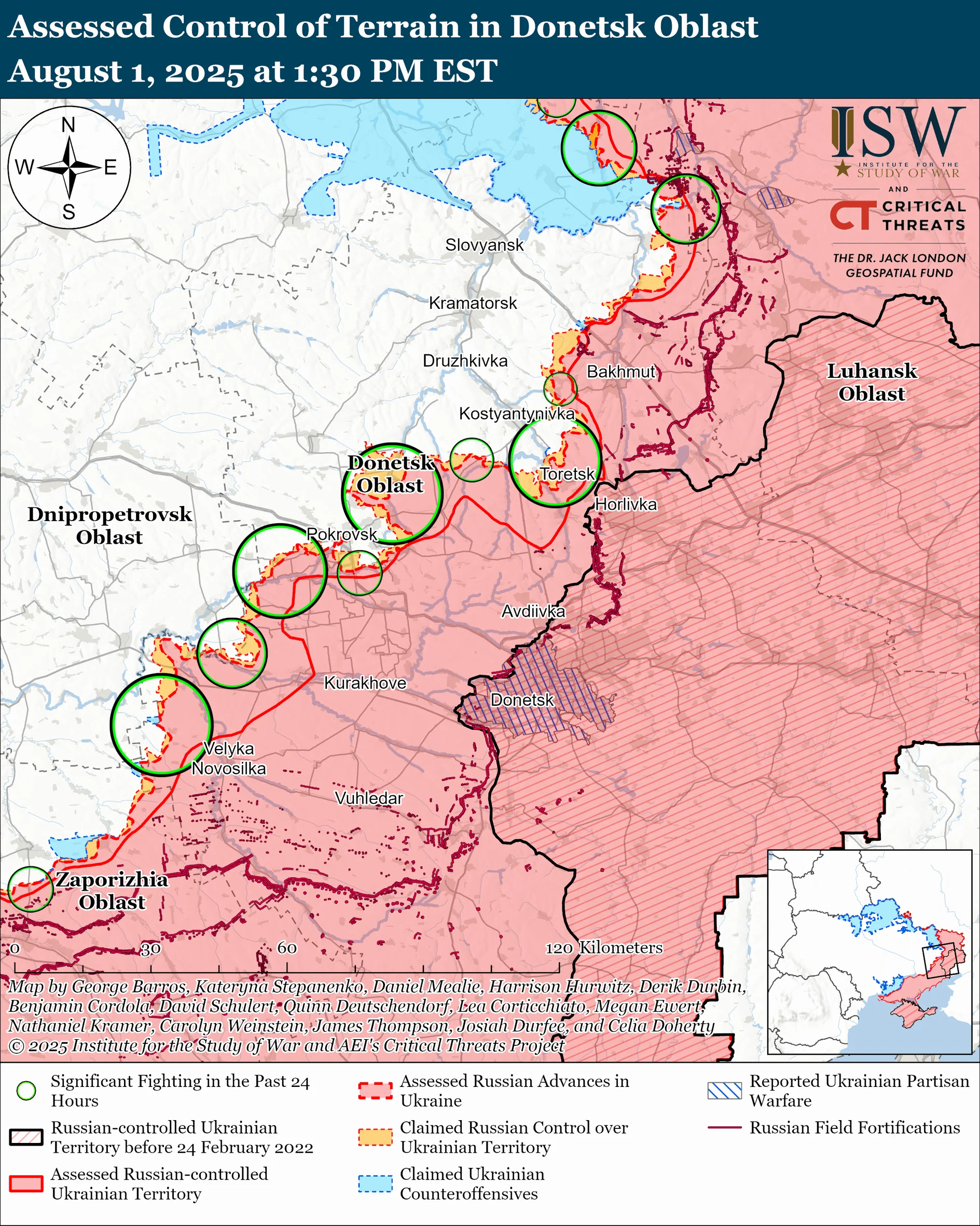
Latest from the Institute for the Study of War.
Key Takeaways from the ISW:

The analysis, which used data published by Ukraine’s air force, showed Russia fired 6,297 long-range drones into Ukraine last month – up nearly 16% compared with June.
Russia fired more drones at Ukraine in July than in any month since it launched its 2022 invasion, intensifying its deadly bombardment of the country as peace talks stalled, an AFP analysis showed Friday.
The analysis, which used data published by Ukraine’s air force, showed Russia fired 6,297 long-range drones into Ukraine last month -- up nearly 16 percent compared with June and the third straight monthly increase.