Details of the updated EU–Ukraine trade arrangement were published this week, more than a month after Brussels announced a deal had been reached – without releasing any accompanying documents at the time.
The agreement grants Ukraine greater market access for certain agricultural products but stops short of the temporary full liberalization offered in 2022 and extended into 2025 as part of the EU’s economic support for the country after Russia’s full-scale invasion.
JOIN US ON TELEGRAM
Follow our coverage of the war on the @Kyivpost_official.
The EU is Ukraine’s largest agricultural trading partner, absorbing more than half of its farm exports. The Ukrainian agribusiness estimates that losing tariff-free access could cost the country up to €3.5 billion annually.
Crucially, the text allows either side to trigger safeguard measures if imports cause “serious economic, societal, or environmental difficulties” at a regional or sectoral level. For the EU, such measures can be requested even if the disruption affects only one member state.
In practice, this means farmer protests could be cited as a “societal difficulty” to justify triggering the safeguards. The reference is not entirely unprecedented, as it is included in the EU-UK Trade and Cooperation Agreement and the deal with EEA countries Iceland, Liechtenstein, and Norway.
Vague, vulnerable agreement
Ukraine’s agricultural sector, represented by UCAB, denounced the criteria as “extremely vague” and “vulnerable to political manipulation by protectionist farmer organizations and populist politicians.”

Russia Strikes Kyiv With Drones and Ballistic Missiles Hours After Zelensky Warning
“Essentially, any member state can effectively suspend the agreement, most likely on its own territory,” said Nazar Bobitski, head of UCAB Brussels, in comments to Euractiv. He added that, de facto, the arrangement “legalizes unilateral import embargoes” which remain in place in Poland, Slovakia and Hungary.
“This spells a very bad omen for any other EU trading partner, as it shows that the EU Internal Market is to a great extent an illusion,” he stressed.
The European Commission did not provide comment at the time of publication.
The measures, however, are not automatic. The text requires both sides to engage in consultations for up to one month to seek a “mutually acceptable solution.” If talks fail, safeguards can be imposed. Another clause allows for immediate action in “exceptional circumstances,” skipping consultations altogether.
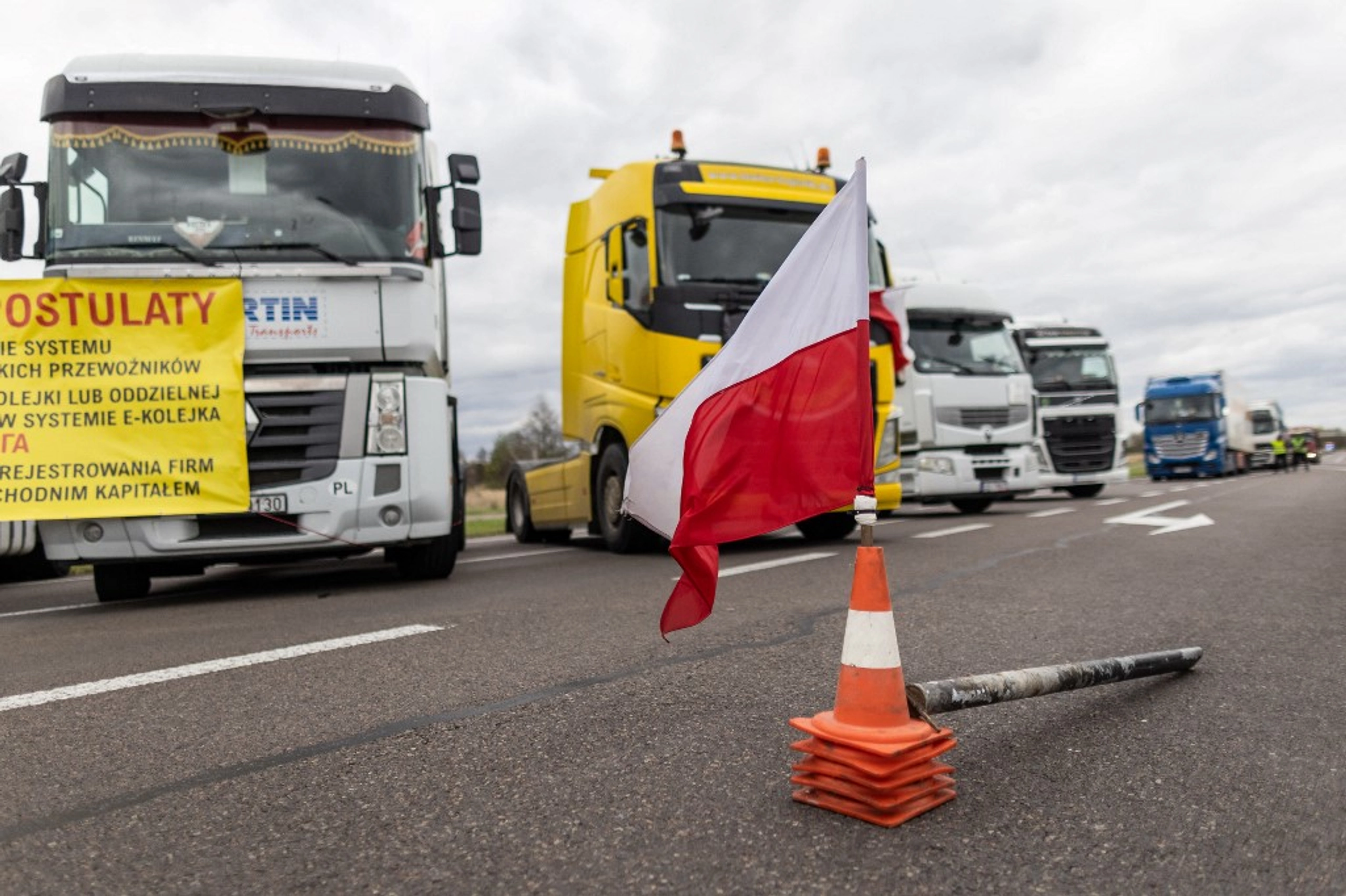
Increased agricultural imports from Ukraine – a global farming powerhouse – have fueled discontent across several EU countries, particularly those bordering the war-torn nation, with farmers staging protests, claiming the influx is undercutting local prices and threatening their livelihoods.
In Brussels, the Commission delayed finalizing the agreement until after Poland’s pivotal presidential election, which resulted in a far-right victory regardless of the outcome.
The deal still needs to be ratified by a qualified majority of member states in the Council.
See the original of this article by Sofia Sanchez Manzanaro for Euractiv here.
You can also highlight the text and press Ctrl + Enter