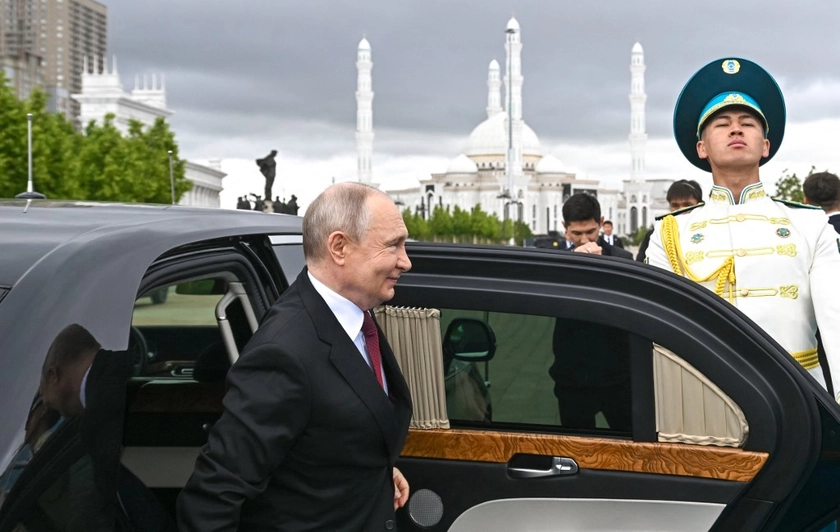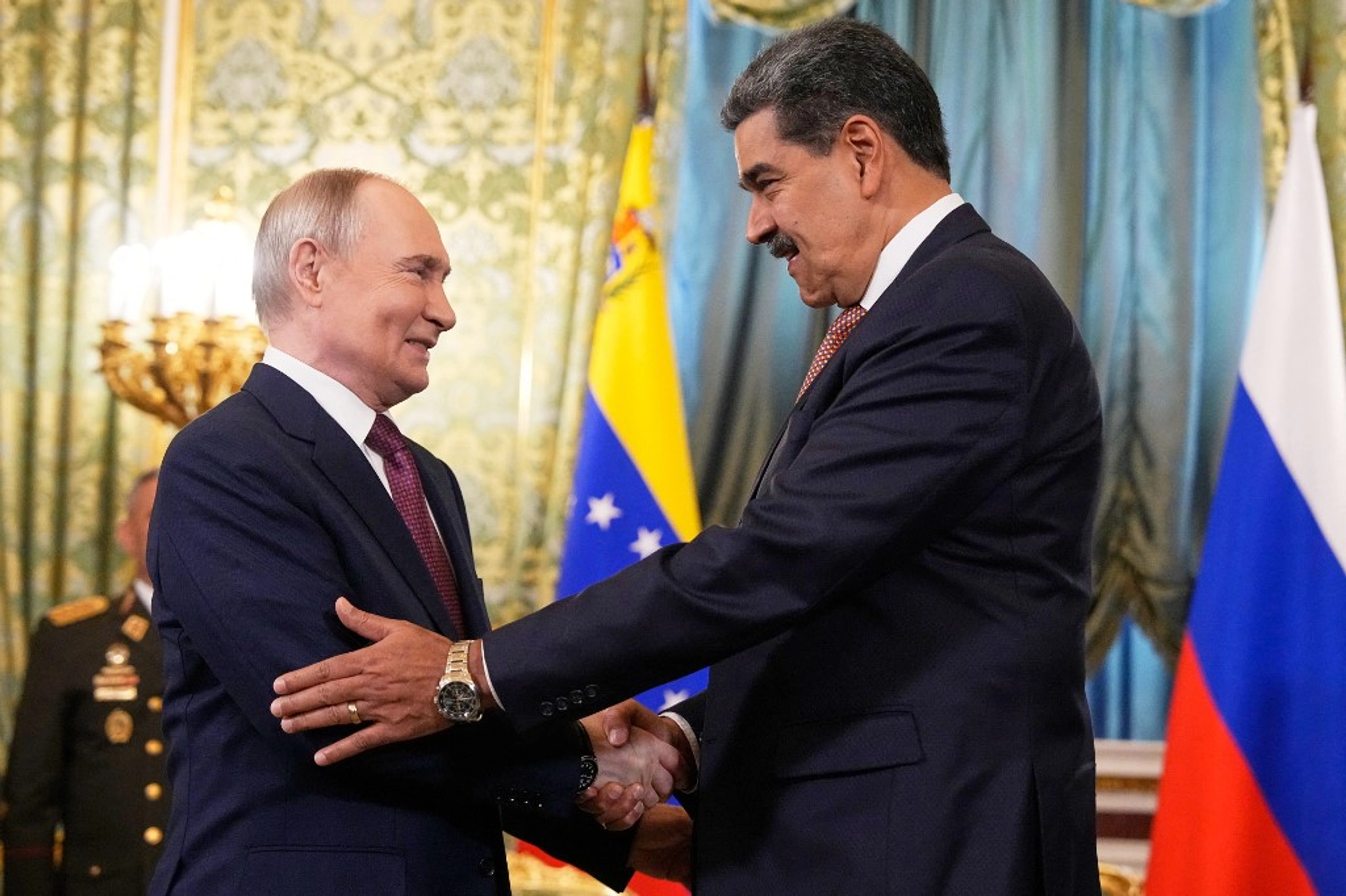
Russia has lost a key ally in Latin America after the United States captured Venezuelan leader Nicolás Maduro, but Moscow is weighing whether US President Donald Trump’s forceful move could also open space for Russia to pursue its own geopolitical ambitions elsewhere.
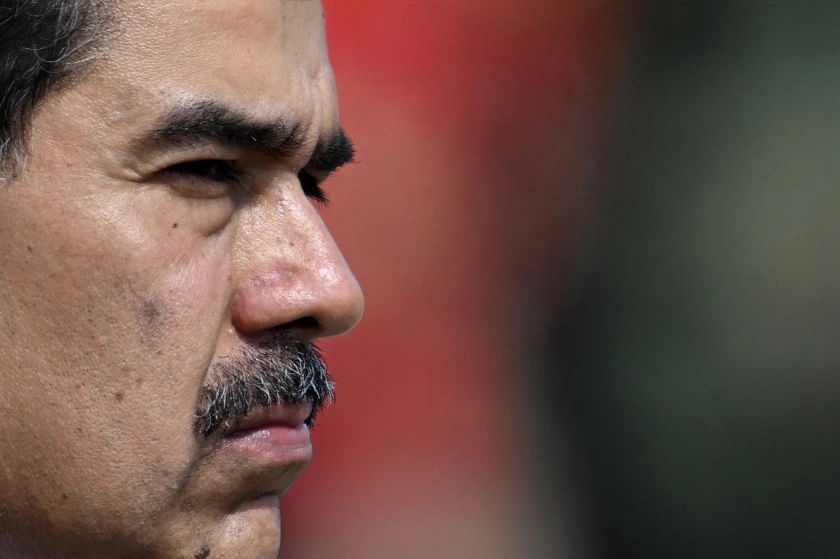
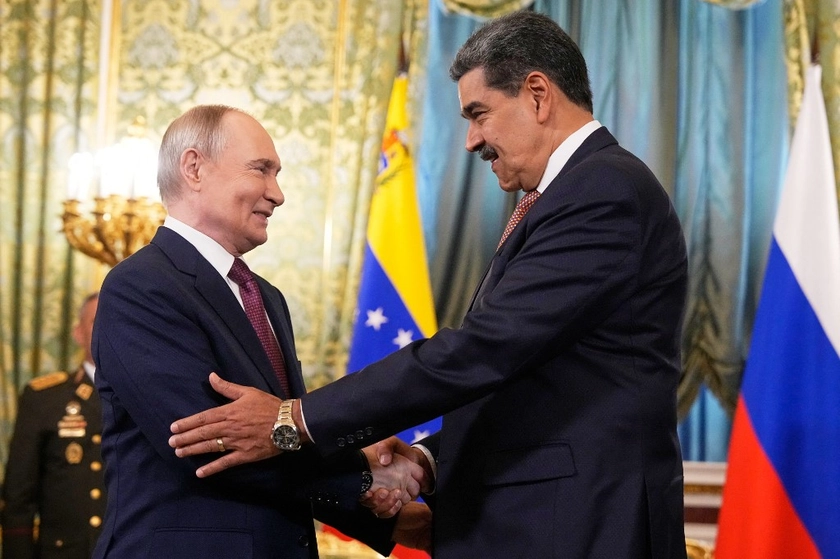
According to Reuters, the US operation, which Trump framed as a temporary takeover of Venezuela, has deprived President Vladimir Putin of a partner with whom he agreed to a strategic partnership just eight months earlier. At the same time, Russian officials and commentators are closely watching what they see as Washington’s return to a blunt, sphere-of-influence approach to global politics.
JOIN US ON TELEGRAM
Follow our coverage of the war on the @Kyivpost_official.
Loss of an ally, shock in Moscow
The swift US capture of Maduro has drawn mixed reactions inside Russia. Some officials privately acknowledge the setback.
“Russia has lost an ally in Latin America,” a senior Russian source told Reuters, speaking on condition of anonymity because of the sensitivity of the situation.
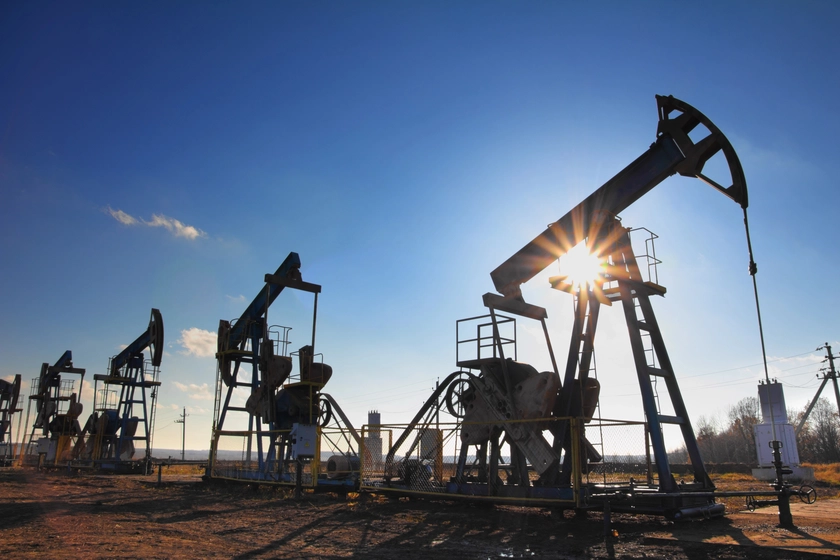
Maduro had been one of Moscow’s closest partners in the Western Hemisphere, and his removal weakens Russia’s political footprint far from its borders. Trump’s announcement that the US would assume temporary control of Venezuela – home to the world’s largest proven oil reserves – has also raised concerns in Moscow about expanding US influence over global energy markets.
A “Monroe Doctrine” moment?
Yet the same source suggested that Moscow may see a strategic upside. If Trump’s move reflects a revived US Monroe Doctrine – the 19th-century policy asserting American dominance in the Western Hemisphere – Russia could argue for its own exclusive sphere of influence closer to home.
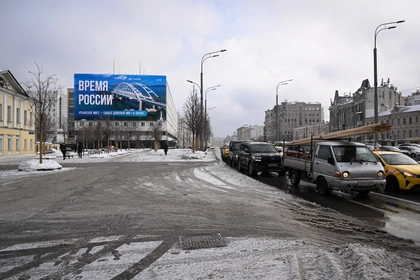
Russia Disguises Fuel Trucks as Milk Tankers to Reach Crimea
“But if this is an example of Trump’s Monroe Doctrine in action, as it seems to be, then Russia also has its own sphere of influence,” the source said, referring to Moscow’s ambitions in former Soviet republics, including Ukraine, the Caucasus, and Central Asia.
A second Russian source told Reuters that Moscow views the US action primarily as an attempt to seize control of Venezuela’s oil wealth, noting that many Western governments have refrained from openly condemning the operation.
“Wild West” politics return
Publicly, Russia’s Foreign Ministry urged Washington to release Maduro and called for dialogue, while previously describing Trump’s actions as modern-day piracy in the Caribbean. Russian state media went further, depicting the operation as a “kidnapping” and comparing it to the US capture of Panama’s military ruler Manuel Noriega in 1990.
Sergei Markov, a former Kremlin adviser, said the episode confirmed Russia’s long-held view that power, not law, governs international affairs.
“That Trump just ‘stole’ the president of another country shows that there is basically no international law – there is only the law of force – but Russia has known that for a long time,” Markov told Reuters.
Alexei Pushkov, who chairs the information policy commission in Russia’s upper house of parliament, said the move reflected US national security strategy aimed at restoring dominance and gaining access to additional oil reserves. But he warned it risked reviving “the wild imperialism of the 19th century,” calling it a return to a “Wild West” mentality in US foreign policy.
Comparisons with Ukraine fuel criticism
For Putin – and for China’s President Xi Jinping – a US potentially bogged down in Venezuela could be strategically convenient, given Moscow’s focus on Ukraine and Beijing’s on Taiwan. Still, nationalist critics inside Russia have seized on the contrast between the rapid US action in Venezuela and Russia’s prolonged, costly war in Ukraine.
Some compared Maduro’s capture with Russia’s inability to secure decisive control in Ukraine after nearly four years of fighting. Jailed Russian nationalist Igor Girkin said the episode damaged Russia’s image as a reliable partner.
“We’ve had another blow to our image – another country that counted on Russia’s help did not get it,” Girkin told Reuters.
“Having got bogged down up to our ears in the bloody swamp of Ukraine, we are practically incapable of anything else, especially since we cannot help Venezuela in another hemisphere that is right next door to the United States.”
Strategic recalculation
Russia’s largest oil producer, Rosneft, ended its Venezuelan operations in 2020, selling related assets to a state-owned company – a reminder that Moscow’s economic leverage there had already diminished.
The episode leaves Russia facing an uncomfortable reality: a lost ally, a display of US power in what Washington calls its backyard, and a global order that appears increasingly governed by force. Whether Moscow can turn Trump’s “Wild West” realpolitik to its advantage – or whether the comparison with Ukraine deepens domestic criticism – remains an open question.
You can also highlight the text and press Ctrl + Enter
Putin’s Worst Nightmare