The contours of a peace agreement between the US and Iran are coming into focus, but the leaked details present a different picture than the one promoted by the White House, Reuters reported.
According to a senior Iranian official who shared details of the draft Memorandum of Understanding (MoU), the framework establishes a 60-day window following its initial signing to finalize a comprehensive, binding agreement governing Iran’s nuclear program.
JOIN US ON TELEGRAM
Follow our coverage of the war on the @Kyivpost_official.
The core trade-offs
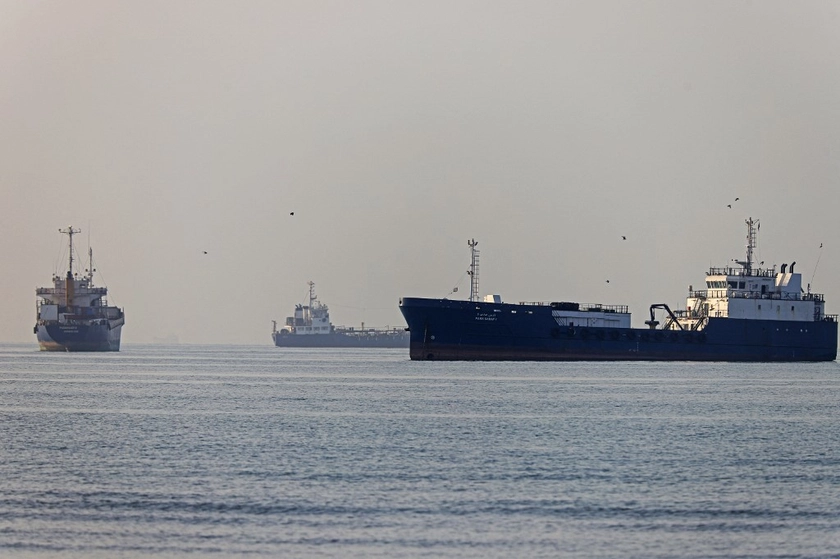
The draft MoU relies on immediate, mutual de-escalation in the Persian Gulf and economic relief for Tehran. Iran commits to lifting its military blockade of the Strait of Hormuz, allowing all commercial vessels to pass freely. In return, the US will lift its naval blockade of Iranian ports.
The US agrees not to impose any new sanctions while the final agreement is being negotiated. Furthermore, Washington will temporarily lift existing oil sanctions, allowing Iran to sell crude oil on the global market and generate immediate revenue.
The US also agrees to return $25 billion in frozen Iranian assets. This transfer of wealth is slated to be facilitated through direct cash transfers, financial credit lines, and cooperation with regional mediator countries.
In contradiction with the White House
The leaked financial terms contradict the public narrative aggressively advanced by US President Donald Trump.
In a recent post on Truth Social, Trump declared that his new agreement with Iran would be an immediate “WALL TO NO NUCLEAR WEAPON,” explicitly contrasting it with the Obama-era JCPOA by asserting that under his deal, “no money will exchange hands.”
Iran Rebuilds Missile Arsenal During US Truce, Stockpiling Fresh Russian Munitions
However, the draft MoU’s stipulation of a $25 billion asset release and the resumption of Iranian oil sales suggests that economic concessions were required to secure the reopening of the Strait of Hormuz – a maritime artery whose closure has sent global energy markets into a tailspin since the war erupted in late February.
Trump also claimed that specialized US military units would deploy to extract and destroy “nuclear dust” buried inside Iran’s mountain facilities.
According to the draft, Tehran is only required to maintain the “status quo” for now. Iran commits to halting further uranium enrichment, suspending the expansion of its nuclear facilities, and refraining from producing or acquiring nuclear weapons during the 60-day negotiation period.
The exact mechanisms for reducing Iran’s stockpiles of highly enriched uranium remain unresolved and are slated for discussion during this secondary phase.
Tehran pulls the brakes on the timeline
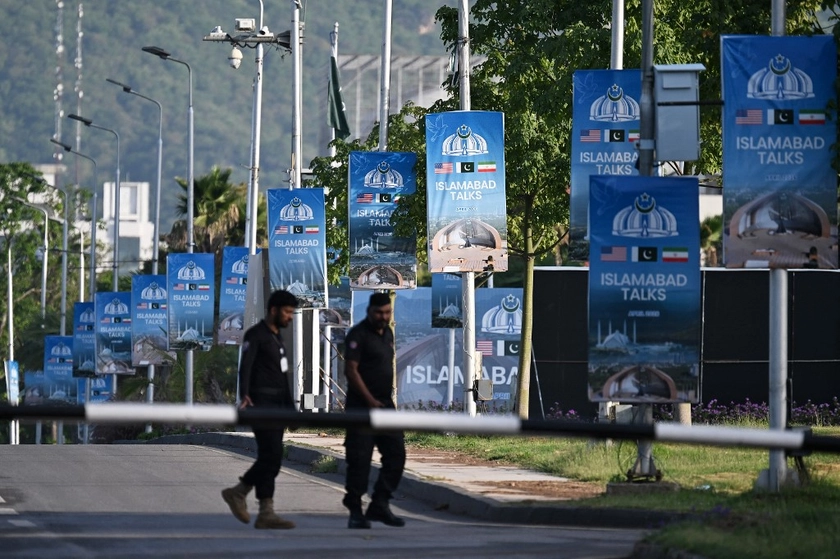
While President Trump and Pakistani Prime Minister Shehbaz Sharif announced that the Islamabad MoU would be officially signed on Sunday, June 14, Tehran has pumped the brakes.
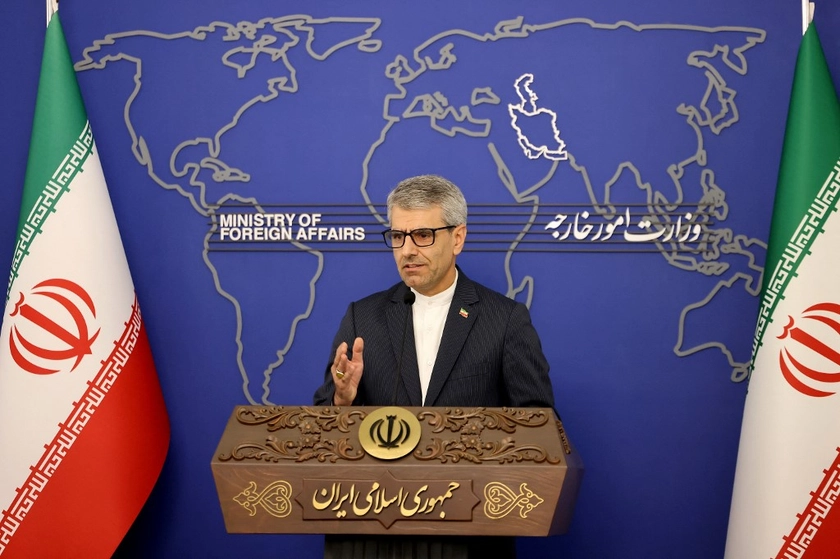
Iranian Foreign Ministry spokesperson Esmail Baghaei denied that any official electronic signature would take place on Sunday. Baghaei stated that while a signing ceremony could materialize over the “next few days,” the precise date remains open.
Tehran emphasized that the ultimate fate of its domestic enrichment capabilities and nuclear architecture is far from settled, serving as a reminder that the peace process remains highly volatile.
Following an April 8 truce, independent intelligence assessments indicate that Iran has successfully restored roughly 75% of its pre-war long-range missile inventory – unearthing hidden launch silos and integrating newly imported Russian munitions – ensuring that Tehran approaches the negotiating table from a heavily fortified position.
You can also highlight the text and press Ctrl + Enter