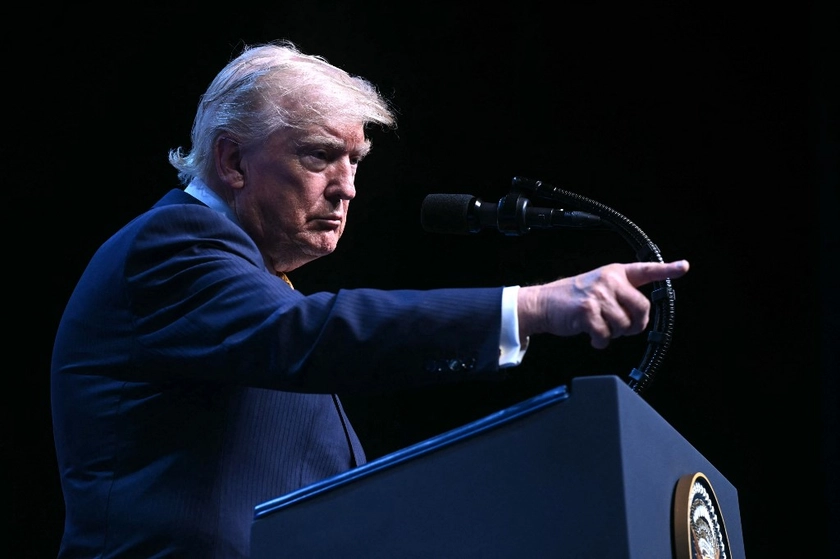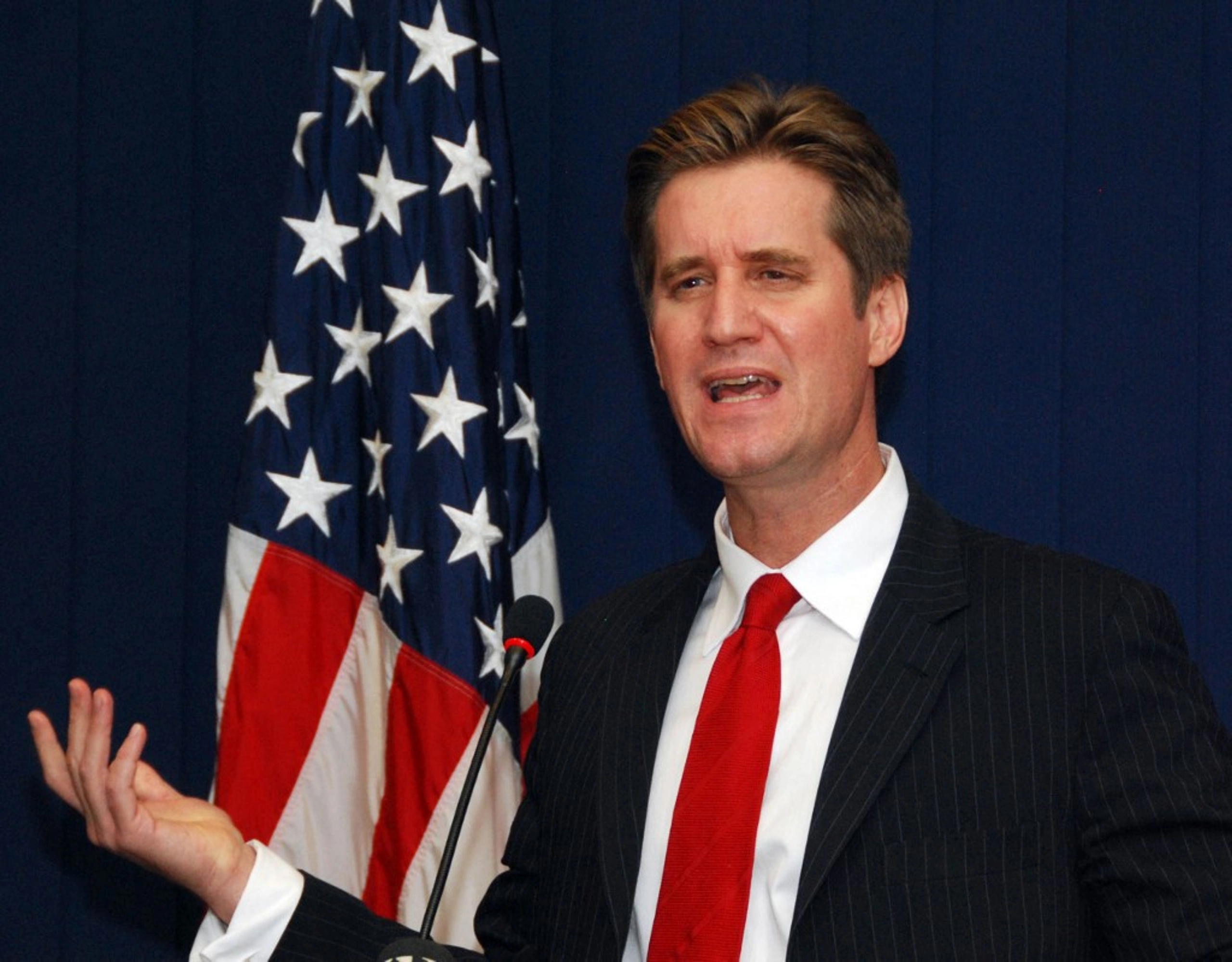
Former US deputy assistant secretary for European and Eurasian affairs Matthew Bryza believes President Donald Trump has moved closer to Ukraine because he increasingly views Kyiv as the side gaining strategic momentum and Russia as the likely loser in its own war.
In an interview with Kyiv Post, Bryza described Trump’s decision to authorize licensed production of Patriot interceptor missiles for Ukraine as a “profound” political and strategic shift.
JOIN US ON TELEGRAM
Follow our coverage of the war on the @Kyivpost_official.
“I think President Trump realizes that Ukraine is most likely to be the winner and Russia the loser,” the former US ambassador argued. “Trump likes winners and doesn’t like losers.”
Trump announced at last week’s NATO summit in Ankara that Washington would allow Ukraine to manufacture Patriot interceptors. The decision represents a major long-term boost for Kyiv, although establishing production facilities, transferring technology and creating supply chains could take considerable time.
For Turkey, the S-400 Remains the Price of an F-35 Return
Trump declared in Ankara that he intended to lift US sanctions imposed on Turkey over its purchase of Russia’s S-400 air-defense system. He also signaled that a decision on Turkey’s possible return to the F-35 fighter jet program would follow.
Neither step, however, has been formally executed.
Legal and congressional hurdles remain, while Washington continues to view the presence of the Russian system on Turkish territory as incompatible with the security requirements of the F-35 program.
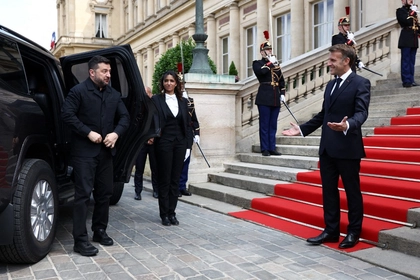
Closing Ukraine’s Skies Means Closing Europe’s: Why the Anti-Ballistic Coalition Matters Now
Bryza expects Ankara to seek a way to remove the S-400 from the country – whether by returning it to Russia or transferring it elsewhere.
In his assessment, eliminating the Russian system would clear the central obstacle preventing Turkey from rejoining the F-35 program and open the way for broader defense cooperation with the US.
Trump’s personal respect for Turkish President Recep Tayyip Erdoğan is also helping drive the rapprochement, according to the former ambassador.
‘Turkey is not afraid of Russia’
Removing the Russian S-400 platform would almost certainly anger Moscow, but Bryza does not believe Ankara is overly concerned about potential retaliation.
“Turkey is not afraid of Russia,” he maintained.
This strategic confidence was on full display when President Erdoğan officially announced Turkey’s decision to join the Patriot Under License Production (PURL) program on Wednesday during the NATO Summit in Ankara.
Turkey has consistently supported Ukraine’s territorial integrity and provided extensive military-technical cooperation, including joint weapons development, all while preserving tactical diplomatic communication with Moscow and declining to join Western sanctions.
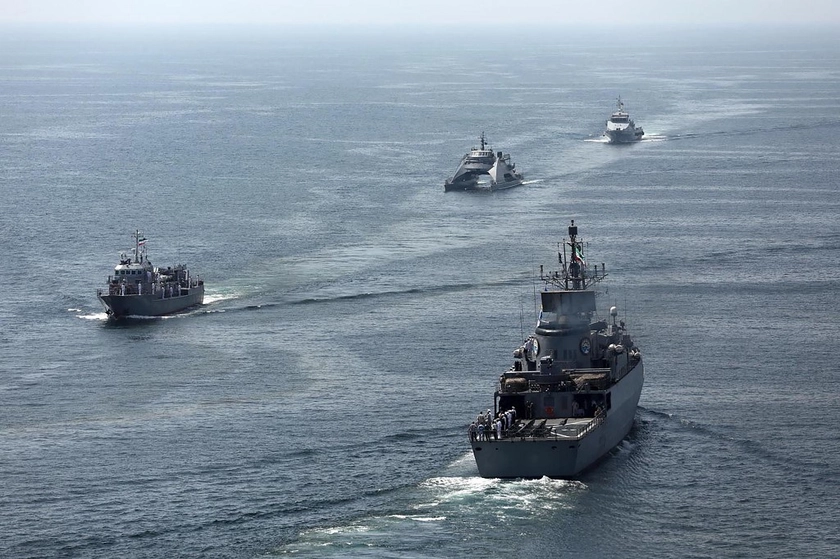
Crucially, Ankara also closed the Turkish Straits to Russian warships not permanently based in the Black Sea under the Montreux Convention – a step Bryza described as a highly meaningful, physical constraint on Moscow’s war effort.
Patriot license marks a ‘huge shift’
Bryza called Trump’s pledge to authorize Patriot interceptor production a “huge political step in favor of Ukraine and against Russia.”
The decision marks a sharp departure from Trump’s previous pressure on Kyiv. Ukraine’s refusal to yield – combined with Russia’s failure to achieve decisive battlefield gains – has fundamentally altered Washington’s calculations.
However, the political breakthrough will not deliver missiles immediately. Patriot and PAC-3 manufacturers must first approve complex technology transfers before new production lines can be established.
“It’s not a matter of weeks or months,” Bryza cautioned. “It’s a matter of a year or years.”
Nevertheless, the authorization signals that Ukraine could eventually gain the capacity to reduce Russia’s ballistic missile advantage. If Kyiv can better protect its cities and infrastructure, the Kremlin will find it increasingly difficult to claim that Russian victory is inevitable.
Bringing the Costs of War Home to Russia
Bryza portrayed Russia as operating from a position of deep strategic weakness.
“President Putin has failed enormously in his chosen war against Ukraine,” the former White House official argued.
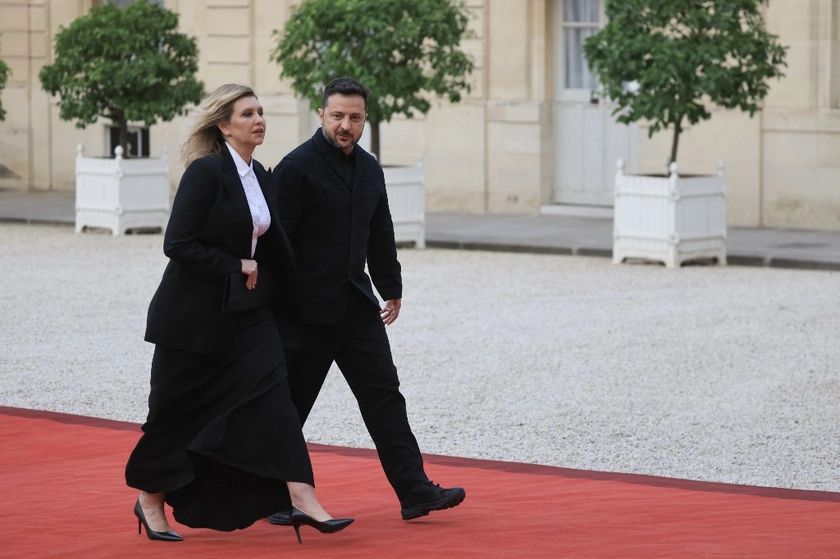
Moscow has achieved none of its central objectives: removing President Volodymyr Zelensky’s democratically elected government, destroying Ukraine as a sovereign state or forcing NATO to retreat from its eastern members.
“None of those goals are going to be achieved,” Bryza maintained.
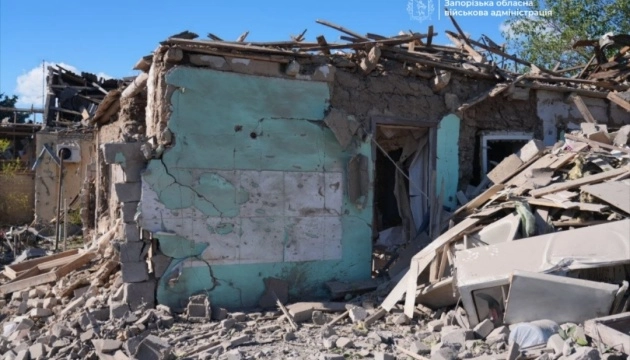
He also pointed to mounting pressure inside Russia as Ukrainian strikes increasingly target oil refineries, fuel depots and military supply routes.
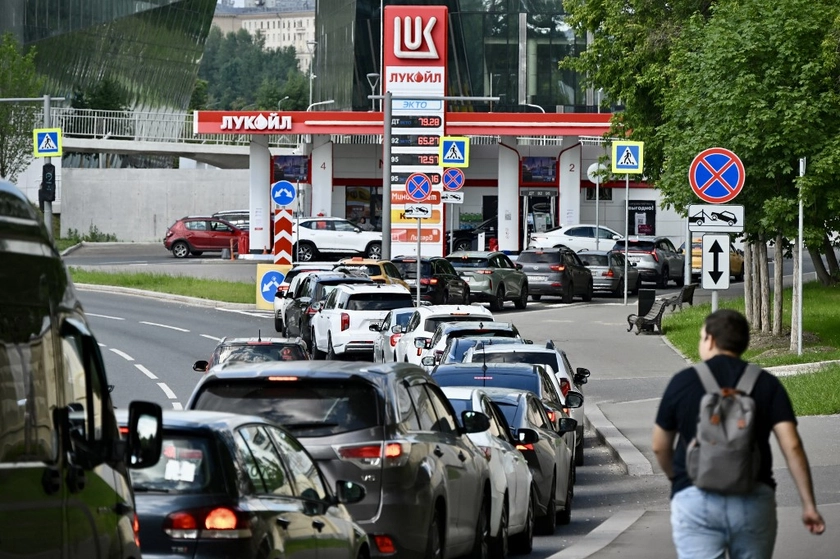
Fuel shortages have affected several regions, including occupied Crimea, while repeated attacks on bridges, transport vehicles and energy facilities have disrupted Russian logistics.
By expanding its deep-strike campaign, Ukraine is bringing the economic and political costs of Putin’s war directly home to Russia – creating growing pressure on the Kremlin.
As Bryza noted, Russian history shows that when the country loses a war, political change often follows.
You can also highlight the text and press Ctrl + Enter
OPINION: The Bill for Crimea Comes Due for Putin