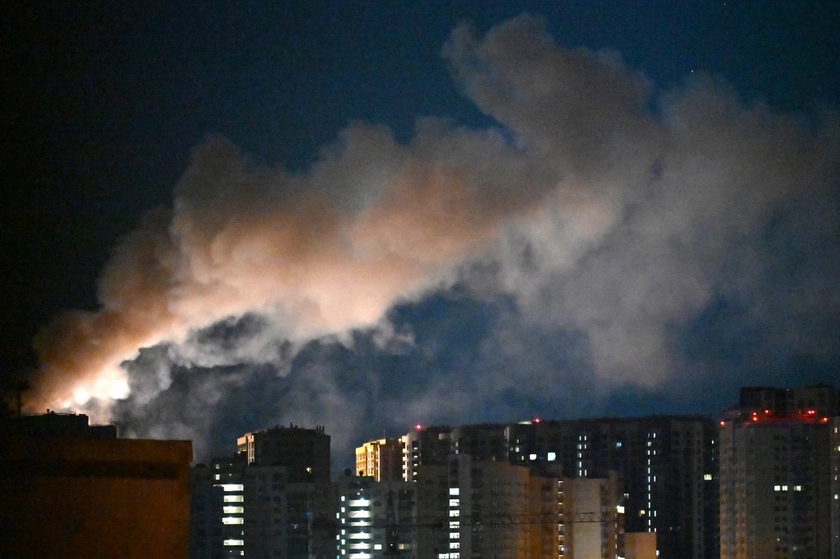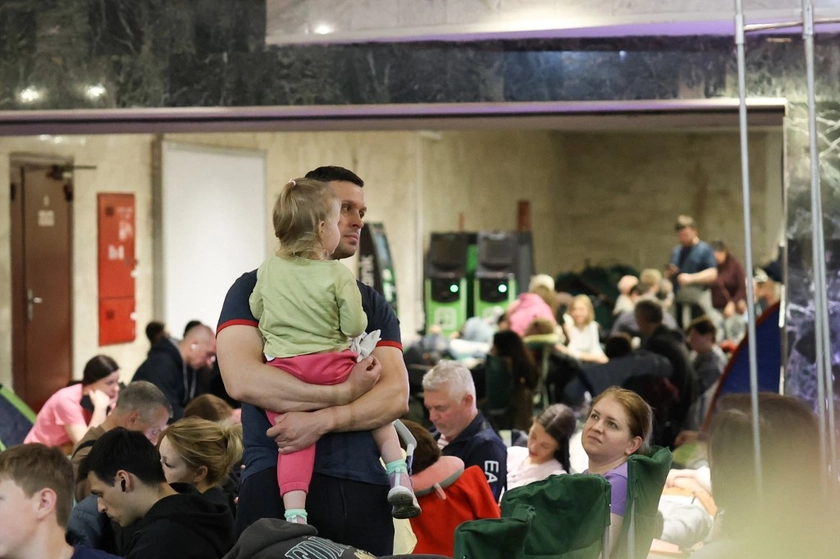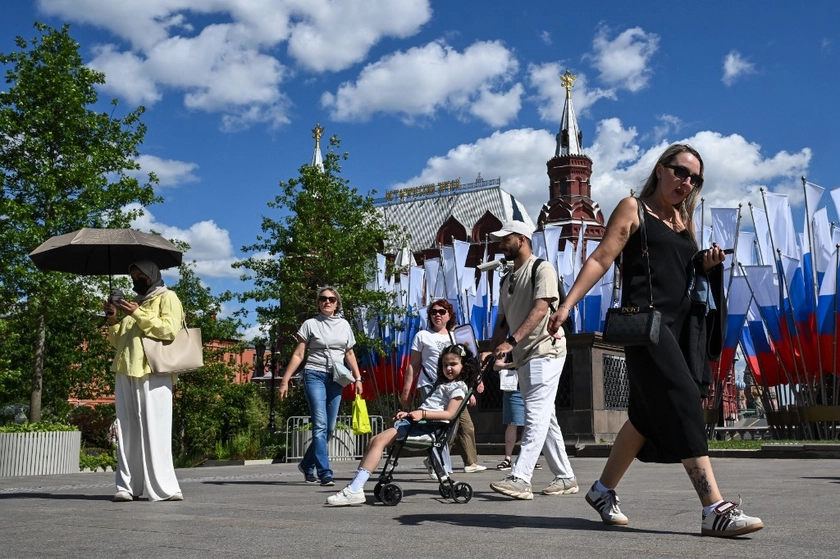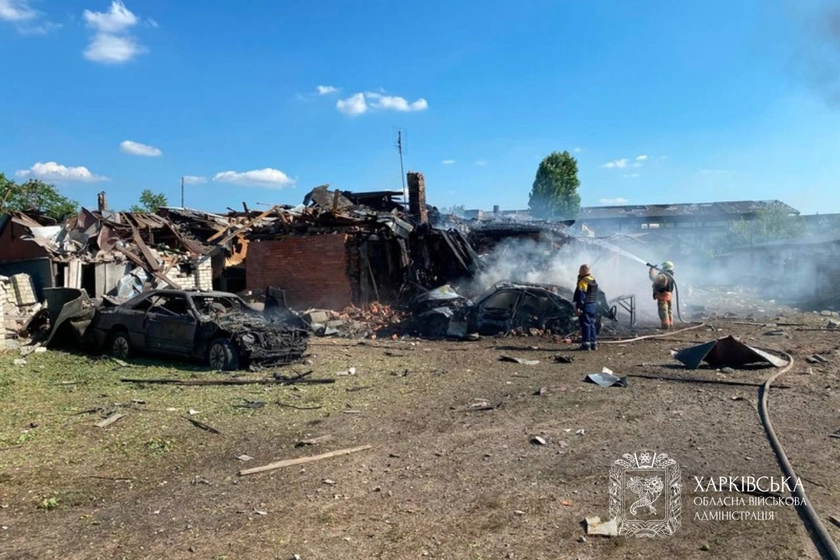
After a suspenseful buildup to the meeting between Russia and Ukraine in Turkey this week, the anticipated peace talks fell into disarray. Russian President Vladimir Putin had dismissed earlier calls for a ceasefire, proposing direct peace talks with President Volodymyr Zelensky instead. The Ukrainian leader agreed, stating he would be ready to speak with Putin in Turkey. But when Zelenskyy arrived in Ankara, Putin was nowhere to be found. Then, when Russian and Ukrainian officials met in Istanbul without Putin and Zelensky, the meeting produced few results.
Over the past four months, Ukrainian officials have continuously met with their US and European counterparts to discuss an end to the war, showing that they are committed to bring an end to the fighting. But Russia’s decision to snub the peace talks in Turkey suggests that it is not serious about peace. This has been a continued pattern in recent months.
JOIN US ON TELEGRAM
Follow our coverage of the war on the @Kyivpost_official.
The first instance occurred in March of this year. After several negotiations with Ukrainian and Russian officials in January and February, US officials brokered a 30-day limited ceasefire in March between Russia and Ukraine on energy infrastructure. But it was not upheld. According to reports, the Russian Federation violated the ceasefire more than 30 times. Then, in April, Putin called for a three-day Easter truce. Hours after his proposal, Russia violated its own ceasefire.
Russian Authority Urges 3 Kids by 35 Amid Birth Rate Collapse
These examples, as well as countless others throughout history, suggest that Russia is not serious about peace in Ukraine. Instead, continued deflections of peace negotiations, ceasefire violations, and bombardments on Ukrainian cities, suggest that Russia wants to continue its war.
Given these developments, the international community should adopt a more rigid stance on Russian aggression. Imposing stiffer penalties on the Russian Federation would help bring a forceful end to Russia’s war.
Pressure points
First, the international community should pressure institutions operating in Russia. When the full-scale invasion began in February 2022, over 1,000 companies suspended their operations within the Russian Federation. But hundreds remain. By continuing their operations, the Russian economy has stayed afloat. This also helps Russia finance its war.
To counter these acts, governments around the world could pressure companies that continue to operate in the Russian Federation. The international community could impose sanctions on these businesses, incentivizing them to suspend their operations in Russia. As a result, this would limit Russia’s ability to purchase weapons and equipment needed to continue its war in Ukraine.
Second, the international community should tighten sanctions on Russia’s energy sector. To date, “hundreds of millions of dollars’ worth of fuel” is being sold to the US, the UK the EU, and several other places around the world. Russia sells its crude oil to large refineries, where it is blended with other crudes and sold to consumers. The Russian Federation then profits from these gasoline sales. This is another example of how Russia finances its war in Ukraine.
To reduce Russia’s ability to purchase weapons and equipment, the international community should pressure countries that purchase and refine Russian crude. If the globe stopped buying gas from their-party vendors who use Russian oil in their products, then this would incentivize them to no longer buy Russian crude. Third-party vendors could then sell their gasoline without Russian oil. This would allow them to continue their trade relationship with the international community while also seeing a decline in Russian gas sales.
Third, there are companies and banks helping Russia undermine sanctions. Several countries in South America, Africa, and Asia, re-export Western goods and services to Russia. These third-party vendors sell restricted materials and equipment to Russia, which it then uses to wage war in Ukraine. To prevent these transactions from occurring, the international community should place sanctions on these third-party companies and banks that are assisting Russia, similar to how the international community imposed penalties on companies that assisted with the construction of Nord Stream 2.
Enforcing penalties on groups helping to undermine sanctions on Russia would lead to a decline in the finances of these companies and businesses. A loss in profit would incentivize those groups to suspend their operations with the Russian Federation.
Finally, but equally important, the international community must continue sending defense equipment to Ukraine. This assistance will allow the Ukrainians to defend their country from the ongoing Russian invasion. To date, Western aid has helped Ukraine reclaim over half of Russian occupied territories in Ukraine.
In addition, defense assistance and Ukrainian resilience have resulted in the significant destruction of Russia’s Black Sea Naval Fleet, its pre-invasion tank force, and billions of dollars of defense equipment. Given these successes, additional Western weapons, ammunition, and defense aid will allow the Ukrainians to continue pushing the Russians out of Ukraine.
Overall, Russia’s actions suggest that it is not serious about ending the war in Ukraine. The Russians have constantly ignored calls for peace and violated ceasefire agreements. Given their behavior, further attempts to negotiate peace with the Russians will only lead to further failed outcomes. In other words, the Russians are disinterested in peace.
Therefore, it is time to adopt a different and more forceful strategy. The international community must strengthen its support for Ukraine, and it should take a harder stance on Russian aggression. Imposing stiffer sanctions on companies operating within the Russian Federation, Russia’s energy sector, and Russian sanction evaders, as well as sending additional defense assistance to Ukraine, will bring a forceful end to Russia’s war. There is no other way.
Mark Temnycky is a nonresident fellow at the Atlantic Council’s Eurasia Center and a freelance journalist covering Eurasian affairs.
The views expressed are the author’s and not necessarily of Kyiv Post.
You can also highlight the text and press Ctrl + Enter

Russia Hit by 660-Drone Overnight Barrage Targeting Moscow, Crimea and Key Military Sites