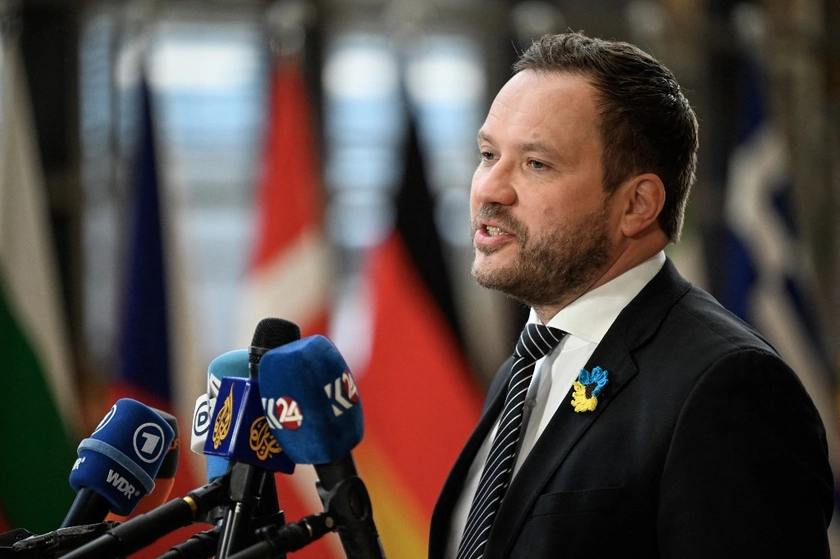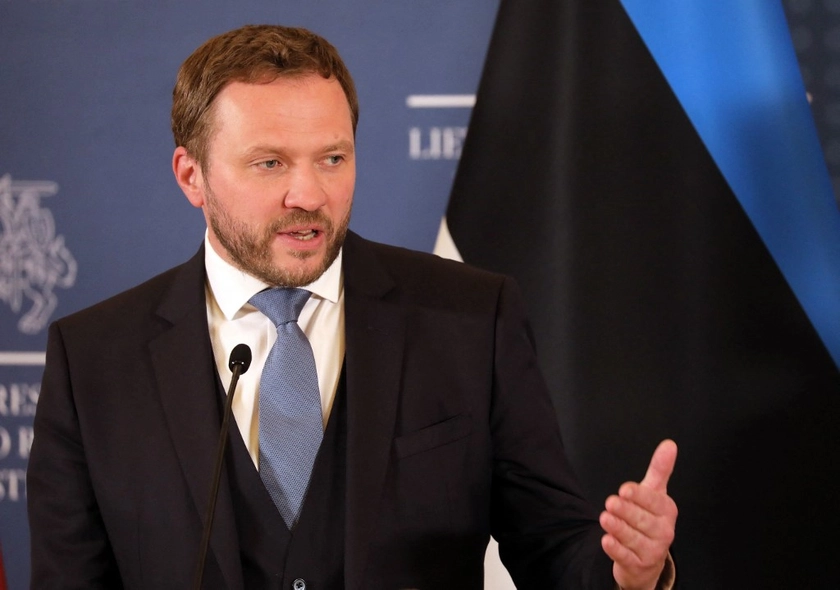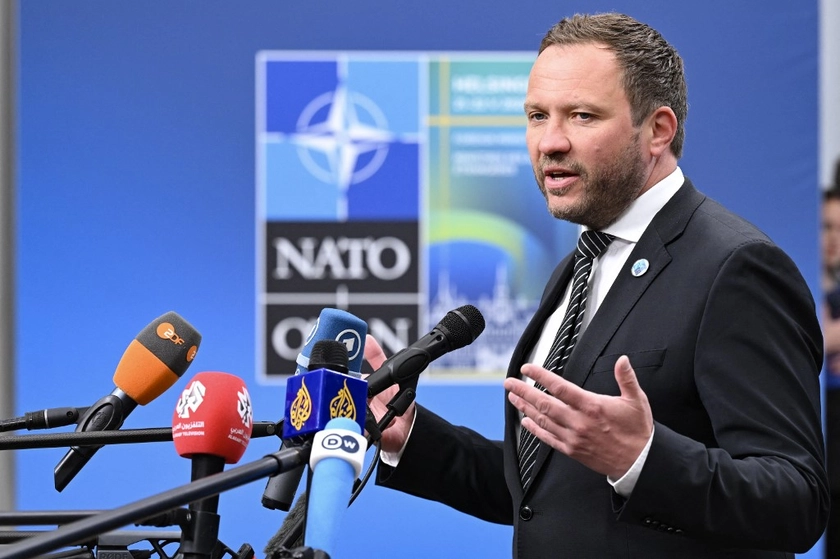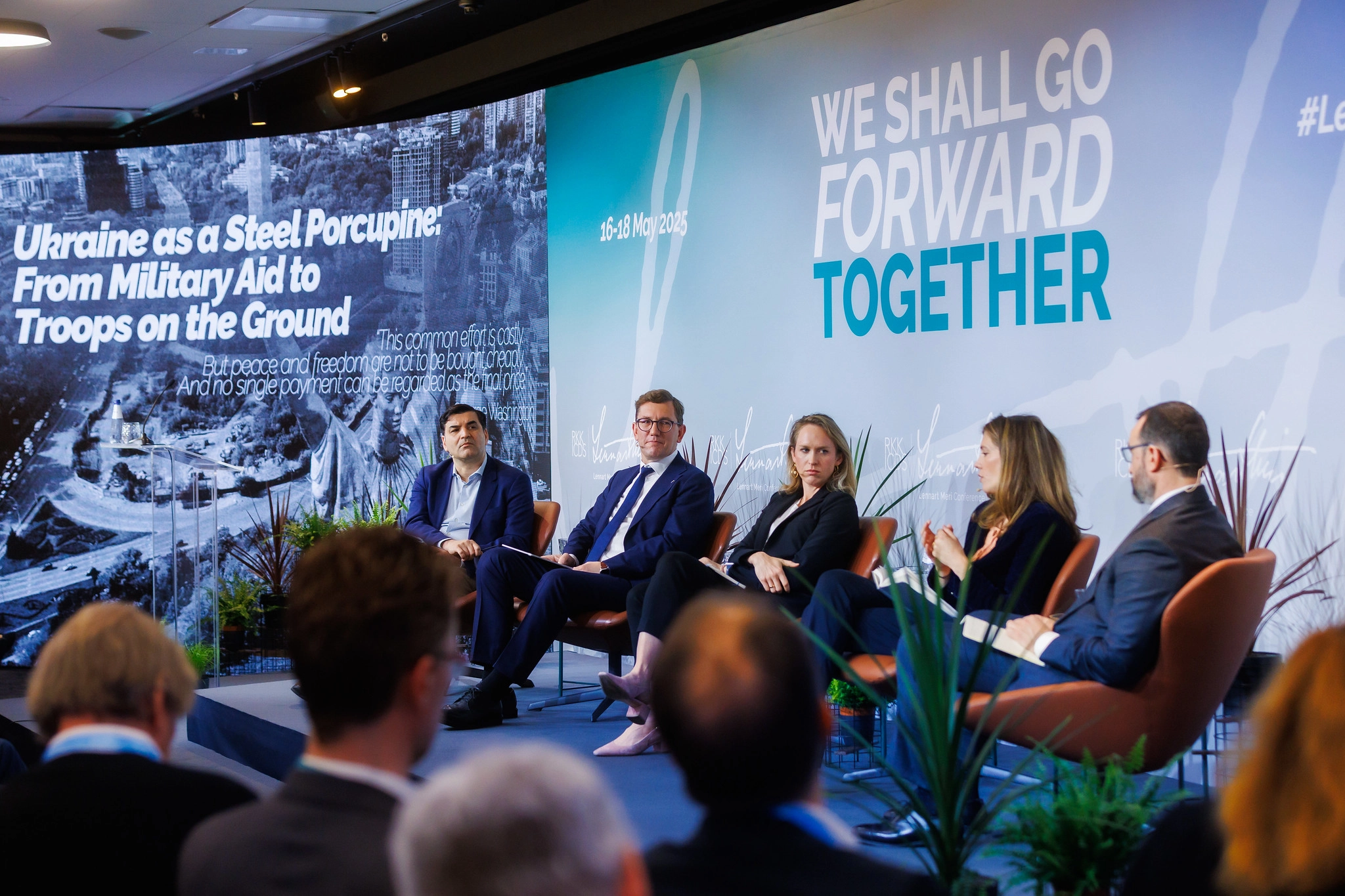
The annual Lennart Meri Conference took place in Tallinn, May 16-18. It attracted an impressive number of European and American intellectuals and officials, though eastern and northern Europe dominated. The main topic was Ukrainian security, and the theme of the conference was “We shall go forward together” – but many participants asked whether that was really the case.
In his many statements on the war in Ukraine US President Donald Trump has done his best to avoid criticizing Russian President Vladimir Putin. He has declared that no ceasefire could be achieved in Ukraine unless he and the Russian leader meet and plans that they should talk by phone on Monday, May 19 – although the US no longer plays any role in this war.
The main US spokesman at the conference was the newly confirmed US Ambassador to NATO Matthew Whitaker, who claimed that “the United States remains fully committed to NATO,” but given Trump’s position towards Putin that did not sound very convincing.
Constanze Stelzenmüller of the Brookings Institution in Washington gave the annual Lennart Meri lecture which expressed the view that Trump is letting the West and all its values down. Many considered her words “brave,” but it is sad that such an obvious statement now requires considerable courage to make it in public.
Several officials praised the recent NATO ministerial meeting in Antalya in Turkey, where many member countries have declared their intention of raising their defense expenditures to 5% of GDP by 2030, 3.5% of GDP to hard military security and 1.5% of GDP to civilian defense.
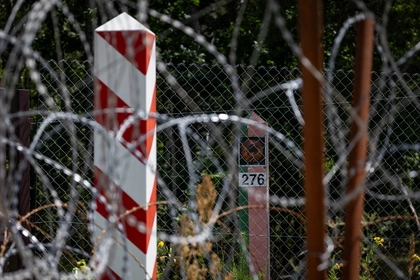
Russia Closes Border Crossings With Baltic States, Finland
A steady theme was that Europe has the financial muscle with a GDP about ten times that of Russia along with the weapons and the armed forces that are necessary to stand up to Russia. Polish Foreign Minister Radoslaw Sikorski emphasized that Europe already spent 2.5 times more than Russia on the military in peacetime. But many speakers asked whether Europe still had the necessary political will.
Perhaps the most illuminating session was devoted to the West moving from military aid to Kyiv towards the idea of putting boots on the ground. The long-discussed possible European peacekeeping force was dismissed as too small, its purpose poorly defined and not of much use to Ukraine. Would Europe be prepared to offer air defense or air forces to Ukraine? Hardly. Perhaps Europe could continue helping to keep the Black Sea open for Ukrainian shipping.
One of the sharpest critics of the Europe’s coalition of the willing was Lithuania’s eloquent former Foreign Minister Gabrielius Landsbergis who summarized his view of the European policy as: “No troops, no Taurus, no air defense for Ukraine.”
In the corridors, it was discussed how the US businessman Stephen Lynch is trying to revive Nord Stream 2 and Russian gas export to Europe with the support of Trump’s infamous envoy for special affairs Richard Grenell, Putin’s old Stasi friend Matthias Warnig and various German social democrats. Apparently, the new German government coalition has already agreed on not delivering Taurus to Ukraine, while Nord Stream 2 is still not decided. It would be a devastating loss of face for the new German Chancellor Friedrich Merz if he fails to stop the revival of the long-sanctioned Nord Stream 2.
Former Estonian President Toomas Ilves discussed how NATO failed to act purposefully in so many cases. Why couldn’t NATO stop the dangerous Russian shadow fleet in the Baltic Sea, which is now supposed to be a NATO lake? What did NATO do about all the Russian sabotage actions in member countries? Why didn’t the EU impose truly devastating sanctions on Russia? The long discussion appeared to conclude that NATO had become a paper tiger.
Yet, I would also mention some bright points. This whole conference was united in its support of Ukraine, and nobody raised any significant complaints about the country, while they, rightly so, complained about everything else.
In the midst of the war, the Ukrainian government functions amazingly well. For the last two years and also this year, it has received about $100 billion a year in Western financing. Although the US has now withdrawn its support since Trump prefers Putin, his kleptocracy and autocracy over Ukraine’s democracy and rule of law.
The EU now needs to make the difference so that Ukraine can win the war. It should seize the $200 billion of immobilized Russian Central Bank reserves that sit in the Euroclear Bank in Brussels. The Nordics and the Baltics are all in favor, but incredibly and immorally Germany, France, Belgium and Luxembourg object to this obviously ethic action.
If Merz is to become the leader of Europe, he had better take command and seize these funds for the benefit of Ukraine. With these funds released over a year, Ukraine could win the war. Germany and France need to stop hindering Ukraine from winning the war. If Merz fails to act, few will take him seriously in the future.
The biggest positive news is how well the Ukrainians do on the battle field. All praise Ukraine for the strength of its armed forces. NATO will remain a joke unless it succeeds in incorporating Ukraine as a member.
The views expressed in this opinion article are the author’s and not necessarily those of Kyiv Post.
You can also highlight the text and press Ctrl + Enter