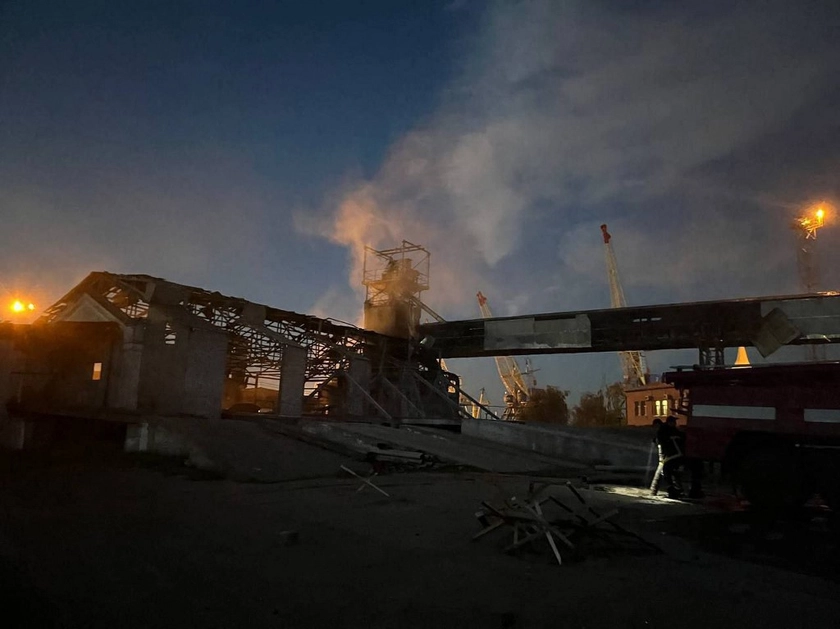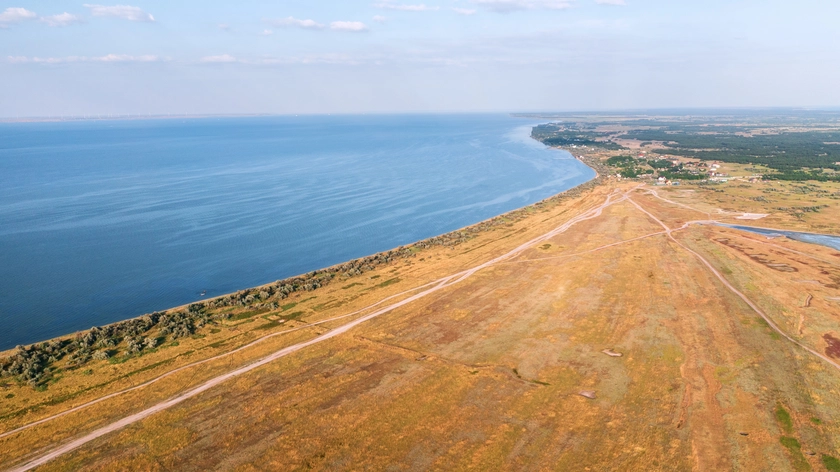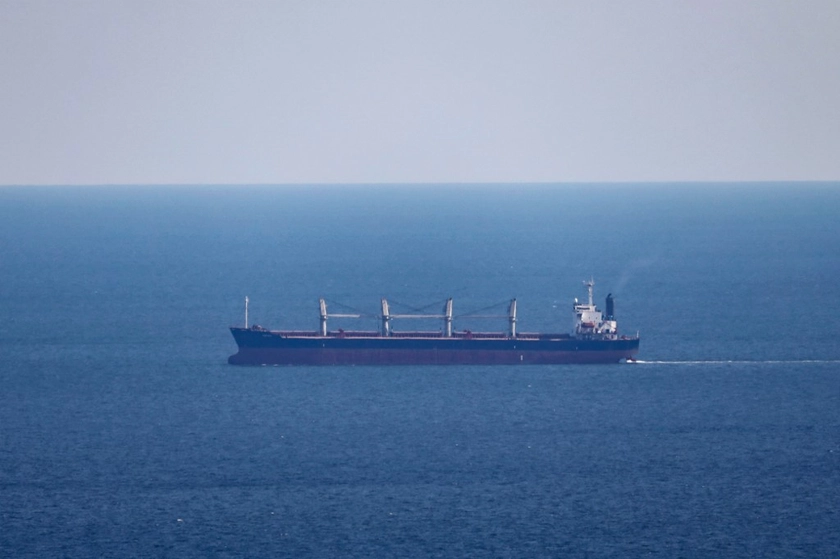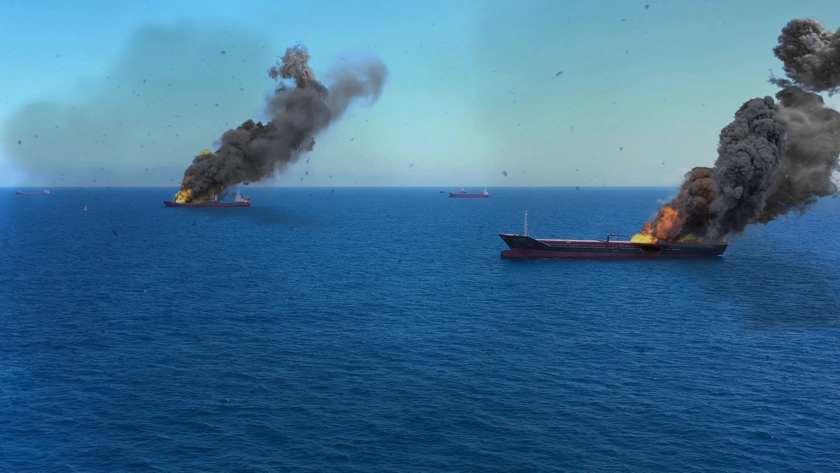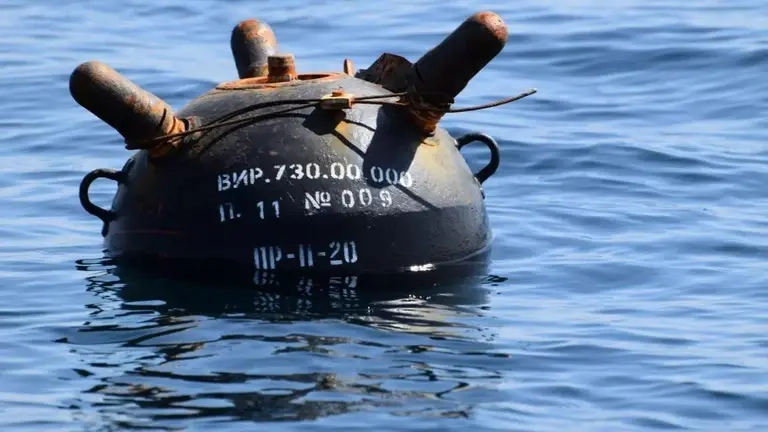
Sea mines are another aspect of the Russo-Ukrainian War posing a significant threat not only to shipping but also to civilians. For example, on July 18, the State Emergency Service of Ukraine reported the discovery of a sea mine that had been washed up on the coast of the Odesa region. A month earlier, in June, two men were killed by a mine explosion while swimming in the sea in Odesa region.
Moscow began to use drift mines in the Black Sea on a large scale after the start of the full-scale invasion, in particular to block the export of Ukrainian grain. In doing so, it has traditionally disregarded international maritime law.
JOIN US ON TELEGRAM
Follow our coverage of the war on the @Kyivpost_official.
In July 2024, three NATO member states – Turkey, Bulgaria, and Romania – initiated a joint operation to search for and clear these mines in the Black Sea to improve the safety of navigation and to resume grain exports.
Mine action was also the main program of the second stage of this year’s Sea Breeze 2025 exercise, which started on June 30 in the port of Portland (UK). Four minesweepers took part in the exercise on behalf of Ukraine. In particular, the Sandown-class vessels Chernihiv and Cherkasy, which were transferred to Ukraine from the United Kingdom, and two Alkmaar-class minesweepers Melitopol and Mariupol, which were transferred as military aid from Belgium and the Netherlands.
According to a comment provided to the Ukrainian security and cooperation center (USCC) by the spokesperson of the Ukrainian Navy, Dmytro Pletenchuk, the current experience of Ukrainian sailors in maritime demining is unique, as it is being gained under active combat conditions. This also influenced the theme of Sea Breeze 2025, as the issue of de-mining the Black Sea is a problem that will be relevant long after the end of the Russo-Ukrainian war – even now, mines from the Second World War are still being found in the sea.
Ukraine Regained Battlefield Initiative but Needs More Aid to Keep It – Fedorov
During the exercises in the UK, modern mine countermeasures technologies, including marine drones, were widely used. They significantly improve the safety of crew and ships: some drones detect and identify explosive objects, while others destroy them. For example, during the training, training mines were placed at sea, which Ukrainian crews first searched for and identified using drones, and then practiced defusing them.
In general, Ukraine’s experience in using drones is an issue of interest to partners. The Ukrainian Navy is currently using both surface and underwater drones not only for mine clearance and reconnaissance, but also for firepower, and this is in the face of not only electronic warfare (EW), but also firepower.
One of the priorities of Sea Breeze 2025 is to increase interaction and interoperability between the participating countries and bring the Ukrainian Navy closer to NATO standards. The exercise, was held abroad for the third year in a row, but the active participation of the Ukrainian Navy underscores the strategic role of Ukraine and its fleet for security in the Black Sea region and the global security architecture of Europe.
The exercises also lay the groundwork for a future roadmap for cooperation. Mine clearance of the Black and Azov Seas after the end of active hostilities is a major challenge for Ukraine, as maritime exports are critical to the Ukrainian economy and global food security. The Ukrainian side hopes that its partners will also join this operation, including at least the previously mentioned countries of the Black Sea region.
In these circumstances, multinational exercises such as Sea Breeze 2025 strengthen joint effectiveness and readiness for future challenges. And Ukraine’s role is not the least: it not only introduces advanced technologies, but also shares invaluable combat experience, which significantly enhances the Alliance’s capabilities.
The views expressed in this opinion article are the author’s and not necessarily those of Kyiv Post.
You can also highlight the text and press Ctrl + Enter

Russia Hit by 660-Drone Overnight Barrage Targeting Moscow, Crimea and Key Military Sites