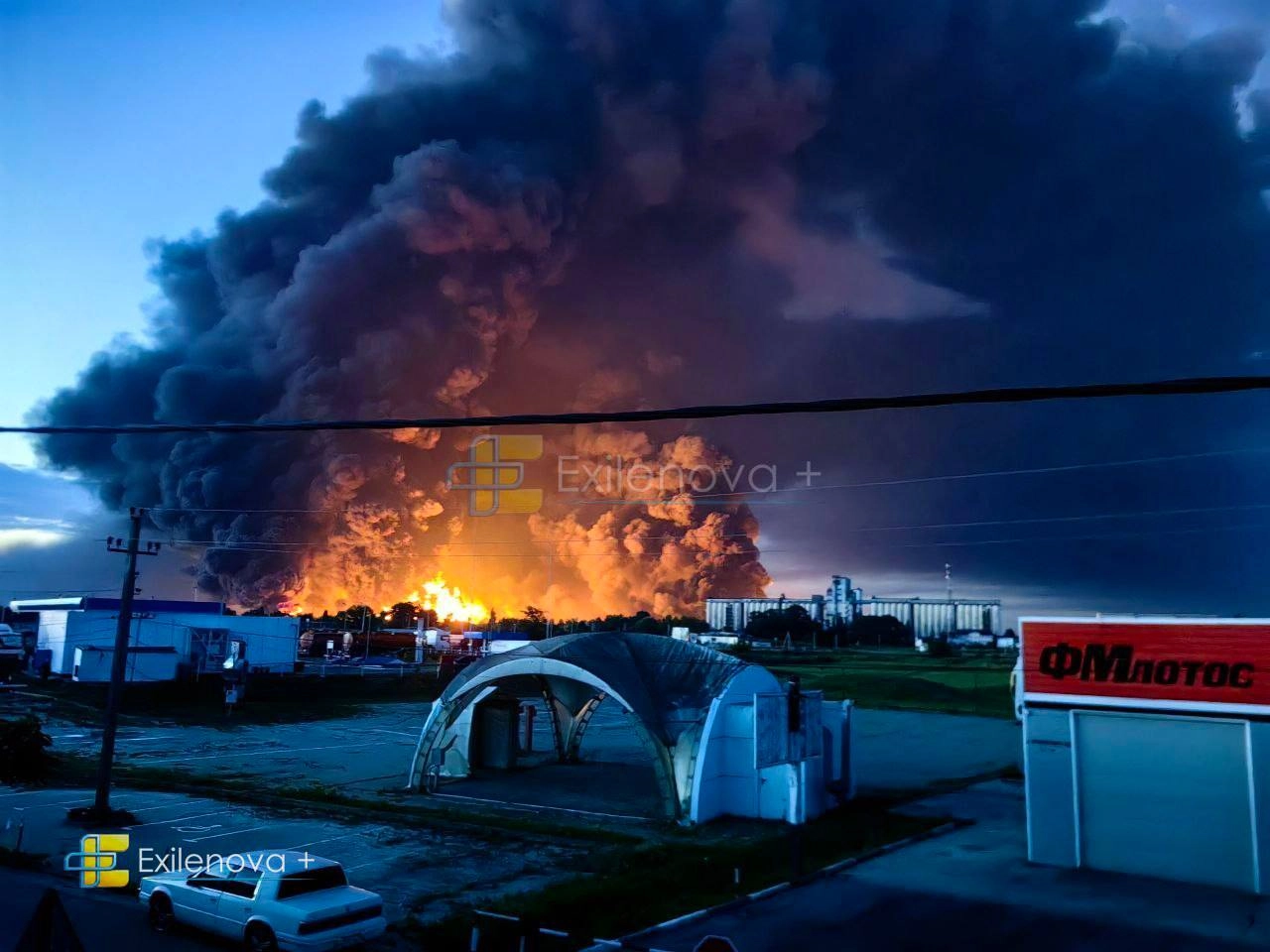
A coordinated drone assault ignited fires at key energy facilities in southern Russia and the occupied Crimean Peninsula, reported early Sunday morning, June 28.
Drone strikes set ablaze Russia’s Slavyansk refinery
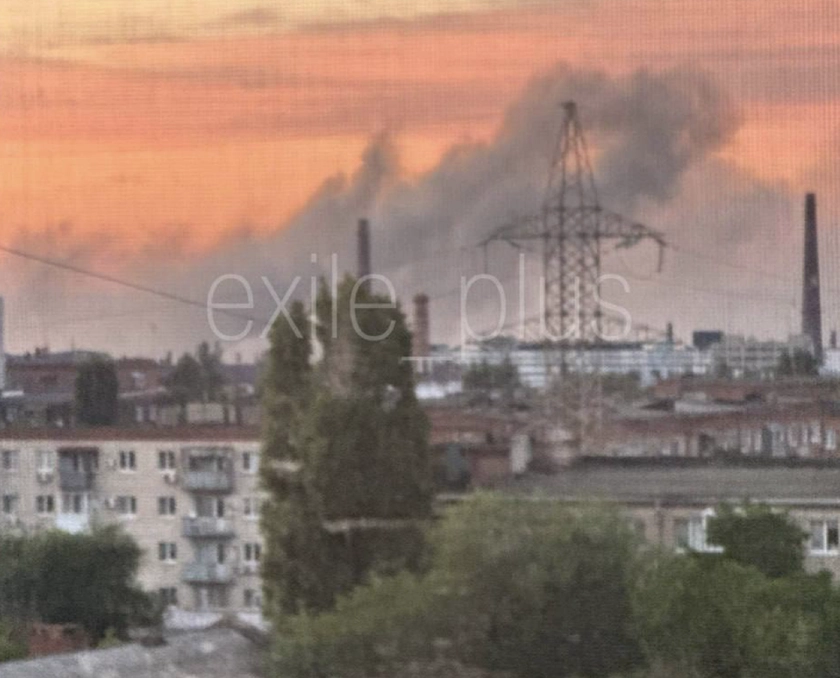
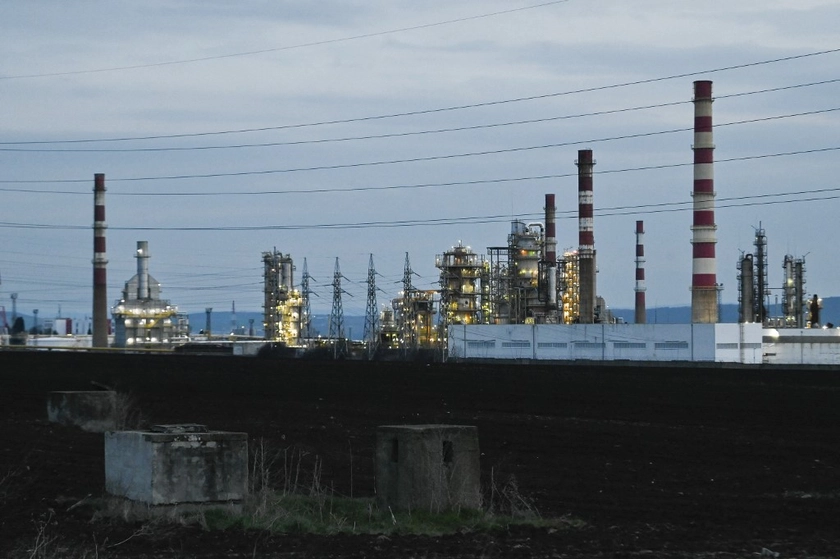
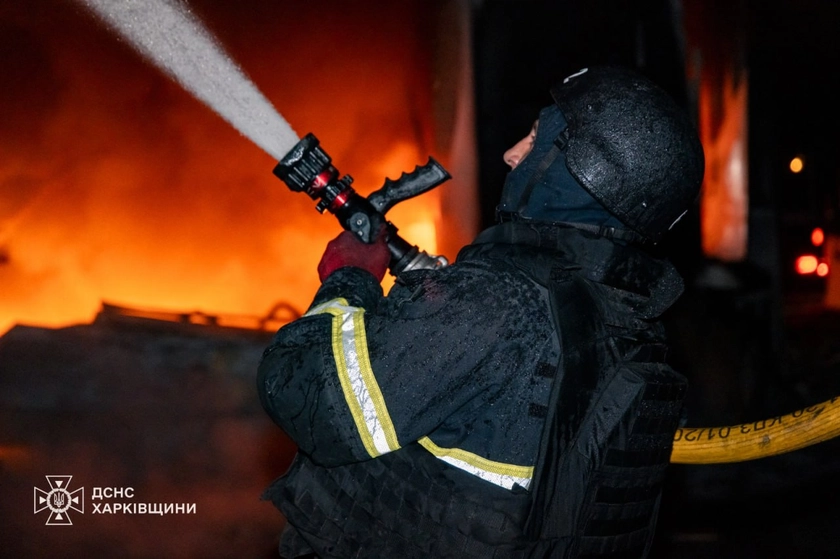
The primary target inside Russian territory was the Slavyansk oil refinery, located in the town of Slavyansk-na-Kubani in the Krasnodar region. Following a series of explosions, a massive fire engulfed parts of the facility.
JOIN US ON TELEGRAM
Follow our coverage of the war on the @Kyivpost_official.
The Krasnodar region operational headquarters acknowledged the incident, attributing the blaze to falling drone debris. Regional Governor Veniamin Kondratyev confirmed the fire at the refinery and reported that the attack also damaged a local power line, a gas pipe, and several private homes. Kondratyev stated that the strike resulted in one fatality and one injury.
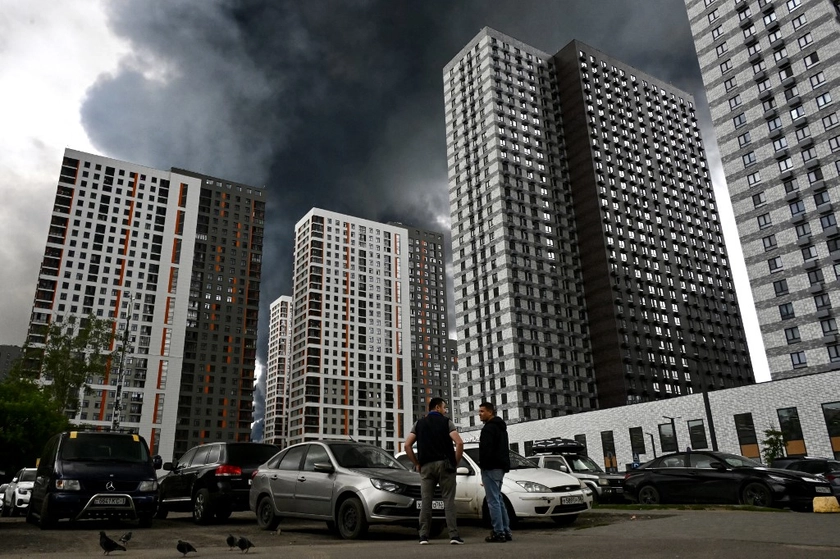
While local authorities did not specify the scale of the damage at the plant, eyewitness accounts and footage shared on social media depicted thick smoke and intense flames emerging from the territory.
Open-source intelligence (OSINT) groups and NASA’s FIRMS satellite data corroborated the presence of active fire zones. The data suggests the blazes were concentrated near fuel reservoirs and a separate oil and gas stabilization unit owned by RN-Krasnodarneftegaz.
The Slavyansk refinery is a critical asset for the Russian military-industrial complex. As one of the largest refineries in southern Russia, it produces aviation fuel, motor gasoline, and fuel oil, supplying approximately 9% of the refined petroleum in the Southern Federal District.

Despite Public Break With Russia, Springer Continues Publishing Russian Journals
It serves as a primary logistical node for fueling the Russian army and forces stationed in occupied Crimea. The facility has been targeted by Ukrainian drones multiple times prior to Sunday’s strike.



Mikhail Yevrayev, governor of Russia’s Yaroslavl region, announced that exits from the city of Yaroslavl were temporarily blocked on Sunday morning due to a drone threat. The city is home to the Yaroslavl oil refinery, another frequent target of Ukrainian strikes.
The Russian Ministry of Defense claimed that its air defense systems intercepted and destroyed 213 drones of various types overnight.
Strikes in occupied Crimea
Simultaneously, the aerial campaign targeted energy infrastructure in the temporarily occupied Crimean Peninsula.
Following a nighttime attack, a fire broke out at the Saki Thermal Power Plant (TEC). The “Crimean Wind” Telegram channel, citing satellite imagery, reported that the fire erupted in the area of the plant’s fuel reservoirs. The group noted that the facility was under sustained attack during the night, recording 16 explosions within an hour alongside visible smoke plumes.
The Saki TEC, with an electrical capacity of 149.4 MW, is a vital infrastructural node and the primary producer of thermal energy for the city of Saki.
Ongoing 40-day operation
The strikes in Krasnodar and Crimea are part of a broader, newly launched operational phase by Ukrainian forces.
Earlier in the week, President Volodymyr Zelensky announced the authorization of a 40-day deep-strike operation spearheaded by the Security Service of Ukraine (SBU), including its “Alpha” Center of Special Operations. The campaign aims to exert sustained pressure on Moscow by targeting critical industrial, logistical, and military hubs.
The weekend attacks followed Ukrainian strikes on Saturday against the “Titan-Barrikady” defense plant in Volgograd, which manufactures launchers for the “Iskander-M” and “Yars” missile systems, as well as strikes on a “Pantsir-S1” air defense system and a military logistics ferry in Crimea.
You can also highlight the text and press Ctrl + Enter

Attack on Moscow Oil Refinery: Putin Under Pressure?