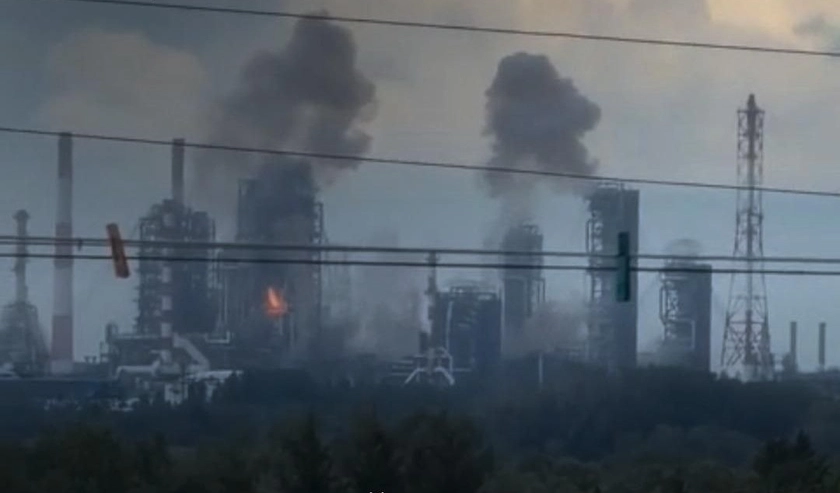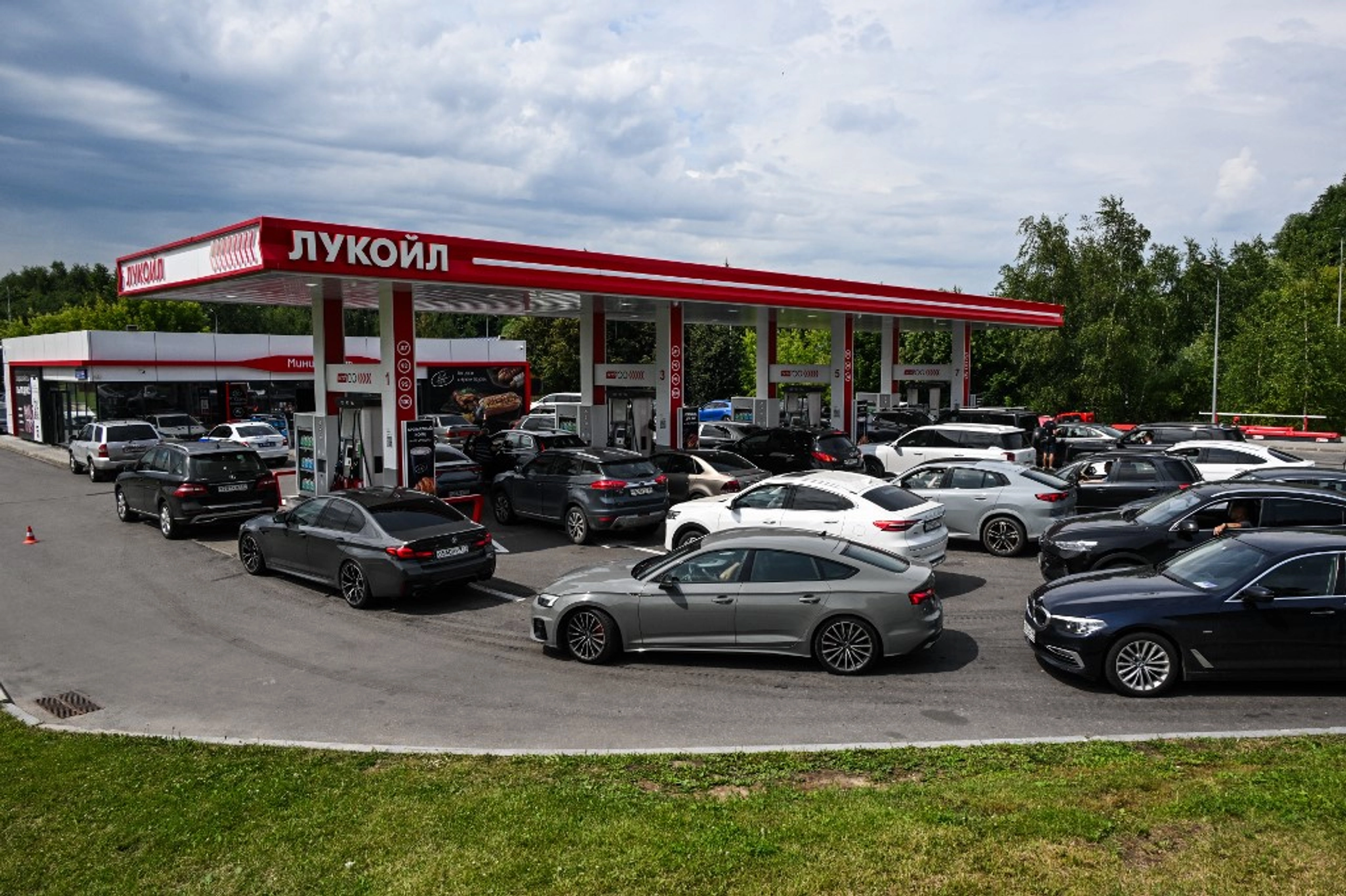
The late US Senator John McCain once called Russia “a gas station masquerading as a country.” Ironically and befittingly, nowadays gas stations across Russia are struggling with car queues that stretch kilometers.
The fuel crisis is a consequence of Russia’s war of choice – a war it can stop any time. Russia however, is prioritizing fuel to launch missiles and drones at civilians in Ukraine.
JOIN US ON TELEGRAM
Follow our coverage of the war on the @Kyivpost_official.
A state consumed by its own war priorities
Having reached none of its stated military goals in the unjustified, unprovoked, and illegal full-scale invasion of Ukraine since 2022, Russia is acting more as a terrorist rather than a conventional force.
In violation of all international norms and the basic principles of humanity, Russia deliberately targets and terrorizes civilians, reflecting a long-standing military culture. Massacres, ethnic cleansing, genocides, systemic torture, and demographic engineering have been an indivisible part of Moscow’s wars of conquest for centuries, shaping its current military doctrine.
Civilians were not always protected by international law during armed conflicts, but throughout history, the deliberate targeting of civilian populations has been widely regarded as immoral. Morality appears to have skipped Moscow altogether as targeting civilians remains central to its methods of warfare in the 21st century.
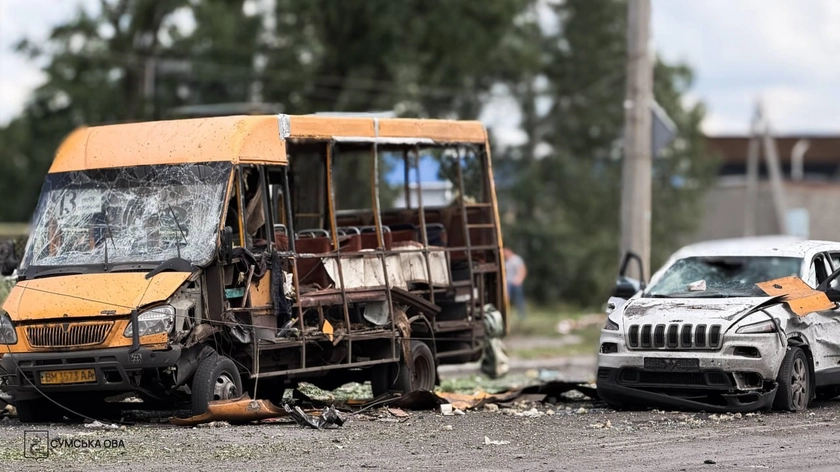
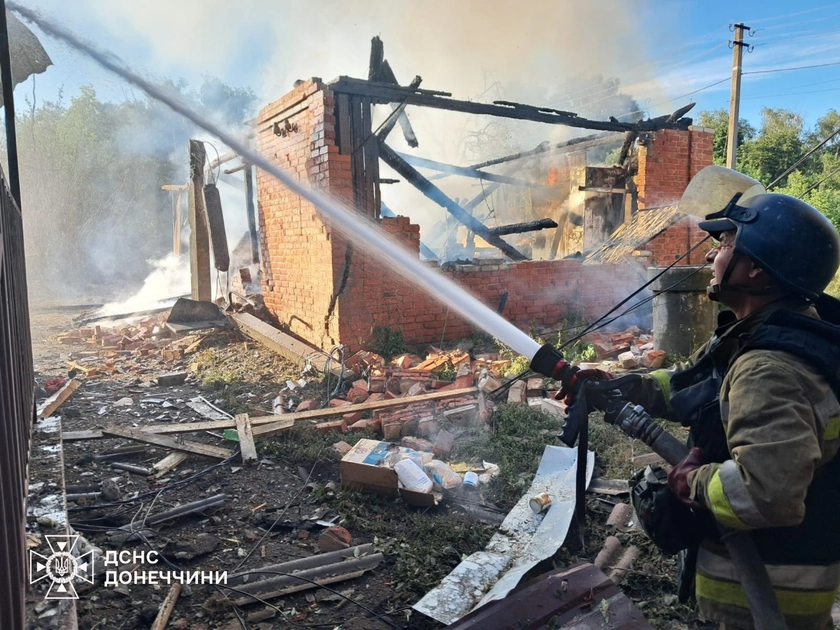
Russia launches missiles and drones to destroy Ukrainian books, shops, museums, mail packages, and family homes in residential areas. Russian state terrorism “submit or die” is not about real power; it is about real weakness.
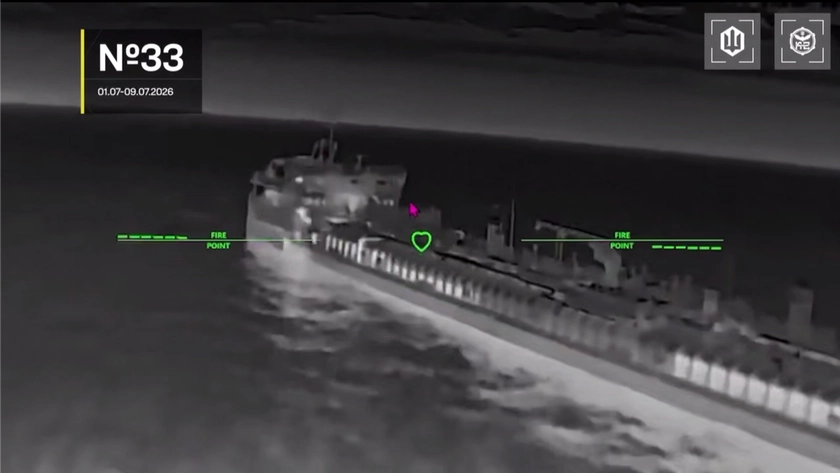
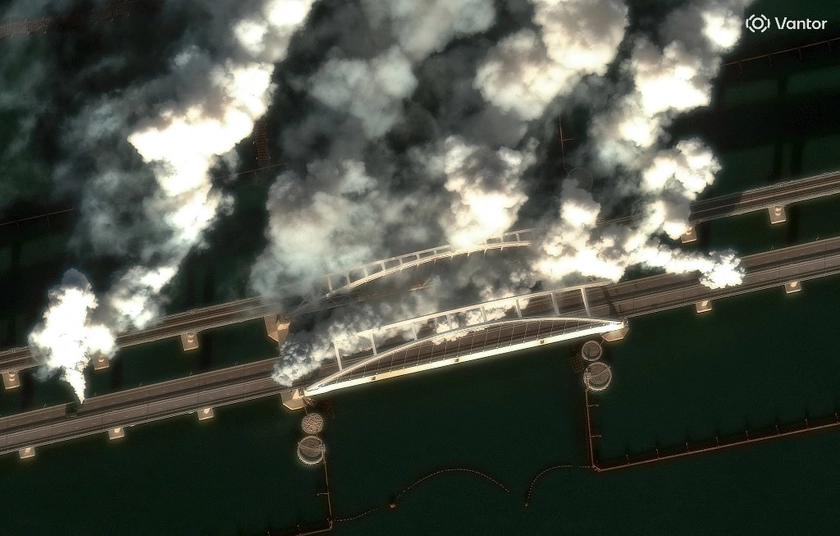
The Bill for Crimea Comes Due for Putin
The power asymmetry between a Russian missile and the defenseless families it terrorizes and kills is colossal. For decades, Russia continued to portray itself as a ‘’bear’’ fighting against its only opponent, the US, the most powerful economy and military on earth. The Kremlin paraded its missiles for the world and flaunted the size of the “second army in the world.” In reality, it “fights” unarmed civilians.
Had it not been for Ukraine exercising its right to self-defense and rallying international support, the world would have continued to believe that the size of Russia – a vastly empty and undeveloped territory – was an equivalent of great power.
Russia is estimated to have suffered 1.4 million military casualties since 2022, only to invade a few meters further at a time, and has been destroying city after city on its path. Even the conquerors of antiquity knew that destroying cities defeated the purpose of conquest. Many who once admired Russia can now see through the smoke and mirrors.
If the “multipolarity” that Russia propagates translates into state terrorism and self-destructive behavior, rather than soft power, economic clout, and moral standing, then Russia is an imposter. It is a thug that preys on the unarmed and the defenseless.
The Kremlin is no great power in that sense, but it is nevertheless the most dangerous terrorist regime in the world because it can divert Russia’s resources to terrorize millions of civilians.
In the first half of 2026, Russia was estimated to produce up to over 300 various types of missiles and up to 5,000 Shahed drones per month. Russia’s missile and drone production has been increasing each passing year despite international economic sanctions, as it continues to prioritize war over the economy. This means that Russia can launch more frequent and larger-scale air attacks to terrorize civilians even far from the front line, increasing the risk of casualties and destruction.
One of the keys to preventing Russia’s current and future aggression is applying continuous economic and international pressure on the Russian citizens. As long as Russians do not feel the consequences of their wars of choice at home nor sufficient isolation in the international arena, their support will keep fueling Russia’s violations.
Some 2,500 years ago, the Chinese military general and strategist Sun Tzu warned against starting wars and underestimating opponents. That wisdom appears to have skipped Russians as well.
The majority of Russians continue to overwhelmingly back the war of choice against Ukraine, though recently, while queuing for several hours at gas stations, some may have started to confront an uncomfortable realization. Attacking Ukraine in 2014 was an opportunistic gamble in the short term, but has ultimately become a strategic blunder.
The views expressed in this opinion article are the author’s and not necessarily those of Kyiv Post.
You can also highlight the text and press Ctrl + Enter