Estonia has officially launched preparatory work for the construction of a new military base in the eastern border city of Narva, a strategic move designed to significantly enhance the presence of the Estonian Defense Forces (EDF) directly adjacent to Russia.
According to reports from the Estonian public broadcaster ERR on Friday, July 10, the initiative advanced after the Narva City Council approved a land exchange agreement with the state. Under the terms of the deal, the municipality will receive approximately €400,000 ($456,800) in compensation and a plot of land near the Old Town.
JOIN US ON TELEGRAM
Follow our coverage of the war on the @Kyivpost_official.
Narva Mayor Katri Raik indicated that the newly acquired municipal land could be used for residential development, though no concrete agreements are yet in place.
The military project will be executed in phases. Construction of a temporary modular container camp will begin in the coming months, aiming to house an initial unit of up to 150 EDF personnel by early 2027. The construction of the main, permanent military complex is scheduled to commence later this year, with a projected completion date in the summer of 2028.
According to the General Staff of the Estonian Defense Forces, the completed facility will have the capacity to accommodate up to 1,000 personnel. However, the base will permanently station approximately 200 soldiers drawn primarily from the 1st Infantry Brigade.
Estonian Defense Minister Hanno Pevkur has previously emphasized that increasing the state’s military presence in Narva—a city with a predominantly Russian-speaking population – is a critical defense policy decision aimed at ensuring territorial protection “from the very first meter.”
Russia Halts Azov Sea Shipping as Ukrainian Drone Campaign Targets Tanker Fleet
Broader Baltic defense initiatives
The militarization of Narva is part of a much wider, multi-layered defensive posture currently being adopted across the Baltic states to counter the perceived threat from Russia.
In the capital city of Tallinn, authorities recently installed the country’s first modular concrete public shelter. Placed in the city center by construction company Citysec Industry, the reinforced concrete structure is based on standardized designs currently utilized in Ukraine to protect civilians from blast waves and debris. The installation serves as a demonstration project to test the shelter’s viability in an urban environment and to raise public awareness about emergency procedures.
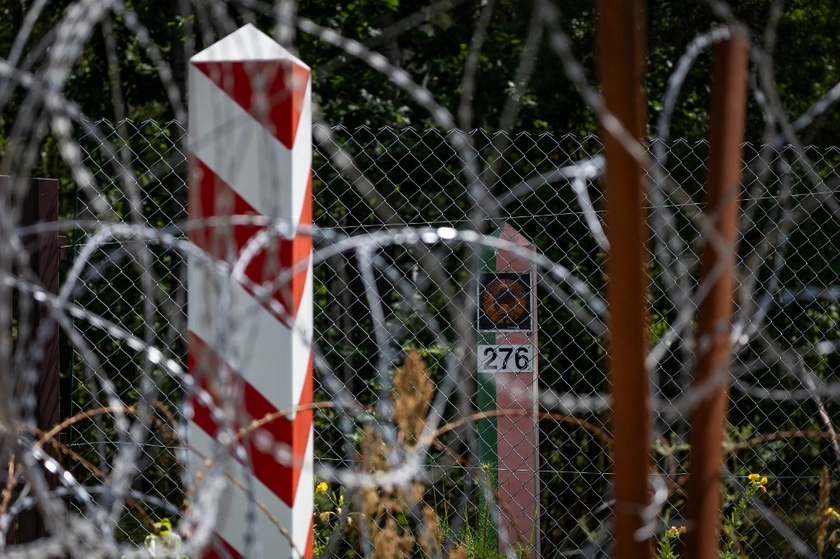
Simultaneously, Estonia and its neighbors are heavily investing in physical border fortifications. In May, Estonia deployed its first stationary drone detection and monitoring systems along the southeastern border.
Furthermore, the Estonian military is actively constructing elements of the Baltic Defense Line. This massive engineering project involves digging kilometers of anti-tank ditches and installing “dragon’s teeth” obstacles along the border with Russia.
The long-term plan includes the construction of approximately 600 concrete bunkers across eastern Estonia by the end of 2027, forming a comprehensive system of field fortifications designed to delay or deter any potential armored offensive.
You can also highlight the text and press Ctrl + Enter