The front
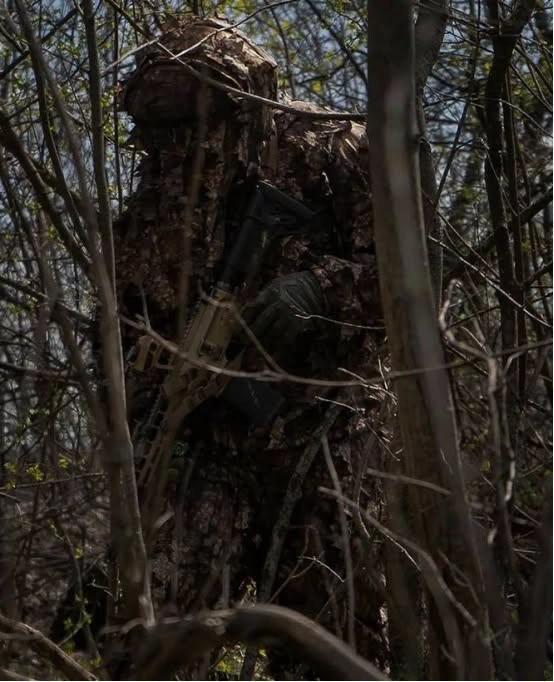
No substantial changes in terrain control over the past week. However, sources on both sides tell of continued Russian infiltration and continued heavy damage caused by Ukrainian drones and indirect fire hitting the infiltrators.
JOIN US ON TELEGRAM
Follow our coverage of the war on the @Kyivpost_official.
The Pokrovsk sector probably remained the hottest one with Russian forces continuing daily assaults. There were no confirmed advances. A Russian milblogger claimed limited progress south of Serhiivka. Ukrainian observers reported isolated infiltrators near Bilytske. On the Russian side, Rubikon is operating in this sector; there was a single report of multiple AI-assisted Lancet drones targeting Ukrainian supply lines to the east. The main Ukrainian operational formation in the area, the 7th Rapid Reaction Corps, reported it was holding its ground and hitting Russian logistics targets.
Urban fighting continued in the Kostyantynivka sector. Russian forces kept sending small infiltration groups into the central and southwestern parts of the city, leading to firefights and drone interdiction using first-person-view (FPV) drones. Ukrainian National Guard units reported destroying most of these infiltrators.
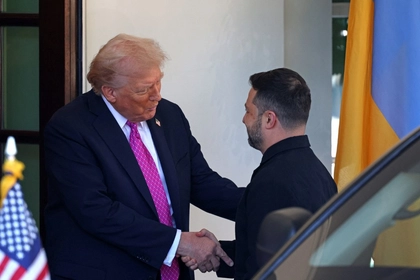
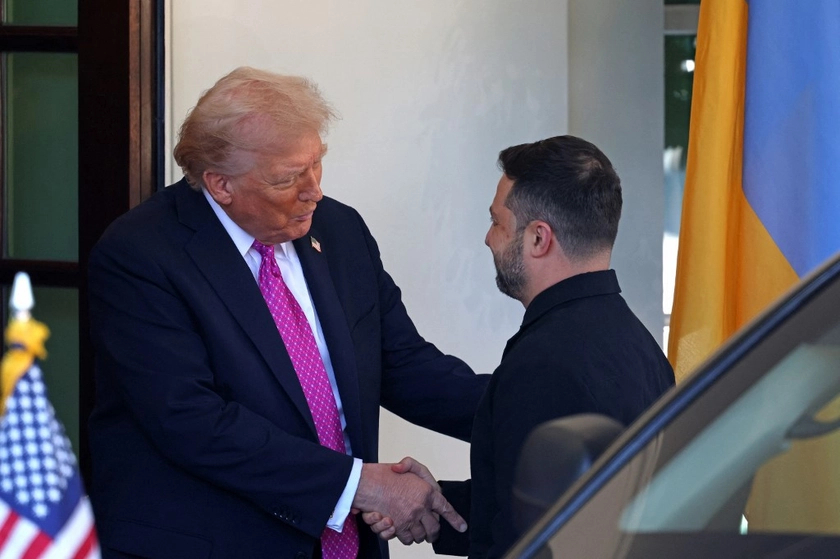
LIVE: Zelensky Meets Trump as Ukraine War Meets Iran War
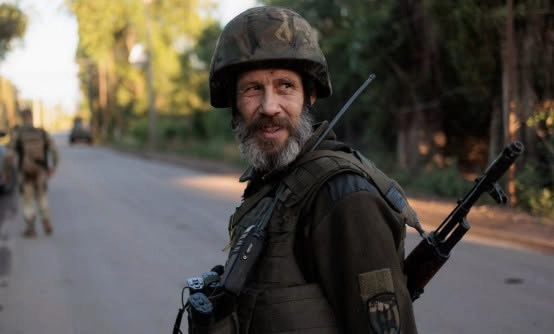
Some reports claimed Russian forces were repurposing Molniya drones – normally used for strikes – for resupply runs and for filming flag-raising propaganda videos. Russian forces were also active in, and struck, western and central parts of the city.
Despite this, both sides report that Ukrainian forces still hold a presence in the city – even though Russia claimed to have captured it two weeks ago.
There was also a report that one of the roads leading to this sector used by the Ukrainians for supply got saturated with Lancet drones using AI, no way to jam it, only chance is to avoid it.
In the Dobropillya sector, the front lines remain static, but reports indicate Russian forces are concentrating here for another push, including elements of the 2nd Combined Arms Army, 51st CAA, and 41st CAA. It’s also possible this is simply the local commander throwing fragments at the sector to maintain the fiction of continued advance.
Russian patrols have reportedly advanced toward the villages of Vasilyivka-Rodynske and Dorozhnye-Shakhove, with troops from the 91st, 99th, 107th, and 111th Rifle Regiments (51st CAA) doing the walking on the ground, supported by fire from the 92nd Rocket Brigade. The stated Russian intent here is allegedly to “seize Dobropillya quickly.”
UPDATE:
On the night of Friday into Saturday (July 24/25), reports emerged that Russian forces had attempted a rare, armored push: T-72 tanks fitted with “upgraded” Arena anti-drone/missile systems, escorted by several dozen motorcycles. The apparent goal was to punch through drone overwatch and get infantry close into Dobropillya. Russian forces had reportedly been glide-bombing the general area for weeks beforehand.
This is the 1st Corps sector – i.e., Azov. The assault took place near the village of Shakhove, with elements of the 90th Tank Division reportedly at the core of the attack.
The column was detected early and destroyed within about four hours. The 1st Corps and an attached drone unit claimed to have hit seven tanks, six armored vehicles, a Tornado-S launcher, a Grad launcher, and three engineering vehicles, along with 47 light vehicles (mostly motorcycles). They also claimed 123 Russian troops killed and 29 wounded.
At this stage of the war, the real significance of the attack isn’t the casualty count – it’s that parts of the Russian military hierarchy still believe classic armored breakthroughs are achievable. That may be the clearest sign yet that meaningful reform, and any real gain in Russian combat efficiency, remains unlikely.
There were more reports of secret Ukrainian advances in the Lyman sector and the Dnipropetrovsk-Zaporizhzhia sector that allegedly took place in the past and soon will be announced. Sure, maybe.
Ships of fools
The big strategic war news this week is Russian retaliation for the devastation inflicted on Russia’s shadow tanker fleet and its supply routes to and from Crimea. In response, Russian forces have started firing cruise missiles at Ukrainian cargo ships departing Odesa, Chornomorsk (formerly Illichivsk), and other ports, as they head south.
A similar retaliation campaign appears to be underway against Nova Poshta, Ukraine’s major shipping company, targeting its warehouses – apparently in response to Ukrainian drone strikes that have set Russian Wildberries warehouses (Russia’s rough equivalent of Amazon) on fire.
The Russians have been using anti-ship missiles dropped by strike aircraft, from what I gather, targeting ships as soon as they leave Odesa port, and before they get to NATO waters inside the Bulgaria 12-mile zone. Here’s a write-up of blows being traded from the first part of the week.
My unofficial count: every day this week the Russians launched two or three X-59/69 missiles, and since they are anti-ship missiles, one must assume potentially at this shipping. I have read an unconfirmed report that the preferred Russian platform for the launches is Russia Su-57 semi-stealth jet, but whether Su-57s are responsible for the attacks on international shipping near Odesa, I can’t say, don’t know. Since Tuesday, the Ukrainians have claimed all the anti-ship missiles have been shot down. Since Thursday, according to maritime news platforms, commercial shipping into and out of Ukraine’s sea ports has ceased, due to insurance.
Although both sides have attacked each other’s logistics before, these shipping lane attacks are evidence of a shift to full-on economic warfare to ruin the lives of enough civilians so that the other side’s military bosses back off. The Russian objective appears to be Kyiv and, more grandly, all of Ukraine; the Ukrainian objective is Crimea and occupied southern Ukraine. The scary part is that neither side is likely to stop until it runs out of strike weapons or targets.
But the inflection point is this: Here we have the Russian Federation targeting international shipping, in the Black Sea, carrying mostly grain to the Middle East, using really simple-to-shoot-down Soviet-era anti-ship missiles. What is the NATO reaction?
Hear the crickets? That’s NATO not wanting people to ask, “What about freedom of the seas and if we are paying all this money for a defense buildup, why can’t those forces somehow stop the Russian missile from hitting the civilian cargo ships in international waters in the Black Sea?”
It would be well within NATO’s capacity to do it; the jets are in place and have been so for years. They fly recon missions and armed patrols over this piece of sea almost daily, and all that military activity costs a lot. If Europe is serious about defending its security, then how is it possible to ignore Russia attacking not Ukrainian ships but third-nation ships in international waters in the Black Sea? You know, the Sea with three NATO member states on its shores. If someone started tossing cruise missiles 50-100 kilometers (31-62 miles) outside the 12-mile (19-kilometer) zone at legally flagged cargo ships outside Newark or Shanghai, would Washington or Beijing just watch quietly?
As we have already seen, the NATO leadership thinks it’s too risky to intercept Russian drones heading towards NATO as they pass over Ukraine or Moldova, because that might make Russia aggressive. This also seems to apply to Russian cruise missiles slamming into cargo ships passing by NATO state shores; the priority seems to be convincing everyone else that doing nothing is a policy.
Lest anyone trot out: “Well, it just doesn’t have anything to do with NATO, NATO should stay out,” I can only point out that if there is anything the past quarter-century has taught us, it is that reticence does not stop Russian aggression and, to all appearances, encourages it.
There could be NATO aircraft protecting those ships against this new wave of Russian anti-ship attacks. The capacity is there. The will to stand up against aggression is absent. NATO’s strategy is to do nothing and hope things will improve. It’s easier for the member states to blame one or another for unwillingness to come to a unanimous agreement, than to do what the taxpayers pay them to do, which is to take action to keep the NATO space safe against Russian military threat.
That’s definable, textbook appeasement. I condemn it now; history will later.
Kyiv musical chairs, part two
The big political news this week is a carry-over from last week: President Volodymyr Zelensky bit the bullet and sacked Commander-in-Chief Oleksandr Syrsky and convinced Mykhailo Drapaty to replace him. This was widely received as excellent news because of Drapaty’s excellent record. He is, however, a general, not a magician.
Here’s a backgrounder on Drapaty and some of the politics that brought him to the top job.
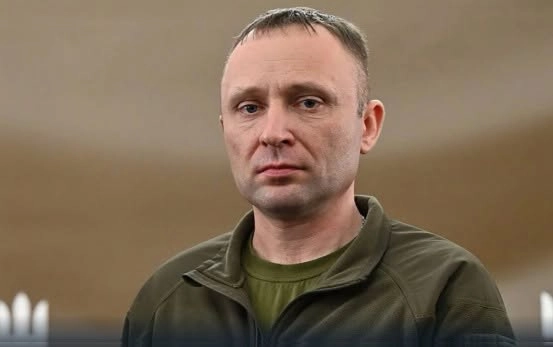
In a parting statement, made as he was leaving his post, Syrsky claimed that the Armed Forces of Ukraine (AFU) is currently attacking, remains capable of continuing to attack, and had liberated 700 square kilometers (270 square miles) of territory in recent months.
This may well be true – and the available indicators suggest it probably is – but the information ban on offensive operations is so tight that there’s no real way to confirm it independently, aside from simply taking Syrsky at his word. To be clear: the AFU has still not acknowledged the ongoing advances reportedly underway in the Lyman sector (roughly, 3rd Corps), the Donetsk sector (roughly, 1st Corps), and the Hulyaipole sector (roughly, 20th Corps).
I have defended Syrsky at times against his critics, but now that he is out of the job I think we need to be fair in assessing his work, and his assessment of it. It is, of course, a positive that the AFU is gaining ground, and that it is using drones en masse, and that it has a functioning corps system (more or less), and that it has cut two years’ worth of Russian offensives to pieces and even invaded Russia on its own for a while.
But Vietnam, Afghanistan, the Powder River campaign, Pete Hegseth, and Iran. Tactical victories and battlefield success are supposed to be the outcome of a war-winning strategy — one that directs the war toward a successful conclusion. Certainly Syrsky (and former Defense Minister Mykhailo Fedorov) had their work cut out for them; Russia is four or five times bigger than Ukraine.
But holding the line against Russia is not the same as defeating Russia, and Syrsky’s pointing to AFU tactical accomplishments doesn’t change the bottom line: the war goes on, and at best, all one can say at the moment is that the AFU’s war strategy hasn’t obviously failed. At the same time, no one can say what that strategy actually is.
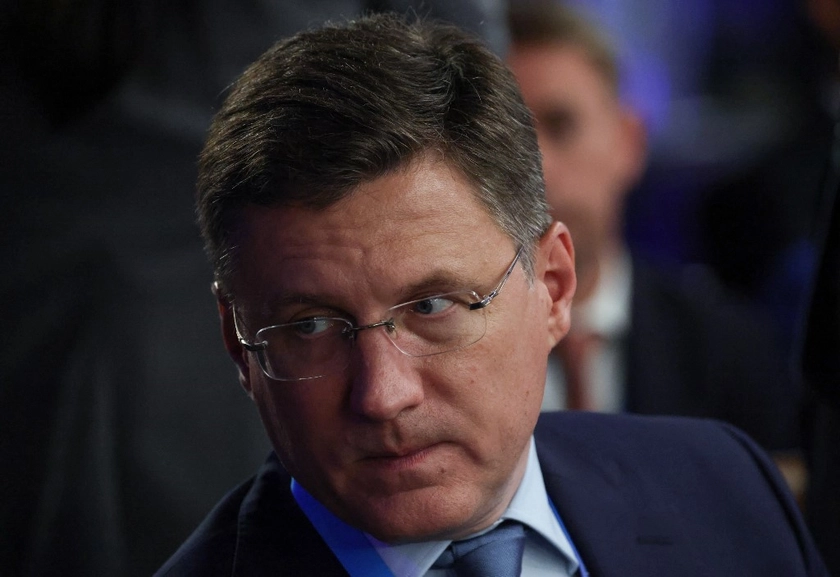
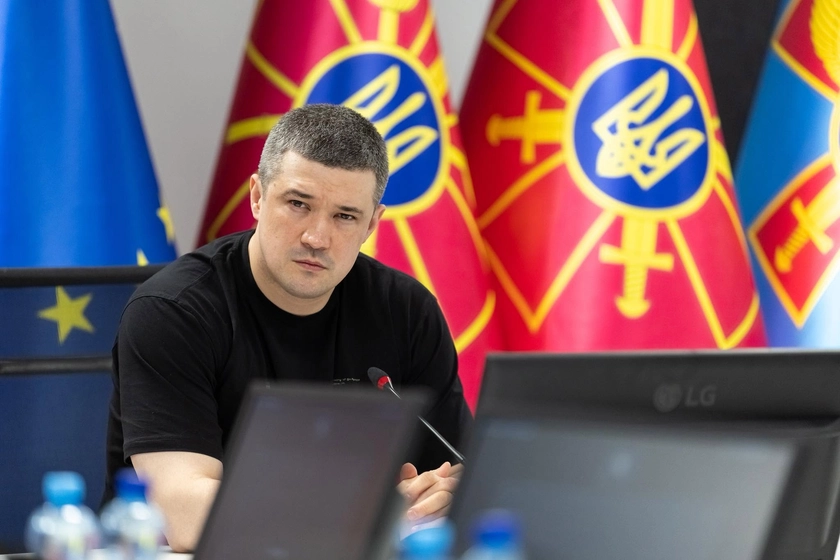
This is, I think, why Fedorov and Syrsky are out of a job, while Drapaty – along with newly appointed acting Defense Minister Yevhen Khmara, a Security Service of Ukraine (SBU) officer of great skill – are in.
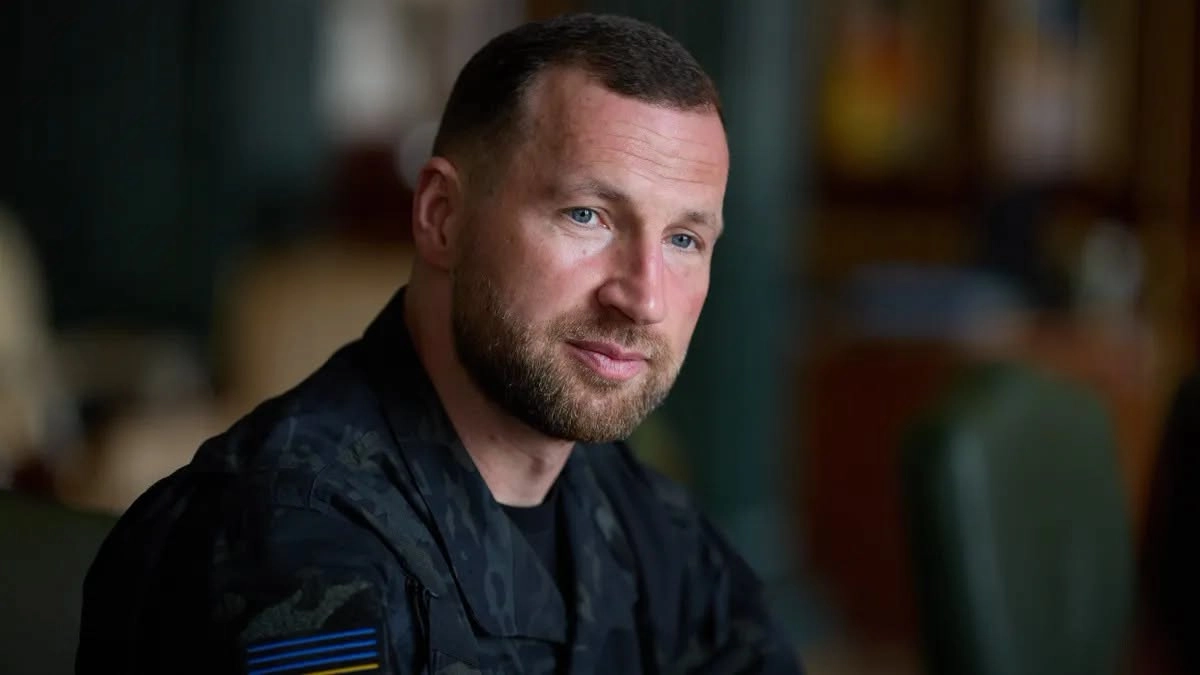
Alongside them is a very experienced combat commander, Ihor Skibiuk, who has led fighting units since 2014, including air assault forces. He raised the 80th Air Assault Brigade, one of the units that broke the Russian offensive south of Izium in May-June 2022. After that came Chasiv Yar, Toretsk, and Kupiansk. He served as Commander of the Air Assault Forces from 2024 and was deputy chief of the General Staff by June 2025. Now he’s set to run the General Staff.
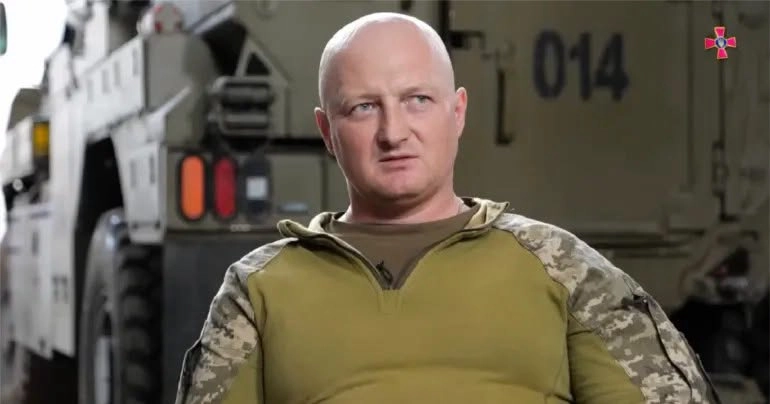
Now Syrsky and Fedorov are out and a more modern and possibly pliable, but in any case younger, military leadership is in: Drapaty, Khmara and Skibiuk are widely being described in Russia as an awful outcome; Syrsky and his staff, although a headache, were considered by Russia easier to fight. Drapaty is getting press in Russia like he’s the new Stepan Bandera.
Zelensky has obtained: A defense minister skilled in special operations, arguably more so than anyone else on the European continent, an army commander who succeeded in command at every level from lieutenant to major general, and an army staff boss who has been part of the team that invented modern drone+assault infantry offensive tactics, and at the same time has taken untested troops and turned them into crack combat units. More than once.
Are we to believe this concentration of talent – and let’s be honest, in terms of conventional war skill and experience these officers are world class – is a personnel management accident and Zelensky had nothing to do with it? That he was just playing cabinet musical chairs so his buddies can steal more money from the Ukrainian taxpayers, and he accidentally put together a military leadership team that is pretty much exactly what the fighting soldiers have been demanding?
Yes, I know it’s fashionable to interpret every personnel move by Zelensky as part of a diabolical scheme to stay president for life and eliminate potential rivals. Still, if Russia mobilizes its reserves in the fall and launches a new wave of offensives, it is not so easy to improve on the Ukrainian military leadership he (and I am sure Head of the Office of the Office of the President Kyrylo Budanov) picked to handle that. The command group led by Syrsky had its problems, and there was in-fighting, but it fought the Russian army to a halt, and there is no denying the eviscerating Russian casualties. The replacement command team is stronger.
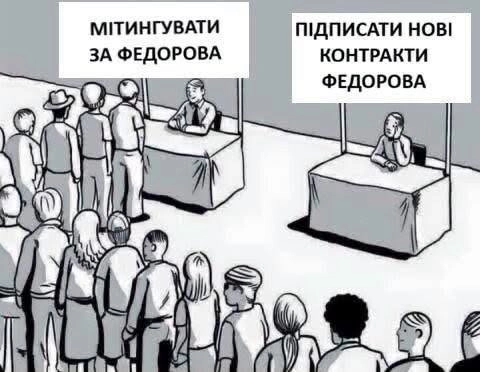
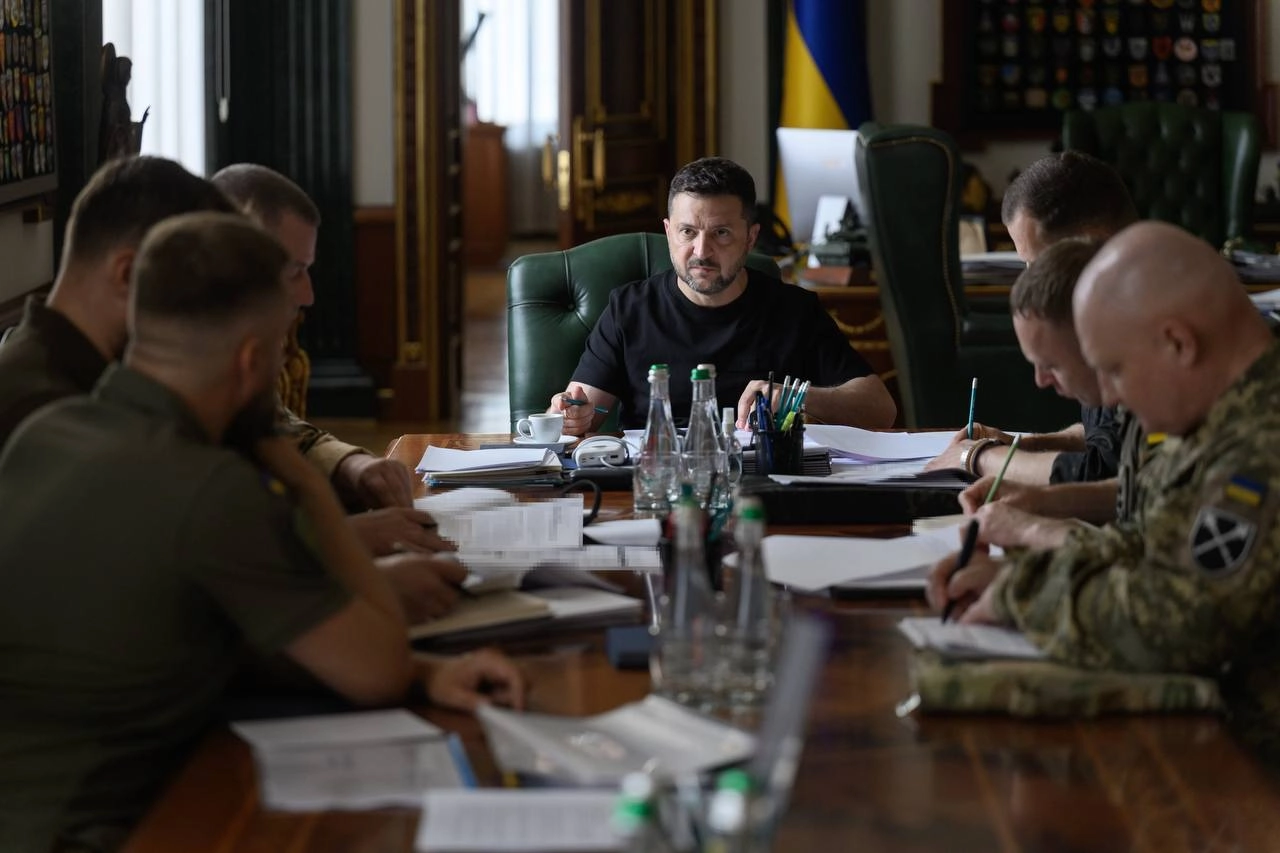
Following Fedorov’s ouster, Zelensky met with every fighting corps commander in the AFU, mostly by Zoom. But he held individual, longer conversations with a few of the most influential ones – Andriy Biletsky (3rd Corps) and Denys Prokopenko (1st Azov Corps). Yes, I know, it’s possible to interpret this as Zelensky nefariously planning to unleash dictatorship using 1st and 3rd Corps as his private army.
Or, just maybe, this was a commander-in-chief getting his ducks in a row – deciding that he, not the military’s career caste system, should be the one picking top commanders during a conventional war. A war that, if lost, would destroy his country’s independence and place its people under the rule of a police state. And a Russian offensive is looming.
I know it’s not cool to suggest it. Apologies.
Whither the AFU, this time?
This section is not news but rather a marker to record where the AFU is at with new bosses taking over the reins, so we can judge what comes next honestly. If you want weekly update stuff and only weekly update stuff, skip ahead.
Even if the Russians do not announce a mass mobilization after this fall’s elections, Drapaty, Khmara, and Skibiuk now face very serious, well-known problems. Syrsky, Fedorov, and the outgoing General Staff chief, the marine Andrii Hnatov, were all capable men – but big problems in the AFU persisted under them, and they failed to fix them.
Probably the most important is recruiting and conscription, which is a widely-acknowledged mess and has been so since the start of the war. Yes, it’s unfair to expect anyone to impose a proper national draft and convince military-age men that service is a patriotic duty, when all the real patriots joined up about two years ago, and now all that’s left are the passive, the tricky, and the draft dodgers. But the nation is at war, and Russia may well announce a new wave of mobilization in the fall. At bottom, if that mobilization comes, it cannot be stopped only with drones, no matter how big a fan guys like Fedorov are of them. Fixing conscription is a Ukrainian national security issue of the first order. Watch this space.
Next, and this is both obvious and being batted around by the Ukrainian military blogosphere as “secret information,” the Ukrainian national leadership has formally acknowledged that its campaign to force Russia to a ceasefire and negotiations by killing Russian soldiers and blowing things up in Russia, though going well, isn’t going to produce the needed result by the end of the year.
So what strategy to follow? Ukraine has the initiative, but now the question is what to do with it? Passive drone wall? Creation of combined arms drone/infantry units that cross the kill zone fast and capture things? Landings on the Arbat Spit? Massed Flamingo strikes against some piece of the Russian economy? Very clearly, the Zelensky administration is looking ahead six months, and its objective is to have a clear plan laid out soon at least until the end of the year, when the impact of the US elections and Russia’s expected attempt to make Kyiv and other Ukrainian cities unlivable in Winter will be dictating events.
An early hint about that plan came on Thursday, with Khmara, the new acting defense minister, stating that Ukraine’s objective will be to “transfer the war to the territory of Russia and…increase strikes with long-range weapons.”
He said priorities are the development of deep strike, middle strike, unmanned and robotic systems, and providing combat units with modern long-range weapons. The goal is technological superiority over Russian forces. If a ground offensive is planned, he didn’t hint at it.
Usually, the Ukrainians tell the truth about their long-term strategy. If Khmara is telling the truth, then Drapaty’s main job in simple terms will be to make the AFU a more efficient buzz saw. This is possible. More than that, remember, not a magician.
Russia bombards Ukraine
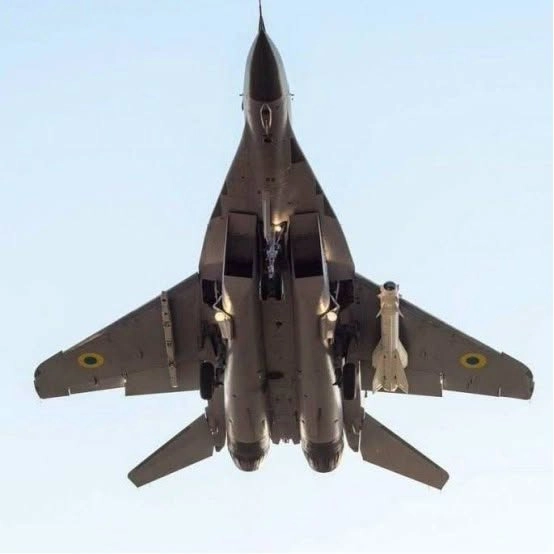
The “massive” retaliation attack for Ukraine’s strikes against the Wildberries warehouses in Moscow and Tambov came overnight Saturday-Sunday (July 25-26), or more exactly the land strike part. In fact, it turned out to be a substantial, but far from overwhelming and crushing attack; it was a big strike, but Kyiv has taken and ridden out worse.
Fire was reported in five city districts. One civilian was killed and 15 injured according to early reports. The death was an 89-year-old woman.
The new wrinkles implemented by the Russians this time were a new record in ballistic and hypersonic missiles fired over a small period, with about 40 impacting in about half an hour, mostly in Kyiv. Also, 10 hypersonic missiles were in the mix, which is twice as many as in most strikes in the past. Finally, no cruise missiles. Launches started at about 1:20 a.m. and by about 2:40 a.m., the air battle and strikes were finished.
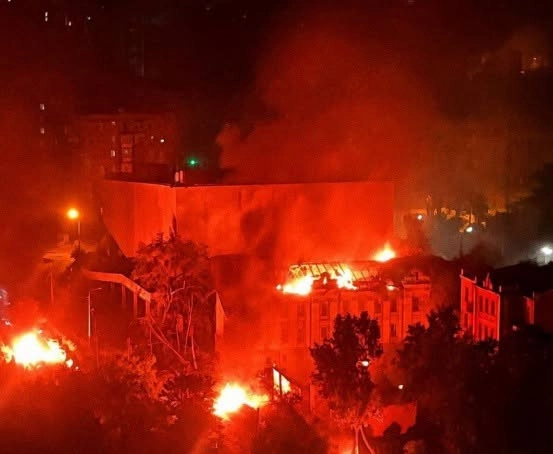
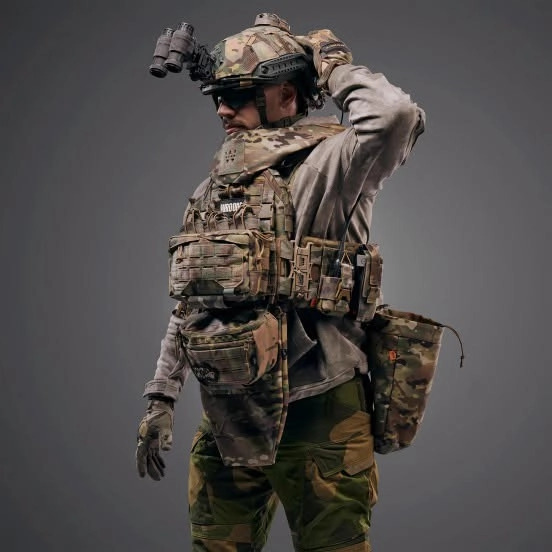
It seems the Russians were, in part, trying to hit the Antonov plant and possibly the Arsenal plant, both of which they’ve targeted with missiles for years. At least one missile struck and destroyed a factory operated by UKRTAC, which makes textile-based military personal equipment – items like ballistic vest carriers, armored vests, backpacks, and hydration packs (“camelbacks”).
UKRTAC’s gear has a strong reputation for price-to-quality ratio. Their top-end ensemble can outfit an assault infantryman for a little under $1,000.
Total for the attack: 41 missiles launched. Stats are below, but in general, some but not all the ballistic missiles were shot down, which is excellent performance and pretty good evidence the Ukrainians received more Patriot missiles. I can confirm multiple launches from a location I was observing (noise woke me up) and one intercept for sure, and probably two. That said, all the hypersonic missiles got through. This is the future air defense problem the West hasn’t even begun to think about.
Once again, the Lukyanivska metro station was hit, and the pedestrian underpass leading to one of the entrances was demolished and buried. Some of you will recall that Russian missiles leveled an adjacent shopping center back in June.
Inside the metro, near the entrance, some of the ceiling tiles and framework collapsed, throwing up a lot of dust. The damage was limited to the surface level near the escalators – nothing below ground was affected.
Somewhat miraculously, the McDonald’s about 20 meters (65.6 feet) away only had a couple of windows blown out, and it was back open for business within a few hours.
I can’t make this up: Within 72 hours of the strike, without exaggeration as the smell of dust and burnt wood still was in the air, the US blogger/thought leader Laura Loomer appeared in Kyiv and, among other peculiar acts, recorded selfies of herself eating a Mac w/ cheese in front of the Lukyanivska metro and the demolished shopping center next to it. She told her followers she had, for the past two years, been the unfortunate victim of evil Russian propaganda; in fact, Ukraine is good, and Russia is bad, she’s very sorry for misleading people.
This is a woman who in 2022 was on the record as declaring Ukraine a Nazi state, praising Russia for invading Ukraine because it is a good thing to kill Nazis, and that the Kyiv government had been murdering ethnic Russians living in east Ukraine.
That was then. On Wednesday we were treated to Loomer, a self-described non-practicing Jew, telling her followers Russian President Vladimir Putin was evil because he had attacked Jesus Christ (and the Madonna) in Kyiv.

After visiting the Lavra, Loomer interviewed Zelensky personally. She threw him a lot of softball questions. He told her Ukraine will beat up on Russia even worse next year.
There is a nasty theory bouncing around the Ukrainian internet that Loomer was contracted to the Kremlin until about June 2026, at which point her contract ran out and the Kremlin decided not to renew, and now either Loomer decided to burnish her creds with her content consumers by switching loyalties to Ukraine, or the Ukrainians picked up her contract since the Russians were no longer paying her.
Loomer said she was in Ukraine on her own initiative in order to bring truth to her followers.
Overnight Sunday-Monday, a Russian missile strike burnt Kyiv’s Kinoglav book warehouse where 250,000 volumes were destroyed. I know very few people care about books being burned these days because very few people read books. Orwell wrote about that – but of course he wrote it in a book, so there are plenty of people who have no idea.
During the day on Friday, the Russians fired two missiles at a “sports complex” north of Kyiv; ten were killed and more than 100 injured. Appeals are going out for blood donations. This was a bad day for some people I know.
Ukraine bombards Russia
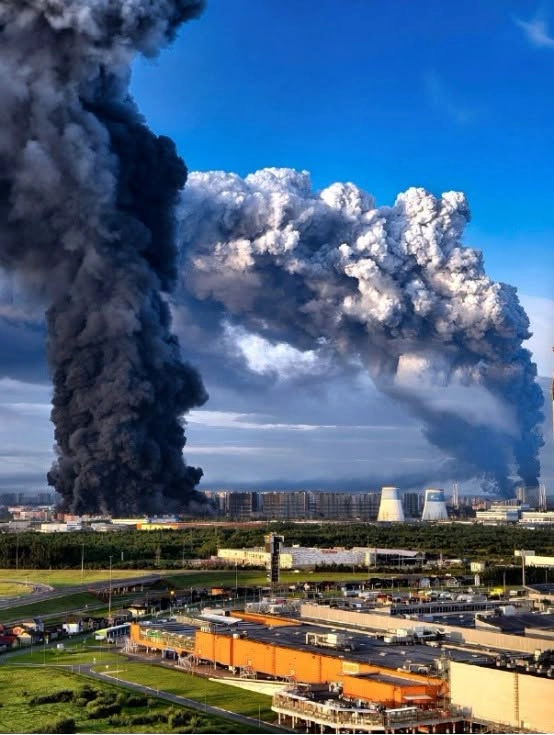
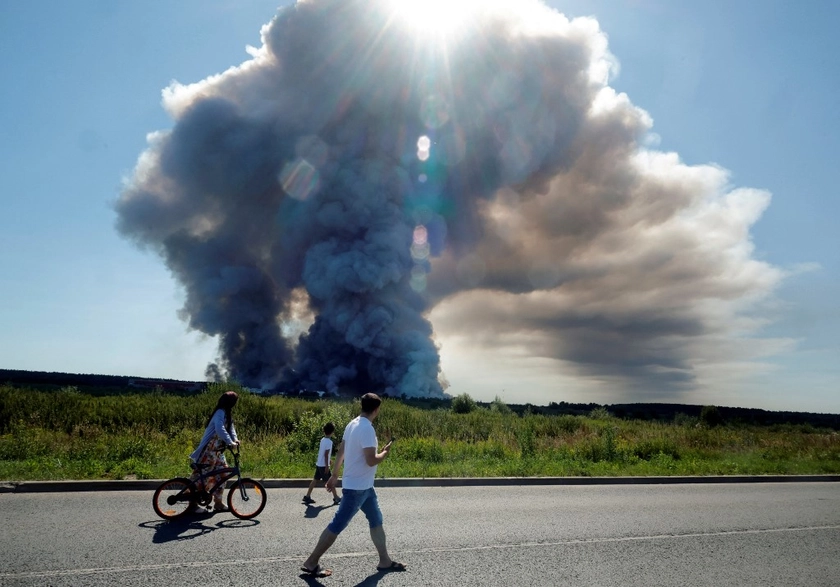
The reports came fast and furious all week; the Ukrainian long-range strike campaign has not let up, and its main news this week is that it expanded targeting to attack Wildberries and a few other monster retail warehouses in western and central Russia. On Friday it was the turn of a pair of warehouses outside St. Petersburg; because of the excellent summer weather and northern light conditions, it produced some of the most striking strike results images of the entire war.
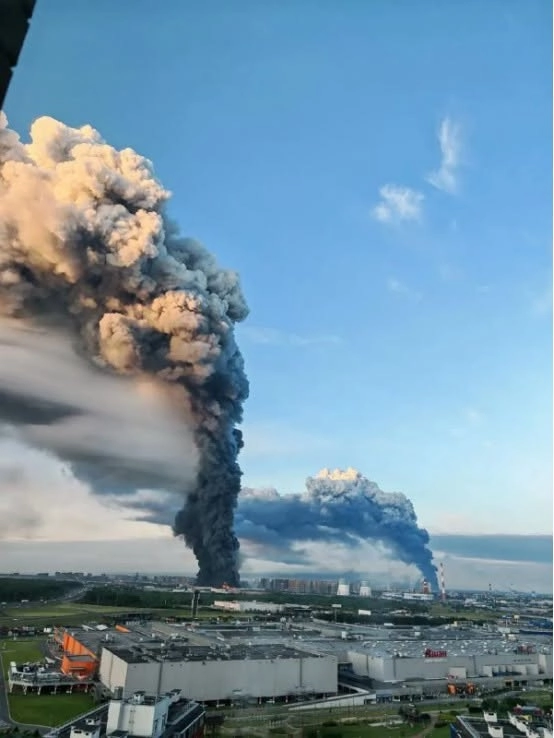
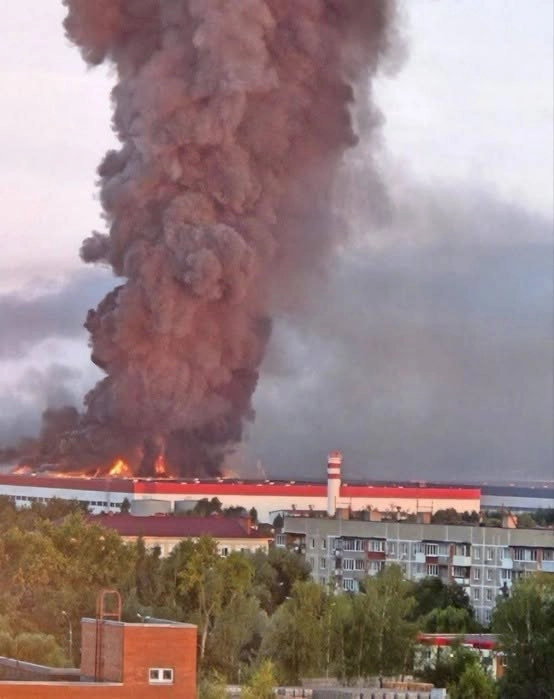
As of Monday, Russian consumer-product losses from the Wildberries strikes were calculated at $1.2 billion. If you know anything about small-scale trading and Russian business practices, though, you’d expect at least half of that figure wasn’t actually destroyed – it was written off on paper and is now flooding second-hand markets from Minsk to Magadan.
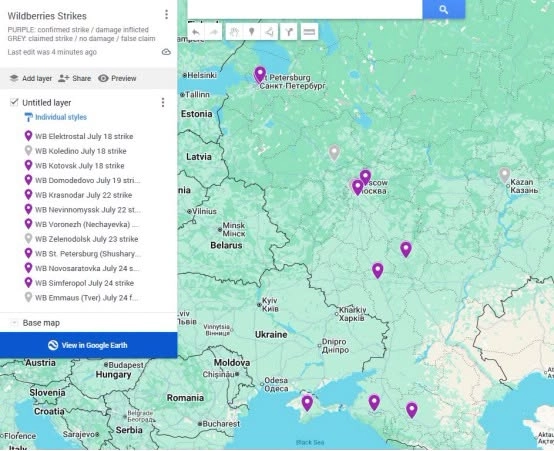
A classic Russian bureaucratic Catch-22 has emerged for the small-scale traders whose stock was partially burnt in a Wildberries warehouse: the Wildberries management has announced it cannot be responsible for the safety of goods stored in the warehouse, but, its loading docks are so jammed that booking a time to receive goods from the warehouse is impossible, so the trader’s goods must stay in the warehouse, and even once they are burnt the traders still must pay for their storage.
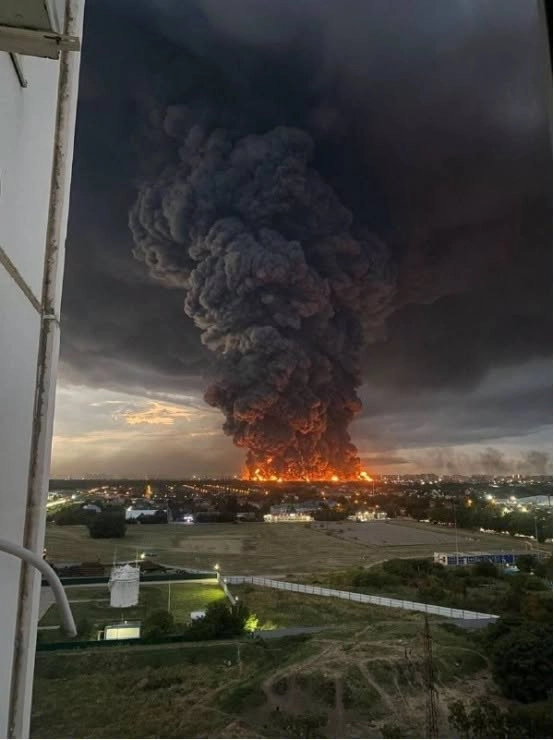
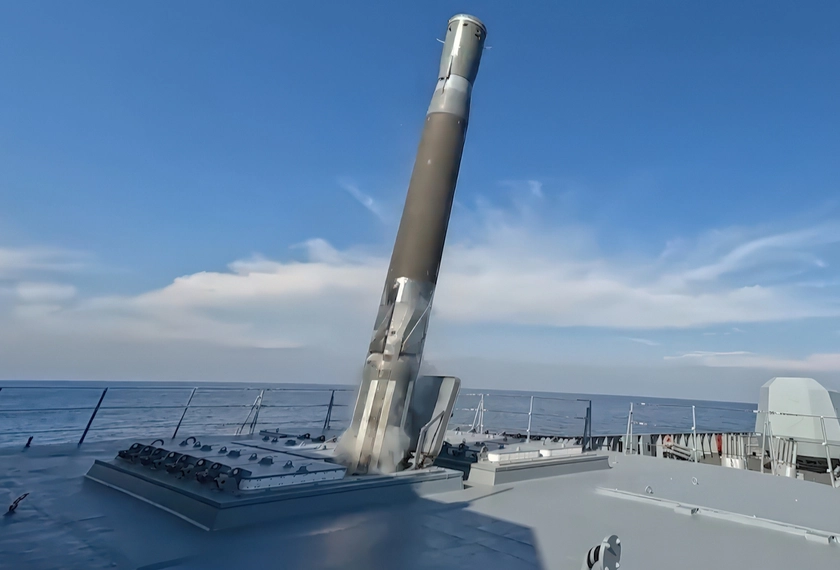
There also was one clear, strategic, military production-targeted strike, a salvo of Flamingo missiles, possibly three, that hit an air defense radar factory in Kirov. Fires and damage reported, but for Russia, the frightening thing is, this is the second Flamingo salvo in as many weeks.
Here’s the unofficial strike list for the week. July 18, you saw last week, but as July 18 continued there was a flood of strike reports; it turned out to have been one of the most damaging days of the war so far. Another 400+ drone raid. Besides the actual damage, a thing to bear in mind is the degree to which Russian air defenses are torn up: for all these attacks to have taken place – and they are confirmed – think about all the Russian airspace they crossed to do it.
A Ukrainian drone struck a Belgorod fuel station Thursday, hitting motorists queued for a rare fuel sale.
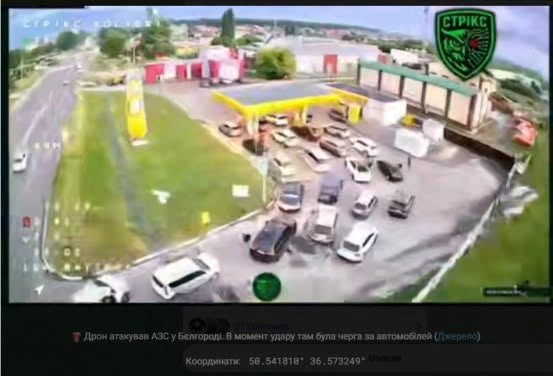
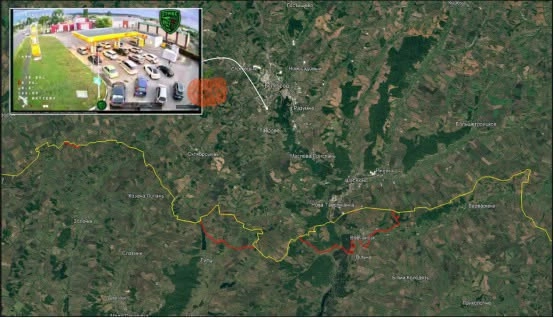
In a drone sense, it’s not really correct to say Ukraine has air superiority over Russia. But in freedom of operation, demonstrably the AFU has achieved that. I wish I had known back in 2022 this was going to happen.
Moscow, Wildberries logistics center, multiple fires, July 18, 2026
Moscow, Noginsk fuel storage base, multiple fires, July 18, 2026
Tambov, Wildberries base Kotovsk, fires, July 18, 2026
Berdyansk, military fuel site, July 18, 2026
Crimea, Sevastopol, Gvardeyskiy airfield, aircraft parking, July 18, 2026
Crimea, Feodosia, main power transformer station, July 18, 2026
Stavropol, Mikhailovsk oil base, fires, July 18, 2026
Crimea, Yalta, power substations, July 18, 2026
Crimea, Sudak, power substation, July 18, 2026
Crimea, Kerch, RR station, fires, July 18, 2026
Crimea, Krasnoperekopsk, RR station, fires, July 18, 2026
Crimea, Sevastopol, military warehouses, fires, July 18, 2026
Crimea, Simferopol, Gvardeyskiy airfield, Shahed launch site, 20 drones, eight (!) hits, July 18, 2026
Moscow region, Lvovskaya oil storage base, July 19, 2026
Moscow, Domodevdovo/Podolsk district, Wildberries warehouse, July 19, 2026
Moscow region, Yuzhnie Vrata logistics park, vic. Belie Stolbi village, major fires, July 19 2026
Moscow region, industrial park Grivno, fires, July 19, 2026
Samara region, Yeysk military airfield, July 19, 2026
Crimea, Yalta, explosions, Darsan mountain, July 19, 2026
Crimea, Alushta, power substation, July 19, 2026
Crimea, Simferopol, PUD logistics center, July 20, 2026
Lipetstk, power station?, major fire, July 21, 2026
Lipetsk, logistics base, major fire, July 21, 2026
Lipetsk, metals factory, UNK, Flamingo missiles? July 21, 2026
Belgorod, power substation, power loss, fires, July 21, 2026
Mariupol, UNK, massive fire that started small, July 21, 2026
Novorossiysk, Kazakh tanker hit while loading, July 21, 2026
Krasnodar, Anapa, probably SEAD, July 21, 2026
Rostov, unknown explosion, July 21, 2026
Luhansk, troop quarters, explosion, July 21, 2026
St. Petersburg, Ladoga industrial park, major fire, possibly not drones, July 21, 2026
Crimea, Yalta, power substations, July 2022, 2026
Crimea, Alushta, power substations, July 22, 2026
Stavropol Krai, Nevynnomyssk, Wildberries warehouse, giant fires, July 22, 2026
Krasnodar region, Armavir, oil storage and processing facility, big fire, July 22, 2026
Voronezh, Wildberries warehouse, fires, July 23, 2026
Ulyanovsk, Novospasskiy region, NS-Oil refinery, July 23, 2026
Bashkorstan, Tuimazi, Transneft-Ural oil terminal, July 23, 2026
Crimea, Feodosia, power substation, July 23, 2026
St. Petersburg, Shushary Wildberries warehouse, July 24, 2026
St. Petersburg, Ozon warehouse, July 24, 2026
Tver, warehouse, July 24, 2026
Simferopol, warehouse, July 24, 2026
Kirov, Avitek factory, air defense radars and ejection seats, Flamingos, fires, July 24, 2026
Kirov, power substation, same neighborhood, fire, July 24, 2026
The Ukrainian internet is having a field day publishing images of burning refineries and Wildberries warehouses and poking fun at local Russian officials’ sticking to the party line and pretending all the fire and explosions were just an industrial accident, and all the Ukrainian drones were shot down. I saw a good one from Lipetsk.
“Lipetsk, Russian Federation. Operators reported limited problems at the Lipetsk thermal power plant after some precision-guided drone debris hit the premises.”
Middle-Strike and particularly Operation МоЛоЧКа/MoLoChKa
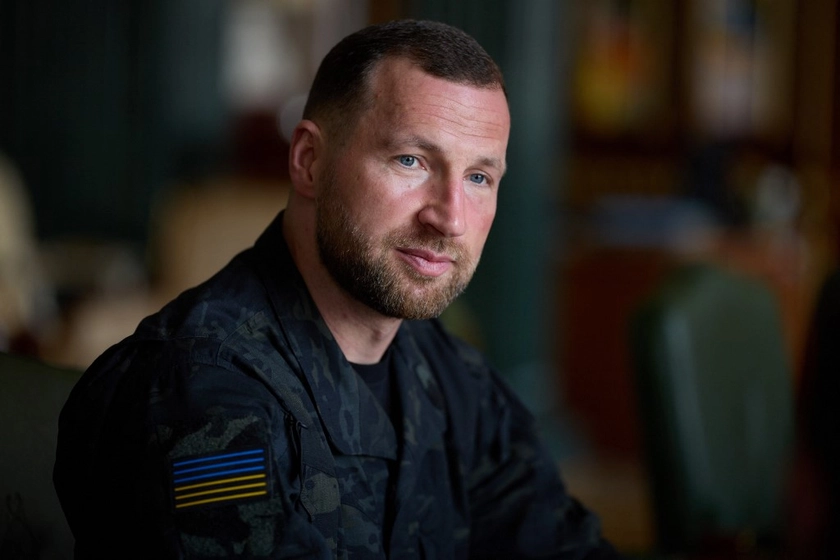
Unmanned Systems Forces (USF) Commander Robert Brovdi says the acronym for the operation МоЛоЧКа (Molochka – a diminutive meaning more or less “a bit of milk”) against shipping in the Azov and NE Back Sea is a big secret, for fun.
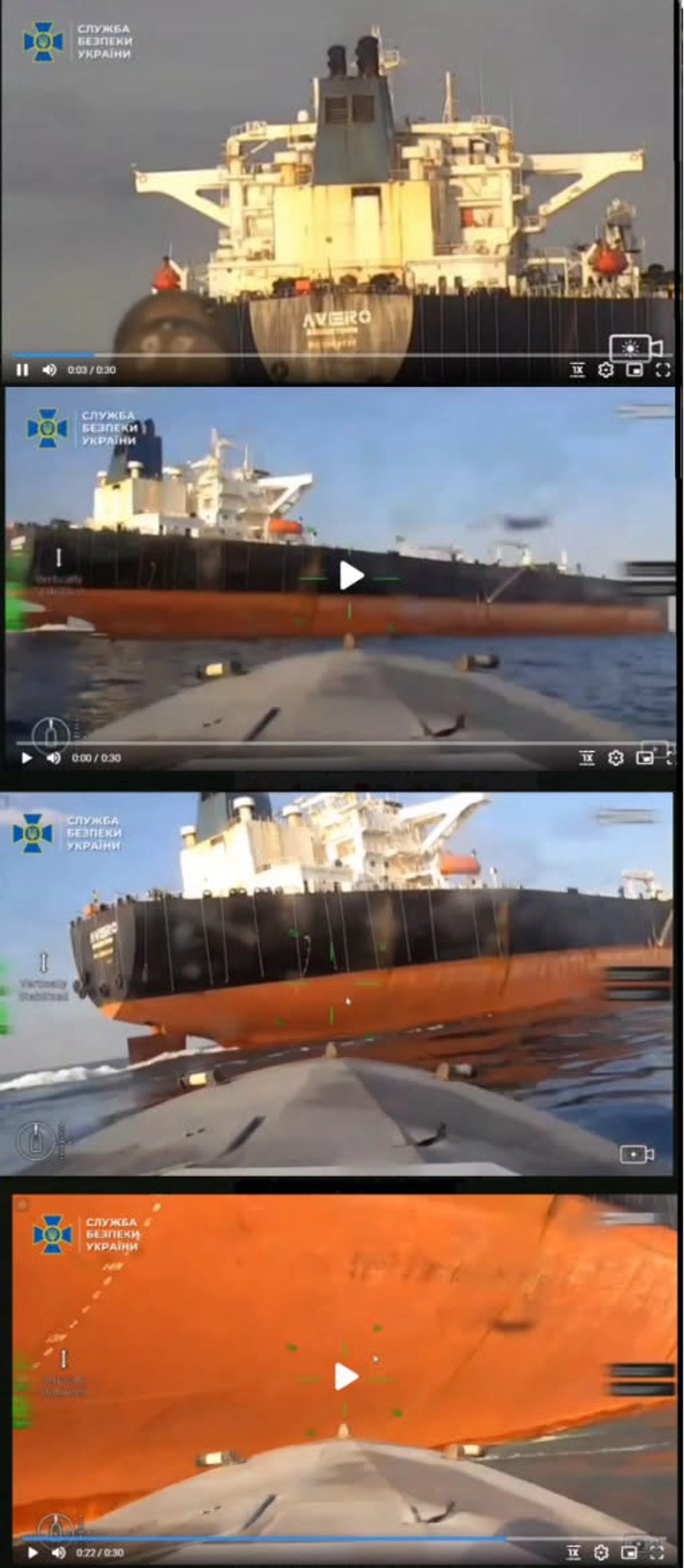
Therefore, for fun, here is my official guessed decode of Brovdi’s secret acronym: “Морська Логістика Чорного моря та Крим.” I bet someone reading this knows if that’s right. There are a couple of other possibilities, but I think that’s the best fit.
As to Brovdi’s middle-strike operations for the week, on the Molochka/maritime front the news for Russia was bad to disastrous. I know this sounds like rah rah Ukraine, but really, this is like reporting on the Imperial Japanese Navy’s operations in the first half of 1941; every success seems to have two other successes competing with it.
According to USF sources, drone operations over the Sea of Azov and the northern Black Sea have cut all ship movements in half and ferry traffic between Crimea and the Russian mainland by 75%. We have heard about these vessels before, but as of Wednesday this situation was five ferries total as of June 1. Now two of them, Yeysk and SKS one have been destroyed or so badly damaged they cannot return to service. A third ferry, Maria, is disabled and although technically reparable she can’t move and so is much more likely to be battered into scrap in follow-up strikes.
There are two ferries currently operating between Crimea and Russia: the “Lavrenty” and “Panagia.” Due to engine damage, they are not self-propelled and are moved by tugboats. In this mode, they have only half their normal carrying capacity.
As a result, June 1, four ferries could normally carry 180-250 “units of transport” (roughly, the equivalent of a 20-foot container) per day. As of now, the capacity is about 35-50.
According to satellite imagery, the Kerch roads have been just about emptied of ships, with most vessels fleeing to the Don River and upstream to the city of Rostov, where residents are irate because dozens of oil tankers have just anchored in the river running through the city, which uses Don water and whose residents often take summer dips from Don beaches. As a result of the tight anchorage, regular ship traffic upstream and downstream from Rostov reportedly stopped. A recent satellite photo showed 32 vessels, most tankers, in the middle of the city.
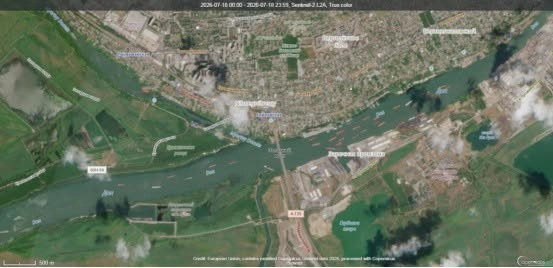
The last published numbers on cargo/tanker ships it, dated to July 18, are: 172 Russian vessels between July 6 and July 18, 118 vessels in the Sea of Azov, and 54 vessels in the Black Sea. I have not seen reports of drone strikes against ships in Rostov.
On Thursday, a stat emerged via the USF 1st Center unit: Since early June, when the USF started going after Russian semi-trucks moving to and from Crimea, more than 1,000 trucks have been hit and either burnt or destroyed.
On the Crimea electricity front, the two-to-three-day outages centered on Armyansk and Perekop spread further this week. Reports now describe day-long or longer black- and brown-outs in central Crimea outside Simferopol, as well as along the resort coast in Yalta and Alushta.
By my estimate, the number of substations hit across Crimea in the past three weeks is now well over 50. This looks like a concerted Ukrainian effort to demolish Crimea’s power grid before winter.
According to fresh USF data as of early Friday morning, July 24, USF pilots hit 19 energy nodes in just the past 48 hours, 17 of them in Crimea. From July 1–24, the total climbs to 36 energy targets across the peninsula – Yalta, Gurzuf, Feodosia, Yevpatoriya, Sudak, Simferopol, Armyansk, Perekop, Bakhchysarai, and others. The grid across the whole peninsula is being cut to pieces.
The chatter on the USF unit channels and from Brovdi himself is without exception positive and upbeat. Although I can say I’ve watched the strikes, the video jibes with the reports from Russia, which jibe with the Ukrainian mil-bloggers, which jibe with the USF unit information feeds – the picture is an air operation well in progress, and the participants seem quite confident they are winning.
Brovdi, in some recently published commentary, said that Ukraine is going to win, Russia will be ejected from Crimea because of what his aircraft and pilots are doing, and Russia can’t stop. He said that Russia’s big error was going to war against Ukraine rather than with Ukraine on its side, and claimed Russia never won a war without Ukrainian assistance.
Polish-American strategist Zbigniew Brzezinski is credited in his 1997 book “The Grand Chessboard” with writing, “Without Ukraine, Russia ceases to be a Eurasian empire.” Now we have an ethnic Hungarian-Ukrainian – Brovdi – predicting that Russia cannot win a war against even a small neighbor if that neighbor has allies and Russia doesn’t have Ukraine on its side. Bold words. But the man has a record for delivering on promises.

Reprinted from Kyiv Post’s Special Military Correspondent Stefan Korshak’s blog. You can read his blog here.
The views expressed in this opinion article are the author’s and not necessarily those of Kyiv Post.
You can also highlight the text and press Ctrl + Enter