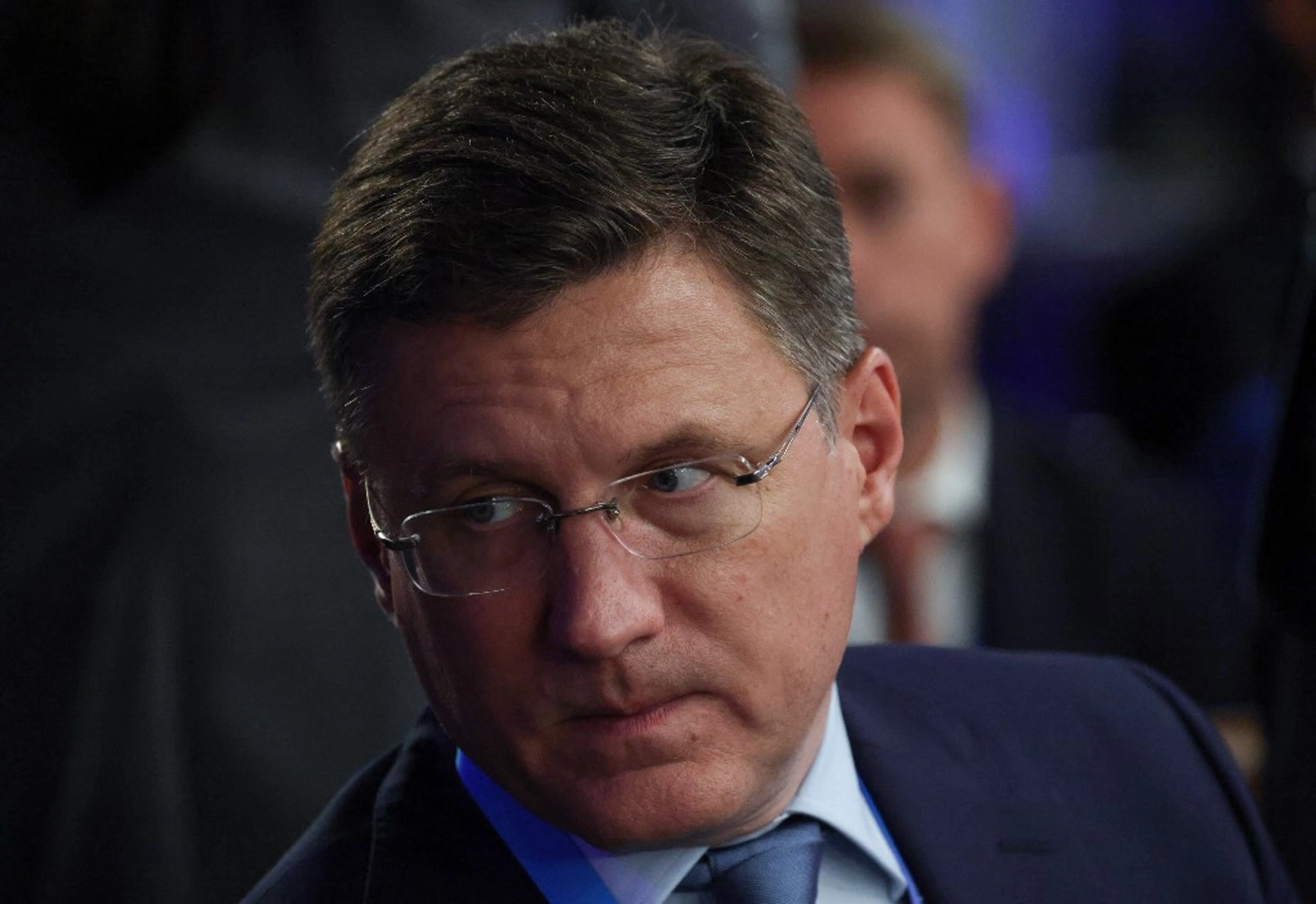
Alexander Novak, Russia’s deputy prime minister and formerly energy minister, claimed on Saturday that the ongoing fuel crisis in Russia is easing.
Novak claimed that “a number of oil refineries” are back online, according to Russia’s Interfax news agency on Monday.
JOIN US ON TELEGRAM
Follow our coverage of the war on the @Kyivpost_official.
“The situation is gradually stabilizing; a number of oil refineries became operational again. The balance is better now, and the situation at fuel filling stations has considerably improved,” Novak told reporters.
“Including when it comes to supplying agricultural producers. The Northern Delivery is fully secured,” he added.
He said that despite the visibly strained supplies “in some regions” far from Moscow, Russian oil giants are “providing all necessary volumes” to sustain the fuel demands.
“Oil companies are providing all necessary volumes. The situation remains quite tense in some regions, especially in some regions in Siberia,” he continued.
“We are effectively resolving issues of fuel supply manually at the federal headquarters with regions and companies,” he added.
Novak made similar comments a few days prior, according to The Moscow Times.
Novak did not provide figures to sustain his claims.
According to independent Russian outlet Astra on Tuesday, Russia’s Omsk region – home to the country’s largest refinery for domestic output – became the first to lift a retail fuel ban, while the Altai region in Siberia tightened the rules to restrict refueling to once every 24 hours.
Zelensky Won’t Bring Fedorov Back Despite Protests, Insiders Say
Ongoing fuel crisis
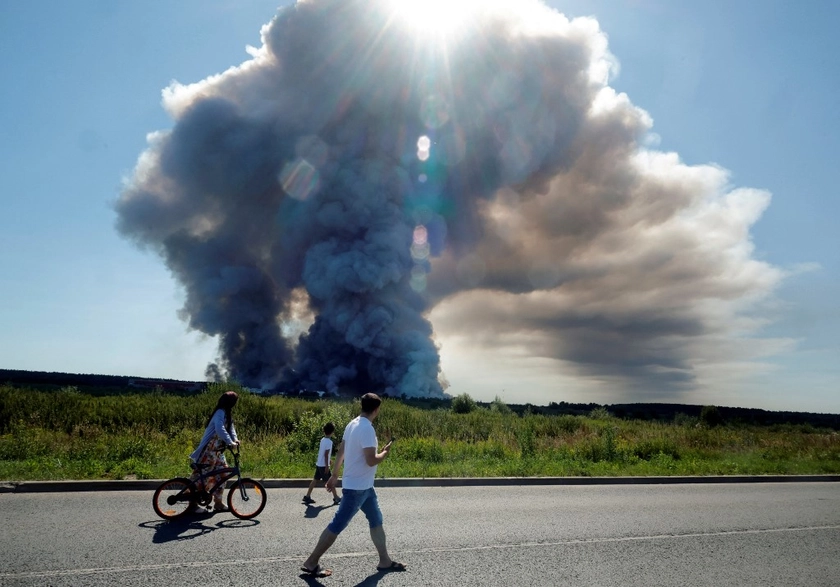
Russia has been grappling with a nationwide fuel shortage after Ukraine targeted all major refineries in the country in recent months.
By early July, the Ukrainian General Staff estimated that 43 percent of Russia’s refining capacity was knocked offline, while later monitoring data suggest it slumped to its lowest level in 21 years, at 3.91 million barrels per day.
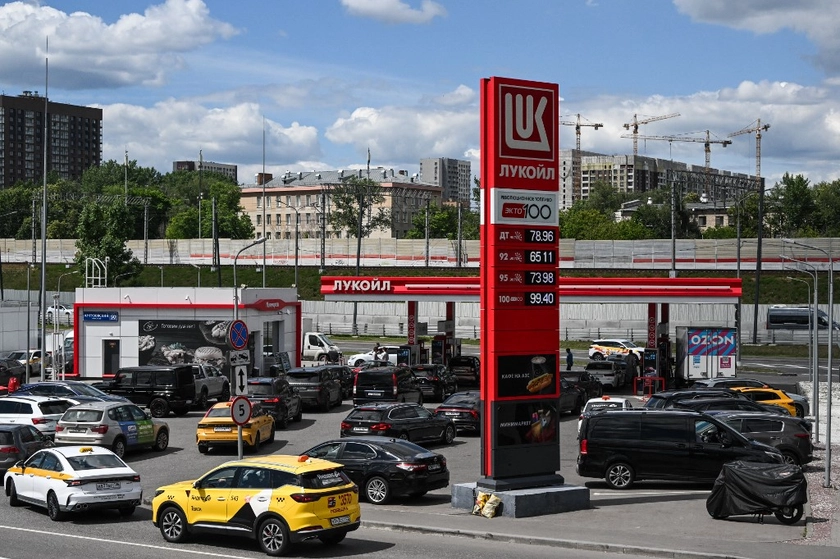
Car queues could be seen across the country – particularly in Siberian regions – outside gas stations amid nationally imposed fuel rationing, with law enforcement and teachers deployed in some cases to quell occasional disputes.
As a result of the crisis, Russia – the world’s third-largest fossil fuel producer – has banned exports of gasoline starting in April, of jet fuel starting June 1, and of diesel starting July 8, while importing gasoline from India, Kazakhstan and Belarus.
But the total imports likely fall short of the estimated 3 million tons per month of consumption in Russia.
Reuters, citing “one of the sources with knowledge of the matter,” reported in mid-July that nearly 40% of Russia’s refining capacity is unlikely to return in the next two months even if no new Ukrainian strikes are recorded.
You can also highlight the text and press Ctrl + Enter