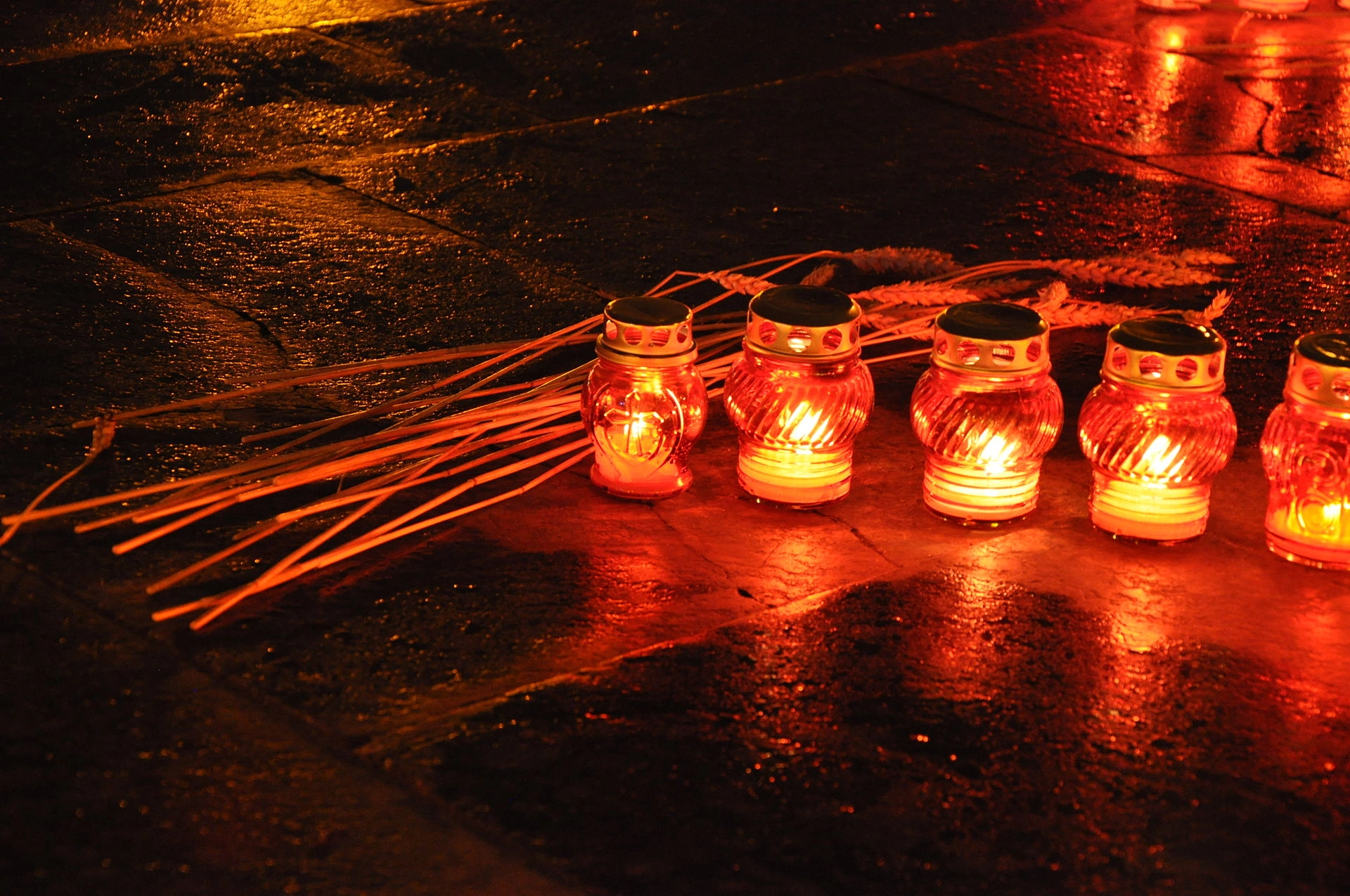
The Parliamentary Assembly of the Council of Europe on Thursday, Oct. 12 recognised the 1930s starvation of millions in Ukraine under Soviet leader Joseph Stalin a "genocide".
The text was voted through almost unanimously with 73 votes in favour and one against at the meeting in Strasbourg, which followed a similar resolution approved by the European Parliament in December last year.
JOIN US ON TELEGRAM
Follow our coverage of the war on the @Kyivpost_official.
The 1932-33 "Holodomor" -- Ukrainian for "death by starvation" -- is regarded by Kyiv as a deliberate act of genocide by Stalin's regime with the intention of wiping out the peasantry.
Stalin's campaign of forced "collectivisation" seized grain and other foodstuffs and left millions to starve.
Kyiv has urged the international community to officially declare the starvation "genocide" as Ukraine confronts Moscow's modern-day aggression following the Russian invasion last year.
Such moves draw ire from Russia, where officials have increasingly sought to rehabilitate Stalin's image under President Vladimir Putin.
Ukrainian President Volodymyr Zelensky posted on X, formerly Twitter, that he was "grateful" for the move.
Я вдячний ПАРЄ за визнання Голодомору 1932–1933 років геноцидом українського народу. Відновлення історичної справедливості та вшанування пам’яті жертв Голодомору надсилає чіткий сигнал: справедливе покарання за всі минулі та нинішні злочини Москви неминуче.
— Volodymyr Zelenskyy / Володимир Зеленський (@ZelenskyyUa) October 12, 2023
"Restoring historical justice and paying tribute to Holodomor victims sends a message that justice is inevitable for all past and present Moscow's crimes," he wrote.
The European Parliament approved a resolution declaring the famine as "genocide" in December 2022.
German lawmakers also passed a resolution declaring the famine a genocide last year, with similar moves made by the French parliament and the Italian Senate.
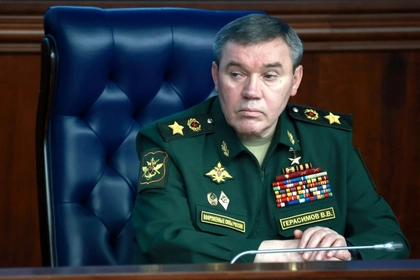
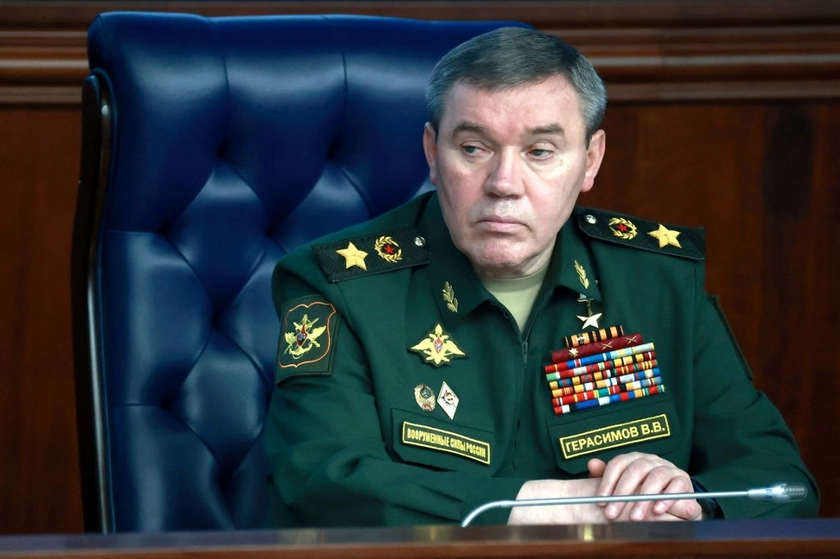
SBU Opens Criminal Case Against Russian General Staff Chief Gerasimov
The Holodomor has long been a major sticking point in ties between Russia and Ukraine.
Moscow rejects Kyiv's account, placing the events in the broader context of famines that devastated regions of Central Asia and Russia.
The current conflict has fuelled fears that history may repeat itself. Russia's targeting of grain storage facilities and its blockade of Ukraine's Black Sea exports have sparked accusations that Moscow is using food as a weapon of war.
The Council of Europe, which comprises 46 member states, was set up to monitor and uphold human rights in Europe.
You can also highlight the text and press Ctrl + Enter