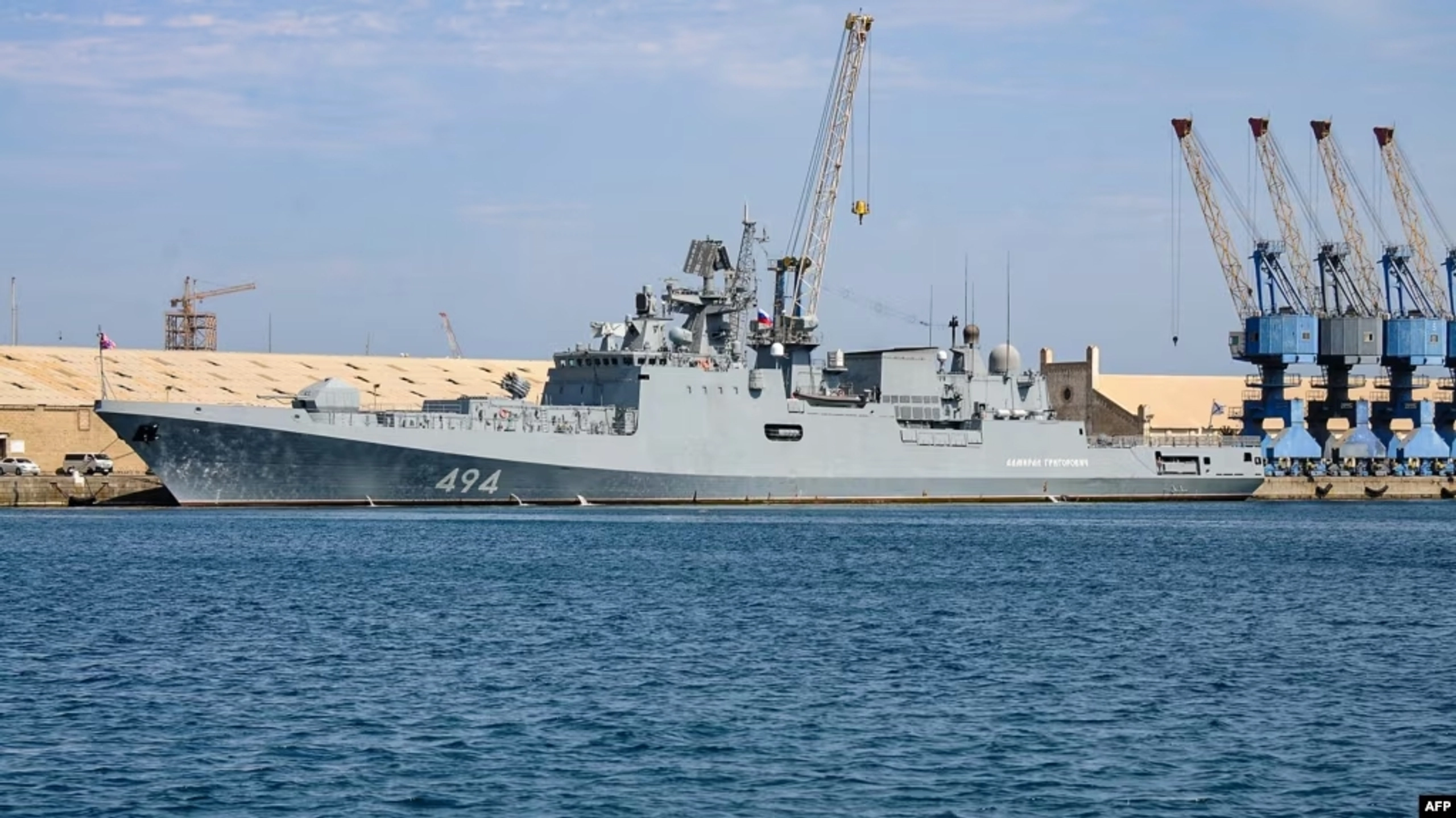
In April 2023 a war broke out in Sudan between the National Army and the Rapid Support Forces (RSF) militia, its impact has been devasting on so many levels, millions were displaced and thousands were killed. But this war is fueled by many external actors seeking to advance their agendas in the country.
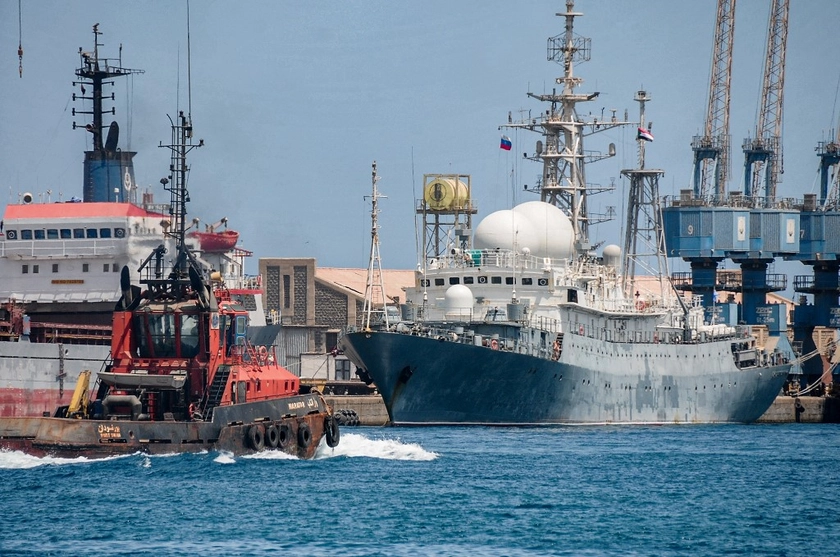
Recently Russia almost secured an agreement to build a naval base on Red Sea east of Sudan. The West should prevent this step as it will pose a serious threat to the regional interests and the stability of world trade in Red Sea area.
JOIN US ON TELEGRAM
Follow our coverage of the war on the @Kyivpost_official.
For many years, Russia maintained strong military and economic relations with Sudan. For instance, according to published data on arms transfer, during the 2003-207 period Russia supplied 87 percent of Sudan’s major conventional weapons, Russia has also, through front companies, plundered Sudanese gold to fund its war in Ukraine. At the outset of the ongoing war, the Wagner group reportedly supported the RSF militia with arms from Libya.
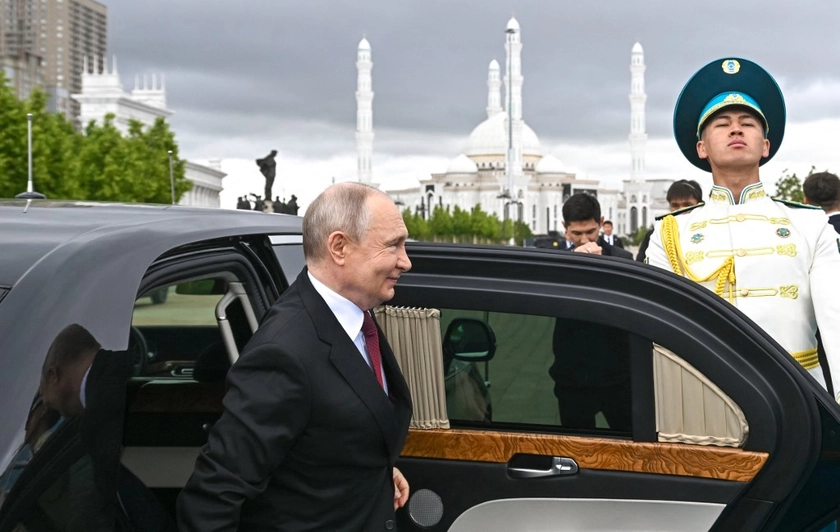
The history of the Russian attempt to build its naval base in Sudan has always been in the stage of negotiation. For instance, it began with an agreement in 2017 between the deposed Sudanese president Omar El-Bashir and Putin. In December 2021, Sudanese lawmakers declared that a naval base was set to be under review.
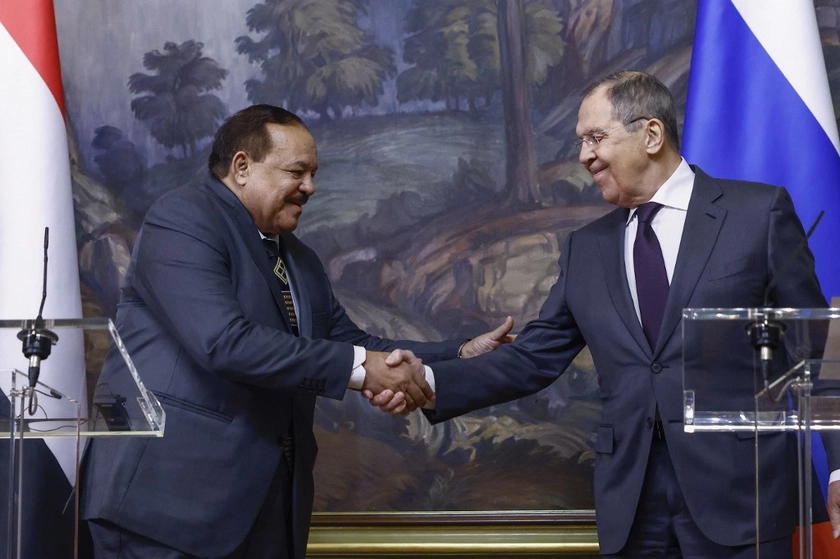
Recently, the negotiation between the two countries progressed to an advanced level. In February 2025, the Sudanese foreign minister said that there were no obstacles to moving on with the naval base, but no final agreement was signed.
‘Cognitive Informational Warfare’: Scientist Speaks Out on Russian Propaganda
The implications of building the Russian naval base will be severe; this unique location on the Red Sea will provide Putin with a strong foothold to project power and threaten global trade that traverses an area crucial for 30 percent of the world’s shipping containers. Conceivably, this could become an ideal pressure card that Russia could use ruthlessly against European nations.
Moreover, Russia could also utilize what would be its first African naval base to transfer mercenaries and smuggle gold from the continent to finance its unjust war against Ukraine.
Western countries, such as the United States, have already voiced their concerns about the establishment of the Russian naval base, for instance, In September 2022, John Godfrey, the US ambassador to Sudan, while acknowledging the sovereign right of Sudan to partner with other countries, also warned that such a move would isolate Sudan from the international community.
The West, however, should address this issue holistically and place it within the context of the ongoing war. It’s obvious that the Sudanese Armed Forces (SAF) leadership is in dire need of arms supply and political support internationally. Russia has understood this need and bid its offer accordingly.
The West should simultaneously provide incentives to the SAF by pressuring it to end the war and hence stop Russia’s gradual intervention in the country. Ideally, this could happen by leaning on its ally, the United Arab Emirates, to stop backing the RSF militia.
Earlier, Sudan had already shown flexibility in its stance regarding the naval base and has signaled its understanding to Western interests. In December 2024, Sudanese officials announced they would not host the naval base, fearing it would cause a negative reaction from the West.
The views expressed in this opinion article are the author’s and not necessarily those of Kyiv Post.
You can also highlight the text and press Ctrl + Enter

Putin’s Worst Nightmare