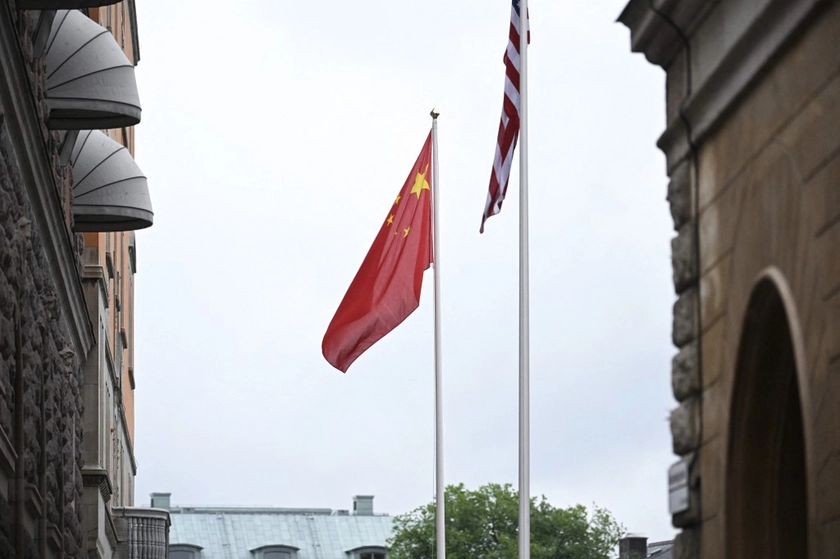
US authorities have banned government employees working in China, their family members, and contractors with security clearance from having romantic or sexual relationships with Chinese citizens, sources told The Associated Press on Wednesday, April 2.
The ruling, which took effect in January, was introduced by the US Ambassador to China Nicholas Burns before he left his post. Officials were informed through verbal briefings and emails, but the policy was not publicly announced. It remains unclear how the US government defines “romantic or sexual relations” in this context.
JOIN US ON TELEGRAM
Follow our coverage of the war on the @Kyivpost_official.
Security experts warn that China has long used “honey traps” – romantic or sexual relationships aimed at extracting intelligence from compromised officials. US personnel assigned to China receive briefings on the dangers, including real-life examples of Chinese intelligence operations that have targeted diplomats.
The ban applies to all US diplomatic missions in China, including the embassy in Beijing and consulates in Guangzhou, Shanghai, Shenyang, Wuhan, and Hong Kong. However, it does not extend to US personnel working outside China.
Officials currently in relationships with Chinese citizens can request an exemption. If denied, they must either end the relationship or leave their post. Those who violate the rule will be required to leave China immediately, sources said.
This move follows a 2024 restriction that barred US staff in China from dating or engaging in relationships with Chinese citizens working in security or support roles at US diplomatic facilities.

Germany, Netherlands to Take Command of NATO’s Eastern Flank in Estonia
The US State Department declined to comment on the matter, while the National Security Council referred questions back to the department. Former Ambassador Burns did not respond to an AP inquiry.
Historically, the US enforced strict non-fraternization policies during the Cold War, barring its officials employed in the Soviet Union, China, and Warsaw Pact countries from forming personal relationships with locals.
These rules were relaxed after the USSR collapsed in 1991, with no similar policy having been publicly reported since then.
You can also highlight the text and press Ctrl + Enter