US Commerce Secretary Howard Lutnick said US President Donald Trump’s tariffs imposed on uninhabited regions, including those occupied only by penguins, are meant to prevent companies from bypassing the tariffs.
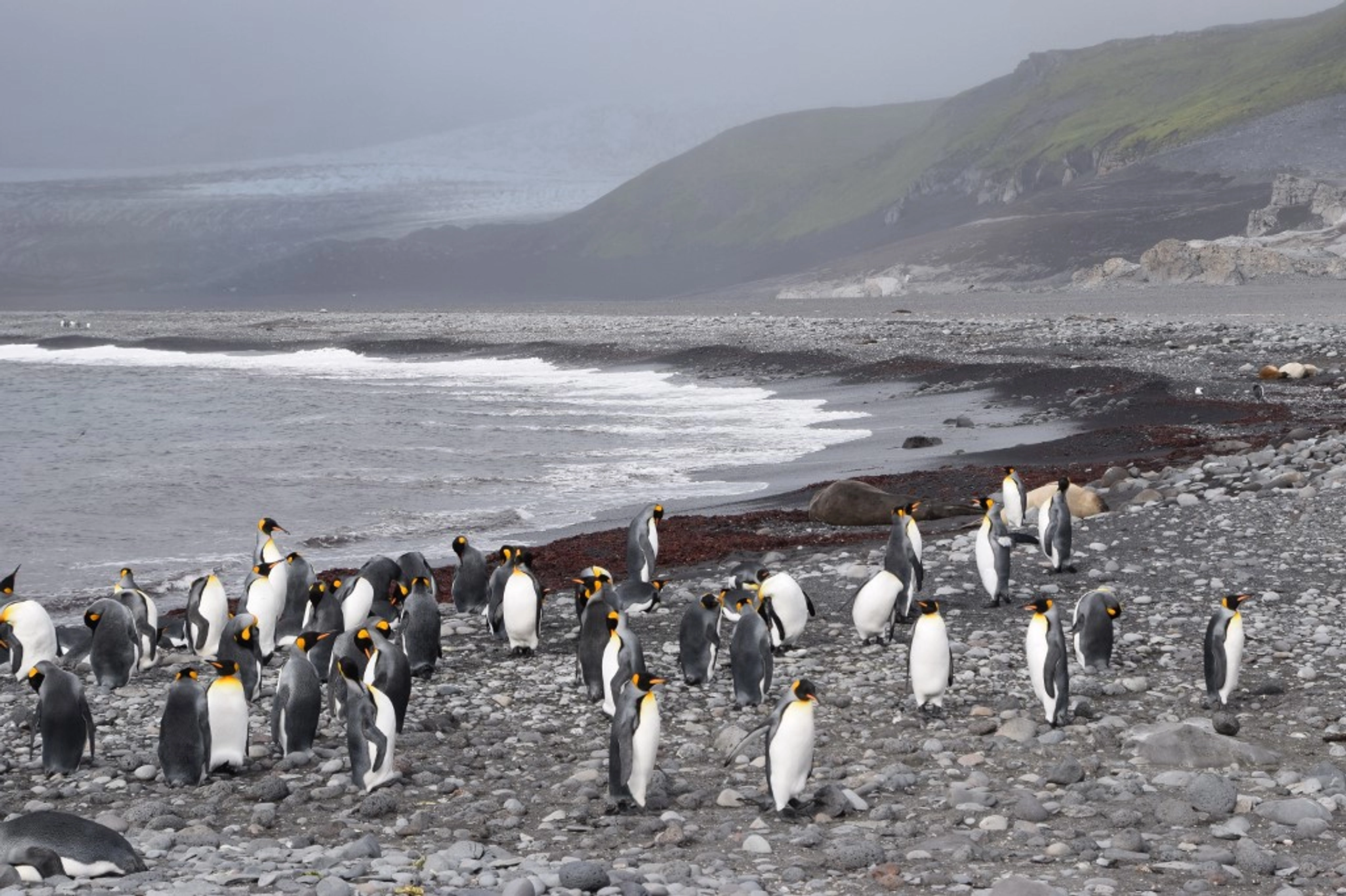
Lutnick’s comments followed Trump’s so-called Liberation Day, where he imposed a minimum 10% tariff on most countries in the world, including Australia’s uninhabited, penguin-filled Heard and McDonald Islands – whose last recorded human visit was nearly a decade ago.
JOIN US ON TELEGRAM
Follow our coverage of the war on the @Kyivpost_official.
The White House said the islands are subject to tariffs because they are part of Australia, which is also facing a 10% duty.
Speaking to CBS News’s Face the Nation with Margaret Brennan in an interview aired on Sunday, April 6, Lutnick said the idea behind the tariffs on the island “is that there are no countries left off.”
“What happens is, if you leave anything off the list, the countries that try to basically arbitrage America go through those countries to us,” Lutnick said, citing China’s attempt to bypass US tariffs in 2018 as an example.
“We had tariffs, the president put tariffs on China, right, in 2018, and then what China started doing is they started going through other countries to America,” Lutnick continued.
“They just built through other countries, through America. And so, the president knows that, he’s tired of it, and he’s going to fix that. So basically he said, ‘Look, I can’t let any part of the world be a place where China or other countries can ship through them,’” he added.

US Congress Can Make Russia Pay for Its War Crimes
Lutnick then reiterated Trump’s desire to bring production back to US soil via tariffs by forcing companies to set up operations in the US if they wish to retain their US market.
Lutnick’s argument remains questionable – seeing how penguins are likely incapable of carrying out the operations needed for companies to bypass the tariffs.
Theoretically, one of the ways for companies to legally bypass tariffs is to relocate sourcing and production – at least partially – to more favorable regions. However, this is not possible on remote islands with no supporting infrastructure and only inhabited by penguins.
NPR named three primary legal methods to bypass tariffs in its March 7 report, none of which can be applied to the Heard and McDonald Islands.
Even more, trans-shipments – goods that are routed via other nations to disguise their origins – generally do not satisfy the requirements of altering a product’s origin.
For example, a generator made in China, exported to Vietnam, then sold to the US, would still be considered made in China unless substantial changes were made to the product in Vietnam. Alternatively, the paperwork could be illegally falsified, which would be considered customs fraud.
While the method has been used by companies to disguise an item’s origin and bypass tariffs, they cannot do so via the Heard and McDonald Islands since there are no commercial ports available to hypothetically receive the shipments.
Also, experts have confirmed that penguins do not operate logistics companies.
You can also highlight the text and press Ctrl + Enter