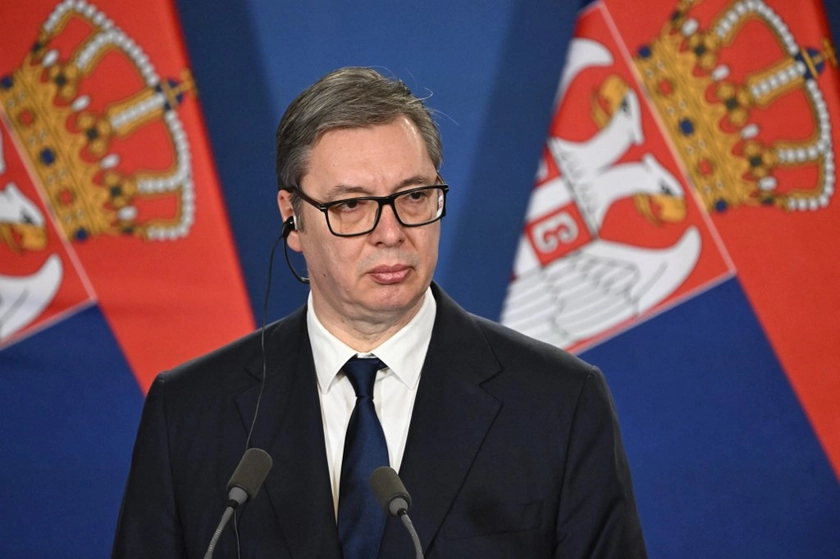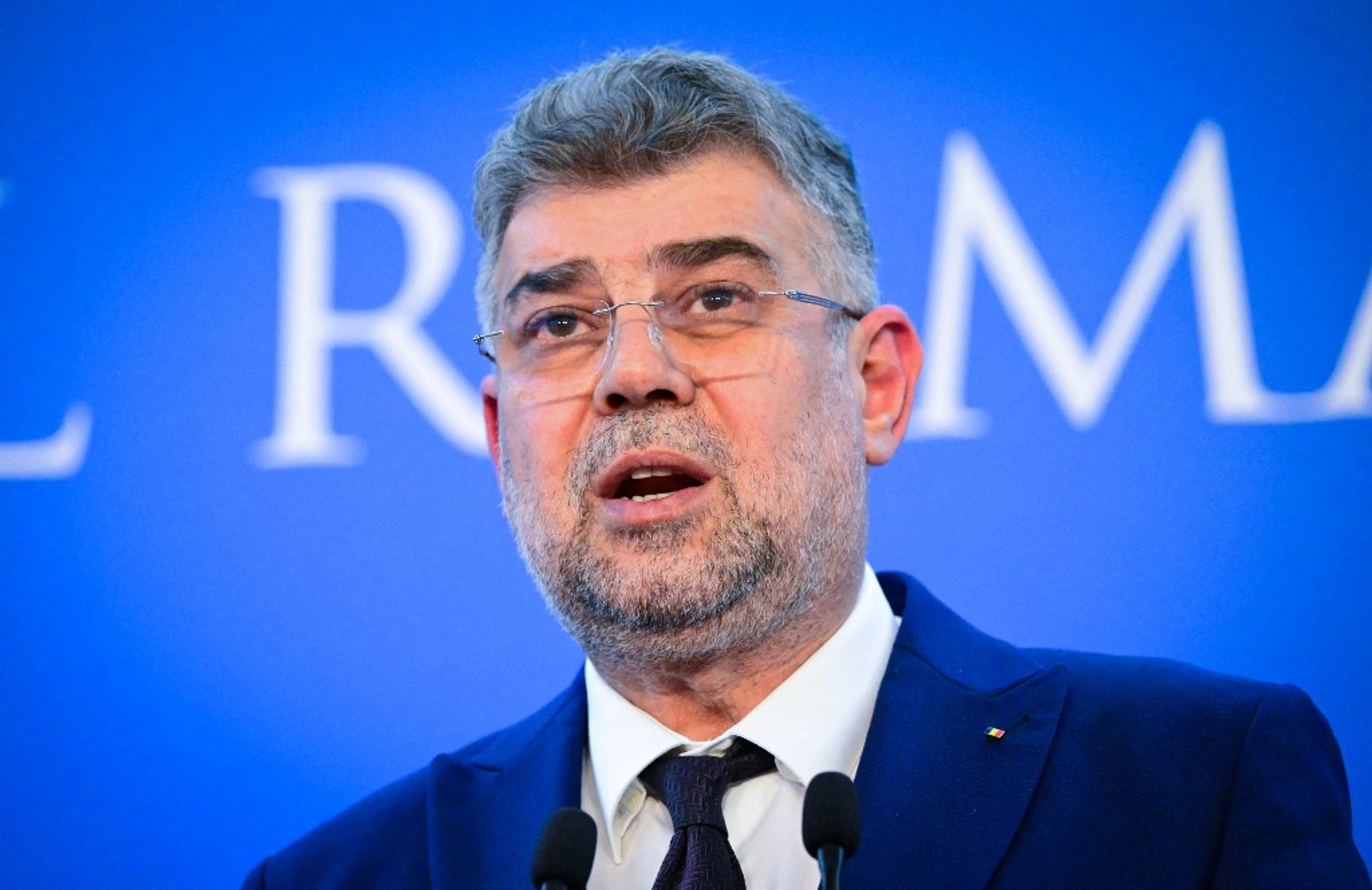
BUCHAREST - Romanian Prime Minister Marcel Ciolacu’s controversial decision to appoint two special envoys for relations with the United States - widely viewed as unsatisfactory - has sparked unrest in Bucharest. Tensions escalated after one of the appointees made public statements that contradicted Romania’s official stance on Ukraine and its relationship with the European Union.
Displeased with the performance of Foreign Minister Emil Hurezeanu - a Liberal Party appointee - and following the cancellation of Romania’s inclusion in the Visa Waiver Programme, Social Democratic Prime Minister Ciolacu announced on 3 April that he had designated two special envoys, a position not recognized within Romanian diplomatic structures. The goal was to establish closer ties with President Donald Trump.
JOIN US ON TELEGRAM
Follow our coverage of the war on the @Kyivpost_official.
One of the appointees, Dragoş Sprînceană, is a Romanian businessman based in the US, known for his ties to the Republican Party and his support for the pro-Russian former presidential hopeful Călin Georgescu.
The controversy erupted on Monday after Sprînceană stated during a Sunday evening interview on tv channel Digi24 that the US would not be pleased so long as Romania aligns itself with the policies of French President Emmanuel Macron.
“The American administration must understand that they should ignore Romania’s pro-Ukraine and pro-France messaging, because we currently have an interim president who won’t matter in a month or a month and a half,” Sprînceană said when asked what he intended to convey in his discussions.
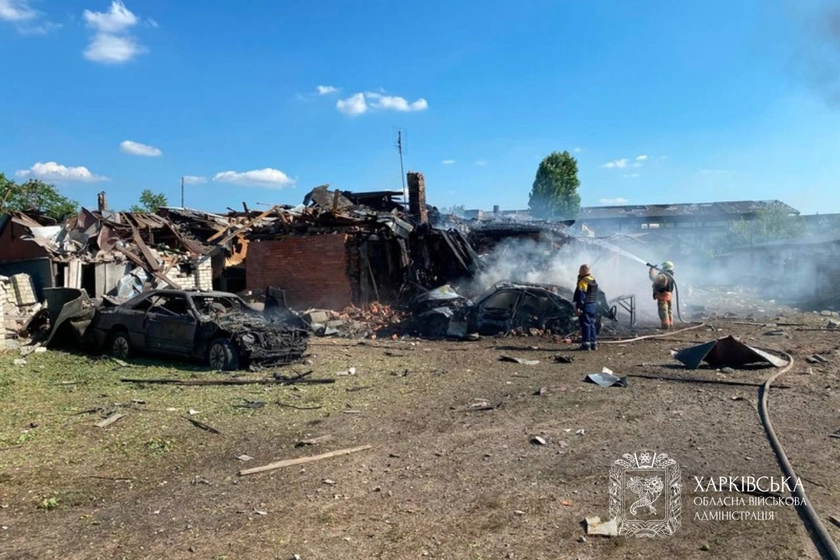
Russian Guided Bombs in Kharkiv Kill Teen, Wound 32, Including Children
When it was pointed out that his stance diverged from Romania’s official position on Ukraine, Sprînceană responded: “I personally asked Mr. Ciolacu, and he told me the opposite of what you’re saying now.”
USR (Renew Europe) leader and presidential candidate Elena Lasconi called on the Prime Minister to clarify Sprînceană’s statements.
“If this position indeed reflects the mandate given by the Prime Minister, we are witnessing a dangerous attempt to shift Romania away from the Euro-Atlantic consensus - without public debate or democratic legitimacy,” she said, adding that if true, Ciolacu’s resignation would be necessary.
Another presidential candidate, Bucharest Mayor Nicuşor Dan, accused Ciolacu of conducting “a foreign policy that runs parallel to the official position of the Romanian state.”
Under mounting criticism, Ciolacu responded calmly, denying the existence of any “special envoys.”
“The opinions expressed in the public sphere by various Romanian citizens who hold no official role are purely personal and do not reflect the Romanian state’s position,” he said.
The Government later said that Romania remains committed to its established foreign policy priorities, which stem from its status as a member of the European Union and NATO, as well as its “unconditional support for Ukraine”.
Csoma Botond, the leader of the UDMR deputies, a party representing Romania’s Hungarian minority and part of the governing coalition - called Sprînceană’s remarks “somewhat unfortunate.” He went on to suggest that Hungarian Prime Minister Viktor Orbán could serve as a mediator in Romania-US relations.
“I believe Mr. Orbán helped with Romania’s entry into Schengen. I think he could help in this area as well. We’re not talking about him being Romania’s envoy - just that he might assist,” he told reporters.
Despite being the acting head of foreign policy and having reportedly been informed by Ciolacu about these envoys, interim president Ilie Bolojan has yet to issue any public response.
You can also highlight the text and press Ctrl + Enter

Russian Security Chiefs Push Duma Election Delay