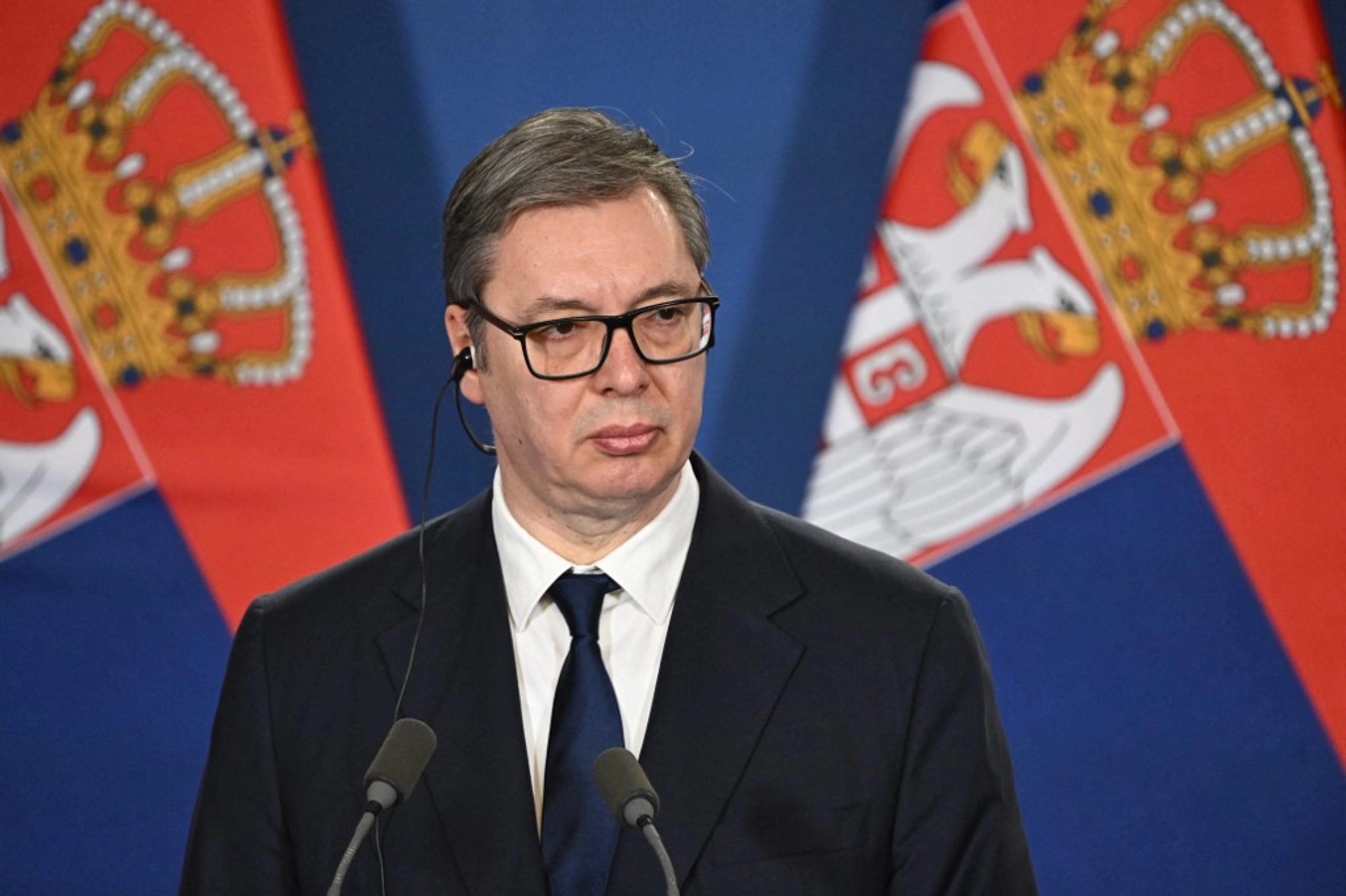
Serbian President Aleksandar Vucic has announced that he intends to step down from his post within the next few weeks – a move that will trigger early presidential and parliamentary elections in the Balkan nation, Reuters reported.
Vucic announces imminent resignation
Vucic made the announcement while addressing supporters at a large pro-government rally in the capital city of Belgrade.
JOIN US ON TELEGRAM
Follow our coverage of the war on the @Kyivpost_official.
“I will be president for only a couple of weeks, and then I will resign,” Vucic told the crowd. His early departure will prematurely conclude his second and final presidential mandate, which was originally scheduled to end in mid-2027.
Despite stepping down from the presidency, Vucic made it clear that he intends to remain highly active in Serbian politics. He informed his supporters that he plans to assist the ruling Serbian Progressive Party (SNS) in the upcoming electoral campaigns, provided the party desires his involvement.
Furthermore, Vucic proposed that the party’s electoral list be named “United Serbia,” stating his intention to campaign under that banner.
Election timeline in Serbia
During his address, Vucic did not provide specific dates for his formal resignation or for the dissolution of the national parliament – a necessary constitutional prerequisite for calling early parliamentary elections.
However, the timing aligns with previous statements made by the Serbian leader. On June 11, Vucic indicated that he would eventually resign and that early elections would be held within three to four months.
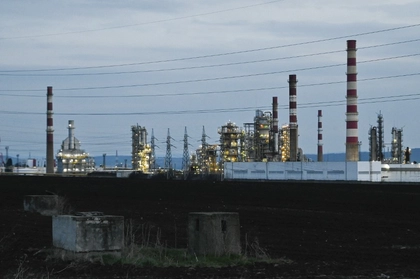
Baltic States Urge EU to Accelerate Russian Oil Ban
At the time, he explicitly ruled out holding the vote in July or August, arguing that the summer holiday season is an inappropriate time for national elections.
Heightened security and energy tensions
The political transition comes during a period of heightened regional tension and security challenges for Belgrade, particularly concerning its energy infrastructure.
In early April, Vucic announced that security forces, utilizing helicopter units, had discovered explosive devices near a vital gas infrastructure site in the municipality of Kanjiza. The site is critical for connecting Serbia’s gas network to neighboring Hungary. Authorities recovered two large packages of explosives equipped with detonators.
“If there had been a gas shutdown there, Hungary would have no gas, and we in northern Serbia would not have gas either,” Vucic stated following the discovery, linking the attempted sabotage to broader “geopolitical games” and stressing the need for maximum combat readiness.
Serbia’s energy security has remained a precarious issue amid the ongoing war in Ukraine and the resulting disruptions to international energy markets. Belgrade has heavily relied on the TurkStream pipeline to import Russian natural gas across the Black Sea, an artery that both Hungary and Russia have previously alleged is vulnerable to Ukrainian targeting.
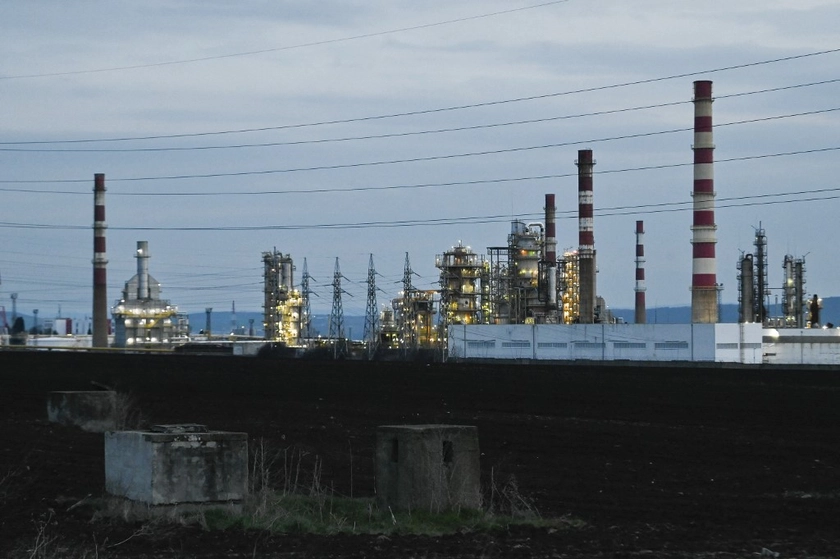
Additionally, earlier this year, Vucic expressed interest in selling the NIS oil company to the Hungarian firm MOL as a strategy to bypass Western sanctions on Russian-owned assets.
You can also highlight the text and press Ctrl + Enter

Attack on Moscow Oil Refinery: Putin Under Pressure?