In 2024, when Ukraine is still resisting a brutal full-scale Russian invasion and living through war, many may argue that clothing is the least of our concerns.
But it’s exactly during times of crisis that we must re-evaluate what truly matters – including the systems we support through our everyday choices. War forces us to rethink priorities, and fashion is not exempt. When resources are limited, supply chains disrupted, and national resilience tested, the question of sustainability becomes existential.
JOIN US ON TELEGRAM
Follow our coverage of the war on the @Kyivpost_official.
This year, I became an ambassador for the international organization No More Plastic, which fights plastic pollution globally. In conversation with founder Rosalie Mann, I gained access to data that changed the way I look at something as routine as getting dressed. I realized how deeply our wardrobes are entangled with the environmental crisis – and how, even from war-torn Ukraine, we are part of this global problem and, potentially, its solution.
Back in 2015, the world consumed 62 million tons of textiles, according to the European Commission. By 2030, this number is expected to hit 102 million tons.
What does that mean for a country like Ukraine, where infrastructure is being rebuilt from the ground up and every resource matters? It means we can no longer afford systems that generate waste on this scale.
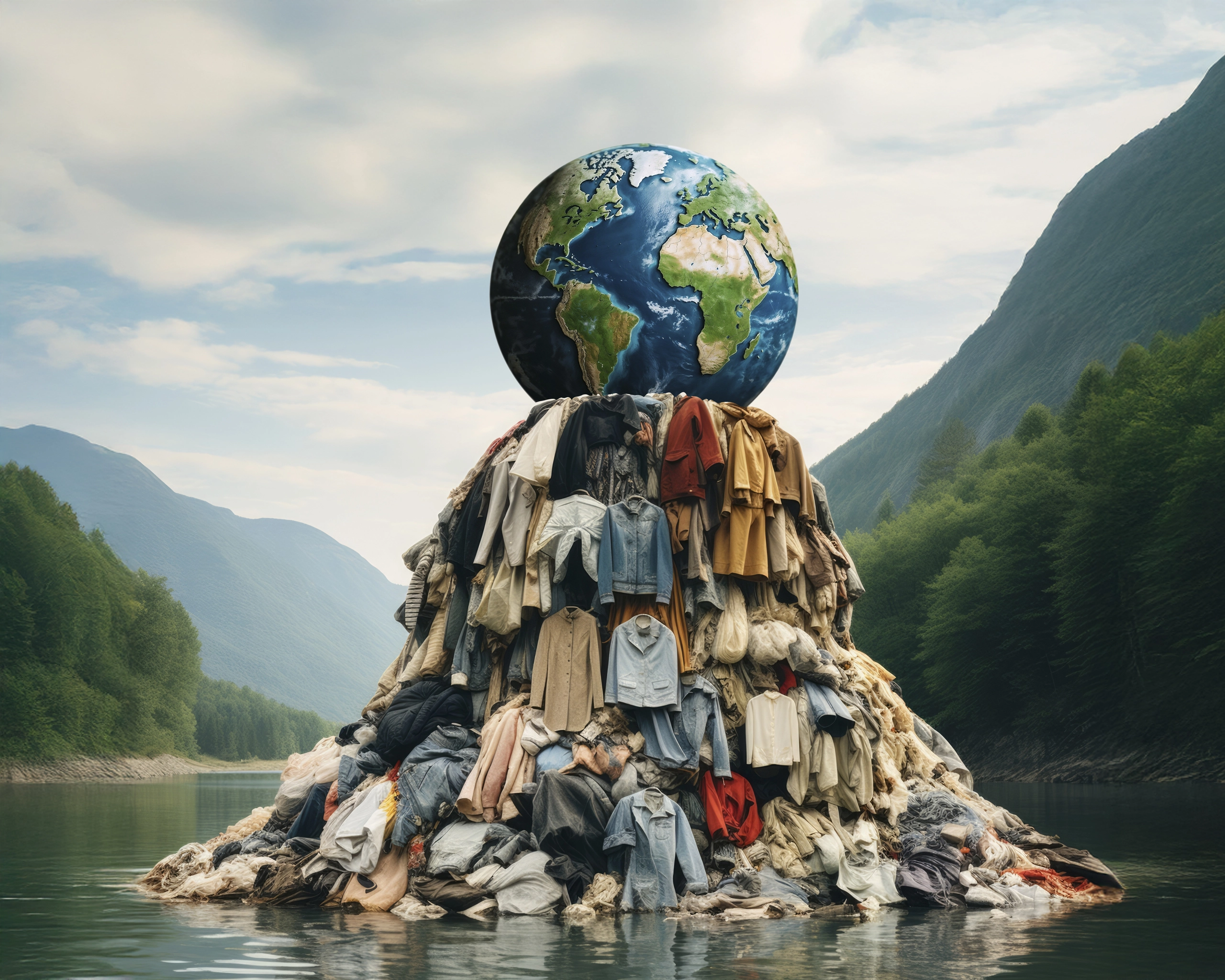
Every second, the equivalent of one garbage truck of clothing ends up in landfills. Every year, the planet produces 92 million tons of textile waste. If we don’t change our behavior, this will rise to 134 million tons by 2030.

You Realize How Valuable Life Is When Death Feels Possible Every Day
But it’s not just about overproduction – the real crisis lies in what these clothes are made of. Approximately 70% of clothing worldwide is made from synthetic materials: polyester, nylon, acrylic, and other plastic-based fibers. These materials are cheap, lightweight, and easy to produce – and they’re wreaking havoc on the planet.
Globally, the fashion industry uses about 15% of the 400 million tons of plastic produced each year. It’s hard to comprehend, but yes – the clothes we wear are part of the plastic pollution crisis. And it’s not just an abstract problem. Synthetic microfibers shed during laundry, contributing to 35-50% of the microplastics in our oceans.
In Ukraine, where the environmental consequences of war already include bombed forests, contaminated rivers, and scorched farmland, we cannot ignore the role of everyday habits in compounding ecological trauma. Wearing plastic is one of them.
Many Ukrainians, myself included, have noticed how the quality of clothing has declined. Fast fashion items tear, stretch, fade, and irritate the skin. But this isn’t just a matter of poor tailoring. It’s about toxic chemicals – formaldehyde, phthalates, and heavy metals – used to preserve color or add wrinkle resistance. But their use can have serious consequences for the environment.
And here’s another striking fact: we’re wearing our clothes fewer times than ever before. Where we once wore garments for five years or more, today many items are worn only a handful of times – sometimes not even once. This isn’t fashion. It’s waste.
In Ukraine, we know all too well what scarcity means. We know how to mend, repair, and reuse. It’s part of our wartime resilience. And yet, global trends push us to discard, replace, and consume at breakneck speed. This isn’t just irresponsible – it’s unsustainable.
Major textile corporations won’t change voluntarily. They continue to chase profits through cheaper labor and cheaper fabrics. The 2023 Fashion Transparency Index found that 99% of major brands don’t disclose how many of their workers earn a living wage. That’s not a flaw in the system – it is the system.
The responsibility, then, falls to us – the consumers. The price tag on a T-shirt doesn’t reflect the full cost. That cost is paid by overworked garment workers, polluted rivers, and ultimately, our children’s future.
Ukraine, like many countries in the Global South and East, is at a crossroads. Rebuilding our economy offers a chance to rethink our values. We can choose to support local brands that invest in durability, safe materials, and ethical labor. We can educate ourselves about what we wear. We can demand transparency and accountability.
In times of war, fashion may seem trivial. But it is precisely in these times that we must ask: What kind of world are we fighting for? A just, green, and responsible future cannot be built on disposable culture.
Fast fashion is not just about affordability or style. It’s a systemic failure rooted in short-term thinking. We owe it to ourselves – and to those rebuilding homes, communities, and entire cities in Ukraine – to imagine better ways of living, creating, and consuming.
The planet cannot bear our wardrobes any longer.
The views expressed in this opinion article are the author’s and not necessarily those of Kyiv Post.
You can also highlight the text and press Ctrl + Enter