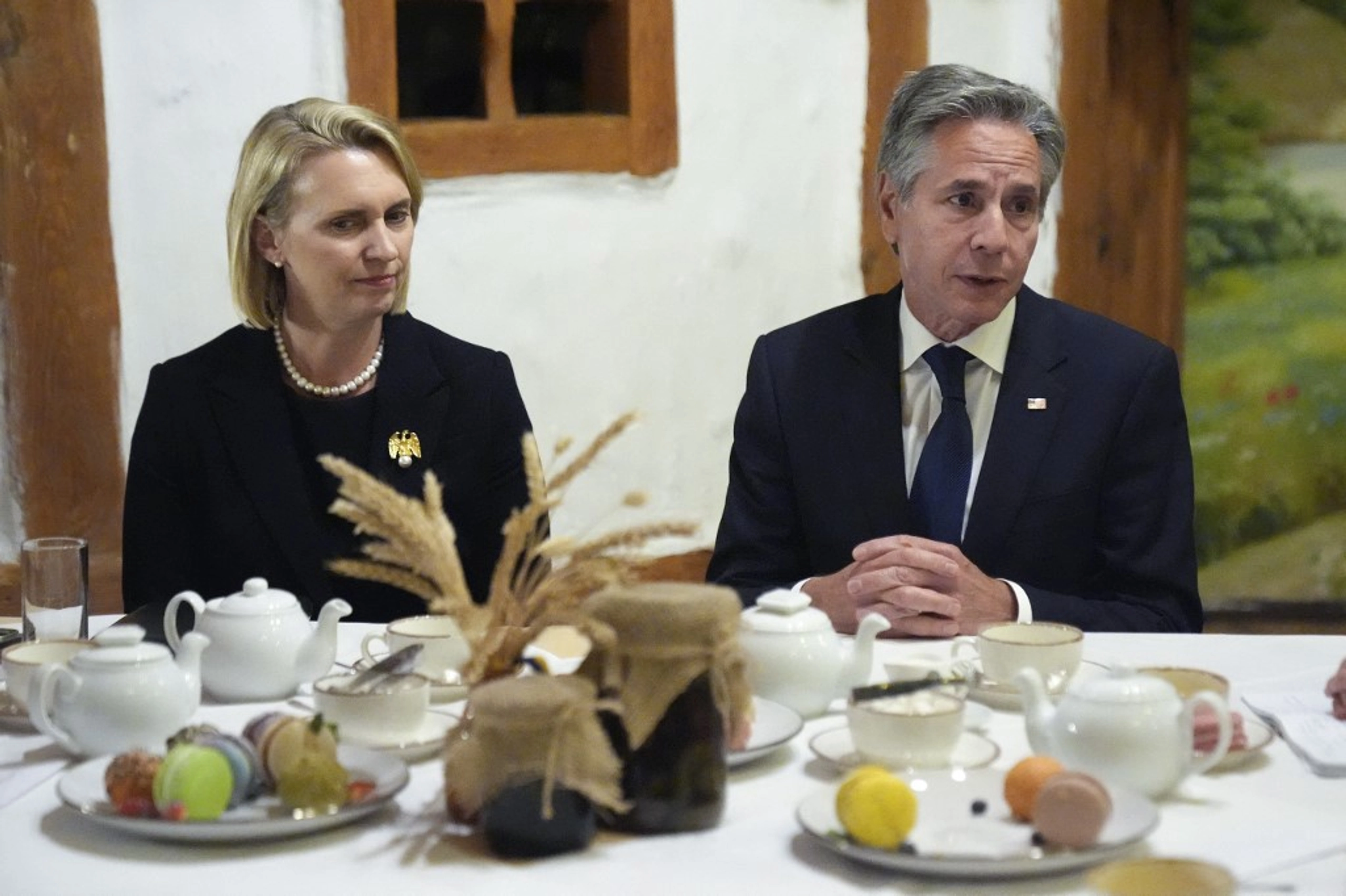
The US Ambassador to Ukraine, Bridget Brink, announced on Thursday that she is stepping down from the post, roughly coinciding with a new leadership in Washington and a well-couched displeasure with the new US foreign policy by the administration in Kyiv.
Brink, a career diplomat, was nominated by then-president Joe Biden and arrived in Kyiv in May 2022, about three months after the beginning of the full-scale Russian invasion. At the time of her appointment, the United States was voting to provide billions of dollars in aid to Ukraine.
JOIN US ON TELEGRAM
Follow our coverage of the war on the @Kyivpost_official.
But times have changed.
As AFP reporters noted on Thursday, it is “normal for US ambassadors to leave after several years, especially in conflict zones where they do not bring their families.” But the timing of this particular departure is peculiar.
It is one thing for a family-oriented American woman, the mother of two boys, to step down from a long diplomatic deployment to West Africa, for example, perhaps expecting an upcoming redeployment to Western Europe in a best-case scenario.
However, she was appointed by an administration that was fully behind Ukraine at the time, and her new boss, President Donald Trump, has taken a markedly differently approach on policy and aid for Kyiv.
Brink graduated from high school in Michigan in 1987 and went on to earn a Bachelor of Arts degree in political science from the prestigious liberal arts school of Kenyon College in Ohio. She then earned her Master’s degree in international relations and political theory from the London School of Economics.
Intent in Plain Sight: the Politics of a UN-Recognized Genocide
In her early years, she served as a consular officer in the US Embassy in Belgrade from 1997 to 1999 and then as a Cyprus desk officer until 2002. She went on to become a special assistant for Europe to the Under Secretary of State for Political Affairs until 2004, and then as political-economic chief in Tbilisi, Georgia, until 2008.
Later in her diplomatic career, Trump, in his first term, nominated her to become the US Ambassador to Slovakia, and she was confirmed to that role in 2019.
In February 2022, during Russia’s full-scale invasion of Ukraine, Biden nominated Brink as the US Ambassador to Ukraine. She was confirmed to the position by the US Senate in May of that year.
But now, during the second Trump administration, her ambassadorial career appears to have come to an end.
“She’s returning home,” State Department spokesperson Tammy Bruce told reporters on Thursday. She has been an ambassador “for three years during a time of war. For those three years, an extraordinary performance there, and we wish her well,” Bruce said.
“We know that we’re working for that war to end, and that is our focus,” Bruce added.
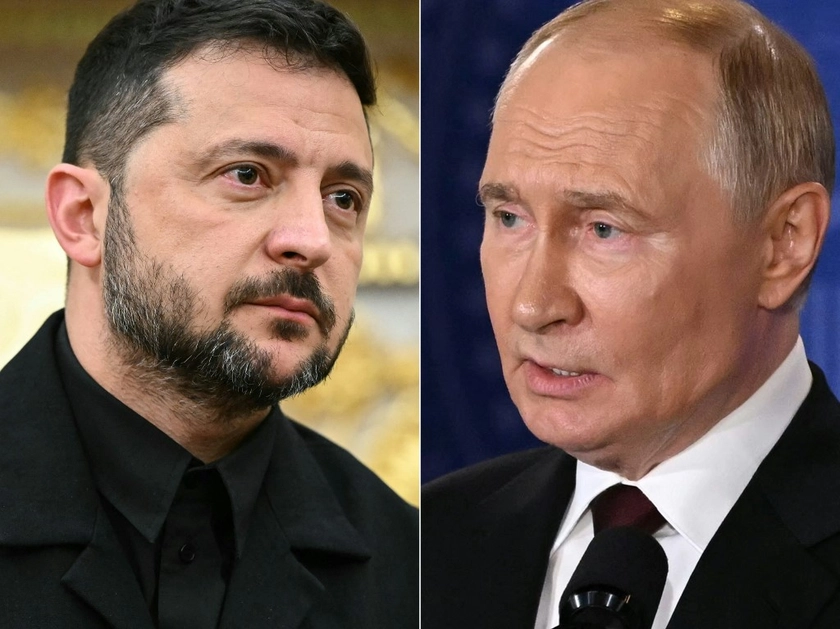
Leading up to her departure, the administration of President Volodymyr Zelensky was puzzled as to her somewhat muted social-media reaction to a Russian air strike in his hometown last week that killed 20 civilians.
After posting news of the strikes without expressly blaming Moscow, she came out with a new take: “We express solidarity with the people of Ukraine on this day of national mourning after Russia’s missile attack on Kryvyi Rih, which took the lives of 20 people, including 9 children,” she wrote.
“Our sincere condolences to the families and loved ones of all those killed and injured,” she added.
Brink also published a photo showing the US flag at half-mast in mourning.
A nationwide day of mourning was declared across Ukraine on Sunday, April 6, with entertainment events canceled.
Previously, the ambassador had reacted to the strike publicly, but did not mention that Russia was behind it, leading Kyiv to believe she was pandering to Trump’s perceived insistence that Ukraine capitulate to Russian aggression.
Zelensky said at the time that he was “unpleasantly surprised” by a weak response from the US embassy.
You can also highlight the text and press Ctrl + Enter