The US government has unleashed a dual-pronged economic and military pressure campaign against the Islamic Republic of Iran.
Washington is threatening to liquidate frozen Iranian capital to pay for regional damage while simultaneously deploying naval armadas to force open the blockaded Strait of Hormuz.
JOIN US ON TELEGRAM
Follow our coverage of the war on the @Kyivpost_official.
Repurposing frozen billion-dollar assets
According to Bloomberg, US Treasury Secretary Scott Bessent announced a major shift in how Washington intends to leverage seized Iranian capital. Bessent declared that the US is prepared to directly tap into blocked Iranian financial accounts to financially compensate its regional Gulf allies for any damage incurred during future hostilities initiated by Tehran.
Bessent warned that the economic and financial penalties levied against the regime would grow exponentially with each consecutive provocation. The targeted capital comprises approximately $24 billion in frozen assets, which Iranian negotiators have conversely been demanding the return of as a core condition during ongoing peace talks with the White House.
The Treasury Department’s hardline warning comes amid a sharp, immediate deterioration in relations between Washington and Tehran following a recent military incident involving the downing of a US helicopter.
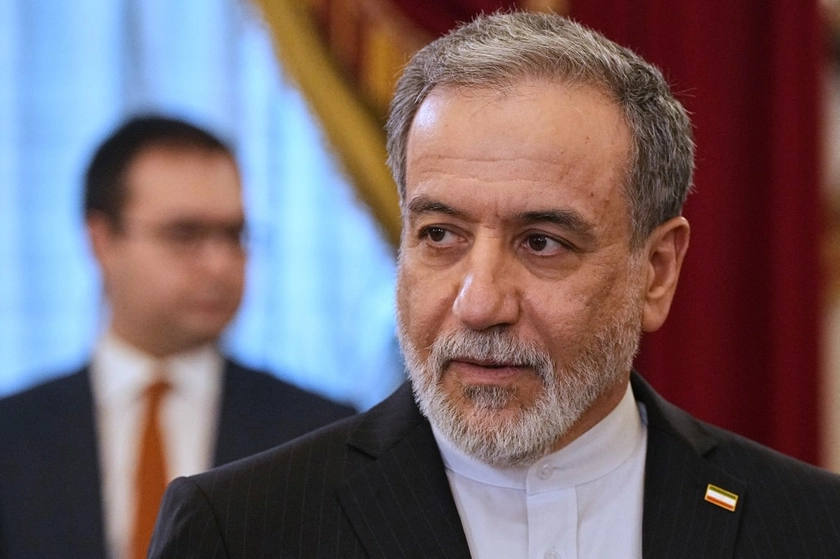
Tehran reacted swiftly and aggressively to Bessent’s declarations. Iran’s Deputy Foreign Minister, Kazem Gharibabadi, fiercely condemned the proposed financial mechanism, warning that the US has no legal authority to distribute Iranian wealth.
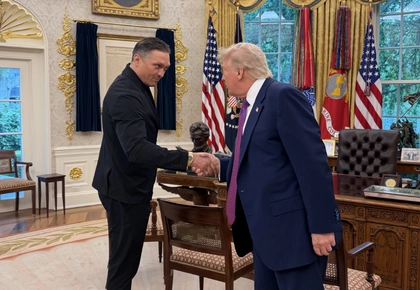
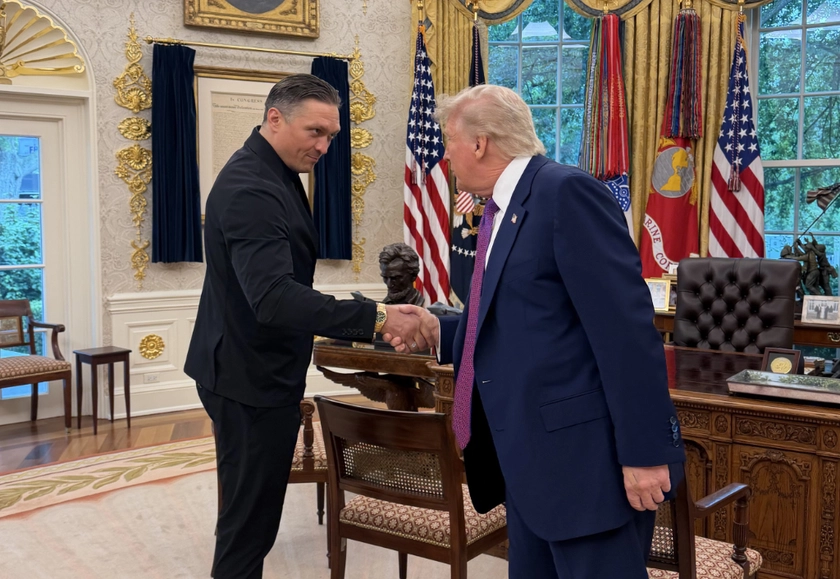
Oleksandr Usyk Meets Donald Trump at the White House
“These assets are not ‘spoils of war’ for the United States, and they cannot be used to finance the needs of American allies,” Gharibabadi stated.
Escorting millions of barrels through the chokepoint
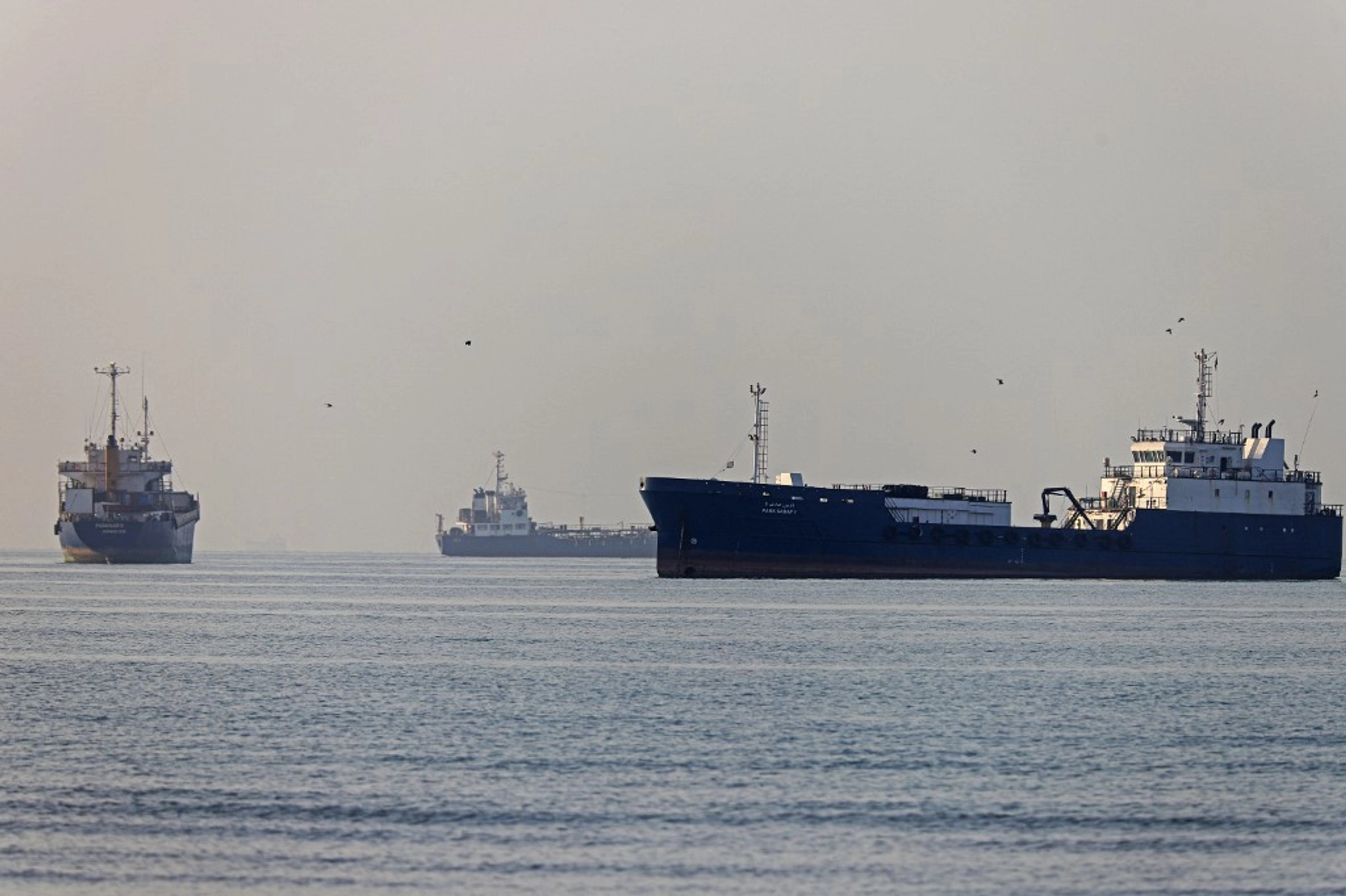
As the Treasury Department erects financial boundaries, the US Department of Energy confirmed the massive scale of ongoing US naval operations in the Persian Gulf.
Energy Secretary Chris Wright revealed that the US military is currently providing direct armed naval escorts for vessels transporting approximately seven million barrels of oil and petroleum products per day through the contested Strait of Hormuz, Politico reported.
According to data presented by Wright, the current escorted flow represents a significant restructuring of global energy transit. Prior to the outbreak of the war in February, the Strait of Hormuz handled a massive volume of global energy:
Following the eruption of hostilities, approximately five million barrels per day (bpd) of that total volume was successfully rerouted through overland pipelines and alternative transport infrastructure, while crude production throughout the rest of the world rose by roughly one million bpd to help offset the sudden maritime deficit.
“Today’s escorted volumes are approaching half of that deficit, and they are growing,” Wright noted.
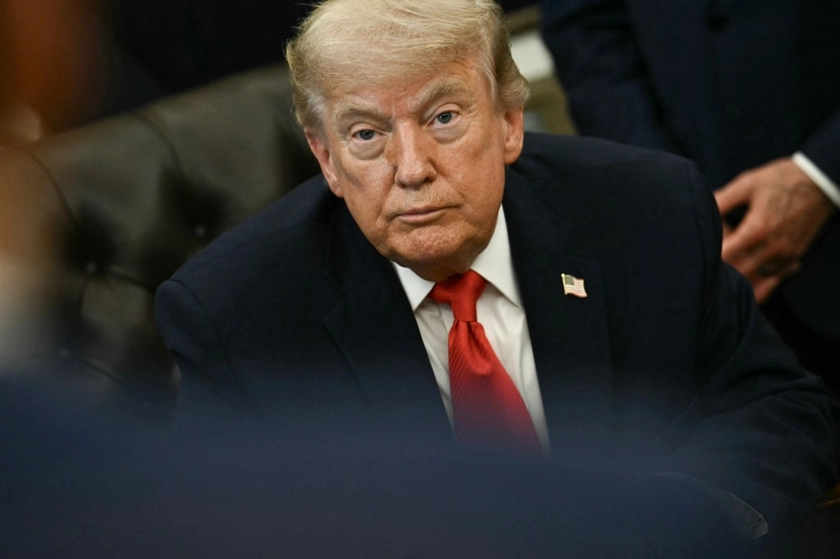
The Energy Secretary asserted that the aggressive maritime convoy system proves that the administration of US President Donald Trump is successfully achieving its dual strategic objectives: maintaining stable global energy prices while systematically denying Iran the financial room to achieve a nuclear weapon capability.
The fragile state of Trump’s “wonderful deal”
The massive naval escort operations and asset liquidation threats underscore the intense friction shadowing backchannel diplomacy. Just days prior, Trump claimed that Washington had effectively “ended the war” with Iran by advancing a “very strong memorandum of understanding” under which Tehran allegedly agreed to abandon its nuclear ambitions.
However, Iranian Foreign Ministry spokesperson Esmail Baghaei swiftly dismissed the White House claims as premature “speculation,” while Iranian Foreign Minister Abbas Araghchi reasserted that Iran and Oman claim exclusive sovereign authority over the Strait of Hormuz, explicitly rejecting any permanent US-led maritime policing framework.
This sovereign dispute turned violent when US Central Command (CENTCOM) was forced to shoot down a multi-drone swarm launched by Iranian forces targeting civilian commercial ships in the international trade corridor.
With the US military maintaining a strict naval blockade on crucial Iranian oil hubs like Kharg Island, Washington’s latest warning that it will weaponize Iran’s own $24 billion repository to protect its Gulf partners signals that a definitive peace treaty remains far from finalized.
You can also highlight the text and press Ctrl + Enter

ANALYSIS: Russia’s Air Defense Problems Are Growing