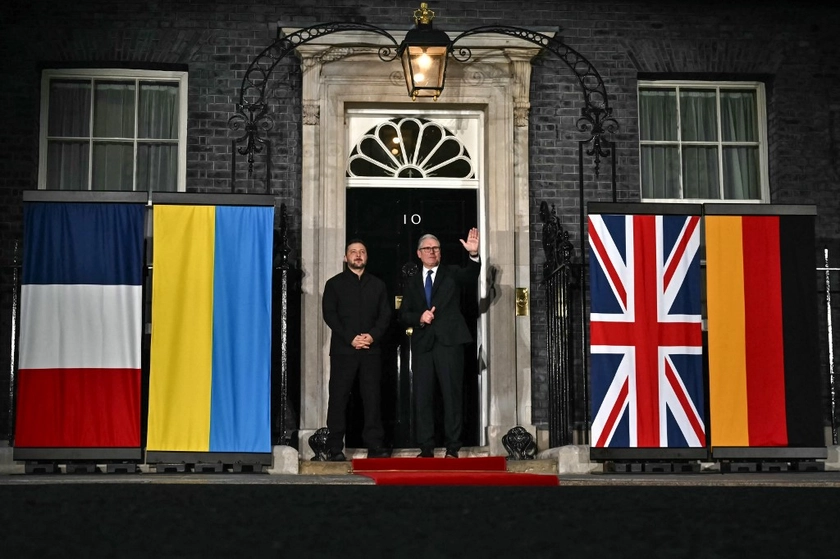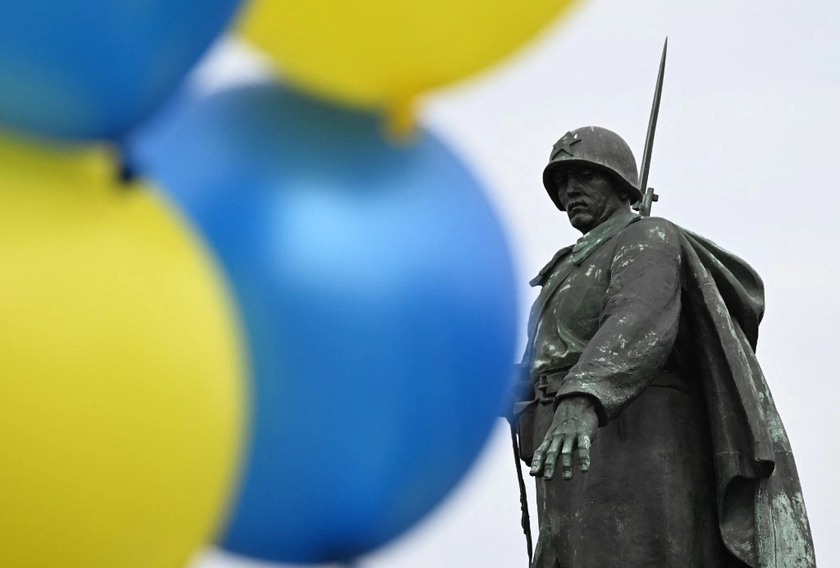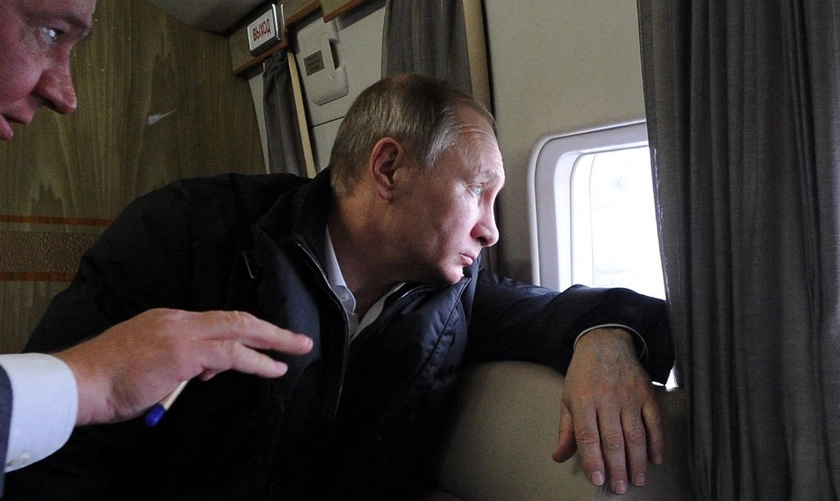
The EU is reportedly eyeing new solutions to bypass Budapest’s constant vetoes against the bloc’s sanctions on Moscow.
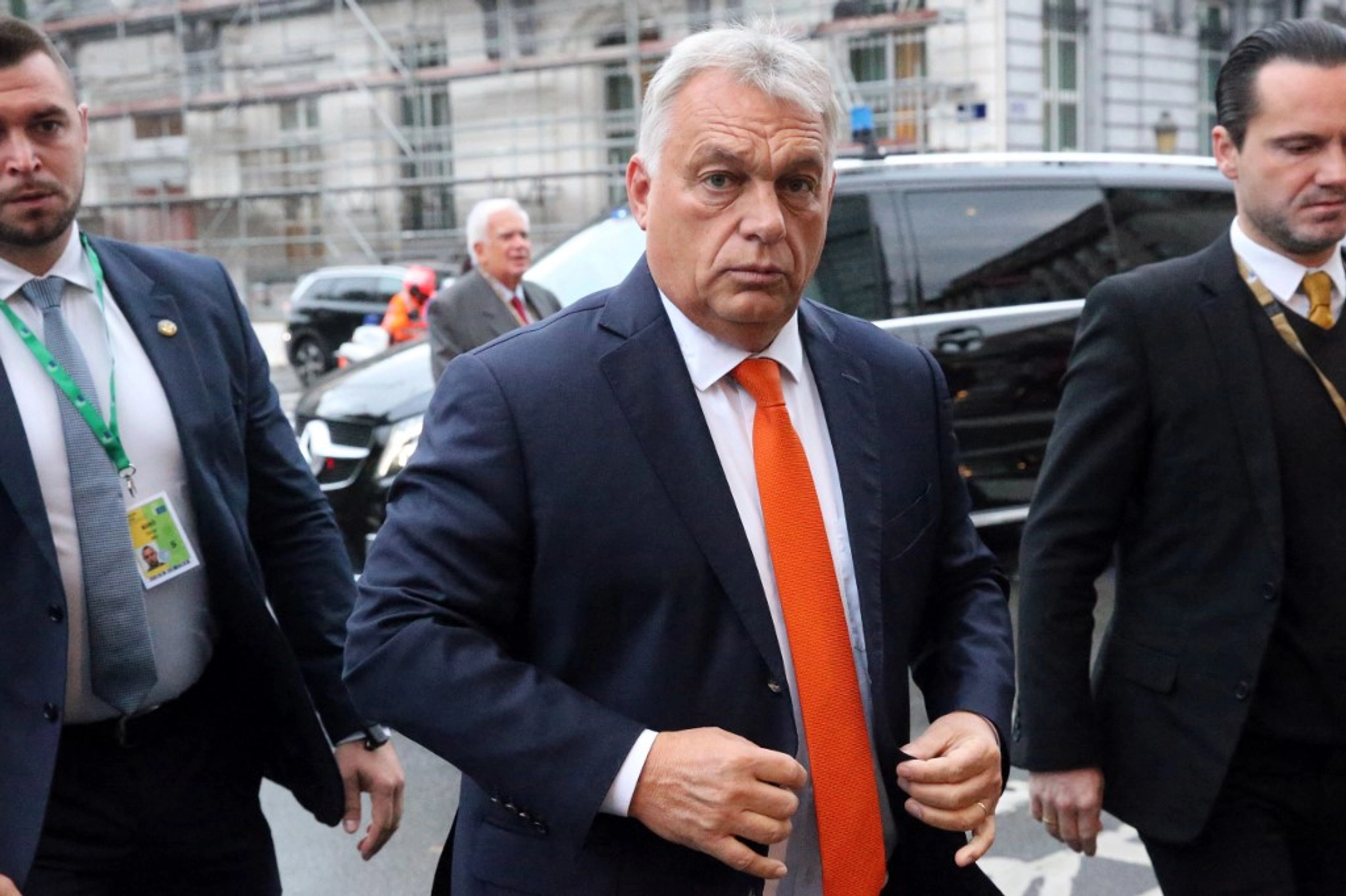
The need arose due to the unanimous decision required to extend the bloc’s sanctions on Moscow every six months, which Budapest has used as leverage to further its own interests, in part, due to Budapest’s friendly stance with the Kremlin.
JOIN US ON TELEGRAM
Follow our coverage of the war on the @Kyivpost_official.
Option 1: Transposing sanctions to national levels
Politico, citing six diplomats, said “at least half a dozen capitals” are backing a move to “transpose EU-wide Russia sanctions into domestic law.”
Imposing sanctions from a national level means Budapest cannot veto them, but it is unclear if all EU nations will – or can – support the idea.
While Politico said nations that were once reluctant to “impose restrictions outside the EU umbrella,” such as Belgium and Czechia, are now behind the new plan, the publication said certain nations “don’t have the ability to transpose sanctions into national law,” citing comments from a diplomat.
The diplomat added that a divided approach would be weaker than a united decision made at the EU level.
Czech Foreign Minister Jan Lipavský told Politico ahead of Monday’s EU foreign ministers’ meeting that decisions on Ukraine and Russia – not necessarily about sanctions – might be shifted toward the UK-led “Coalition of the Willing” bloc moving forward.

EXPLAINED: Meet the Combat-Tested Ukrainian Drone Units Flying ‘Middle Strikes’ Against Russia
“This can be perceived as a failure of common foreign policy inside the EU institutions… but we really should be focusing on finding a political solution,” Lipavský said.
Option 2: Removing Budapest’s voting rights
Stripping Budapest of its voting rights has been considered for some time, but it has yet to be implemented due to its legal and political implications.
The unanimous approval required, worries of setting a precedent, plus the legal complexities involved in moving forward have prevented the bloc from stripping Hungary of its voting rights.
That said, some countries have hinted at progress toward the option.
Speaking to Germany’s Rheinische Post in early April, Estonian Foreign Minister Margus Tsahkna said the option “is getting closer and closer.”
“Article 7 of the Treaty on European Union provides for the possibility of withdrawing a member state’s voting rights if membership endangers the security of Europe and that of the other members... that’s exactly what Orbán is doing,” Tsahkna said.
Politico also reported that Germany’s new coalition under new chancellor Friedrich Merz has been calling for a tougher stance on EU nations failing to uphold the rule of law, ostensibly hinting at Budapest.
That said, pro-Kremlin Hungarian Prime Minister Viktor Orban’s friendly ties with US President Donald Trump might also prevent the EU from making the move in fear of further straining relations with Trump, with the trans-Atlantic ties already growing shakier day by day.
Option 3: Legal arithmetic
Radio Liberty’s Rikard Jozwiak, citing his own unnamed diplomatic sources, said another potential solution is under consideration.
Jozwiak said there are two legal documents to each EU sanction: a decision and a regulation, and the decision itself does not require unanimous approval.
“Member states agree and adopt a decision, which is then implemented as a regulation,” Jozwiak wrote in his article.
“The regulation must be extended every six months by unanimity, while the decision does not. In fact, the decision remains in force unless a qualified majority votes to repeal it. That would mean sanctions could stay in place without needing a formal extension, and it would sidestep Hungary’s big opportunity to ‘blackmail’ the rest of the club on this,” he added.
Jozwiak, citing “diplomats [he has] spoken with,” noted the option to be a temporary one that works on shaky legal ground, one that Budapest can likely contest in court.
However, a diplomat told Jozwiak that it might be worth a shot as the EU has a history of operating in such manner.
“Happening on very shaky legal grounds, as we always have used unanimity to prolong sanctions – that’s just the way this has always worked,” the diplomat reportedly told Jozwiak.
You can also highlight the text and press Ctrl + Enter