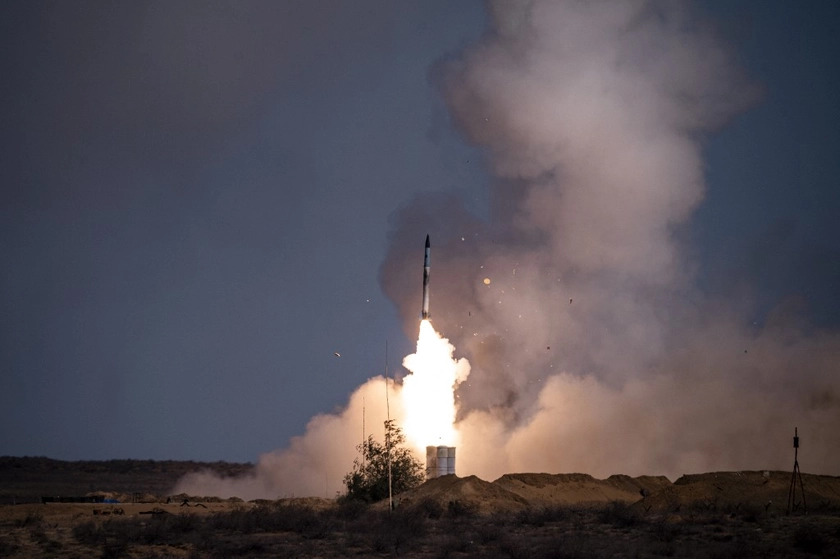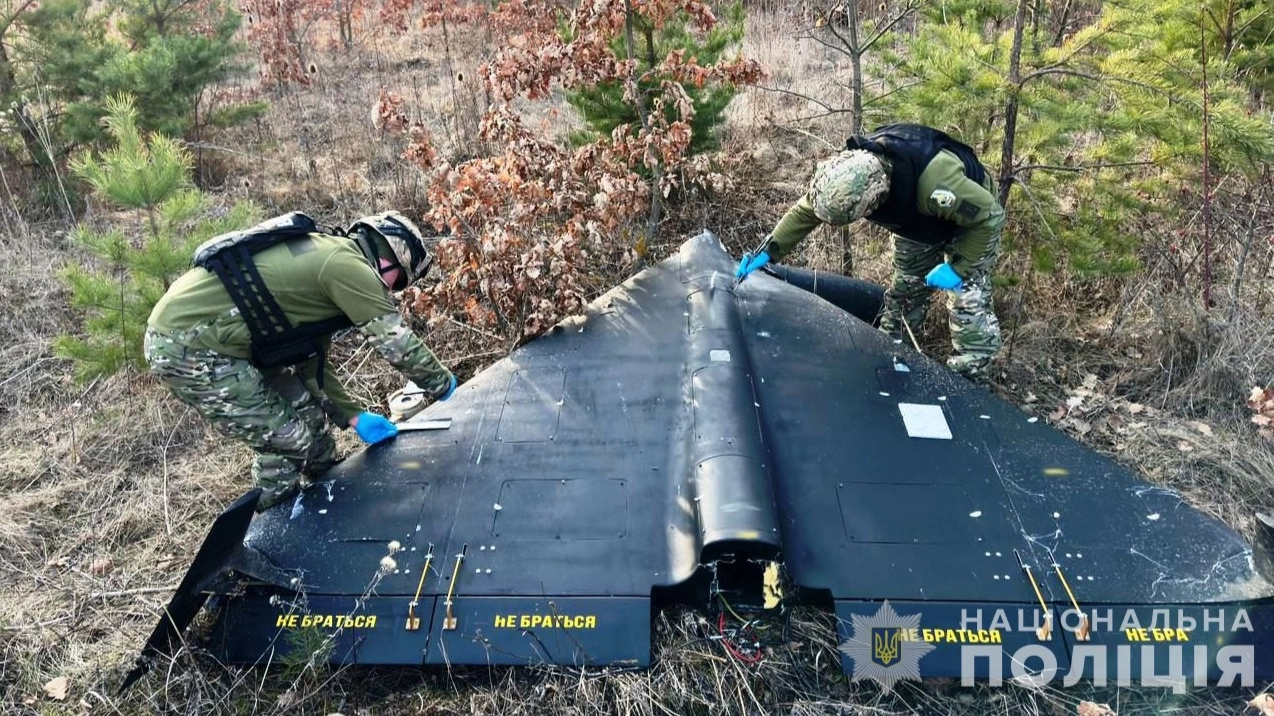
Ukraine’s military intelligence has identified the development of a new Russian jet-powered kamikaze drone, believed to pose a growing threat to Ukrainian defenses as production ramps up and sightings increase near Odesa.
The Ukrainian Main Intelligence Directorate (HUR) first mentioned the development of the new jet-powered Russian unmanned kamikaze drone on its “War Sanctions” portal at the end of April.
JOIN US ON TELEGRAM
Follow our coverage of the war on the @Kyivpost_official.
HUR said that the Russian state enterprises JSC Kronstadt and JSC KT-Unmanned Systems were involved in developing and producing the drones, which it called “Banderol” (wrapped parcel). No technical information was available at the time.
The Defense Express military issues site said that, although neither of the alleged manufacturers included a jet-powered drone in their current literature, Kronstadt released a statement in February that spoke of a “successful test flight of a new unmanned aerial vehicle.”
The Ukrainian communications and electronic warfare expert Serhii “Flash” Beskrestnov posted an assessment on Telegram on April 26 where he wondered if the Banderol was a true jet-powered unmanned aerial vehicle (UAV) or rather a barrage munition, similar to the KAB aerial glide bombs, but fitted with a jet engine.
Other military issues speculated that it was in fact a Russian modification of the Iranian designed Shahed attack drones replacing the propellor drive with a jet engine and dubbed the weapon Shahed-3 – although it should more accurately be called Geran-3, the nomenclature adopted by Moscow for its locally manufactured versions.
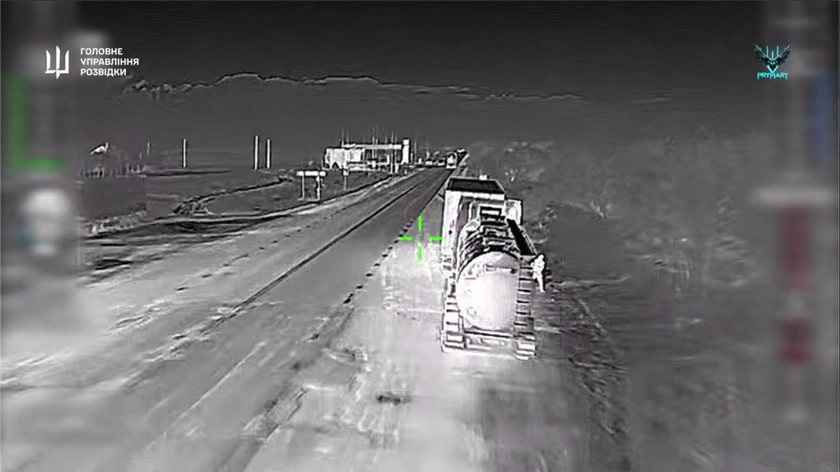
WATCH: Ukraine’s ‘Ghosts’ Burn Russian Fuel, Ammo, Supply Routes in New Footage
The US-based Institute for the Study of War (ISW) report on April 22 suggested that Russian forces had used a jet-powered drone in an attack upon Odesa two days earlier, which it did call Geran-3.
Reports by Ukrainian milbloggers of another attack on Odesa overnight May 4-5 also said it included the use of a drone fitted with a jet engine, which it said had been given the name Product C. They suggested that the Russian model numbers for drones use letters to identify the source of their UAVs:
- M – made in Iran
- Y and B – produced at the Alabuga plant in Tatarstan
- K, KM and KC – produced at the Izhevsk Mechanical Plant
They suggest that the drone has a maximum speed of 750 kph (470 mph) and a range of 150 kilometers (94 miles), although the source of this assessment is not clear and conflicts with earlier reports that the drone had a maximum speed of 400-500 kph (250-300 mph).
Other details, such as the size of the warhead carried, is unclear, with suggestions that this could be reduced from the 50 kilograms (110 pounds) of the conventional Shahed because of the need to accommodate both the new engine and additional fuel.
All are in agreement that following the “successful” test of this drone, whatever it is called, the numbers of them that will be encountered will increase over the coming months and that because of their speed they will present an increasing challenge to Ukraine’s mobile fire groups which is the main line of defense against attack drones because of shortages of surface-to-air missiles such as those used in the US MIM-104 Patriot.
As for the Product C models, they were tested “successfully,” so we should expect group launches across Ukraine this month. If production continues at the current pace, group attacks by jet UAVs will increase five times in the summer. And the main blow may fall on the regions of southern Ukraine.
You can also highlight the text and press Ctrl + Enter

Putin’s Worst Nightmare
Zelensky Reveals Intercepted Intel From Putin’s Desk