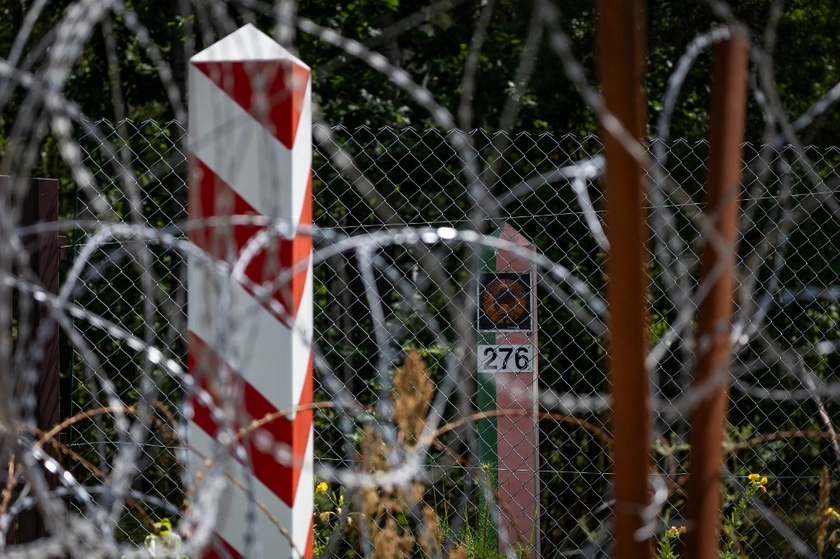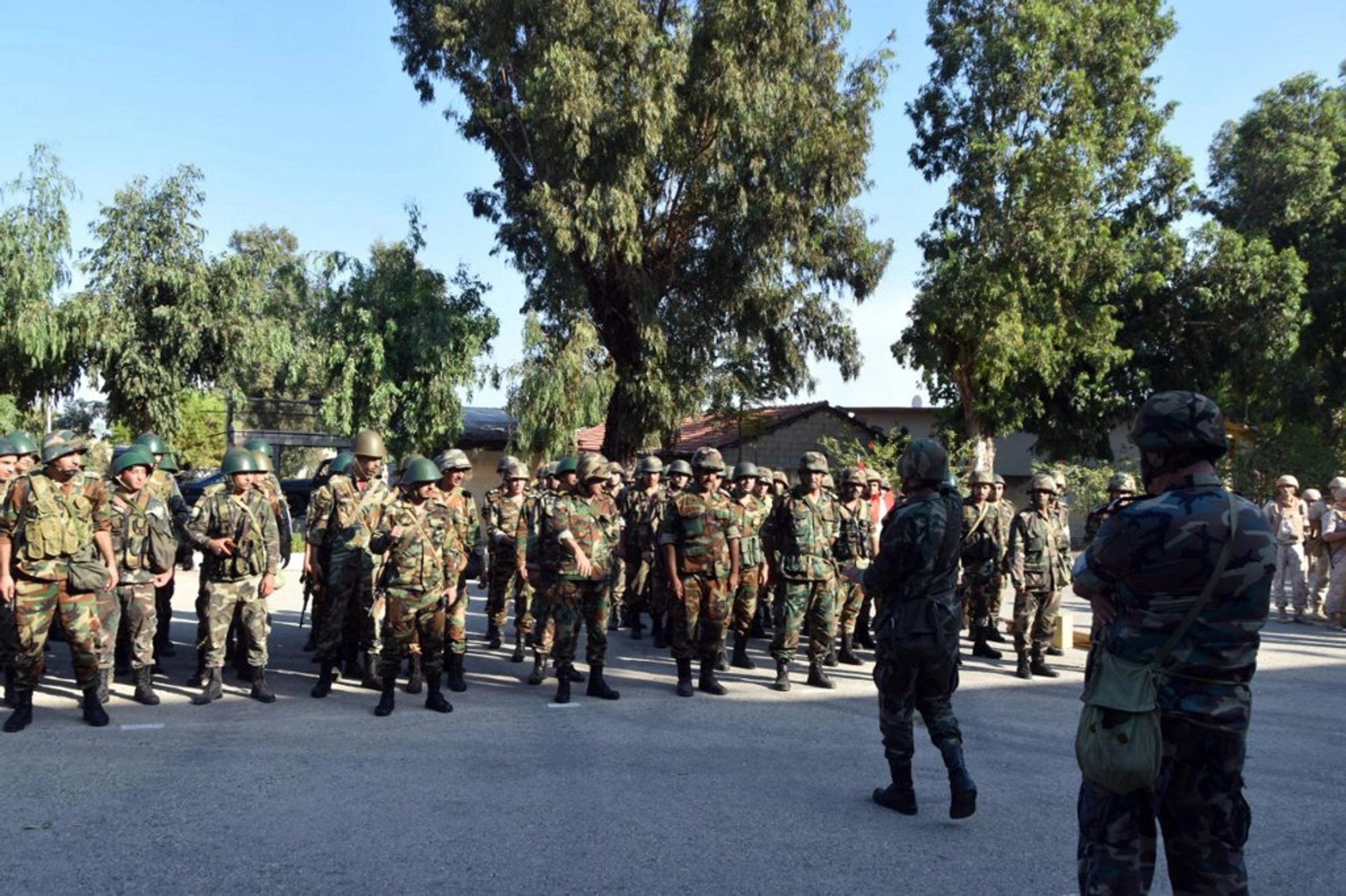
The threat assessment revealed that Moscow is conducting provocations and demonstrations of force, including unauthorized violations of airspace borders, aggressive behavior towards aircraft and ships belonging to NATO member states, escalating the threat of accidental military incidents.
The intelligence report notes that Moscow also plans to expand Russia’s armed forces from one to 1.5 million soldiers. The most significant changes will take place in the Russian military bases adjacent to Latvia‘s border.
JOIN US ON TELEGRAM
Follow our coverage of the war on the @Kyivpost_official.
“It is likely to take several years, possibly even a decade, to achieve the full objectives of the reform, but it is expected that the size of the Russian armed forces on the Latvian border will start to increase as the intensity of hostilities in Ukraine decreases,” the MIDD said.
But it added that Russia does not yet have the military capability for another land operation.
Last year, Russia’s Western Military District, on Latvia’s border, was reorganized to form two strategic military axes, the Leningrad and Moscow Military Districts.
This, MIDD said, was a formal response to Finland and Sweden’s accession to NATO.
The reforms also include the formation of new units and restructuring of existing ones in the Russian armed forces.
But according to MIDD, this does not indicate an increase of forces near Latvia’s borders, since most of Russia’s military resources are still being diverted to Ukraine.
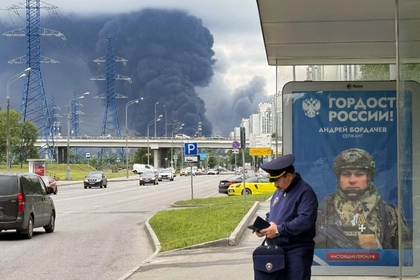
Drone Attack on Moscow Triggered Sharp Rise in Anti-War Views Across Russia
“Threat risks to Latvia’s defense system are closely related to the current geopolitical situation, Russia’s full-scale war against Ukraine, and the acts of sabotage, diversions against various targets, and other types of malicious activities that occurred in a number of European countries, including Latvia, last year,” the MIDD wrote.
You can also highlight the text and press Ctrl + Enter

Russia Hit by 660-Drone Overnight Barrage Targeting Moscow, Crimea and Key Military Sites